Nusantara New Capital Investment Attracts Global Investors
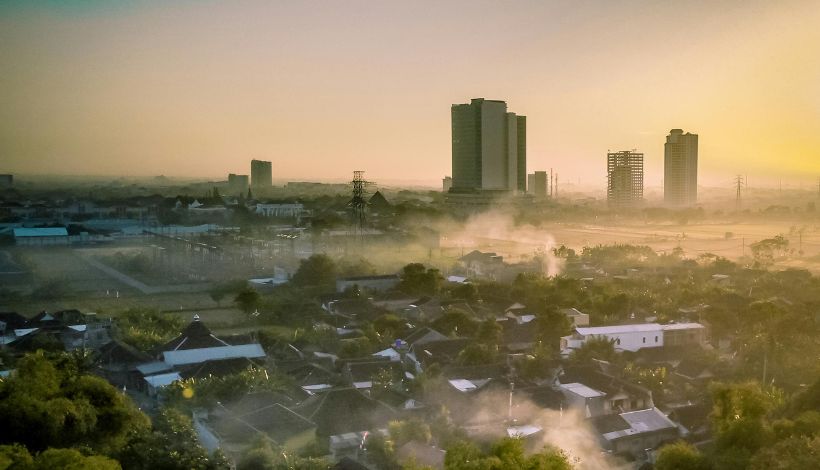
Nusantara new capital investment has become one of the most closely watched development stories in Asia. Indonesia’s decision to build a new capital city in East Kalimantan represents a major shift in national planning and economic strategy.
For decades, Jakarta has served as the political and financial center of the country. Rapid urban expansion, infrastructure pressure, and environmental challenges have encouraged policymakers to pursue a long-term solution: a new capital designed for sustainability, digital connectivity, and balanced regional growth.
Nusantara, officially known as the Ibu Kota Nusantara (IKN), aims to evolve into one of the world’s largest green cities. Global investors are increasingly assessing the opportunities associated with the project, from infrastructure and renewable energy to urban services and property development.
Why Indonesia Is Building a New Capital City
Indonesia’s new capital project addresses several structural challenges facing the country’s current administrative center.
Jakarta, home to more than 10 million residents and part of a metropolitan region exceeding 30 million people, has experienced severe congestion, land subsidence, and infrastructure strain. Government institutions concentrated in the city have further intensified these pressures.
Relocating the administrative capital provides an opportunity to redistribute development across the Indonesian archipelago. East Kalimantan offers strategic advantages, including geographic stability, lower population density, and proximity to emerging economic corridors in Southeast Asia.
Nusantara is designed to support a population of nearly two million residents in the long term while serving as the national administrative hub.
The Vision Behind Nusantara’s Sustainable Design
A Forest City Concept
Central to Nusantara new capital investment is its environmental design. Indonesian planners have adopted the “forest city” concept, aiming to integrate urban infrastructure with extensive green space.
Government planning documents indicate that approximately 70 percent of the capital region will remain forested or restored ecological land. This approach seeks to preserve biodiversity while maintaining natural water management systems.
Buildings in the city will incorporate energy-efficient technologies, smart mobility solutions, and digital infrastructure designed for future urban growth.
Renewable Energy and Smart Infrastructure
Indonesia intends to power Nusantara primarily through renewable energy sources. Solar energy, hydropower, and other sustainable technologies are expected to play major roles in the city’s electricity system.
Smart infrastructure will also support digital governance, traffic management, and urban services. High-speed connectivity and integrated public transportation networks form part of the city’s long-term design.
These initiatives align Nusantara with global trends in sustainable urban development, attracting interest from investors specializing in green infrastructure.
Investment Opportunities Emerging in Nusantara
Nusantara new capital investment spans a wide range of sectors. International companies and institutional investors are exploring projects related to infrastructure, construction, energy, and digital services.
Infrastructure and Construction
Major infrastructure works are already underway. These include government buildings, residential districts, roads, and logistics facilities connecting the capital region with nearby ports and airports.
Construction companies, engineering firms, and urban planning specialists are participating in various phases of development.
Public-private partnership frameworks allow international investors to engage in projects that include housing, commercial districts, and transport networks.
Renewable Energy and Utilities
Energy infrastructure represents another major opportunity. The government plans to integrate renewable energy systems that support long-term sustainability goals.
Companies involved in solar energy generation, energy storage, and grid technology are evaluating potential roles within the capital’s power infrastructure.
Water management systems, waste treatment facilities, and smart utilities also present investment prospects.
Digital Economy and Urban Services
As a digitally connected capital, Nusantara will require advanced technology platforms to support governance and urban management.
Technology firms specializing in artificial intelligence, data management, and urban analytics can play important roles in shaping how the city functions.
Financial services, mobility solutions, and digital payment ecosystems are expected to expand alongside population growth in the new capital.
International Interest and Strategic Partnerships
Global interest in Nusantara new capital investment has increased as development progresses. Sovereign wealth funds, infrastructure investors, and multinational corporations have explored potential involvement in the project.
Indonesia has actively engaged international partners to support the city’s development. Cooperation with Asian and Middle Eastern investors have emerged as a key component of financing strategies.
Several countries have expressed interest in contributing expertise in areas such as urban planning, environmental management, and sustainable infrastructure.
This international engagement strengthens Indonesia’s broader economic diplomacy while enhancing Nusantara’s prospects as a modern administrative and economic center.
A Catalyst for Regional Development
Beyond the capital itself, Nusantara is expected to influence economic activity across the broader region of East Kalimantan.
New transport networks, logistics hubs, and industrial zones may emerge as the city expands. Businesses relocating to the region could stimulate job creation and local investment.
Improved connectivity between the new capital and other parts of Indonesia may also encourage broader regional integration, reducing development disparities between islands.
Over time, Nusantara may evolve into a platform that supports innovation, technology development, and sustainable urban solutions for Southeast Asia.
Conclusion
Nusantara new capital investment represents one of the most ambitious urban development initiatives currently underway in the world. Indonesia’s vision combines sustainable design, advanced digital infrastructure, and long-term national planning.
As construction continues and international partnerships deepen, Nusantara will likely play an important role in shaping Indonesia’s economic trajectory over the coming decades.
For investors evaluating Southeast Asia’s evolving opportunities, Nusantara offers a glimpse into the future of sustainable cities and strategic development in the region.