FIABCI MIPIM 2026 Partnerships: Cities, Capital and Global Real Estate Cooperation
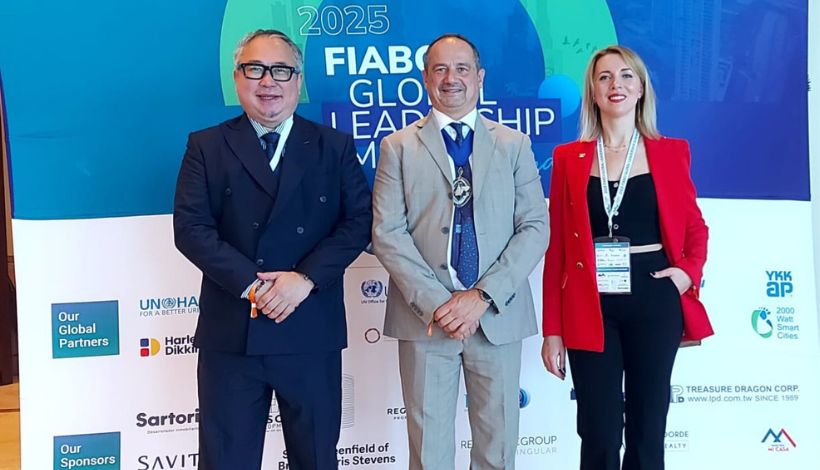
At the annual real estate gathering in Cannes, FIABCI MIPIM 2026 partnerships highlighted a growing trend in the global property sector: cities and investors increasingly work together to address housing shortages, infrastructure needs, and post-crisis reconstruction.
Held at the Palais des Festivals during MIPIM 2026, the FIABCI Pavilion hosted the RE KEY: Cannes 2026 platform, creating a structured meeting environment where international developers, city leaders, architects, and capital providers could align investment priorities with urban development strategies.
The conversations revealed a shift in how global real estate collaboration operates. Rather than focusing solely on transactions, FIABCI MIPIM 2026 partnerships emphasized long-term cooperation between governments, investors, and professional organizations.
FIABCI MIPIM 2026 Partnerships and the Rise of City Diplomacy
One of the defining features of FIABCI MIPIM 2026 partnerships involved the growing role of cities as diplomatic actors in the investment ecosystem.
Urban administrations now actively engage with international investors to secure capital for infrastructure, housing programs, and urban regeneration. Platforms like FIABCI The International Real Estate Federation facilitate these connections by creating neutral ground where both sides can discuss policy frameworks and investment opportunities.
Located near the VIP Lounge on the third floor of the Palais des Festivals, the FIABCI Pavilion functioned as a meeting hub throughout the event. Panels, curated meetings, and project presentations allowed participants to examine how global capital can support city-level development priorities.
Aligning Capital with Urban Policy
During discussions, policymakers and real estate professionals addressed a key challenge: aligning financial capital with government housing strategies.
Among the speakers was Irene Tinagli, who chairs the European Parliament’s Special Committee on the Housing Crisis in the European Union. Her remarks focused on the increasing pressure facing European cities as housing affordability becomes a central economic issue.
For FIABCI leaders, connecting policy discussions with global investors represents a critical step in translating urban planning goals into viable projects.
Antonio Campagnoli, speaking at the event, emphasized the economic dimension of housing development. According to him, housing challenges require collaboration between governments, private capital, and professional expertise.
FIABCI MIPIM 2026 Partnerships Support Reconstruction and Recovery
Another important theme of FIABCI MIPIM 2026 partnerships involved international cooperation in post-conflict reconstruction.
During the conference, the city of Lviv signed a memorandum of cooperation with FIABCI‑Ukraine, becoming an official public partner of the organization.
The agreement opens the door for Ukrainian cities to engage more deeply with global real estate networks, enabling access to expertise, planning strategies, and international investment.
Rebuilding Cities Through Global Cooperation
The reconstruction of Ukrainian cities represents one of the most complex urban development challenges in Europe today.
International cooperation plays a significant role in this process. Through FIABCI MIPIM 2026 partnerships, cities like Lviv gain visibility among global investors and developers capable of supporting large-scale rebuilding projects.
These partnerships also strengthen technical collaboration. Architects, engineers, and planning experts contribute knowledge on sustainable urban design, infrastructure planning, and housing development.
In this context, real estate platforms increasingly function as diplomatic arenas where reconstruction strategies can attract international support.
Indonesia’s Ciputra Group: A Long-Standing Partner in Global Real Estate Dialogue
International cooperation at MIPIM also reflects the contributions of long-standing industry participants.
Founded by the late Ciputra, the company played a major role in shaping Indonesia’s modern urban development landscape. From Jakarta’s large-scale residential districts to integrated city projects across Southeast Asia, the group expanded Indonesian expertise in master-planned communities and mixed-use urban design.
Indonesia’s Global Real Estate Diplomacy
The history of Ciputra Group also reflects broader geopolitical shifts in Asia’s urban growth.
During the late twentieth century, Southeast Asia experienced rapid urban expansion driven by industrialization and demographic growth. Indonesian developers became increasingly active participants in international real estate forums, where they exchanged ideas with global counterparts.
Through continued participation in events such as MIPIM, the group helped strengthen Indonesia’s presence in international property networks. Their support for industry platforms, including FIABCI initiatives, demonstrates how private developers can contribute to global professional collaboration.
Within the context of FIABCI MIPIM 2026 partnerships, such long-term engagement reinforces the importance of sustained institutional relationships.
The Strategic Importance of Global Real Estate Platforms
The scale of MIPIM 2026 highlights why global platforms remain essential for the real estate sector.
Each year, thousands of investors, developers, policymakers, and urban planners gather in Cannes to examine emerging investment trends, new technologies, and urban policy frameworks.
Events organized through FIABCI MIPIM 2026 partnerships contribute to this ecosystem by encouraging structured dialogue between cities and capital providers.
These interactions increasingly influence how global urban development evolves. Infrastructure investment, housing strategies, and city regeneration projects often begin with conversations held at such international gatherings.
As real estate markets become more interconnected, cooperation across borders becomes a strategic necessity.
Conclusion
The discussions held during FIABCI MIPIM 2026 partnerships illustrate a changing dynamic in the global real estate industry.
Cities now engage directly with investors to secure financing for housing and infrastructure projects. Professional organizations facilitate the connections needed to transform policy ambitions into investable development programs.
From European housing debates to Ukraine’s reconstruction efforts and Indonesia’s long-standing participation through Ciputra Group, the event demonstrated how international collaboration continues to shape the future of cities.
As urban populations grow and development challenges become more complex, platforms like MIPIM and FIABCI will remain central to connecting capital, expertise, and public leadership.