Building Across Borders: The Ciputra Group Legacy in Vietnam’s Real Estate Transformation
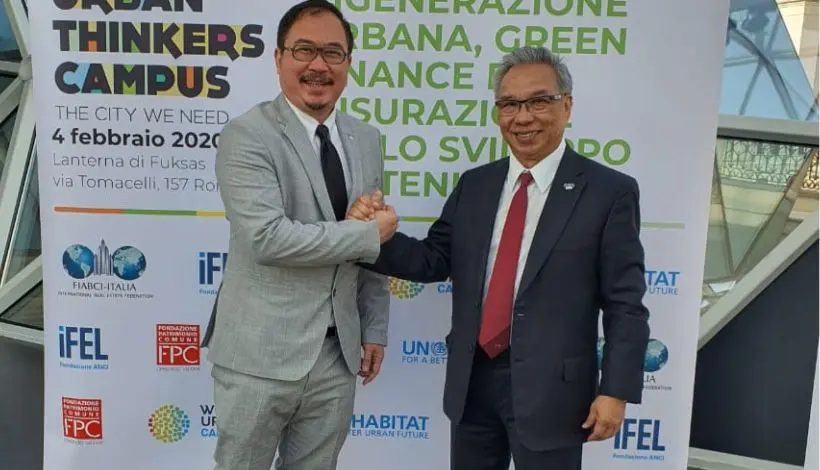
During my visit to Vietnam for the FIABCI Asia Pacific meetings in July 2026, I had the opportunity to visit the headquarters of Ciputra Group in Hanoi. While the conference brought together many of the region’s leading figures in real estate, urban planning, and investment, one visit stood out as particularly memorable.
It provided an opportunity to understand how an Indonesian company has played a meaningful role in Vietnam’s urban transformation for more than two decades.
A Legacy Built Beyond Indonesia
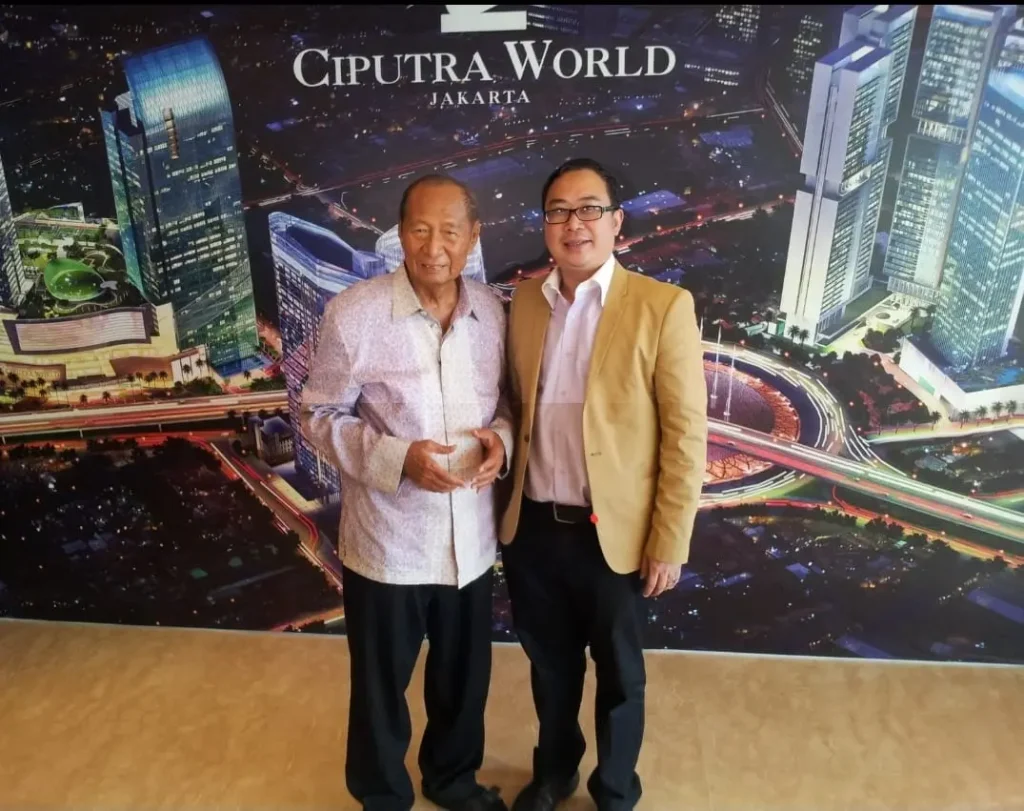
Walking through Ciputra Hanoi International City, I discovered much more than an impressive collection of residential towers and luxury villas. The township reflects a long-term vision shaped by patience, strategic partnerships, and disciplined execution.
In an industry where many developments focus on short investment cycles, Ciputra adopted a different perspective. The company invested in creating a complete urban environment designed to serve generations, proving that sustainable value grows through careful planning and consistent commitment.
A Regional Success Story with Lasting Relevance
For Indonesia, Ciputra Group‘s journey in Vietnam carries significance far beyond corporate expansion. It demonstrates how Indonesian expertise can compete internationally while contributing to the long-term development of one of Southeast Asia’s fastest-growing economies.
As Indonesia and Vietnam continue to strengthen cooperation in trade, infrastructure, and investment, Ciputra’s experience offers meaningful perspectives for developers, policymakers, and investors. More importantly, it shows how long-term vision, trusted partnerships, and consistent execution can create enduring value across borders.
The Vision of Ciputra Reaches Vietnam
Long before Vietnam emerged as one of Asia’s fastest-growing investment destinations, the late Ciputra recognized the country’s long-term potential. He saw opportunities in a market that was only beginning its economic transformation.
As one of Indonesia’s pioneering property developers, Ciputra believed successful cities should offer far more than housing. His vision combined residential neighborhoods, commercial districts, educational institutions, recreational facilities, and expansive green spaces within a carefully planned urban environment.
Building a Regional Real Estate Leader
That philosophy became the foundation of Ciputra Group, established in 1981. Over the decades, the company has grown into one of Indonesia’s largest property developers.
Today, Ciputra Group has developed more than 110 large-scale projects through a network of over 100 subsidiaries. Its business portfolio extends beyond real estate into healthcare, education, and hospitality, reflecting a comprehensive approach to community development.
Expanding Beyond Indonesia
Vietnam became one of the group’s earliest international ventures and one of its most ambitious.
Rather than pursuing smaller standalone developments, Ciputra Group focused on projects that could support Hanoi’s long-term urban growth. The strategy reflected the company’s confidence in Vietnam’s future and its commitment to creating lasting value.
A Strategic Partnership in Hanoi
To realize that vision, Ciputra Group partnered with Vietnam’s Urban Development and Infrastructure Investment Corporation (UDIC). Together, they established a joint venture to develop Ciputra Hanoi International City, which has since become one of Hanoi’s most prestigious and internationally recognized integrated townships.
The project also marked an important milestone in Indonesia-Vietnam business cooperation, demonstrating how cross-border partnerships can contribute to sustainable urban development and long-term economic growth.
Ciputra Hanoi International City: A Blueprint for Integrated Urban Development

Located between West Lake and the Red River, Ciputra Hanoi International City covers approximately 301 hectares, making it one of Vietnam’s largest integrated urban developments. Its location also connects efficiently with Hanoi’s central business district through Ring Road 2 and Ring Road 3 while remaining approximately 17 minutes from Noi Bai International Airport.
Yet its size tells only part of the story.
A City Designed for Long-Term Living
Unlike conventional housing estates, Ciputra Hanoi was planned as an integrated urban ecosystem. Residential neighborhoods coexist with international schools, commercial facilities, sports clubs, offices, landscaped parks, and community services.
Today, the township accommodates more than 7,000 residents, with approximately 30.8 percent coming from 74 different countries. Once fully completed, the community is expected to serve around 50,000 residents, reflecting the project’s long-term development strategy rather than rapid expansion.
The education ecosystem has become one of its strongest competitive advantages.
Within the township are internationally respected institutions including the United Nations International School of Hanoi, Singapore International School, Hanoi Academy International Bilingual School, KinderWorld Kindergarten, and Sunshine House Kindergarten. This concentration of educational facilities has attracted diplomats, multinational executives, and international families seeking a complete living environment.
Sustainability Before It Became a Global Trend
One of the defining characteristics of Ciputra Hanoi International City is its long-standing commitment to sustainable urban development.
Long before environmental, social, and governance (ESG) principles became a priority for global investors, the township had already integrated sustainability into its master plan.
Designed Around Green Living
The 301-hectare development dedicates approximately 77 hectares to landscaped parks, lakes, and green open spaces. This extensive green network has helped establish Ciputra Hanoi as one of the city’s pioneering environmentally conscious urban communities.
The master plan also prioritizes ecological balance. Wide green corridors, water features, and abundant tree-lined streets create a healthier living environment while enhancing the township’s visual appeal.
Creating a More Livable Community
Sustainability extends beyond green spaces.
The development incorporates pedestrian-friendly walkways, dedicated bicycle paths, controlled internal traffic speeds, and thoughtfully designed public spaces. Together, these features encourage healthier lifestyles and improve residents’ overall quality of life.
This people-first approach has remained a defining element of the township since its inception.
International Recognition for Sustainable Planning
Ciputra Hanoi’s commitment to sustainability has earned recognition from respected international organizations.
In 2019, the township received the FIABCI World Prix d’Excellence Silver Award in the Master Plan category. The award recognizes excellence in urban planning, environmental stewardship, sustainability, and community value.
The development has also secured EDGE Green Building Certification for several residential projects, reflecting its focus on energy efficiency, resource conservation, and environmentally responsible construction.
A Recognition Earned Through Long-Term Vision
For those involved in the global real estate industry, particularly within FIABCI, these achievements carry special significance.
Awards of this caliber are rarely the result of a single landmark building. Instead, they recognize decades of consistent planning, responsible development, and a clear commitment to creating communities that remain relevant and resilient over time.
That long-term perspective continues to distinguish Ciputra Hanoi International City as one of Vietnam’s most respected master-planned urban developments.
Hanoi Pullman Hotel Strengthens Ciputra Group’s Hospitality Portfolio
While Ciputra Hanoi International City remains the company’s flagship project, Ciputra Group Vietnam has also strengthened its presence in the hospitality sector.
The group developed the Pullman Hanoi Hotel, a five-star property strategically located in the capital’s diplomatic and commercial district. Operated by the internationally renowned Accor hospitality group, the hotel reflects Ciputra’s vision of creating destinations that support business, tourism, and global connectivity.
A Strategic Location for International Business
The Pullman Hanoi Hotel serves a diverse range of guests. These include corporate executives, government delegations, conference participants, and leisure travelers visiting Vietnam’s capital.
Its central location provides convenient access to government ministries, foreign embassies, business districts, and many of Hanoi’s cultural attractions. This strategic positioning has made the hotel an important part of the city’s expanding hospitality landscape.
Supporting Hanoi’s Growing Economy
For Ciputra Group, the Pullman Hanoi Hotel represents more than a standalone hospitality investment.
The hotel complements the company’s broader urban development strategy by strengthening the supporting infrastructure surrounding its real estate portfolio. High-quality accommodation plays an important role in welcoming international investors, business travellers, and multinational corporations exploring opportunities in Vietnam.
Creating Value Through Diversified Assets
Together, Ciputra Hanoi International City and the Pullman Hanoi Hotel demonstrate the value of a diversified real estate portfolio.
Residential communities, commercial facilities, and international hospitality each serve different market needs. Combined, they create an integrated ecosystem that supports economic activity, enhances urban competitiveness, and contributes to Hanoi’s long-term development.
Vietnam’s Property Market Continues to Attract Global Capital
When Ciputra Group entered Vietnam more than two decades ago, the country was still in the early stages of its economic transformation. Today, that long-term confidence has been rewarded by one of Asia’s strongest growth stories.
Vietnam has emerged as a regional leader in manufacturing, exports, foreign investment, and infrastructure development. These structural strengths continue to support sustained economic expansion.
One of Asia’s Fastest-Growing Economies
According to the General Statistics Office of Vietnam, the country’s economy grew by 7.09% in 2024. This performance positioned Vietnam among the fastest-growing major economies in Asia.
Several factors have driven this momentum. Manufacturing exports remain highly competitive, while domestic consumption continues to expand. At the same time, strong inflows of foreign direct investment have reinforced industrial growth and strengthened Vietnam’s position in global supply chains.
Foreign Investment Continues to Fuel Growth
Vietnam’s real estate sector has benefited significantly from this positive economic environment.
The country attracted more than US$38 billion in registered foreign direct investment during 2024. Manufacturing, infrastructure, logistics, and real estate remained among the most attractive sectors for international investors.
Government reforms have further improved investor confidence. Efforts to modernize land administration, refine housing regulations, and streamline investment procedures have created a more predictable business environment.
Hanoi Strengthens Its Position as an Investment Hub
Hanoi has been one of the strongest beneficiaries of these long-term economic trends.
As Vietnam’s political capital and one of its leading commercial centers, the city continues to expand its transportation infrastructure, business districts, and international services. These investments are steadily enhancing Hanoi’s competitiveness as a regional destination for business and investment.
A Growing Advantage for Integrated Communities
The city’s expansion has increased the value of well-planned urban developments such as Ciputra Hanoi International City.
Integrated communities that combine quality housing, commercial facilities, education, and green spaces are becoming increasingly important as Hanoi grows outward. Their ability to support both residents and businesses positions them as valuable assets within the capital’s long-term urban development strategy.
Continuing Ciputra’s Legacy
Every successful company eventually faces the challenge of carrying a founder’s vision into a new generation. Today, that responsibility is led by Budiarsa Sastrawinata, President Director of PT Ciputra Development Tbk, the flagship company of Ciputra Group.
Under his leadership, the group continues to uphold the late Ciputra’s philosophy of long-term planning, integrated communities, and sustainable urban development across Indonesia and Vietnam.
Building Through Strong Partnerships
Ciputra Group’s success in Vietnam has also been built on trusted local collaboration. Together with Vietnam’s Urban Development and Infrastructure Investment Corporation (UDIC), the company established the joint venture behind Ciputra Hanoi International City, combining Indonesian expertise with Vietnamese market knowledge.
A Culture That Endures
During my visit to the company’s headquarters in Hanoi, I saw how this legacy continues beyond strategy. Discipline, long-term commitment, and strong partnerships remain central to Ciputra Group‘s approach, helping create communities designed to serve generations rather than market cycles.
Lessons for Indonesia’s Next Chapter of Urban Development
Indonesia stands at an important moment in its own urban transformation.
The development of Nusantara, expanding metropolitan regions, and increasing demand for integrated communities all require developers to think beyond individual projects. Cities compete not only through iconic skylines but also through quality of life, mobility, education, environmental performance, and long-term governance.
Vietnam’s experience offers practical insights rather than a model to replicate wholesale.
Ciputra Hanoi demonstrates the importance of patient capital, strategic public-private partnerships, comprehensive master planning, and consistent execution over many years. These qualities are equally relevant for Indonesia as it seeks to strengthen urban competitiveness while attracting greater international investment.
The project also highlights the value of regional collaboration. An Indonesian developer helped shape one of Vietnam’s most recognizable international communities, illustrating how expertise can flow across borders and contribute to Southeast Asia’s shared prosperity.
RL