Japan Indonesia Investment Partnership: A Tokyo Journey Through Culture, Business and Opportunity
Introduction
The Japan Indonesia investment partnership continues to deepen through a combination of cultural understanding and strategic economic dialogue. Tokyo, with its seamless balance of tradition and modernity, offers an ideal setting for such engagement.
A recent visit to Japan provided a close perspective on how cultural encounters, urban experience, and high-level meetings collectively shape international cooperation. From historic districts and vibrant commercial centres to discussions with investors and policymakers, the journey revealed how relationships between the two countries continue to expand beyond conventional diplomacy.
In Tokyo, moments of reflection often emerge between meetings, in quiet temples, crowded intersections, or cafés hidden within elegant districts. These encounters enrich the broader dialogue surrounding the Japan Indonesia investment partnership, which increasingly spans sectors such as housing, maritime industries, and food security.
Discovering Tokyo’s Cultural Rhythm
Asakusa and the Spirit of Old Edo
The journey began aboard Tokyo’s historic Tokyo Metro Ginza Line, the city’s oldest subway route, which moves efficiently beneath the capital’s sprawling landscape. The train travelled toward Asakusa, one of Tokyo’s most historic neighbourhoods.
At the centre of the district stands Sensō-ji, the city’s oldest Buddhist temple. Lanterns swayed gently above cobblestone paths while the scent of incense mixed with roasted chestnuts from nearby vendors.
Asakusa reflects a delicate balance between commerce and spirituality. Street merchants greet visitors with respectful bows while pilgrims pause quietly in prayer. The scene evokes a familiar rhythm for visitors from Southeast Asia, where bustling cities often coexist with deep cultural traditions.
Standing before the iconic Kaminarimon Gate, the connection between Tokyo and Jakarta felt surprisingly natural. Both cities thrive on constant movement while maintaining strong cultural roots.
Modern Tokyo: Ginza’s Global Elegance
The following day shifted the atmosphere entirely. Ginza, Tokyo’s celebrated commercial district, reveals another dimension of the capital.
Boutiques, galleries, and flagship stores line immaculate streets. Among them stands Hotel Monterey Ginza, a charming boutique property with a distinctly European character. Its classical architecture contrasts with the surrounding glass towers yet blends seamlessly into Ginza’s refined landscape.
Nearby landmarks reinforce the district’s identity. Ginza Six and Tokyu Plaza Ginza represent Tokyo’s contemporary retail culture, while the historic Wako Building remains an enduring symbol of elegance.
Tucked quietly between luxury storefronts lies neighborhood locals often call “Little Rome.” Italian cafés and wine bars spill warm light onto the pavement as the aroma of espresso drifts through the evening air. Tokyo absorbs global influences with remarkable ease while preserving its own identity.
Music, Memory and Tokyo’s Nightlife
Later that evening, nostalgia surfaced unexpectedly through the music of The Checkers, a pop-rock group that shaped Japanese popular culture during the 1980s. Their melodies carried a sense of familiarity, illustrating how cultural experiences travel across generations and borders.
As night progressed, the journey continued toward Roppongi, Tokyo’s district known for creative energy and vibrant nightlife. Its lively atmosphere recalls Jakarta’s Kemang area, where cafés, music venues, and restaurants create a dynamic social scene.
Over late sushi with friends, conversations unfolded against a backdrop of neon lights and animated streets. Tokyo’s hospitality leaves a lasting impression: attentive service combined with quiet professionalism that makes visitors feel both welcomed and respected.
Business Dialogue Strengthening the Japan Indonesia Investment Partnership
Beyond cultural experiences, the visit centred on economic cooperation. Meetings with Japanese investors focused on Indonesia’s rapidly expanding sectors.
Housing development, maritime industries, and food security dominated the discussions. Indonesia’s growing urban population continues to drive demand for residential construction, while the country’s vast coastline creates opportunities for fisheries and maritime processing.
Japan remains one of Indonesia’s most significant economic partners. According to recent investment data, Japanese foreign direct investment in Indonesia exceeded USD 5.2 billion in 2025, reflecting sustained confidence in the country’s economic trajectory.
These conversations reinforced the strategic value of the Japan Indonesia investment partnership, particularly as Indonesia seeks international collaboration for infrastructure and industrial development.
Policy Dialogue and Strategic Programs
One of the most important meetings occurred with the Investment and Promotion Office of Indonesia in Tokyo. Discussions focused on several national initiatives introduced by Prabowo Subianto.
Among them is the Duo Champion Program, a policy framework designed to build three million homes while simultaneously opening three million hectares of farmland to strengthen national food security.
The dialogue also explored coastal development initiatives, especially in North Jakarta. Japan’s advanced seafood processing technologies offer valuable expertise for improving efficiency and hygiene standards in Indonesia’s fisheries sector.
Shibuya: A Symbol of Loyalty and Connection
On the final day, a walk through Tokyo concluded at Shibuya Station, one of the world’s busiest transport hubs.
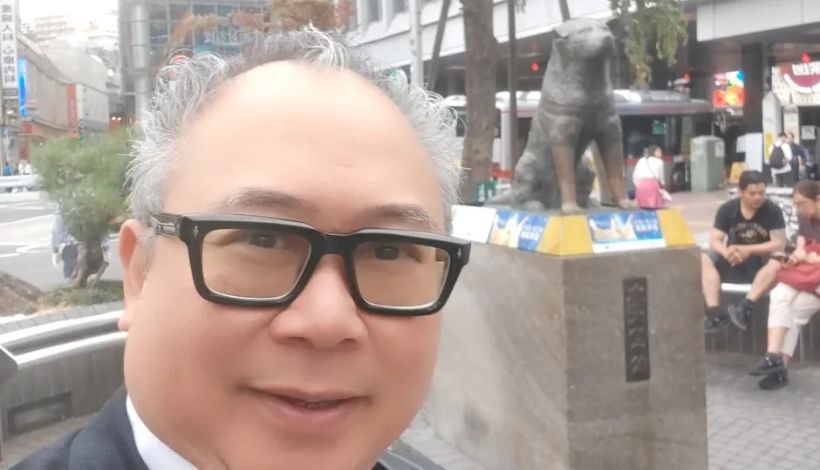
Nearby stands the beloved Hachikō statue, honouring a dog remembered for his extraordinary loyalty. For years, Hachikō waited daily at the station for his owner, even after the professor’s passing.
Visitors from around the world pause before the statue. The story resonates deeply because it reflects values admired across cultures: dedication, patience, and unwavering commitment.
Just steps away lies the famous Shibuya Crossing. Thousands of pedestrians move through the intersection every minute, creating a remarkable display of urban choreography.
In many ways, the crossing symbolises Tokyo itself orderly, energetic, and endlessly in motion.
Conclusion
The Japan Indonesia investment partnership thrives on more than economic agreements. Cultural encounters, personal dialogue, and shared experiences shape the foundation of long-term cooperation.
Tokyo illustrates how tradition and innovation can coexist gracefully. From the historic serenity of Asakusa to the electric atmosphere of Shibuya, the city offers insights that extend far beyond formal meetings.
Walking through Tokyo’s streets before the next flight, one reflection lingered: diplomacy often begins not in conference rooms, but in understanding the rhythm of a place and the people who give it life.