Indonesia Green Transition: Energy Shift and Investment Opportunities
Indonesia Green Transition: A Strategic Shift
The Indonesia green transition is no longer a distant policy ambition it is an unfolding economic transformation with global implications. As climate commitments intensify and capital increasingly flows toward sustainable assets, Indonesia is repositioning itself at the intersection of resource advantage and green industrialization.
This transition is inherently complex. Indonesia remains one of the world’s largest coal producers and exporters, yet it is also among the most strategically positioned nations to benefit from the global shift toward clean energy. The defining challenge and opportunity lies in balancing economic growth, energy security, and environmental sustainability.
By 2026 and beyond, the Indonesia green transition is expected to evolve from policy direction into tangible industrial and investment outcomes, reshaping sectors from energy to manufacturing.
A Resource Advantage in the Global Energy Transition
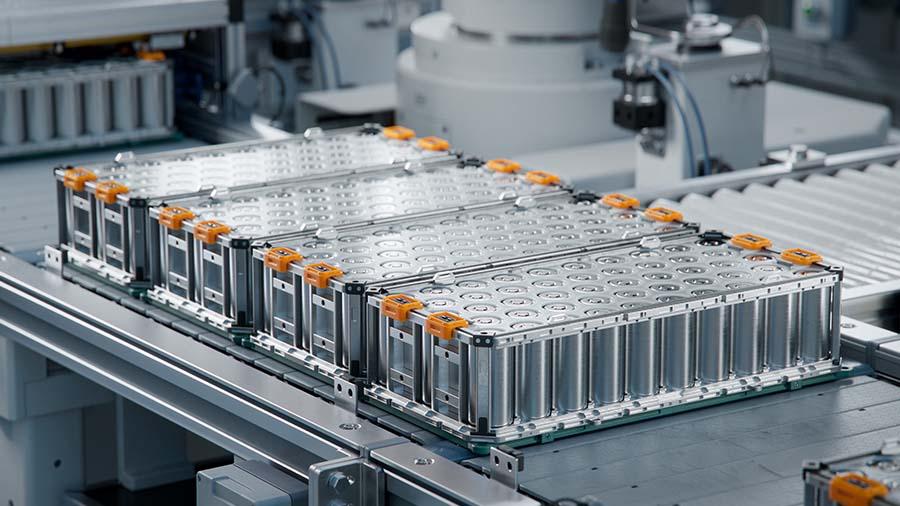
Indonesia’s role in the green economy begins with its natural resources. The country holds the largest nickel reserves in the world, estimated at more than 20% of global supply. Nickel is a critical component in lithium-ion batteries, making it indispensable to the electric vehicle (EV) revolution.
In recent years, Indonesia has fundamentally altered its resource strategy. Rather than exporting raw materials, it has implemented policies to encourage domestic processing and downstream industries. This includes export restrictions on unprocessed nickel ore and incentives for building smelters and battery manufacturing facilities.
The impact has been immediate. Indonesia now accounts for over 50% of global nickel production, positioning itself as a central node in the global EV supply chain. Investments from international players particularly from East Asia have accelerated the development of industrial parks dedicated to battery materials and electric mobility.
Beyond nickel, Indonesia is also a significant producer of:
- Bauxite (used in aluminum production)
- Copper (essential for electrification)
- Geothermal resources (one of the largest reserves globally)
This resource base provides a unique foundation for the Indonesia green transition one that few countries can replicate.
Electric Vehicle Ecosystem: Building an Integrated Supply Chain
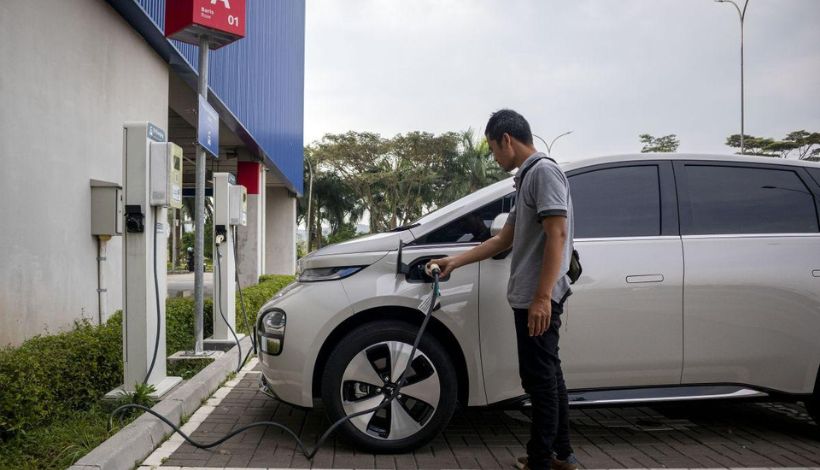
A defining pillar of the Indonesia green transition is the development of a fully integrated electric vehicle ecosystem. The government’s ambition is not limited to supplying raw materials; it extends to capturing value across the entire supply chain from mining to battery production to vehicle manufacturing.
Key milestones include:
- The establishment of large-scale nickel smelters and refining facilities
- Partnerships with global battery manufacturers
- The development of domestic EV production capabilities
Indonesia aims to become a regional hub for EV manufacturing, leveraging its resource advantage to attract long-term investment. By the mid-2020s, the government has set targets to produce hundreds of thousands of electric vehicles annually, supported by incentives for both producers and consumers.
Domestic adoption is also gaining momentum. Subsidy programs and regulatory support are encouraging the uptake of electric motorcycles and cars, particularly in urban areas where pollution reduction is a priority.
The broader implication is clear: Indonesia is positioning itself not just as a supplier, but as a strategic player in the global EV ecosystem.
Renewable Energy: Expanding the Energy Mix Indonesia Green Transition
While fossil fuels still dominate Indonesia’s energy mix accounting for more than 80% of total energy consumption renewable energy is steadily gaining ground.
Indonesia has set a target to increase the share of renewables to 23% of the energy mix, with longer-term ambitions extending beyond that. Achieving this goal requires significant investment across multiple sectors.
Geothermal Energy
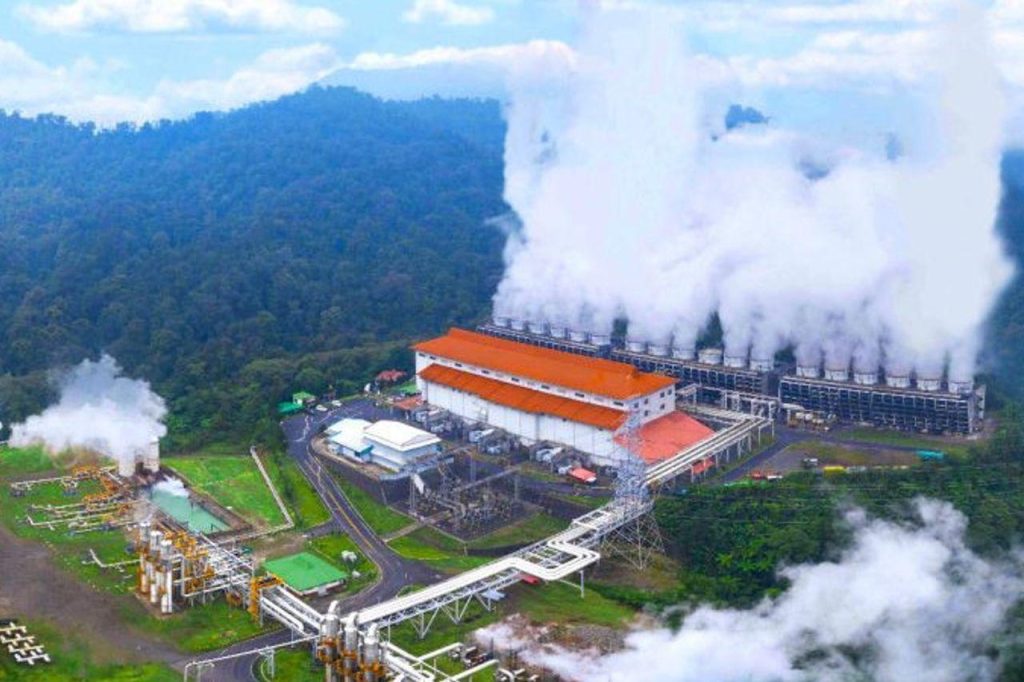
Indonesia possesses approximately 40% of the world’s geothermal resources, making it one of the most promising markets for geothermal development. Several large-scale projects are already operational, with additional capacity under development.
Solar Power
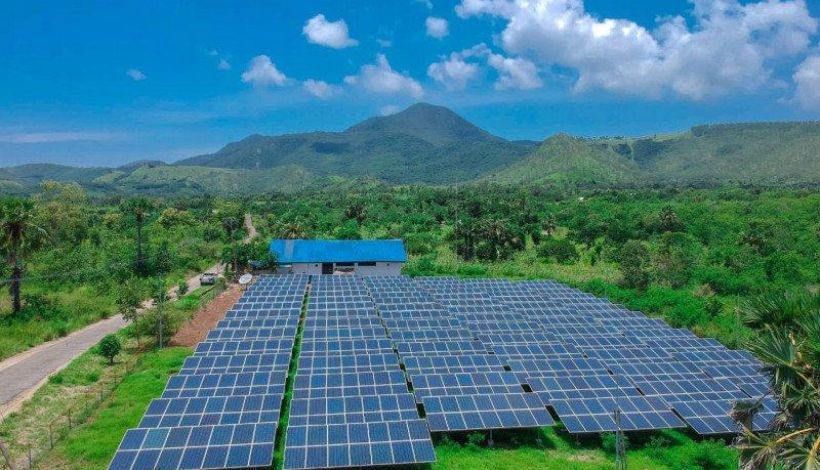
Solar energy is emerging as a key growth area, particularly in regions with high irradiation levels. The declining cost of solar technology is making it increasingly competitive with traditional energy sources.
Hydropower
Large-scale hydropower projects, particularly in Kalimantan and Papua, are contributing to renewable capacity expansion.
Wind Energy
Although still relatively small, wind energy projects are beginning to gain traction in selected regions.
Investment in renewable energy is not only an environmental imperative but also an economic opportunity. Estimates suggest that Indonesia will require over $150 billion in clean energy investment by 2030 to meet its targets.
Carbon Markets: Emerging Financial Instruments
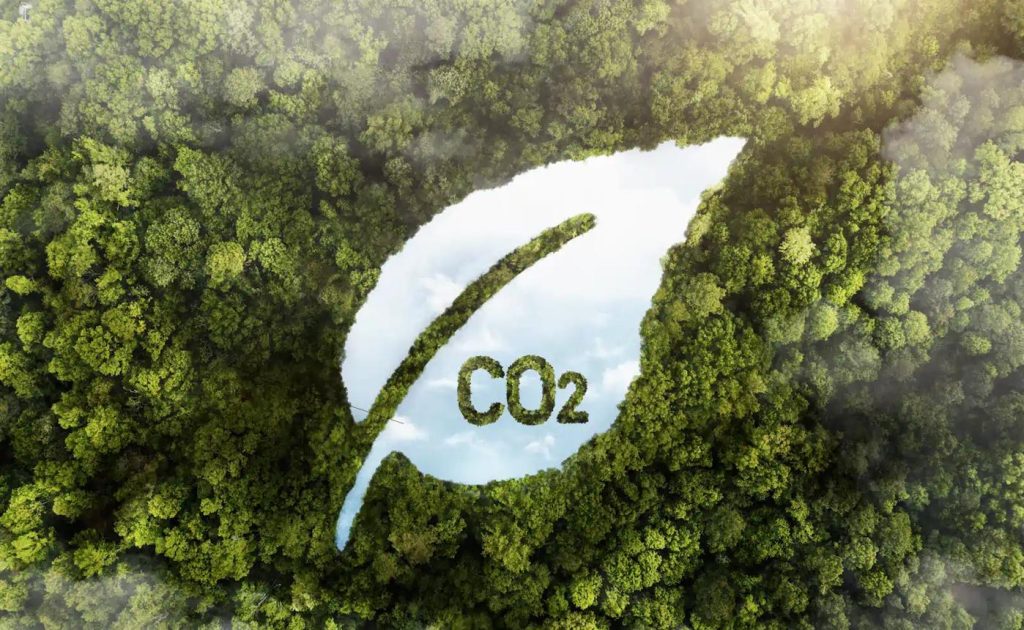
Another critical dimension of the Indonesia green transition is the development of carbon markets. As global demand for carbon offsets and emissions trading grows, Indonesia is seeking to leverage its vast natural assets including forests and peatlands.
The country has begun establishing frameworks for:
- Carbon trading systems
- Carbon pricing mechanisms
- Voluntary carbon markets
These initiatives create new financial instruments that can attract both domestic and international investors. Indonesia’s extensive forest cover positions it as a potentially significant supplier of nature-based carbon credits.
If implemented effectively, carbon markets could become a multi-billion-dollar industry, supporting conservation efforts while generating economic value.
Policy Support: Driving the Transition Forward
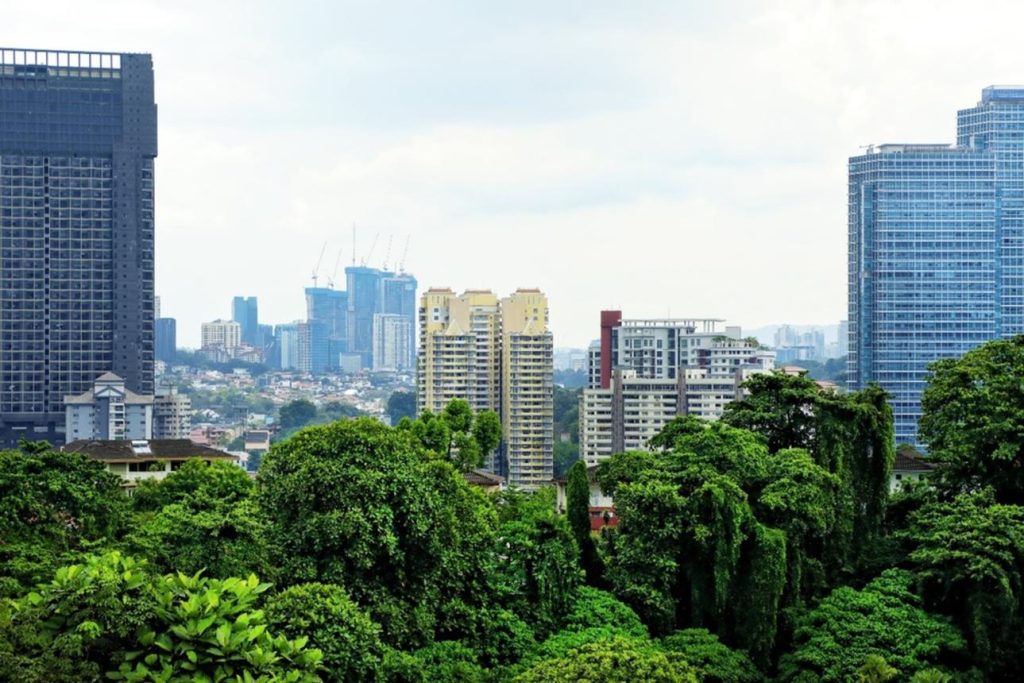
Government policy is a central driver of the Indonesia green transition. A range of initiatives has been introduced to accelerate investment and adoption.
Key measures include:
- Tax incentives for renewable energy projects
- Subsidies for electric vehicles
- Regulatory frameworks for carbon trading
- Public-private partnerships in infrastructure development
Institutions such as Indonesia Investment Authority (INA) play a pivotal role in mobilizing capital. By co-investing with global partners, INA helps de-risk large-scale projects and attract long-term funding.
At the same time, Indonesia has committed to achieving net-zero emissions by 2060, aligning its national strategy with global climate goals.
Capital Flows into Green Sectors Indonesia Green Transition
The Indonesia green transition is attracting increasing attention from global investors. Capital flows are directed toward several key areas:
- Renewable energy projects (solar, geothermal, hydropower)
- EV supply chain infrastructure
- Green industrial parks
- Carbon offset and environmental assets
International financial institutions, sovereign wealth funds, and private investors are all participating in this ecosystem. The Just Energy Transition Partnership (JETP), for instance, has pledged $20 billion to support Indonesia’s shift away from coal and toward cleaner energy.
This influx of capital reflects growing confidence in Indonesia’s ability to execute its green transition strategy.
Challenges: Navigating a Complex Transition
Despite its strong potential, the Indonesia green transition faces several structural challenges.
Dependence on Fossil Fuels
Coal remains a dominant energy source, both for domestic consumption and export revenue. Transitioning away from coal requires careful economic management.
Infrastructure Readiness
Renewable energy projects often require significant upgrades to grid infrastructure and storage capacity.
Regulatory Complexity
As with many emerging markets, regulatory processes can vary across regions, creating uncertainty for investors.
Balancing Growth and Sustainability
Indonesia must ensure that its green transition does not compromise economic growth or social stability.
Addressing these challenges will require coordinated efforts across government, industry, and international partners.
Global Positioning: A Leader in Emerging Market Sustainability
Indonesia’s green transition is not occurring in isolation. It is part of a broader shift among emerging markets toward sustainable development.
What sets Indonesia apart is its combination of scale, resources, and policy ambition. Few countries can simultaneously:
- Supply critical minerals for the global energy transition
- Develop domestic renewable energy capacity
- Build integrated green industrial ecosystems
This positions Indonesia as a potential leader in sustainable development within the Global South, with influence extending beyond ASEAN.
Future Outlook: From Transition to Transformation
Looking ahead, the Indonesia green transition is expected to accelerate, driven by both domestic priorities and global pressures.
Key trends to watch include:
- Rapid expansion of EV production and adoption
- Increased investment in renewable energy infrastructure
- Growth of carbon markets and green finance
- Greater integration of sustainability into industrial policy
By 2030, Indonesia could emerge as one of the most important players in the global green economy not only as a supplier of resources but as a hub for sustainable industry and innovation.
A Defining Decade for Sustainability Indonesia Green Transition
The Indonesia green transition represents one of the most significant economic transformations in the country’s modern history. It is a journey marked by complexity, requiring careful navigation of competing priorities.
Indonesia is moving toward a future where sustainability is not just an environmental objective, but a core driver of economic growth and competitiveness. For investors, this transition offers substantial opportunities provided they understand the nuances of the market.
As the global economy continues to decarbonize, Indonesia’s role will only become more central. The coming decade will determine whether the country can fully realize its potential as a leader in the green economy and a model for other emerging markets to follow.