Perugia: Italy’s Hidden Gem Where History Meets Football Passion
How Perugia Football Culture Strengthens Tourism, Community Identity and Regional Growth
While Milan, Turin, Rome, and Naples dominate discussions about Italian football, another city quietly offers one of the country’s most fascinating intersections of sport, history, education, and civic pride.
Perugia, the capital of Umbria, stands high above the Tiber Valley, where medieval architecture, academic excellence, and football tradition combine to create a distinctive urban identity.
For international visitors, Perugia often arrives as a pleasant surprise. Meanwhile, for football enthusiasts, it provides a deeper lesson about how sport can influence economic development, tourism, and community cohesion.
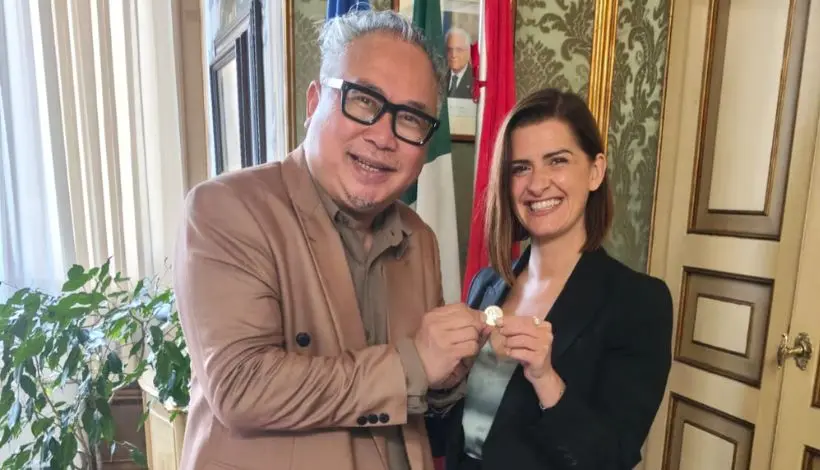
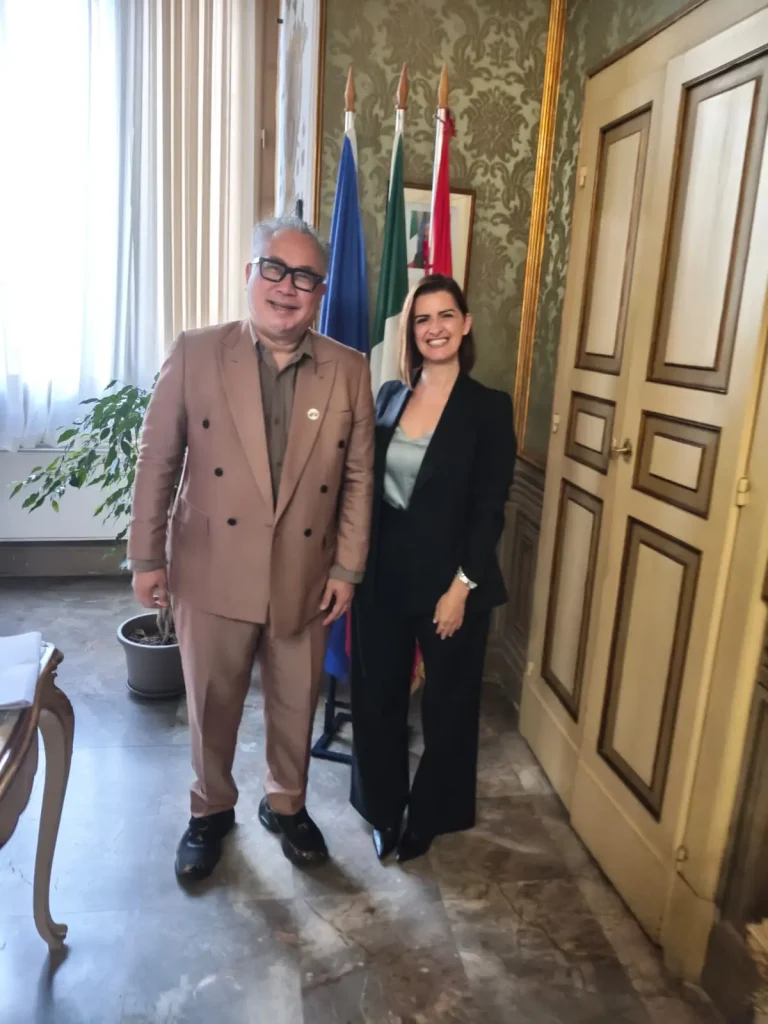
The city’s warm hospitality was evident during the recent visit of Rusmin Lawin, who received a gracious welcome from Mayor Vittoria Ferdinandi. As a result, the encounter reflected the openness and civic spirit that have long characterized Perugia.
Moreover, as global attention increasingly shifts toward authentic destinations beyond Italy’s traditional tourism centers, Perugia football culture offers a compelling example of how cities can leverage heritage and sport to strengthen their international profile.
The Medieval Heart of Umbria
A City Shaped by More Than Two Millennia of History
Perugia traces its origins back more than 2,300 years to the Etruscan civilization. Consequently, it remains one of Italy’s best-preserved historic cities.
Unlike many major tourist destinations, Perugia offers visitors an immersive experience where history remains deeply integrated into everyday life.
Piazza IV Novembre: The City’s Living Room
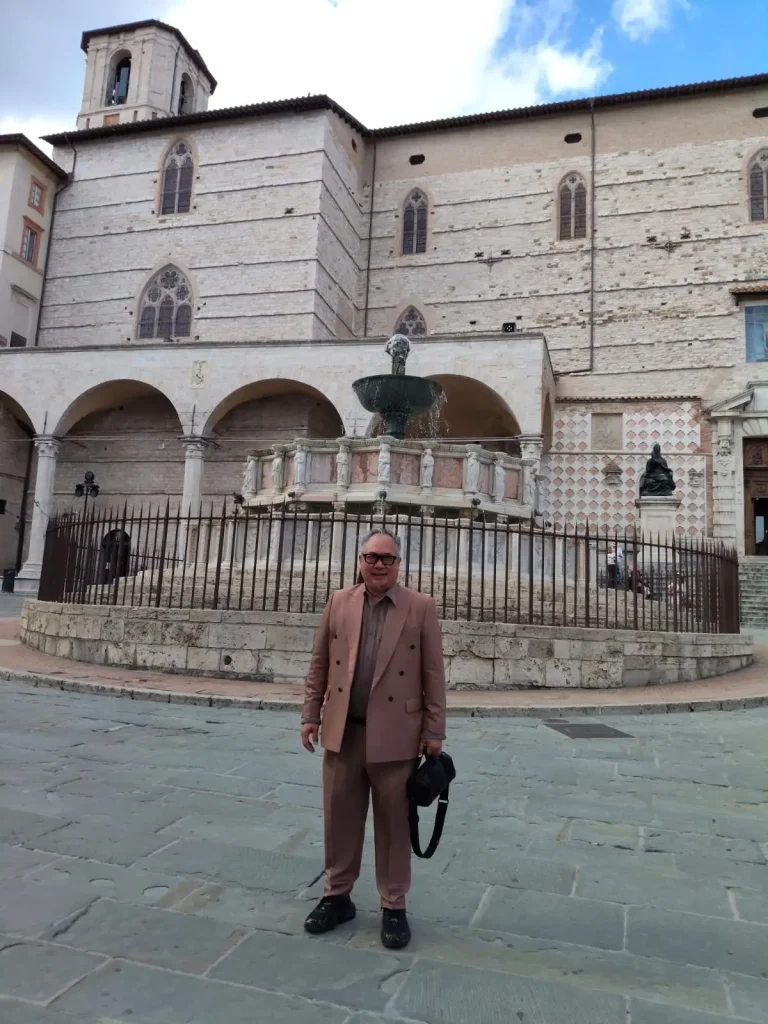
At the center of the city lies Piazza IV Novembre, arguably one of the most beautiful public squares in central Italy.
Here, visitors encounter the Fontana Maggiore, the Palazzo dei Priori, and the Cathedral of San Lorenzo. Together, these landmarks showcase centuries of architectural and artistic achievement.
Furthermore, the square functions as a gathering point where residents, students, and visitors naturally converge throughout the day.
Culture Beyond Architecture
Perugia’s appeal extends well beyond its buildings.
Every year, the city hosts internationally recognized events such as the Umbria Jazz Festival and the International Journalism Festival. Consequently, thousands of visitors travel to Perugia, generating economic activity while strengthening the city’s international reputation.
Today, with approximately 162,000 residents, Perugia balances the sophistication of a regional capital with the accessibility and charm of a smaller city.
Perugia Football Culture and Civic Identity

Football as a Symbol of Local Pride
Football occupies a distinctive place within Perugia’s social fabric.
Unlike clubs in larger metropolitan areas, Perugia’s football identity remains closely connected to the local community. Supporters view the club as a reflection of the city’s values, resilience, ambition, and independent spirit.
As a result, football functions as more than entertainment. It becomes a shared cultural experience that connects generations and neighborhoods.
How Football Strengthens Community Bonds
Across Europe, football clubs often serve as cultural institutions.
Perugia follows the same pattern. Local businesses, schools, families, and civic organizations frequently rally around the club during important moments.
Therefore, football contributes to social cohesion while simultaneously strengthening community identity.
A Powerful Tool for City Branding
Increasingly, cities compete for tourists, talent, and investment.
In this environment, football provides a powerful branding platform. Every match, media appearance, and sporting achievement helps increase visibility beyond regional borders.
Consequently, Perugia football culture contributes directly to the city’s broader economic and promotional objectives.
A University City with Global Reach
Academic Excellence at the Core
One of the defining characteristics of Perugia football culture is its connection to higher education.
The city hosts the historic University of Perugia, founded in 1308, alongside the University for Foreigners of Perugia, one of Italy’s leading institutions dedicated to international education.
Together, these institutions have helped transform Perugia into one of Italy’s most international small cities.
International Students Shape the Urban Economy
According to Italy’s Ministry of University and Research, the University of Perugia enrolled more than 29,500 students during the 2024-2025 academic year.
Additionally, over 1,400 international students attended the university.
Meanwhile, the University for Foreigners enrolled more than 1,000 students, with international learners accounting for more than half of the student population. As a result, students contribute significantly to housing demand, local spending, and cultural diversity.
Where Education and Community Intersect
The influence of international education extends beyond classrooms.
Students support restaurants, cafés, transportation services, retail businesses, and cultural venues. Furthermore, they help create the vibrant atmosphere that distinguishes Perugia from many similarly sized European cities.
Tourism and Sport Drive Regional Growth
Umbria’s Rising International Profile
Tourism across Umbria has gained considerable momentum in recent years.
Regional statistics show that Umbria welcomed approximately 1.72 million visitors and recorded more than 3.7 million overnight stays in 2025.
Notably, international arrivals increased by nearly 27 percent. Therefore, global travelers are increasingly discovering destinations beyond Italy’s traditional tourism hotspots.
Why Visitors Are Choosing Perugia
Several factors contribute to Perugia’s growing appeal.
First, the city offers exceptional cultural heritage. Second, it provides easier access and lower visitor density compared with larger Italian destinations. Third, visitors increasingly seek authentic experiences connected to local traditions, food, culture, and sport.
Consequently, Perugia has emerged as one of Umbria’s strongest tourism assets.
The Economic Impact of Football
Football strengthens this momentum. Supporters traveling to matches spend money on accommodation, restaurants, transportation, retail purchases, and entertainment.
Therefore, football generates economic activity throughout the city while creating recurring tourism demand across the calendar year.
Leadership, Hospitality and International Connections
A Warm Welcome Reflecting Perugia’s Character
Cities increasingly compete for international attention. Consequently, leadership plays an important role in shaping perceptions. Mayor Vittoria Ferdinandi has emphasized civic participation, community engagement, and openness since assuming office.
The warm reception extended to international guests, including Rusmin Lawin, reflects these values while reinforcing Perugia’s reputation as a welcoming city.
Building Relationships Beyond Borders
Such interactions may appear ceremonial. However, they contribute meaningfully to international visibility.
In today’s interconnected economy, personal relationships often become the foundation for future collaborations involving tourism, business, education, and cultural exchange.
As a result, hospitality itself becomes a strategic asset.
Why Perugia Deserves Greater Global Recognition
Authenticity as a Competitive Advantage
Many cities attempt to create unique identities. Perugia already possesses one. Its medieval streets remain vibrant with students, entrepreneurs, artists, academics, football supporters, and visitors.
Meanwhile, its football culture remains deeply rooted in community identity.
Lessons for Cities Worldwide
Perugia demonstrates how heritage, education, tourism, and sport can reinforce one another. Rather than relying on a single economic driver, the city benefits from multiple interconnected strengths.
Consequently, it offers valuable lessons for policymakers, investors, tourism leaders, and sports organizations.
Golden Takeways
As global travelers continue seeking authentic experiences, Perugia appears well positioned for sustained growth.
Its history provides depth. Its universities provide international reach. Its football culture provides emotional connection. Together, these assets help explain why Perugia stands among Italy’s most compelling yet underappreciated destinations.
Perugia football culture reveals how a city can transform heritage, education, and sport into lasting economic and social value. While larger cities often capture global headlines, Perugia demonstrates that influence does not depend solely on size.
Instead, it emerges from identity, community, and a willingness to embrace both tradition and opportunity. In doing so, this remarkable Umbrian city offers a model for sustainable urban development and a destination increasingly worthy of international attention.
GM