

Bulgaria Rose Oil Meets Indonesia’s Beauty Market
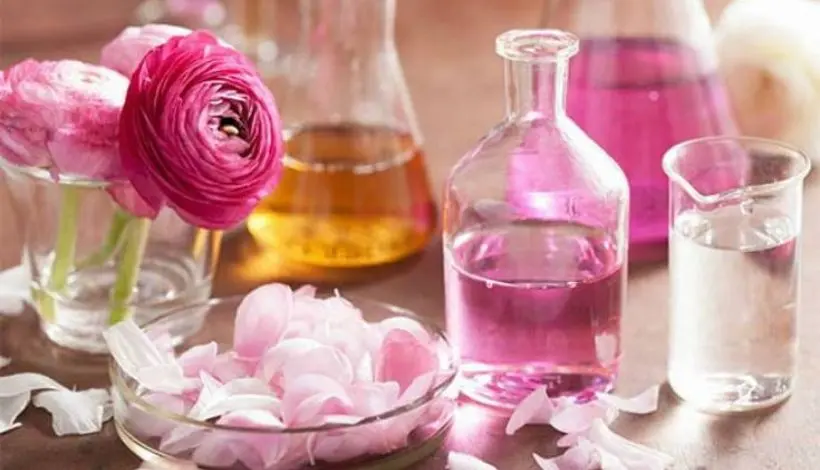
From Bulgaria’s Rose Valley to Indonesia’s rapidly expanding beauty economy, two distinctive natural-ingredient traditions are beginning to look like pieces of the same commercial puzzle. Bulgaria rose oil and Indonesia’s beauty market bring together premium essential oils, botanical resources, traditional knowledge and increasingly sophisticated consumer demand.
The opportunity reaches well beyond luxury cosmetics. Rose and lavender oils can support fragrances, skincare, aromatherapy and wellness products, while Indonesia’s biodiversity and long-established herbal traditions open possibilities in nutraceuticals, pharmaceuticals and natural-ingredient research.
For Bulgarian producers, Indonesia offers access to one of Asia’s most dynamic consumer markets. For Indonesian manufacturers, Bulgaria offers specialist ingredients, European quality credentials and a route into higher-value natural formulations.
The commercial question, therefore, is no longer whether these ecosystems can meet. It is how deliberately they can be connected.
Bulgaria Rose Oil, Lavender and Indonesia’s Beauty Market: From Heritage to High-Value Ingredients
Rose: Bulgaria’s Fragrant Heritage
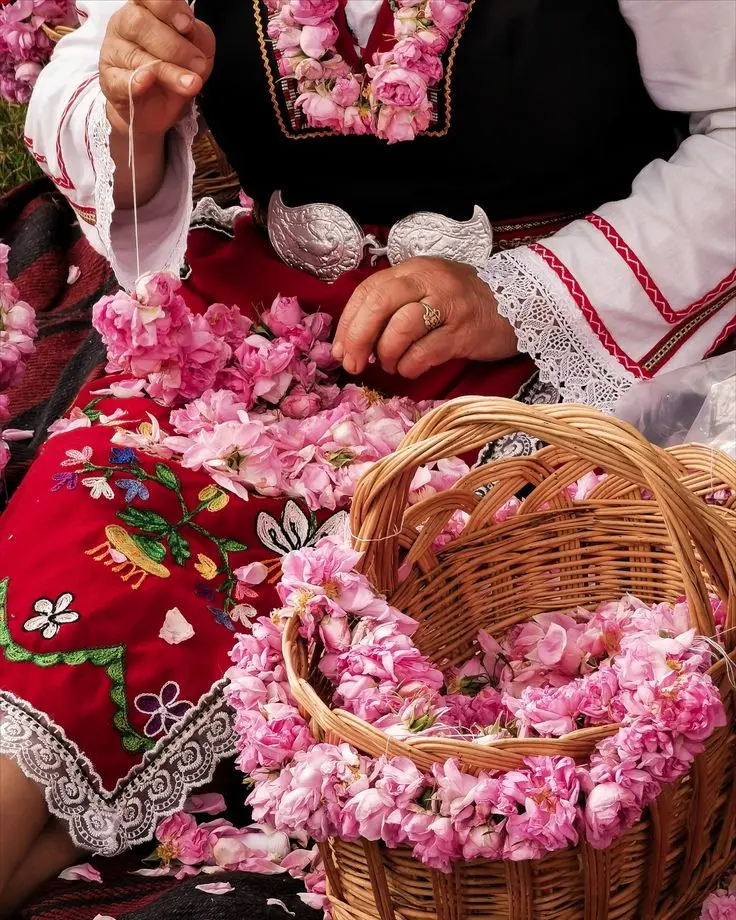
Bulgaria has spent centuries refining the cultivation and distillation of aromatic plants. The country’s Rose Valley, or Rozovata Dolina, has produced Damask rose oil for more than 300 years, with accumulated expertise extending from cultivation and seed development to distillation and quality control. The European Union recognises “Bulgarsko rozovo maslo” as a Protected Geographical Indication (PGI), protecting the identity and specifications of Bulgarian rose oil.
That heritage has a measurable industrial base.
In 2024, Bulgaria cultivated oil-bearing roses across 5,623 hectares and produced 10,335 tonnes of rose flowers. The country had 73 rose processors and 53 distilleries, with annual processing capacity exceeding 15,000 tonnes of rose flowers. Bulgarian rose oil reached more than 30 third-country markets, including the United States, China, Australia, Japan, India and the United Kingdom. Export prices reported by Bulgaria’s Ministry of Agriculture ranged from approximately US$9,500 to US$16,050 per kilogram, depending on whether the oil was conventional or organic.
The figures also illustrate why moving further up the value chain matters. In 2025, Bulgaria recorded 6,607 tonnes of rose flowers and processed 5,538 tonnes, while 744 kilograms of rose oil were exported to major international markets.
Lavender: Bulgaria’s Purple Gold

If the rose represents Bulgaria’s most celebrated fragrance heritage, lavender has emerged as another major pillar of its aromatic-ingredient economy.
Bulgaria has become internationally associated with lavender cultivation and essential-oil production, supported by suitable climatic conditions, established agricultural expertise and a developed distillation ecosystem. The scale is significant: according to Bulgaria’s Ministry of Agriculture, 10,246 hectares of lavender were harvested in 2024, producing 32,298 tonnes of fresh lavender flowers.
That makes lavender, by cultivated area and production volume, a substantial agricultural platform alongside Bulgaria’s iconic rose sector. The country’s experience in growing, harvesting and distilling aromatic plants creates capabilities that extend beyond farming into essential oils, fragrances, cosmetics and personal-care ingredients.
Lavender also demonstrates an important characteristic of Bulgaria’s ingredient economy: the value lies not simply in the flower, but in the ability to transform agricultural output into specialised, traceable and internationally marketable ingredients.
The contrast between the two crops is particularly compelling. Rose oil commands exceptional value because of its concentration, heritage and scarcity, while lavender offers greater scale and broader volume potential. Together, they create a complementary platform one rooted in premium heritage, the other in industrial-scale aromatic production.
From Bulgarian Fields to Indonesia’s Beauty Shelves
These capabilities give Bulgarian suppliers something more valuable than raw agricultural output: specialised ingredients with established international recognition.
For Indonesia, that creates an interesting opportunity. Its rapidly evolving beauty and personal-care market is increasingly receptive to ingredients that combine proven origin, sensory appeal, natural positioning and premium quality.
The potential connection is therefore not simply about exporting rose oil or lavender oil. It is about connecting Bulgaria’s ingredient heritage and production expertise with Indonesia’s expanding ecosystem of beauty brands, formulators and consumers.
From the Rose Valley to Indonesia’s beauty shelves, the opportunity is to move one step further up the value chain: from flowers to ingredients, from ingredients to formulations, and from formulations to high-value beauty products.
Why Indonesian Beauty Demand Changes the Equation
Indonesia offers a markedly different advantage: scale.
The country’s cosmetics industry has expanded rapidly, supported by a growing domestic consumer base, local brands and rising interest in products built around natural and culturally distinctive ingredients. Indonesia’s Ministry of Industry reported that the national cosmetics market reached approximately USD 9.2 billion in 2024, while the number of cosmetics businesses rose from 1,292 in 2024 to more than 1,500 by the end of 2025. Around 90% of these businesses were small and medium-sized enterprises.
The industry continued expanding into 2026. According to the Ministry of Industry, Indonesia had approximately 1,655 cosmetics businesses by July 2026, with more than 87% classified as small and medium-sized enterprises. More than 354,000 cosmetic products had been registered with the national regulator, BPOM, by June 2026.
That combination creates an unusually broad commercial landscape. A Bulgarian rose-oil producer entering Indonesia does not have to compete solely for shelf space with international luxury brands. It can work with Indonesian manufacturers, formulation houses, wellness companies and emerging local brands to develop products specifically for Asian consumers. That distinction could prove decisive.
From Rose Oil to a Broader Natural-Ingredient Ecosystem
The strongest opportunity may sit outside conventional beauty.
Indonesia has deep experience with botanical ingredients and traditional herbal preparations. The country’s Ministry of Industry identifies natural-based pharmaceuticals and traditional medicines as a priority area for industrial development. Indonesia’s traditional medicine ecosystem includes approximately 17,000 jamu products, 79 standardised herbal medicines and 22 phytopharmaceutical products. Jamu itself was added to UNESCO’s Intangible Cultural Heritage list in December 2023.
This creates an intriguing point of convergence. Bulgaria has expertise in extracting value from aromatic plants. Indonesia has extensive botanical resources, traditional knowledge and manufacturing capabilities across cosmetics and herbal products. Rather than treating those strengths as separate supply chains, companies could combine them into a more sophisticated ingredient ecosystem.
Imagine a Bulgarian producer supplying certified rose or lavender ingredients to an Indonesian formulation partner. The Indonesian company could then develop a skincare, aromatherapy, wellness or personal-care line designed for Southeast Asian consumers. The relationship could subsequently move in the opposite direction.
Indonesian botanical ingredients could enter Bulgarian or wider European formulation networks, creating products that combine Southeast Asian plant knowledge with European processing, formulation and market positioning. That is where the strategic value begins to extend beyond bilateral trade.
Joint Product Development Could Create the Real Value
The most compelling model is unlikely to be simple ingredient trading. Joint product development offers greater potential.
Cosmetics and Premium Skincare
Rose oil has long occupied a premium position in fragrance and skincare, while lavender supports applications ranging from personal care to aromatherapy. Indonesian manufacturers could use these ingredients in locally developed formulations designed around tropical climates, Asian skin-care preferences and the growing demand for premium natural products.
The commercial model could include co-branded products, contract manufacturing, private-label collections and exclusive ingredient partnerships.
Wellness and Aromatherapy
The global shift toward wellness creates another opening.
Rose and lavender oils can become components in essential-oil blends, spa products, home fragrances and wellness formulations. Indonesia’s established tourism and hospitality industries add another potential distribution channel, particularly through resorts, spas and wellness destinations.
Bali, in particular, provides an environment where premium botanical products can meet international visitors and an increasingly sophisticated domestic market.
Nutraceuticals and Pharmaceuticals
The longer-term opportunity becomes more technically demanding in nutraceuticals and pharmaceuticals.
Here, partnerships would require rigorous scientific validation, regulatory compliance, formulation expertise and quality assurance. Yet Indonesia’s policy emphasis on natural-based medicines provides an institutional foundation for further development. The country’s traditional medicine industry exported USD 6.9 million worth of products in 2024, while cosmetics exports reached USD 410.7 million.
Those numbers remain modest compared with the size of the broader consumer economy, which also indicates room for expansion.
The Manufacturing Opportunity Behind the Ingredients
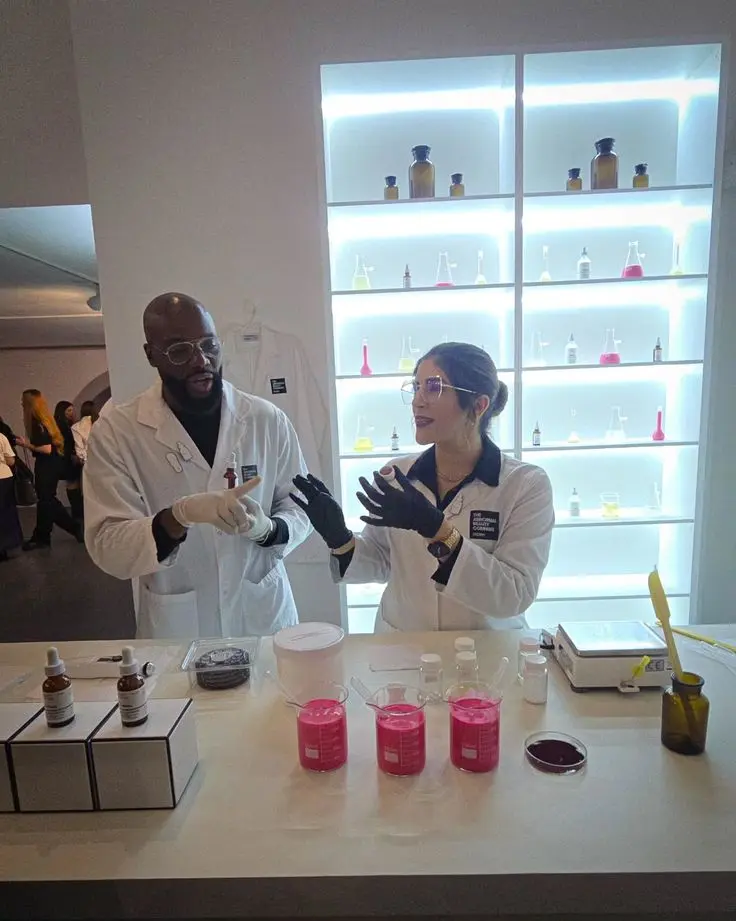
A successful Bulgaria–Indonesia partnership could therefore develop through several layers.
At the first level, Indonesian companies could source Bulgarian rose and lavender oils.
At the second, both sides could establish joint formulation and product-development programmes.
At the third, Indonesian manufacturers could produce finished goods for domestic consumption and wider ASEAN distribution.
Finally, successful formulations could potentially return to European markets through Bulgarian partners, creating a two-way commercial corridor.
Private-label manufacturing could accelerate this process. Indonesian producers already have the manufacturing ecosystem and domestic market knowledge required to scale consumer products, while Bulgarian suppliers can contribute specialised ingredients and European provenance.
The result would be a more integrated value chain, with value captured at multiple stages rather than concentrated in the export of raw materials.
Why Timing Matters for Bulgaria and Indonesia
Indonesia’s wider economy provides additional momentum. The country’s GDP expanded 5.11% in 2025, according to Statistics Indonesia, while exports of goods and services grew 7.03% during the year.
At the same time, the cosmetics sector continues to attract new entrepreneurs and manufacturers. The Ministry of Industry estimates that more than 85% of businesses across cosmetics and traditional medicines are small and medium-sized enterprises, while traditional medicine is projected to grow at approximately 7.1% annually over 2024–2033.
For Bulgarian companies, this means Indonesia can serve as more than an export destination. It can become a manufacturing, formulation and regional expansion partner.
For Indonesian companies, Bulgarian ingredients can strengthen product differentiation at a time when consumers increasingly scrutinise provenance, natural composition and perceived quality. The commercial logic becomes stronger when both sides contribute something distinctive.
Building a New Product Ecosystem
The opportunity, however, requires discipline.
Natural ingredients alone do not create successful products. Companies must address traceability, formulation stability, regulatory approvals, intellectual property, certification, quality standards and consumer positioning from the outset.
For Bulgarian producers, protecting the provenance and quality associated with Bulgarian rose oil remains essential. For Indonesian partners, formulation and manufacturing must meet the relevant Indonesian and export-market requirements.
The most promising partnerships will therefore involve more than buyers and sellers. They will connect ingredient producers, researchers, manufacturers, brands, distributors and investors around a shared product-development strategy. That approach can transform a traditional commodity relationship into a scalable innovation model.
From the Rose Valley to Southeast Asia
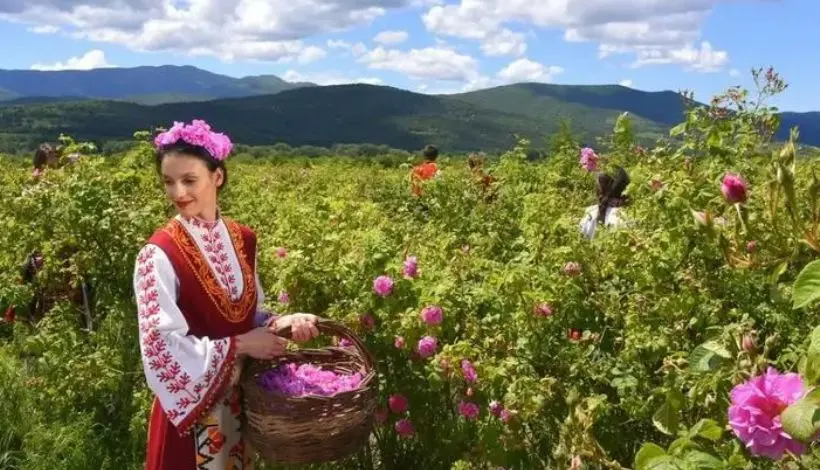
The story connecting Bulgaria’s Rose Valley with Indonesia’s beauty and wellness economy begins with two natural advantages: Bulgaria’s mastery of aromatic ingredients and Indonesia’s extraordinary botanical diversity and consumer scale.
Yet the larger opportunity lies in what happens after the ingredients meet. Rose and lavender can become formulations. Formulations can become brands. Brands can become manufacturing platforms. And those platforms can reach consumers across Indonesia, ASEAN and potentially Europe.
For Bulgarian producers and Indonesian beauty, wellness and pharmaceutical companies, the opportunity could become more than a supply chain. It could become a new product ecosystem one that combines Bulgarian botanical expertise with Indonesian innovation, manufacturing and market access.
The most valuable collaboration may therefore begin with a small bottle of rose oil, but its destination could be a much larger market.
For Industry and Investment Partners
Bulgarian producers, Indonesian beauty and wellness companies, pharmaceutical manufacturers, investors and strategic partners exploring this opportunity can connect with Indonesia Rising to discuss potential collaboration, market entry and partnership opportunities across this emerging Europe–ASEAN value chain.
GM
More articles in the series:
From Rose Valley to Spice Islands: The Halal Food Opportunity Between Indonesia and Bulgaria


One thought on “Bulgaria Rose Oil Meets Indonesia’s Beauty Market”