Indonesia Downstream Industry Reshapes Global Supply Chains
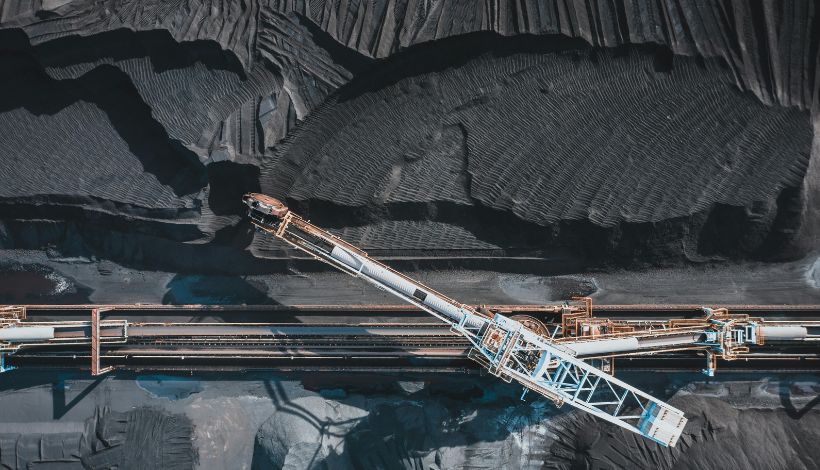
The Indonesia downstream industry has become one of the most consequential industrial strategies in the global energy transition. As the world accelerates toward electric mobility and low-carbon technologies, Indonesia’s vast reserves of nickel and critical minerals are moving beyond raw commodity exports toward a sophisticated manufacturing ecosystem.
This transformation reflects a deliberate policy direction: process natural resources domestically, capture more economic value within the national economy, and position the country as a central hub in the global electric vehicle (EV) supply chain.
Nickel, an essential component of high-energy battery chemistry, sits at the center of this shift. Indonesia holds the world’s largest known nickel reserves, accounting for roughly a quarter of global supply. For decades, however, much of this resource left the country in raw form, limiting industrial development.
Today, the rapid expansion of the Indonesia downstream industry signals a structural transformation. Smelters, battery material plants, and EV manufacturing investments are gradually building an integrated ecosystem capable of reshaping global supply chains.
Beyond export revenues, it also supports broader national ambitions: strengthening energy resilience, reducing fuel imports through electric mobility, and redirecting fiscal resources toward long-term development priorities.
Turning Resources into Industrial Capability
From Raw Mineral Exports to Value-Added Processing
For many resource-rich economies, the challenge lies in converting raw materials into sustained industrial growth. The Indonesia downstream industry policy addresses this by requiring minerals such as nickel to undergo domestic processing before export.
Initially controversial in global trade discussions, the policy has since triggered a surge of investment from international mining companies, battery manufacturers, and automotive groups seeking closer access to critical minerals.
Nickel smelters and refining facilities have expanded rapidly across Sulawesi and Maluku. These industrial zones now form the foundation of Indonesia’s growing battery production chain and mark a major milestone in the evolution of the Indonesia downstream industry.
Indonesia Downstream Industry and the Global EV Supply Chain
Nickel’s Role in Electric Vehicle Battery Production
Electric vehicles depend heavily on advanced battery technology. Nickel-rich batteries deliver the high energy density required for longer driving ranges and improved efficiency.
As global EV demand rises, the reliability of mineral supply chains has become a strategic priority for manufacturers. The Indonesia downstream industry therefore occupies a unique position in the global economy.
By integrating mining, refining, and battery precursor production, Indonesia offers a vertically connected ecosystem that global manufacturers increasingly seek.
Major international companies from automotive manufacturers to battery producers have already announced partnerships and joint ventures within the Indonesia downstream industry ecosystem. Indonesia’s long-term ambition extends further: assembling complete EV batteries and eventually producing electric vehicles domestically.
These developments gradually shift Indonesia’s role from raw material supplier to strategic industrial partner in the global clean-energy economy.
Economic Impact of the Indonesia Downstream Industry
Higher Export Value from Processed Nickel
One of the most immediate outcomes has been a significant rise in export value from processed nickel products.
Refined materials such as nickel pig iron and mixed hydroxide precipitate command substantially higher prices than raw ore. This value addition strengthens Indonesia’s trade balance while expanding employment across processing, engineering, and logistics sectors.
Industrial zones around nickel smelters have also stimulated infrastructure development, including ports, power plants, and transportation networks, creating broader economic spillovers.
Supporting Energy Independence and Reducing Fuel Imports
The long-term impact of the Indonesia downstream industry extends beyond minerals. By supporting domestic EV production and adoption, the strategy also aligns with efforts to reduce reliance on imported fossil fuels.
Indonesia spends billions annually on fuel subsidies and petroleum imports. Expanding electric mobility could gradually lower these costs by shifting transportation toward domestically generated electricity.
Electric motorcycles, buses, and passenger vehicles represent the first steps in this transition. Over time, a larger EV fleet could ease pressure on government budgets while improving air quality in major cities.
Fiscal savings from reduced fuel subsidies could then be redirected toward sectors such as education, infrastructure, healthcare, and research.
Challenges Facing the Indonesia Downstream Industry
Sustainability and Environmental Expectations
Nickel processing is energy-intensive, and global buyers increasingly demand low-carbon supply chains. Ensuring that the Indonesia downstream industry aligns with international environmental standards will influence the country’s credibility in global markets.
Investment in renewable energy for industrial zones, stronger environmental governance, and improved waste management systems will be critical in addressing these concerns.
Developing a Skilled Industrial Workforce
The rapid growth of the Indonesia downstream industry also requires a workforce capable of supporting advanced manufacturing and high-technology operations.
Technical education, vocational training programs, and collaboration between universities and industry will be essential to develop these capabilities.
Countries that successfully anchor high-tech industries typically combine natural resources with strong human capital development. Indonesia’s long-term competitiveness will depend on achieving this balance.
Indonesia Downstream Industry in the Global Energy Transition
The global shift toward electric mobility has triggered intense competition among countries seeking to secure supply chains for critical minerals and battery technology. The Indonesia downstream industry places the nation at the center of this strategic transformation.
By integrating mining, refining, and manufacturing capabilities, Indonesia now has the potential to influence how global EV supply chains evolve in the coming decades.
For policymakers, the challenge will be maintaining investment momentum while strengthening environmental standards and technological capabilities.
Conclusion: The Future of the Indonesia Downstream Industry
The Indonesia downstream industry reflects a broader rethinking of how resource-rich nations participate in the global economy. Instead of exporting raw materials, Indonesia is prioritizing domestic processing, industrial integration, and higher value creation.
Nickel and other strategic minerals are now central to the global transition toward electric mobility. By building an integrated EV supply chain from mining to battery materials Indonesia is positioning itself as a vital partner in the future of energy and transportation.
The convergence of industrial policy, mineral resources, and energy transition creates a rare window of opportunity. Today, the Indonesia downstream industry stands at the heart of that transformation.