Rusmin Lawin and Bulgaria: From Sofia to Investment Partnership
Some international relationships begin with a business meeting. Others develop through years of trust, persistence and a shared belief in what two countries can achieve together.
For me, Bulgaria became part of that second journey.
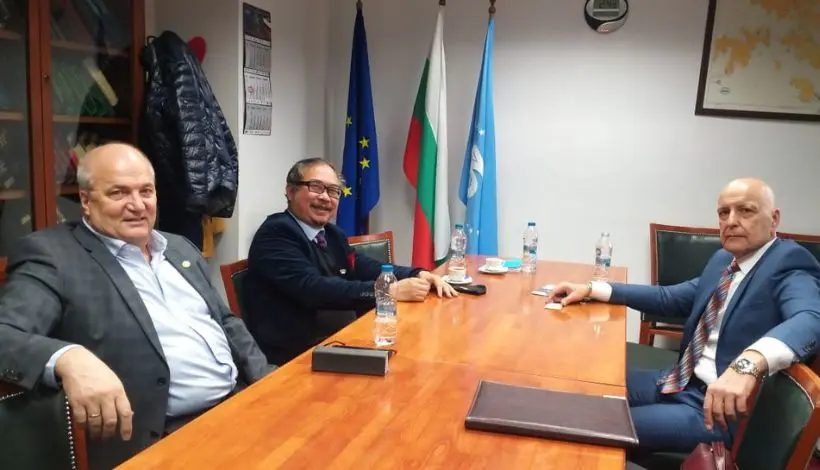
My connection with Bulgaria can be traced to a December 2021 meeting in Sofia, when I met Maria Mincheva, Vice President of the Bulgarian Industrial Association, alongside Ivan Velkov, President FIABCI Bulgaria, Chairman at BGFMA, Cluster Sofia Knowledge City and Interactive Bulgaria and a member of the BIA Board, and Asen Makedonov of FIABCI Bulgaria. Our conversation centred on Indonesia’s new capital and the potential participation of Bulgarian companies in its development.
At the time, we were discussing an emerging opportunity around Nusantara. Looking back, however, that meeting in Sofia represented something much larger for me. It became an early chapter in my approach to investment diplomacy building relationships across borders and turning meaningful conversations into opportunities for businesses, investors and institutions.
Today, that journey has brought Indonesia and Bulgaria into a new phase of economic cooperation.
From Sofia to Jakarta, our dialogue has evolved from exploring possibilities to pursuing concrete opportunities. My experience with Bulgaria has reinforced something I have learned throughout my international work: investment diplomacy requires patience, consistency and trust. Relationships often take root long before they produce agreements.
From Sofia: Where the Bulgaria Journey Began
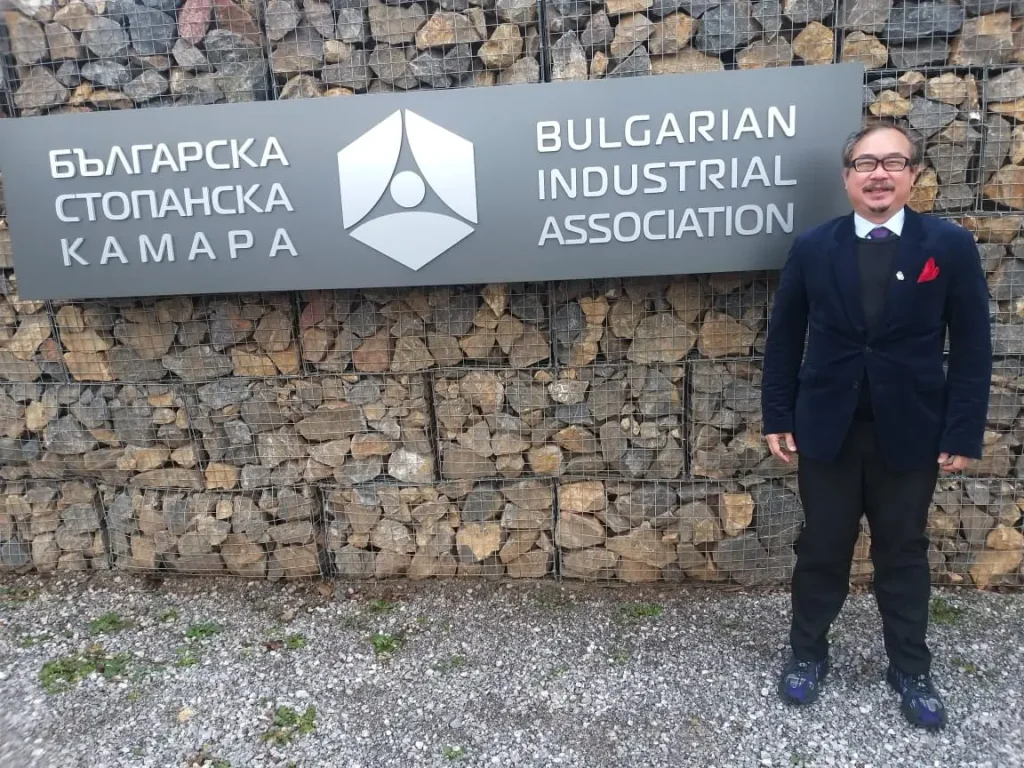
I remember my visit to Bulgaria as a meeting of possibilities.
Indonesia was preparing to develop Nusantara, a new capital intended to reshape the country’s economic and administrative geography. Bulgarian companies were looking for international opportunities, while Indonesia was seeking expertise and investment from Europe and beyond.
At the Bulgarian Industrial Association, I presented the opportunities surrounding Indonesia’s new capital and discussed how Bulgarian companies could potentially participate. The BIA subsequently expressed its willingness to help deepen economic relations between the two countries.
The significance of that meeting went beyond Nusantara.
For someone working across international real estate, investment and business networks, every country visit presents two questions: What can Indonesia offer? And what can Indonesia learn from this market?
Bulgaria offered an intriguing answer to both.
It is an EU economy with established manufacturing capabilities, a strategic location in Southeast Europe and growing connections with wider European markets. Indonesia, meanwhile, brings enormous market scale, natural resources, a young consumer base and a position at the centre of ASEAN. The opportunity was therefore reciprocal.
Investment Diplomacy Means Staying in the Conversation
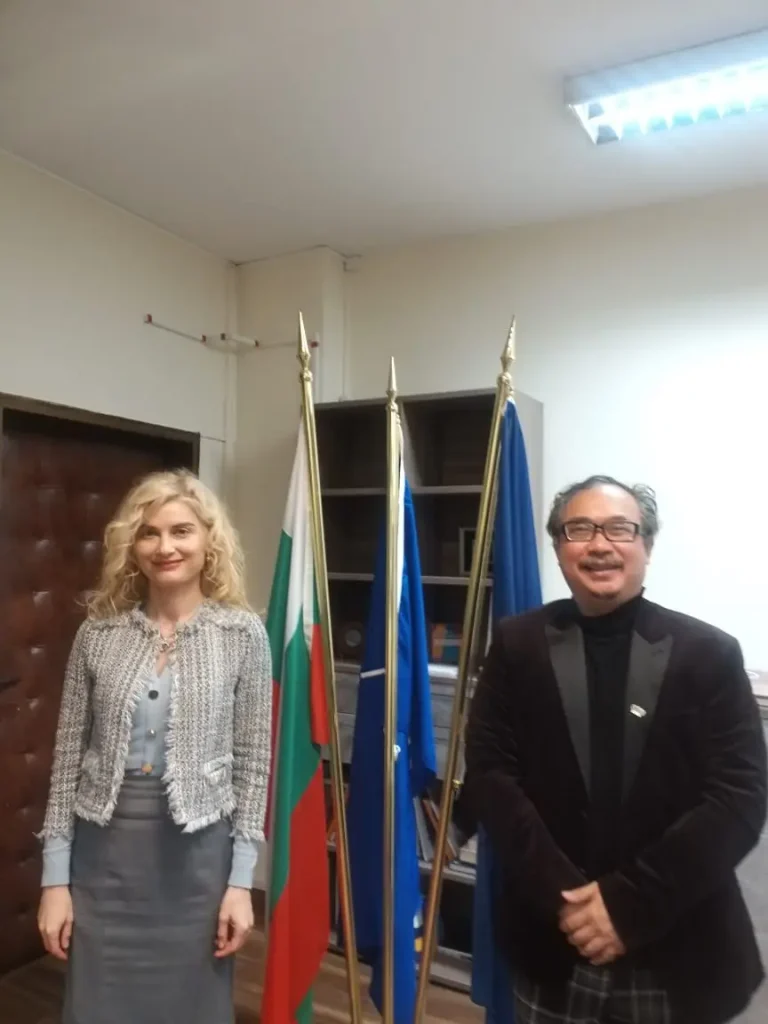
International business rarely follows a straight line. A meeting can create an introduction. An introduction can create trust. Trust can eventually create a commercial project.
That progression has shaped my own approach to investment diplomacy.
My international work through FIABCI, Real Estate Indonesia and broader business networks has allowed me to meet investors, developers, policymakers and industry leaders across continents.
FIABCI’s own records list me as a 2019 recipient of its Medal of Honor, reflecting my international contribution to the organisation. That network became increasingly relevant to Indonesia’s international investment ambitions.
The Sofia meeting came while Indonesia was actively presenting Nusantara to international partners. The Bulgarian Industrial Association reported that Indonesia was seeking international cooperation and that Bulgarian companies were being invited to examine opportunities connected with the new capital.
The message was simple: international investment begins with access, but serious investment grows through relationships.
From Nusantara to a Wider Indonesia-Bulgaria Opportunity
The conversation between Indonesia and Bulgaria has subsequently expanded beyond property and infrastructure.
Food has become one of the strongest examples.
In October 2023, at the Indonesia-Europe Business Forum in Jakarta, PT Garuda Mitra Unggul and Bulgaria’s Bella Group signed an agreement involving US$34 million in rendang raw-material supplies over four years and a US$38 million joint venture for a meat-processing plant. Together, the announced trade and investment commitments were valued at US$72 million.
The project formed part of Indonesia’s broader Rendang Goes to Europe initiative.
Bella Group had already established a rendang production operation in Bulgaria, creating a pathway for Indonesian cuisine to enter European markets. The subsequent agreement also contemplated Bulgarian investment in food processing in Indonesia, creating a two-way commercial model rather than a simple export relationship.
For me, this type of project captures the real potential of Indonesia-Bulgaria relations.
One country brings products, ingredients and cultural appeal. The other contributes European market access, processing capabilities and local commercial infrastructure.
Together, they can create value that neither side would achieve as efficiently alone.
The Numbers Show Why the Relationship Matters
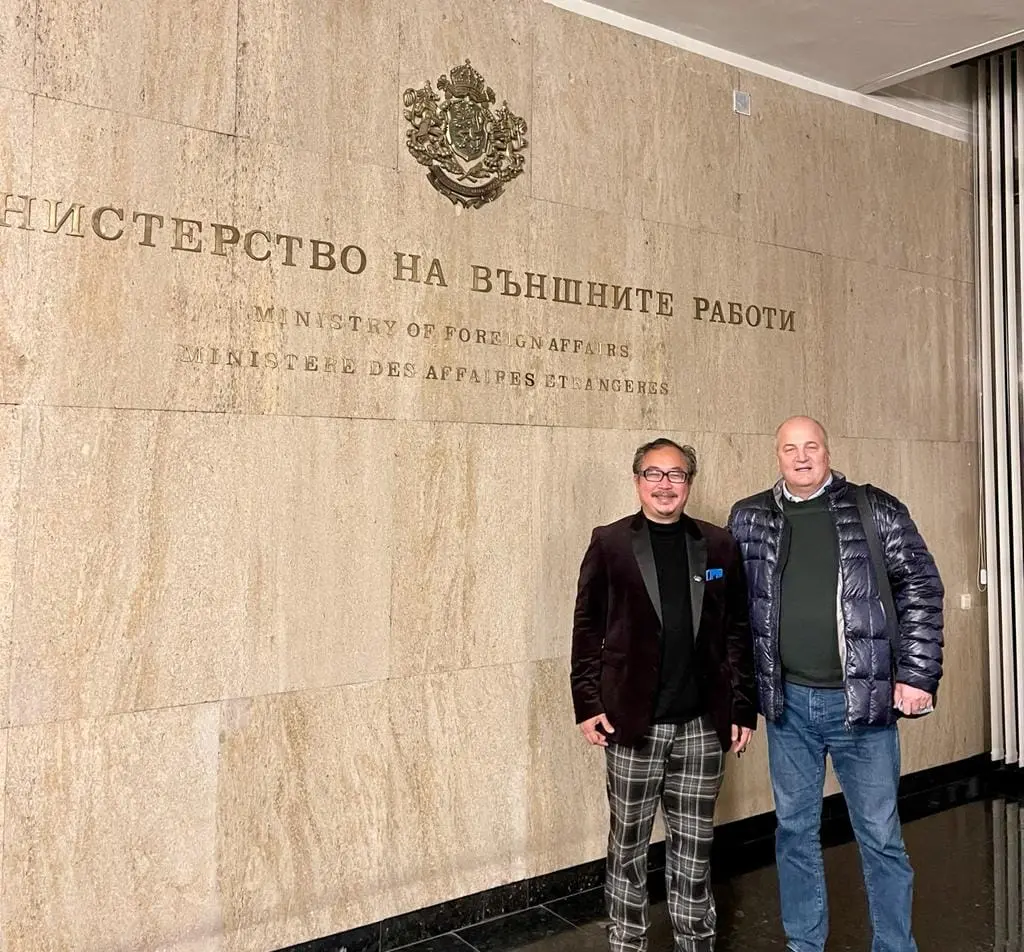
The bilateral opportunity is still relatively small compared with the size of either economy. That is precisely why there is room to grow.
Indonesia’s Ministry of Foreign Affairs recorded Indonesian exports to Bulgaria at approximately US$412.3 million in 2023, up from US$314.3 million in 2022.
Bulgarian national statistics also show substantial Indonesian trade flows. The country’s 2024 foreign-trade data recorded BGN 808.1 million in Bulgarian imports from Indonesia, compared with BGN 124.8 million in exports to Indonesia, according to the National Statistical Institute.
Different statistical systems can produce different totals because of reporting methods, valuation and timing. Nevertheless, both datasets point in the same direction: Indonesia already has a meaningful commercial presence in Bulgaria, while Bulgarian exports to Indonesia remain comparatively smaller.
That imbalance creates an opportunity for diversification.
Where the Next Opportunities Could Come From
The next generation of Indonesia-Bulgaria business can move beyond traditional commodities.
Potential areas include:
- food processing and halal food.
- agricultural products and ingredients.
- machinery and industrial technology.
- medical and precision equipment.
- construction and building technologies.
- digital services.
- renewable-energy solutions.
- real estate and urban development.
- tourism and hospitality.
- European distribution for Indonesian brands.
Bulgaria’s wider trade profile supports this proposition. In 2024, the country exported BGN 86.7 billion in goods and imported BGN 99.6 billion, according to Bulgaria’s National Statistical Institute. Its exports to EU markets reached BGN 56.0 billion.
For Indonesian companies, Bulgaria can therefore be considered within a broader European strategy rather than solely as a destination market.
Bulgaria Has Entered a New European Chapter
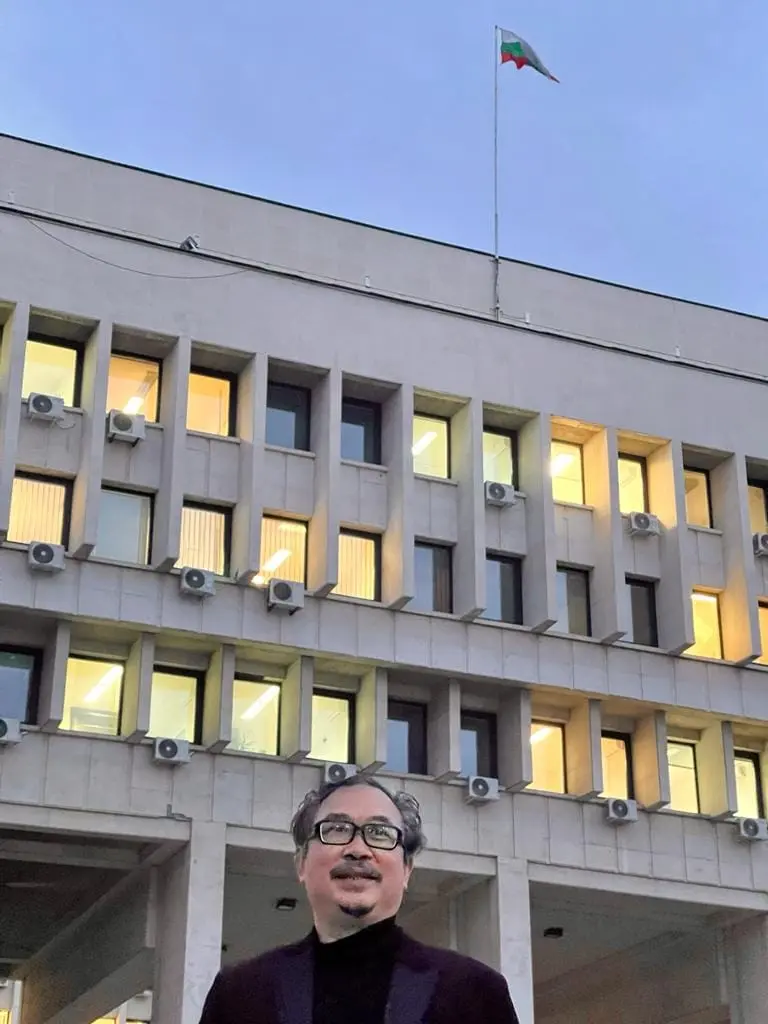
The timing is particularly interesting.
Bulgaria became a full member of the Schengen Area on 1 January 2025, strengthening its integration into Europe’s internal travel and economic space.
Then, on 1 January 2026, Bulgaria adopted the euro, becoming the 21st member of the euro area. The European Commission described the move as a milestone expected to facilitate trade and strengthen the country’s position within the EU single market.
For companies considering Bulgaria as a European base, these developments matter. They reduce friction in cross-border commerce and strengthen the country’s role within Europe’s economic architecture.
For Indonesia, this creates an interesting proposition: partnerships with Bulgarian businesses can potentially connect Indonesian products, technology and capital with a much larger European commercial ecosystem.
The Meaning of the Journey Today
Looking back at my Bulgaria visit, I see how different stages of investment diplomacy can eventually connect.
First came the relationship. Then came the conversation about Nusantara. Then came continued engagement with Bulgarian business and economic circles. Then came concrete commercial cooperation.
And today, the relationship has reached another stage.
My association with Bulgaria subsequently included a role as Special Advisor to the Trade and Economic Office at the Embassy of the Republic of Bulgaria in Jakarta, according to my professional profile. That role reflected my continuing interest in strengthening economic relations between Indonesia and Bulgaria.
The journey continues. In 2026, I have also maintained contact with Bulgarian diplomatic representatives, including a recent meeting with Bulgaria’s Deputy Ambassador in connection with a planned September programme.
For me, that continuity matters more than any single title. Investment diplomacy works when people remain committed to the relationship after the first meeting has ended.
A New Chapter Through Indonesia Rising
That philosophy also explains why Bulgaria has a natural place within the future of Indonesia Rising. Indonesia Rising grew from my personal journey and has evolved into a publication focused on business, investment, innovation, public affairs and investment diplomacy from an Indonesia and Asia-Pacific perspective.
Today, we are collaborating exclusively with the Bulgarian Embassy in Jakarta to bring relevant opportunities, insights and connections to our readers and the Indonesian business community.
The purpose is practical.
We want Indonesian business leaders to understand Bulgaria beyond its geography as an EU economy, a potential investment partner and a gateway into wider European opportunities.
At the same time, Bulgarian companies should have a clearer window into Indonesia’s market, investment priorities and rapidly evolving development landscape.
This is where media can become useful to diplomacy. Good information can introduce people. Good stories can create curiosity. And credible relationships can eventually lead to commercial conversations.
From a Sofia Meeting to Investment Partnership
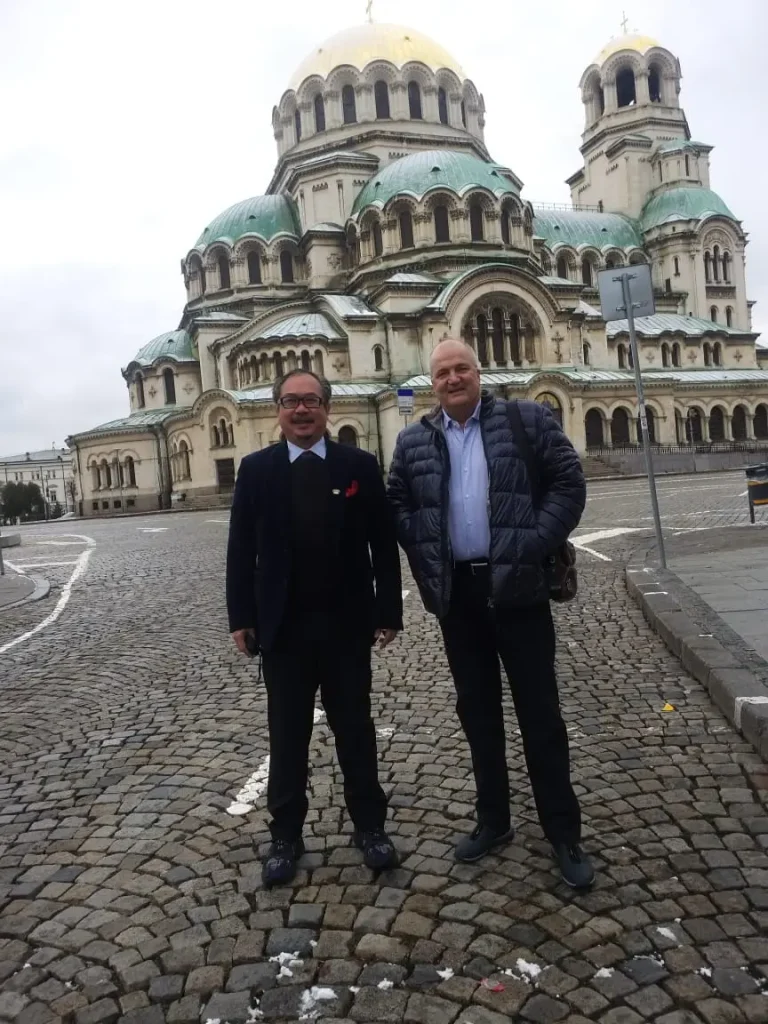
My Bulgaria story began with a meeting in Sofia in 2021. At that time, the discussion was about whether Bulgarian companies could participate in Indonesia’s ambitious new-capital project.
Years later, the conversation has become broader.
Trade has expanded. Food-processing cooperation has produced significant commitments. Bulgaria has entered both Schengen and the euro area. Indonesian companies have more reasons to examine European opportunities, while Bulgarian companies have more reasons to look seriously at Indonesia.
Yet I believe the most important development is human. Relationships have survived beyond individual meetings, projects and appointments. That is what investment diplomacy means to me.
It is the ability to keep the door open, continue the conversation and create conditions where two countries can discover mutual opportunity.
The Road Ahead
The next chapter should move from introductions to execution.
Indonesia and Bulgaria have enough economic complementarity to build a stronger commercial relationship. What they need now is more business-to-business engagement, more sector-specific matchmaking and more informed dialogue between investors, companies and institutions.
My journey from Sofia to Jakarta has shown me that these relationships take time. But time, when combined with trust and purposeful action, can turn a conversation into cooperation. And perhaps that is the most meaningful lesson from Bulgaria.
A business partnership may begin in a meeting room in Sofia. Its real value emerges years later, when people who believed in the relationship keep working to make it happen.
RL
Related articles:
From Rose Valley to Spice Islands: The Halal Food Opportunity Between Indonesia and Bulgaria