Cosmas Batubara Leadership Lessons
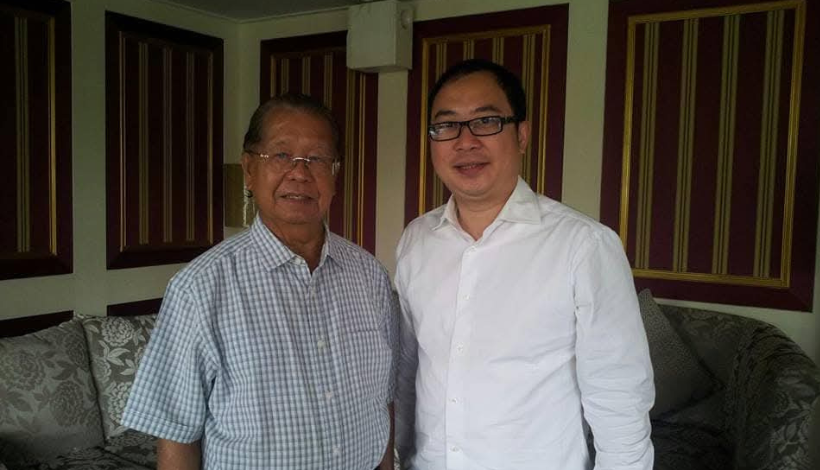
Chinese New Year offers more than celebration. It creates a moment to revisit formative influences and reflect on the principles that shape leadership over time. Among the figures who left a lasting imprint on my journey, Cosmas Batubara stands apart. His words “If you want to be seen, stand up and speak louder” arrived at a decisive point in my early professional life and continue to inform my perspective today.
These reflections on Cosmas Batubara leadership lessons extend beyond personal memory. They reveal a framework of discipline, institutional thinking, and long-term responsibility that remains relevant in today’s rapidly shifting leadership landscape.
Early Encounters and Cosmas Batubara Leadership Lessons
My introduction to institutional life coincided with my involvement in Real Estate Indonesia (REI) in North Sumatra, where I served first as secretary and later as chairman. During this period, I frequently accompanied Cosmas Batubara during his visits to Medan. Those encounters were not formal sessions of mentorship, yet they carried depth through observation and conversation.
Through his presence, I began to understand how leadership operates in practice. He approached every engagement with preparation and clarity. He spoke with intention and expected the same level of seriousness from those around him. Consequently, I learned that leadership begins long before a title is assigned.
At the same time, my connection with Arthur Batubara, his eldest son and then head of the regional REI chapter, introduced me to the structural side of institutional work. That relationship gradually expanded into both friendship and professional collaboration, opening access to how decisions shape industries and communities alike.
Entry Into Institutional Thinking
Cosmas Batubara leadership lessons consistently emphasised the importance of institutions. Organisational life, in his view, demanded accountability and continuity. It required individuals to think beyond immediate outcomes and consider long-term implications.
This perspective reshaped how I approached responsibility. Instead of viewing leadership as an individual pursuit, I began to see it as a function within a broader system. Decisions carried weight not only for the present but also for future stakeholders.
Observing the Batubara family’s commitment to institutional development reinforced that understanding. Their engagement reflected continuity, discipline, and a sustained sense of responsibility toward both industry and society.
A National Figure with Global Reach
Cosmas Batubara’s career reflects a generation shaped by political transition and economic development. Emerging from student activism, he entered national governance during the era of Suharto. His ministerial roles, including responsibilities in housing and manpower, placed him at the centre of Indonesia’s development trajectory.
His leadership extended beyond national boundaries when he was elected President of the International Labour Organization in 1991. That appointment signalled international recognition of his ability to manage complex labour issues while representing Indonesia with authority.
Following his tenure in public office, his influence remained strong across the private sector. Major corporations such as Ciputra Group, Intiland, Agung Podomoro Group, and APRIL Group continued to seek his counsel. His relevance endured because of credibility built over decades.
Shared Roots and Cultural Context
Our connection extended beyond professional interaction. Both of us originated from North Sumatra, with his family roots in Kabanjahe, not far from my hometown in Haranggaol. That shared geography created an unspoken sense of familiarity and trust.
In Indonesia, cultural values reinforce respect toward elders. Guidance often emerges through example rather than direct instruction. Consequently, Cosmas Batubara leadership lessons carried weight not because they were formally taught, but because they were consistently demonstrated.
These cultural foundations shaped my understanding of leadership early on. Decisions required patience, deliberation, and a sense of duty. Each step needed to align with continuity rather than short-term gain.
Discipline, Voice, and Leadership Presence
One of the most enduring aspects of Cosmas Batubara leadership lessons lies in the relationship between discipline and voice. His advice to “stand up and speak louder” did not encourage volume for its own sake. Instead, it emphasised clarity, confidence, and readiness.
He believed that visibility in leadership stems from substance. Preparation strengthens credibility. Clear articulation ensures that ideas resonate within institutions and across stakeholders. Therefore, leadership presence develops through consistent effort rather than momentary visibility.
Moreover, he demonstrated that authority grows from responsibility. Influence expands when individuals contribute meaningfully to discussions and decisions. That approach remains particularly relevant in an era where communication moves rapidly, yet attention often fades quickly.
Relevance for a New Generation
Today’s leaders operate within a landscape defined by digital acceleration, global competition, and constant change. Despite these shifts, Cosmas Batubara leadership lessons retain their relevance.
First, leadership continues to grow from service. Professionals who prioritise contribution build stronger and more sustainable influence. Second, discipline remains essential in maintaining credibility over time. Third, institutions still require stewardship, even as organisational structures evolve.
In addition, dialogue plays a critical role in progress. Leaders must engage with differing perspectives to create alignment. At the same time, humility ensures that influence remains grounded and accessible.
These principles apply across sectors, from business and governance to social development. They provide a stable reference point in an increasingly complex environment.
Reflection During Chinese New Year
Chinese New Year reinforces the importance of reflection and continuity. It encourages individuals to revisit their origins and acknowledge those who shaped their direction. Within this context, Cosmas Batubara leadership lessons gain renewed significance each year.
His influence continues to guide decisions and perspectives long after direct interactions have ended. The values he represented discipline, responsibility, and institutional commitment remain embedded in how I approach leadership today.
At the same time, this period of reflection highlights the importance of gratitude. Recognising the role of mentors and elders strengthens the connection between past experience and future responsibility.
Continuing the Responsibility
Honouring leadership legacies requires more than remembrance. It demands continuation through action. The principles passed down must be translated into mentorship, institutional engagement, and meaningful contribution to society.
Cosmas Batubara leadership lessons therefore extend beyond individual reflection. They serve as a call to support emerging leaders, strengthen organisations, and contribute to national development.
Influence often operates quietly through trust, consistency, and example. Yet its impact shapes decisions, institutions, and future generations. As each Lunar New Year begins, that awareness returns with renewed clarity, reinforcing the responsibility to carry these lessons forward.
Golden Takeaways
Cosmas Batubara leadership lessons offer a framework grounded in discipline, institutional thinking, and long-term responsibility. His influence demonstrates how leadership evolves through experience, service, and clarity of purpose.
In a world defined by speed and change, these principles remain steady. They guide leaders toward meaningful contribution while reinforcing the importance of continuity. As reflection turns into action, the lessons carried from one generation continue to shape those who follow.