Building Sustainable Businesses: Michell Suharli on Leadership, ESG, and Creating Value Beyond Business
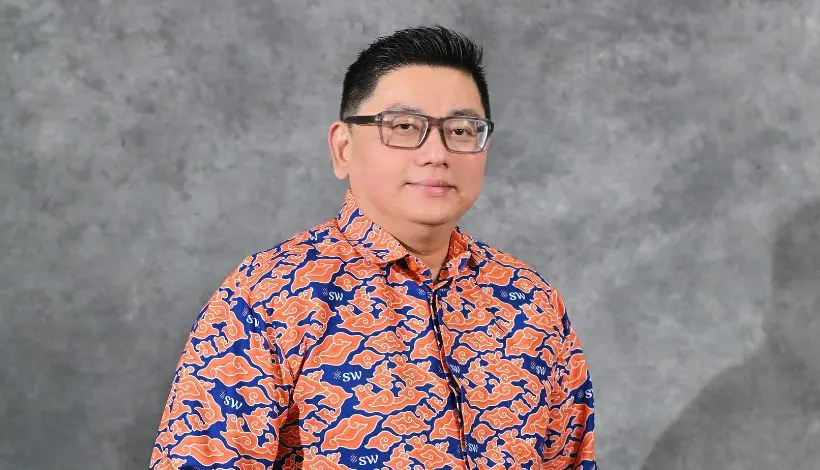
In today’s rapidly evolving business landscape, organizations no longer measure true leadership solely by financial performance. They recognize leaders who create sustainable value for society. They also inspire responsible innovation and leave a lasting positive impact. Few business leaders embody this philosophy as convincingly as Michell Suharli, CEO of SW Indonesia.
Under his leadership, the firm has strengthened its reputation as a trusted professional services advisor. At the same time, it has emerged as a strong champion of Environmental, Social, and Governance (ESG) principles. His leadership demonstrates that responsible business practices and long-term commercial success can go hand in hand.
One of the most compelling examples of this commitment is SW Batik. The initiative brings together corporate purpose, the preservation of Indonesia’s cultural heritage, community empowerment, and sustainable business values. It reflects Michell’s belief that ESG is most powerful when it goes beyond frameworks and reporting. Instead, it becomes part of an organization’s culture. It also shapes how the organization creates meaningful and lasting value for society.
In this exclusive conversation with me, Michell shares the leadership principles that have shaped his journey. He also outlines his vision for responsible business and the future of ESG in Indonesia. In addition, he explains why organizations should never treat culture, innovation, and sustainability as separate ambitions.
This interview is part of Indonesia Rising’s “Great Global Minds Who Contribute So Much” editorial series. The series celebrates leaders whose ideas and actions create meaningful impact for Indonesia and beyond. Throughout this interview, I use GM to refer to myself and MS to refer to Michell Suharli.
Leadership & Vision
GM: As CEO of SW Indonesia, you have advised businesses across many industries. You also lead one of Indonesia’s most respected professional services firms. Looking back on your journey, what experiences have shaped your leadership philosophy and your commitment to building businesses that endure?
MS: Professional practice, client service, institutional building, and mentoring future professionals have shaped my leadership philosophy. Throughout my career, I have learned that discipline, integrity, and honesty earn lasting trust and build reputation.
One of my most valuable experiences was learning how to build an ambitious yet grounded organization. We established SW Indonesia during a challenging period. Those early years taught us that resilience is more than a slogan. It depends on our people, values, quality of work, and the trust we earn every day. These experiences reinforced my belief that organizations define themselves by how they respond to challenges and uncertainty.
I have always believed that an enduring business must be greater than the personality of its leader. It must have a clear purpose, a strong culture, sound governance, and a commitment to continuous learning. For me, leadership means helping people grow, serve, and contribute to something meaningful.
Ultimately, building a business that endures requires balancing long-term vision with everyday discipline. Sustainable success is never achieved overnight; it is built through consistent decisions, trusted relationships, and an unwavering commitment to creating value for clients, people, and society.
GM: Business success today is measured by more than financial performance alone. How do you define long-term success in an era where purpose, trust, and sustainability are becoming equally important?
MS: Financial performance will always remain a fundamental measure of business health. A company must be economically sound to innovate, create opportunities, and sustain its operations over the long term. However, in today’s increasingly interconnected world, financial results alone no longer provide a complete picture of success.
The most respected and resilient organizations understand that profitability is only one dimension of value creation. A business may deliver strong earnings today. However, it risks its future if it loses stakeholder trust, neglects its people, ignores environmental responsibilities, or fails to adapt to changing societal expectations. Sustainable success requires a broader and more balanced perspective.
I define long-term success as creating lasting value for clients, employees, business partners, investors, regulators, communities, and future generations. Profit remains essential, but it should result from responsible value creation, not serve as the sole objective. Trust earns an organization’s license to operate. Purpose provides strategic direction. Sustainability keeps organizations relevant and resilient for decades, not just business cycles.
At SW Indonesia, this philosophy influences the way we serve our clients, develop talent, strengthen governance, and cultivate relationships built on credibility and integrity. We believe that organizations create their greatest impact when commercial success is aligned with broader societal progress. These objectives should not be seen as competing priorities, but as mutually reinforcing drivers of long-term growth.
Ultimately, the definition of success is evolving. It is no longer measured solely by the size of a company, but by the quality of its contribution. The question is not simply, “How much value did we create?” A more meaningful question is, “Did the value we created leave our stakeholders, our communities, and the broader ecosystem stronger than before?”
In my view, that is the true hallmark of enduring success and the standard by which future generations will judge business leadership.
ESG & Responsible Growth
GM: ESG has become a strategic priority for companies worldwide. In your view, what distinguishes organizations that genuinely embrace ESG from those that simply comply with reporting requirements?
MS: The difference ultimately comes down to intention, leadership commitment, and organizational integration.
Companies that approach ESG primarily as a compliance exercise tend to focus on disclosure requirements, reporting frameworks, and regulatory obligations. Their central question is often, “What do we need to report?” While transparency is important, ESG cannot achieve its full value if it remains confined to reports, presentations, or annual communications.
Organizations that genuinely embrace ESG ask a far more transformative question: How should ESG principles influence the way we make decisions, allocate resources, manage risks, and define success? They embed ESG into their decision-making rather than treating it as a separate initiative. It becomes embedded within the business model itself.
Organizations demonstrate true ESG by strengthening governance, upholding standards across their supply chains, developing human capital, managing environmental impact, and balancing short-term performance with long-term resilience. It influences investment decisions, operational priorities, executive accountability, and organizational culture. In other words, it moves from being a reporting function to becoming an operating philosophy.
A beautifully written sustainability report may demonstrate communication excellence, but it does not necessarily reflect sustainability excellence. The true test is whether the principles being reported are visible in everyday decisions, behaviors, and outcomes.
For me, ESG becomes meaningful when it is embedded into the DNA of an organization. It may begin with small, practical actions, but over time it should evolve into a governance mindset that shapes how leaders think and act. Companies that are serious about ESG are not simply seeking to appear responsible; they are striving to become more accountable, more resilient, and ultimately more trusted by all stakeholders.
GM: Many business leaders still see ESG as an added cost rather than a source of competitive advantage. How can organizations turn responsible business practices into long-term value creation?
MS: I understand why some business leaders initially view ESG as a cost. If ESG is considered solely through the lens of reporting requirements, compliance activities, certifications, or advisory expenses, it can easily be perceived as an additional burden on the organization.
However, that perspective often overlooks the broader strategic value that ESG can create.
At its core, ESG is about improving the overall quality and sustainability of a business. Organizations that integrate ESG effectively manage risk more successfully, strengthen governance, attract and retain high-quality talent, improve operational efficiency, enhance stakeholder trust, and secure greater access to capital. These benefits may not always be visible in the next quarterly report, but they can significantly influence long-term performance and enterprise value.
Increasingly, ESG is also becoming a factor in commercial credibility. For companies operating in global markets or serving multinational clients, stakeholders want to know whether an organization is governed responsibly, prepared for future challenges, and aligned with international expectations. ESG helps answer those questions and can become a powerful differentiator in highly competitive markets.
The key is to connect ESG directly to business outcomes rather than treating it as a parallel initiative. For example, environmental initiatives such as energy efficiency can strengthen cost management and operational resilience. Strong governance enhances investor confidence and reduces organizational risk. Investments in employee development improve productivity, innovation, and retention. Community engagement and social impact initiatives help build stakeholder trust and strengthen an organization’s long-term social license to operate.
When viewed through this lens, ESG is no longer an expense, it becomes an investment in the future relevance and competitiveness of the business.
The most successful organizations recognize that responsible business practices and commercial success are not opposing objectives. In fact, they increasingly reinforce one another. The greatest value of ESG emerges when it becomes inseparable from the way an organization creates value, makes decisions, and pursues growth.
Ultimately, ESG should not be seen as a cost of doing business. It should be viewed as an investment in building a stronger, more trusted, and more resilient enterprise, one that is capable of creating sustainable value for shareholders, stakeholders, and society alike for decades to come.
GM: As international investors place increasing emphasis on governance and sustainability, what practical steps should Indonesian companies take today to remain globally competitive?
MS: As global capital becomes increasingly selective; investors are evaluating companies through a broader lens than financial performance alone. Governance quality, transparency, sustainability readiness, risk management, and long-term resilience have become critical indicators of corporate credibility. For Indonesian companies seeking to compete on the international stage, the question is no longer whether these expectations will arrive, but how quickly organizations can prepare to meet them.
The first and most fundamental step is strengthening corporate governance. International investors place significant value on transparency, accountability, reliable financial reporting, ethical leadership, and robust decision-making structures. Before a company can confidently speak about global competitiveness, it must ensure that its governance framework can withstand global scrutiny. Strong governance is not merely a compliance requirement; it is the foundation upon which trust, investor confidence, and sustainable growth are built.
Second, companies must improve their data readiness and reporting capabilities. In today’s business environment, sustainability commitments are expected to be supported by measurable evidence. Investors increasingly seek visibility into areas such as emissions, energy consumption, workforce development, supply chain practices, occupational safety, compliance performance, and enterprise risk management. Without reliable and verifiable data, sustainability ambitions remain difficult to manage, difficult to measure, and ultimately difficult to trust. Data has become the language through which organizations demonstrate accountability and progress.
Third, Indonesian businesses should invest aggressively in human capital and organizational capability. Regulations, technologies, market expectations, and reporting standards will continue to evolve. However, it is people who ultimately translate strategy into execution. Companies should develop expertise in governance, finance, sustainability reporting, risk management, digital transformation, and international business practices. Building globally competitive organizations requires not only adopting global standards but also cultivating leadership and talent capable of operating confidently in an increasingly interconnected business environment.
Equally important is adopting a long-term mindset. Many organizations delay governance and sustainability initiatives until they are required by regulators, clients, or investors. In my view, this is a missed opportunity. The most successful companies are often those that prepare before expectations become mandates. They view readiness not as a cost of compliance, but as a source of strategic advantage.
Beyond Business: The Story of SW Batik
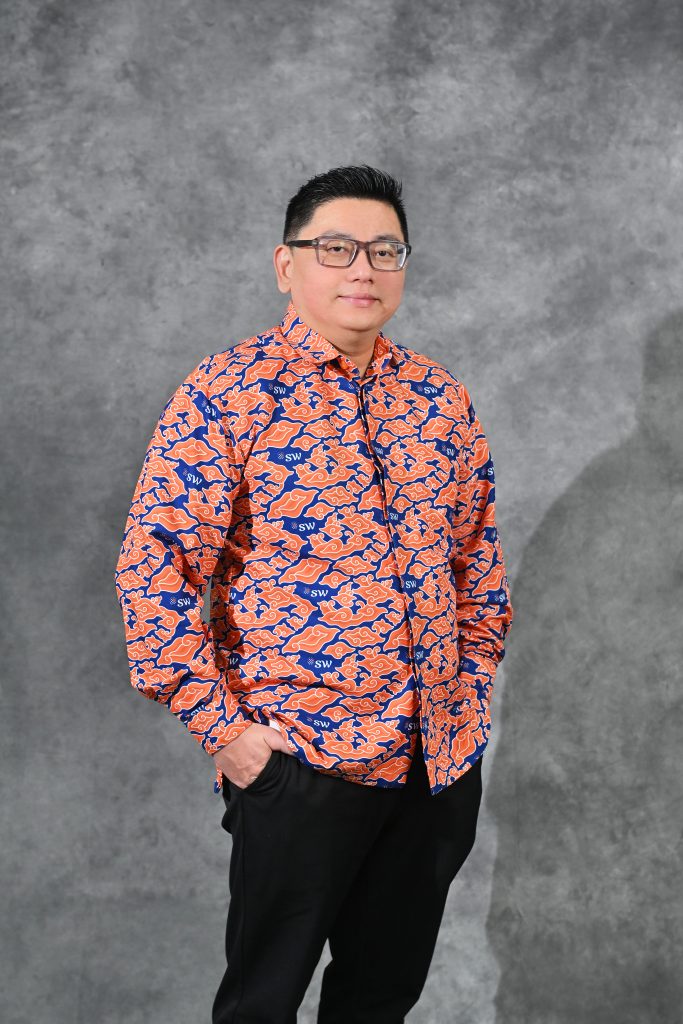
GM: SW Batik reflects a unique initiative that goes beyond corporate identity by celebrating Indonesia’s cultural heritage. What inspired the creation of SW Batik, and what does it represent for SW Indonesia as an organization?
MS: SW Batik Corporate was created from a simple yet powerful conviction: becoming a world-class professional services firm should never require us to leave our cultural identity behind. On the contrary, our heritage can become one of our greatest strengths. In an increasingly globalized business environment, organizations that remain connected to their roots often possess a stronger sense of authenticity, purpose, and identity.
Batik embodies values that resonate deeply with the principles of professional excellence. It reflects patience, precision, craftsmanship, discipline, and continuity, qualities that are equally essential in the world of professional services. Behind every batik pattern lies a story, a philosophy, and a dedication to detail. In many ways, those same attributes define how we approach our work, our clients, and our commitment to quality.
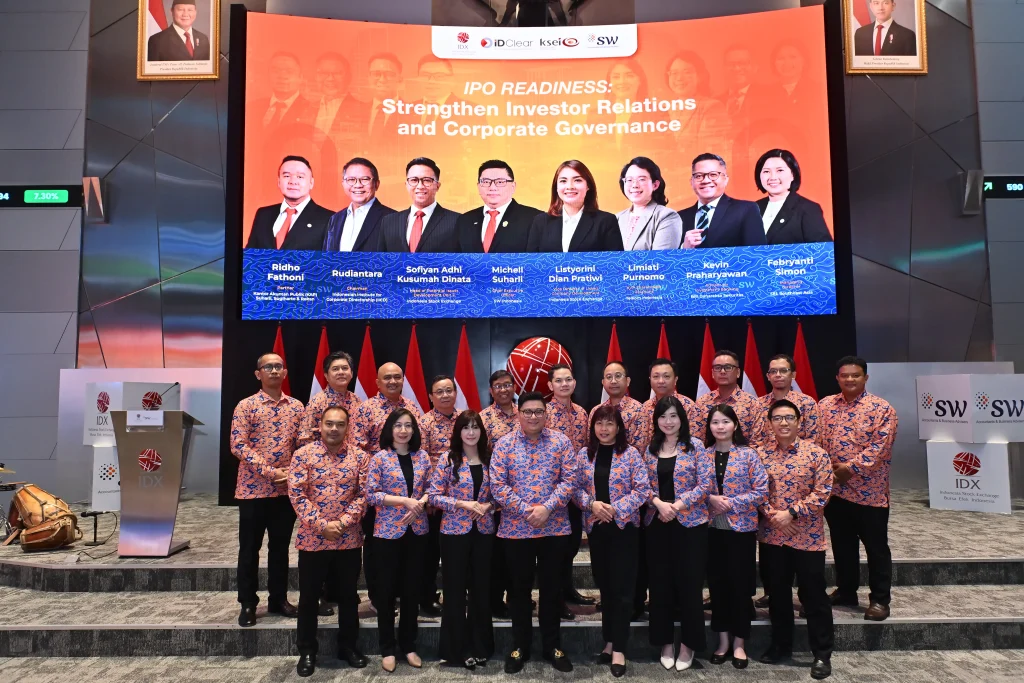
For SW Indonesia, SW Batik Corporate is far more than a uniform or a visual expression of our brand. It represents who we are as an institution: a firm that embraces global standards while remaining proudly rooted in Indonesian values. It symbolizes our belief that professionalism does not have to be detached from culture. We can serve multinational clients, operate at international standards, and compete globally while celebrating the unique identity that distinguishes us.
More broadly, SW Batik Corporate reflects our understanding that sustainability extends beyond environmental initiatives and governance frameworks. Sustainability also includes preserving cultural heritage, strengthening communities, supporting creative ecosystems, and ensuring that progress does not come at the expense of identity. Through this initiative, we hope to demonstrate that culture, business, and sustainability can coexist in a way that is both meaningful and impactful.
Ultimately, SW Batik Corporate serves as a reminder that growth is most meaningful when it is accompanied by a sense of purpose. It reflects our aspiration to build an internationally respected, socially responsible organization that proudly embraces its Indonesian identity.
GM: SW Batik demonstrates that culture, sustainability, and business can reinforce one another. How do you hope this initiative inspires other organizations to preserve local heritage while creating meaningful social and economic impact?
MS: I hope SW Batik Corporate encourages organizations to view culture not merely as a symbol of identity, but as a source of strategic value, creativity, and long-term sustainability. Indonesia possesses one of the richest cultural heritages in the world, and businesses have a unique opportunity to help ensure that this heritage remains relevant, appreciated, and economically sustainable for future generations.
Too often, cultural initiatives are treated as branding exercises or ceremonial activities. While visibility is important, the real opportunity lies in creating meaningful connections between culture, people, and economic empowerment. When organizations engage thoughtfully with local heritage, they can help create opportunities for artisans, creative entrepreneurs, designers, local communities, and young professionals while preserving traditions that might otherwise face the risk of declining relevance.
The key, in my view, is authenticity. Cultural preservation must go beyond symbolism. Organizations should root cultural preservation in respect, education, storytelling, and genuine collaboration with the communities that carry and protect these traditions. Organizations have a responsibility not only to showcase cultural heritage, but also to ensure that the people behind that heritage benefit from its continued growth and appreciation.
We never intended SW Batik Corporate to serve simply as an expression of corporate identity. Instead, we created it to demonstrate how business can preserve culture while contributing to social and economic development. It reflects the belief that organizations can create value in ways that extend beyond conventional business objectives.
Looking ahead, I believe Indonesia’s future should not be framed as a choice between modernity and tradition. The strongest and most resilient societies are often those that successfully integrate both. We can embrace digital transformation, global competitiveness, innovation, and international growth while remaining deeply connected to the wisdom, values, and cultural richness that define us.
When businesses help bridge that connection, culture becomes more sustainable, communities become more empowered, and economic progress becomes more meaningful. In that sense, sustainability is no longer just a corporate objective. It becomes a human story, one that honors the past while creating opportunities for the future.
Indonesia’s Future
GM: Indonesia is entering a new era driven by digital transformation, sustainability, and growing global investment. Which opportunities do you believe will define the country’s next chapter, and how should business leaders prepare for them?
MS: Indonesia stands at a pivotal moment in its development. Indonesia’s growing digital economy, expanding middle class, strategic geographic position, and increasing role in global supply chains position the country to become one of the region’s most influential economic forces in the coming decades.
In my view, Indonesia’s next chapter will be defined by three major opportunities: digital transformation, sustainable growth, and deeper integration with global markets.
The first is digitalization. Beyond technology itself, digital transformation is fundamentally changing how organizations operate, engage with customers, manage information, and make decisions. Companies that successfully leverage data, automation, artificial intelligence, and digital platforms will enjoy significant advantages in efficiency, innovation, and competitiveness.
The second is sustainability. Around the world, sustainability is increasingly influencing investment decisions, regulatory frameworks, consumer preferences, and corporate valuations. Environmental responsibility, social impact, and governance quality are no longer peripheral considerations; they are becoming core business imperatives. The organizations that recognize this shift early will be better positioned to attract capital, build trust, and remain relevant in a rapidly evolving marketplace.
The third is global investment and international integration. As Indonesia attracts greater attention from foreign investors and multinational corporations, expectations regarding transparency, governance, compliance, and professional standards will continue to rise. This presents a tremendous opportunity for Indonesian businesses to expand their reach and credibility, provided they are prepared to operate at world-class standards.
For business leaders, however, the challenge is not simply to follow these trends individually, but to integrate them strategically.
Leading with Purpose
GM: Many young entrepreneurs aspire to build companies that are both profitable and purposeful. In an age of rapid technological advancement and constant change, what mindset should they cultivate to build resilient businesses that create lasting value for society as well as shareholders?
SM: I believe young entrepreneurs should cultivate what I would call a mindset of disciplined purpose. Purpose is essential because it gives direction and meaning to an organization. However, purpose without discipline can become idealism without execution. Equally, profit without purpose can result in growth that lacks sustainability, trust, and long-term relevance. The strongest entrepreneurs are those who successfully bring both together, building businesses that are economically sound, socially relevant, and capable of creating enduring value.
Equally important is maintaining the mindset of a lifelong learner. Technology continues to evolve at unprecedented speed. Rapid technological change is reshaping industries, raising consumer expectations, and rendering today’s business models obsolete tomorrow. In such an environment, adaptability becomes a strategic advantage. Yet while technologies change, certain principles remain timeless: integrity, quality, trust, accountability, and service.
A resilient entrepreneur must therefore balance curiosity with conviction, remaining flexible enough to evolve while staying anchored to values that endure.
My advice is always to build from the inside out. Begin with character before competence, and competence before contribution. Focus first on becoming the kind of leader who people can trust. Learn our industry deeply, understand our customers genuinely, invest in your people, and keep our commitments. Most importantly, dedicate ourself to solving real problems rather than chasing recognition.
Too often, entrepreneurs focus on visibility before credibility. In reality, lasting success is built in the opposite direction. Trust must precede reputation, and substance must precede scale.
If a business consistently creates meaningful value for its customers, employees, and broader community, financial success will have a much stronger and more sustainable foundation. And when success is built on that foundation, legacy becomes not an aspiration but a natural outcome.
Legacy & Inspiration
GM: Finally, when people look back on your contribution to Indonesia’s business community, what legacy do you hope you and SW Indonesia will have created for the next generation of leaders?
MS: I hope SW Indonesia becomes the School of Future-Ready Leaders. A company that educates and trains leaders ready to continue the process of creating a better world, a source of pride for the Indonesian nation for its crystal-clear positive contributions. An organization loved and proud of its people, and respected by its competitors and all stakeholders in its ecosystem.
I hope our legacy will demonstrate that an Indonesian professional services firm can achieve global respect, uphold the highest professional standards, earn deep trust, and remain proudly rooted in local values. Throughout our journey, I have wanted SW Indonesia to represent more than business growth or commercial success. While organizational achievements matter, I believe an institution ultimately earns its reputation through the people it develops and the positive impact it creates. I want SW Indonesia to nurture capable professionals, responsible leaders, and individuals who contribute meaningfully to both Indonesia and the global community.
Beyond financial performance and market recognition, I want the firm to create an environment where people can learn, grow, challenge themselves, and realize their full potential. The most enduring contribution any organization can make is not only the services it provides, but the people it helps shape.
If the next generation comes to see that professionalism is a form of service, governance is a form of responsibility, and business can be a force for broader societal good, then I believe we will have contributed something truly meaningful. After all, individuals build institutions, but truly great institutions outlive individual leaders.
On a personal level, I hope to leave behind a culture anchored in trust, integrity, fairness, harmony, and a belief in purposeful work. These values have guided many of my decisions throughout my career and continue to shape my vision for leadership.
Success is temporary, and titles eventually fade. What endures is the culture we build, the values we pass on, and the opportunities we create for others. If future generations of professionals become more competent, more ethical, more globally minded, and more committed to contributing positively to Indonesia because of the environment we helped create, then I would consider that a legacy worth pursuing. Ultimately, leadership is not measured by what we achieve for ourselves, but by what remains valuable long after we are gone.
GM