Electric Vehicles Indonesia Strategy and Energy Security
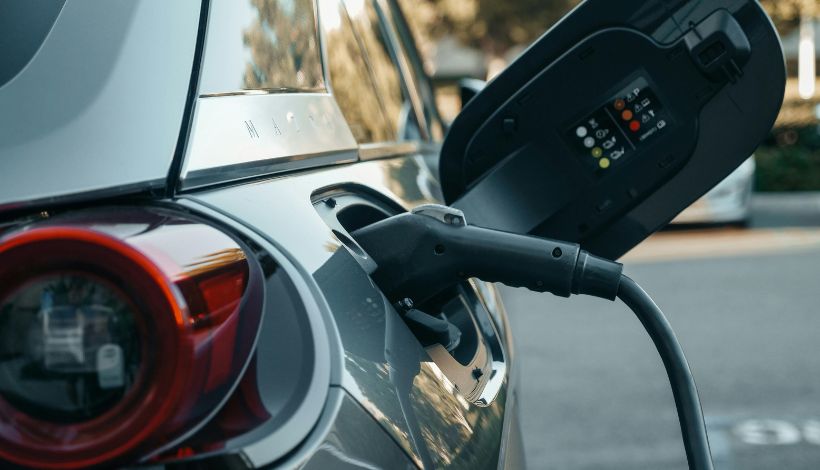
The electric vehicles Indonesia strategy is gaining urgency as geopolitical tensions in the Middle East place global oil markets under renewed pressure. Recent developments involving Iran have highlighted how quickly disruptions in energy supply routes can influence fuel prices worldwide.
One of the most sensitive chokepoints is the Strait of Hormuz, a maritime corridor through which a large share of global oil shipments passes. Any escalation in the region can disrupt flows and create volatility across international markets.
For Indonesia, such uncertainty reinforces the importance of reducing reliance on imported petroleum. The country’s electrification agenda particularly the electric vehicles Indonesia strategy has therefore become central to long-term economic planning.
Indonesia is now accelerating policies that support electric mobility, domestic battery production, and industrial investment linked to the global EV supply chain.
Oil Geopolitics and the Push for the Electric Vehicles Indonesia Strategy
Global oil markets remain highly sensitive to geopolitical events. Conflicts affecting major producing regions often lead to rapid price movements that ripple across global economies.
Indonesia once exported oil but now imports significant volumes to meet growing domestic demand. Rapid urbanization and expanding vehicle ownership continue to increase fuel consumption.
This environment strengthens the case for the electric vehicles Indonesia strategy. Electrification of transportation reduces exposure to global oil shocks and improves long-term energy resilience.
Nickel Resources Strengthen Indonesia’s EV Strategy
Indonesia possesses a major advantage in the global EV transition: abundant nickel reserves.
Nickel plays a critical role in lithium-ion battery production. The government has implemented policies that encourage domestic processing rather than exporting raw materials.
These measures are part of a broader downstream industrial agenda that supports the electric vehicles Indonesia strategy.
Industrial investments now include:
- nickel refining operations
- precursor and cathode manufacturing
- battery cell production facilities
- electric vehicle assembly plants
This integrated ecosystem allows Indonesia to connect mineral resources with advanced manufacturing industries.
For further insight into this policy direction, see our analysis on Indonesia’s downstream industry strategy and EV supply chain.
Global Automakers Respond to Indonesia’s EV Strategy
Indonesia’s industrial policy has attracted increasing interest from global automotive manufacturers.
Companies including BYD, Neta, Chery, Geely, Citroën, Maxus, Volkswagen and Aion have introduced electric models or announced production investments in Indonesia.
Their involvement reflects confidence in the country’s long-term EV ambitions. Manufacturers see opportunities in Indonesia’s growing market and its access to battery materials.
This collaboration strengthens the strategy while supporting technology transfer and employment growth.
You can also explore our article on why global EV manufacturers are investing in Indonesia.
Electric Mobility Expands Across Transportation
Passenger vehicles represent only one part of Indonesia’s electrification agenda.
Electric motorcycles offer enormous potential. Indonesia has tens of millions of two-wheelers, and electrification in this segment could significantly reduce fuel consumption.
Urban transport systems are also evolving. Electric buses are gradually appearing in major cities as part of broader sustainability initiatives.
Charging infrastructure continues to expand alongside vehicle adoption. Public charging stations and battery-swap networks are becoming more common across the country.
These developments support the broader electric vehicles Indonesia strategy while helping modernize the national transport system.
Energy Security and Industrial Transformation
Indonesia’s electrification push reflects both economic and strategic priorities.
Reducing reliance on imported oil improves resilience during global supply disruptions. At the same time, building EV manufacturing capacity strengthens domestic industry.
The electric vehicles Indonesia strategy therefore connects energy transition goals with long-term economic development.
Key Takeways
Geopolitical tensions affecting global oil markets continue to highlight the risks associated with energy dependence. Events involving Iran and key shipping routes demonstrate how external shocks can influence fuel prices across the world.
Indonesia’s response has been to accelerate electrification and industrial investment.
Through the electric vehicles Indonesia strategy, the country is building a domestic ecosystem that links nickel resources, battery manufacturing, and electric vehicle production.
This approach supports energy security while positioning Indonesia as a rising participant in the global EV industry.