Indonesia Green Business Opportunities: The Business of Green Transition in a Transforming Economy

Indonesia stands at a pivotal crossroads. Economic ambition now meets environmental responsibility in a way the country has never seen before. As Southeast Asia’s largest economy, Indonesia holds enormous potential to lead the region’s sustainability transformation. Therefore, Indonesia green business opportunities are no longer emerging trends they are becoming the foundation of long-term economic growth.
Moreover, Indonesia has committed to achieving net-zero emissions by 2060 or sooner. At the same time, the government targets strong GDP expansion over the next two decades. Consequently, sustainability is no longer a side agenda. Instead, it is central to national development planning.
In addition, the “Golden Indonesia 2045” vision reinforces this direction. It aligns economic growth with environmental resilience and social inclusion. As a result, businesses, investors, and entrepreneurs can tap into a rapidly expanding green economy.
Indonesia Green Business Opportunities in a Rapidly Evolving Economy
Indonesia’s economic transformation is driven by necessity. For decades, the country relied heavily on fossil fuels. However, global climate pressures and domestic environmental challenges are forcing a shift.
Therefore, the transition toward sustainability creates significant opportunities. Clean energy alone could generate millions of jobs while reducing emissions. At the same time, it improves air quality and public health outcomes.
Moreover, Indonesia benefits from abundant natural resources. The country has vast geothermal reserves, strong solar exposure, and extensive hydropower potential. As a result, renewable energy development becomes both viable and profitable.
In addition, Indonesia’s population of over 270 million creates strong domestic demand. Consumers are increasingly aware of sustainability issues. Therefore, businesses offering green products and services can scale quickly.
Indonesia Energy Transition Strategy and Renewable Energy Expansion

Indonesia’s energy transition strategy plays a critical role in unlocking Indonesia green business opportunities. Currently, renewable energy contributes less than 15% to the national energy mix. However, the government plans to increase this share significantly.
As a result, the renewable energy sector presents massive investment potential. Solar, hydropower, and geothermal energy are leading areas of growth. Each offers distinct advantages and scalable opportunities.
For example, solar energy can expand rapidly due to falling technology costs. Meanwhile, hydropower supports large-scale infrastructure development. In contrast, geothermal energy provides stable baseload power.
Furthermore, Indonesia’s decarbonization pathway requires substantial funding. Estimates suggest that up to $92 billion will be needed by 2050 to transform the energy sector. Therefore, investors and developers have a clear opportunity to participate.
In addition, renewable energy projects generate economic spillovers. They create jobs, stimulate local industries, and enhance energy security. Consequently, the sector offers both financial and social returns.
Indonesia Green Business Opportunities in Investment Diplomacy Framework
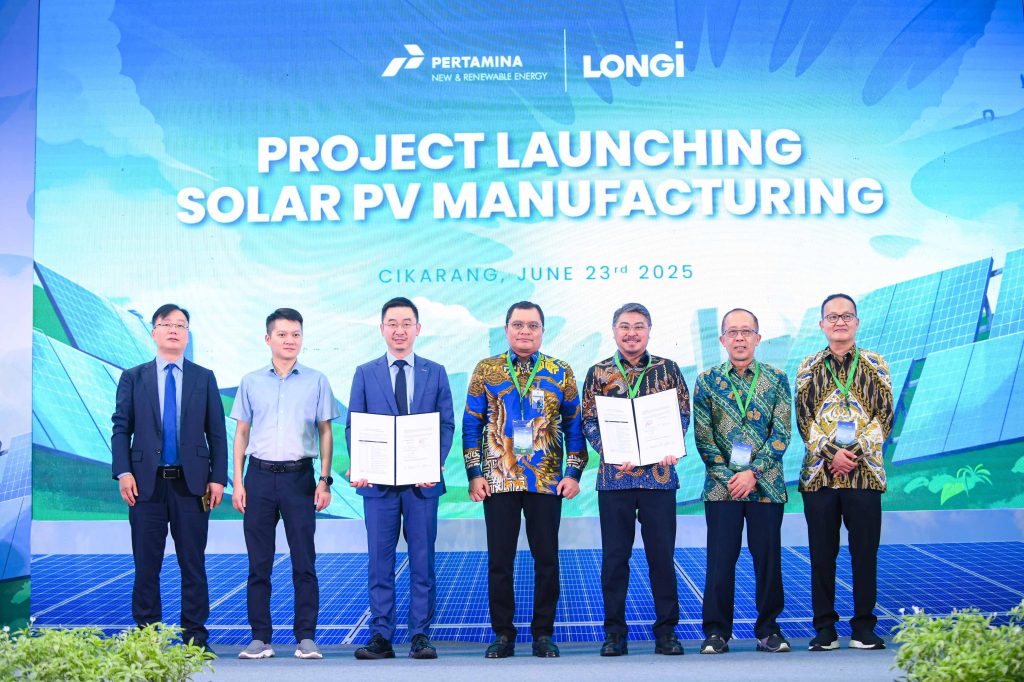
Indonesia actively attracts global capital through its investment diplomacy framework. The government collaborates with international partners and institutions. As a result, ESG investment flows continue to grow.
Moreover, sustainability has become a key factor in investment decisions. Investors increasingly prioritize environmental and social performance. Therefore, companies that align with ESG standards gain a competitive advantage.
One major development is the rise of Indonesia’s carbon market. Since its launch, the market has recorded significant trading volumes. This growth highlights strong demand for carbon credits.
In addition, carbon pricing mechanisms create new revenue streams. Businesses can monetize emission reductions and sustainability initiatives. Consequently, the financial ecosystem for green projects continues to expand.
Furthermore, the government plans to scale carbon trading significantly. This move could unlock billions of dollars in investment. Therefore, the carbon market represents a major pillar of Indonesia’s green economy.
Indonesia Startup Ecosystem in Sustainability and Green Innovation
Indonesia’s startup ecosystem is evolving rapidly. While it once focused on fintech and e-commerce, it now embraces sustainability. Therefore, the Indonesia green business opportunities landscape includes strong innovation potential.
Startups are entering sectors such as clean energy, waste management, and sustainable agriculture. In addition, green mobility solutions are gaining traction. Electric vehicles and smart transportation systems are key examples.
Furthermore, access to ESG funding continues to improve. Venture capital firms and impact investors actively support green startups. Consequently, early-stage companies can grow faster.
Government policies also support innovation. Tax incentives, grants, and regulatory frameworks encourage sustainable entrepreneurship. Therefore, Indonesia is becoming a regional hub for green innovation.
Indonesia Green Business Opportunities in Carbon Markets and Natural Capital
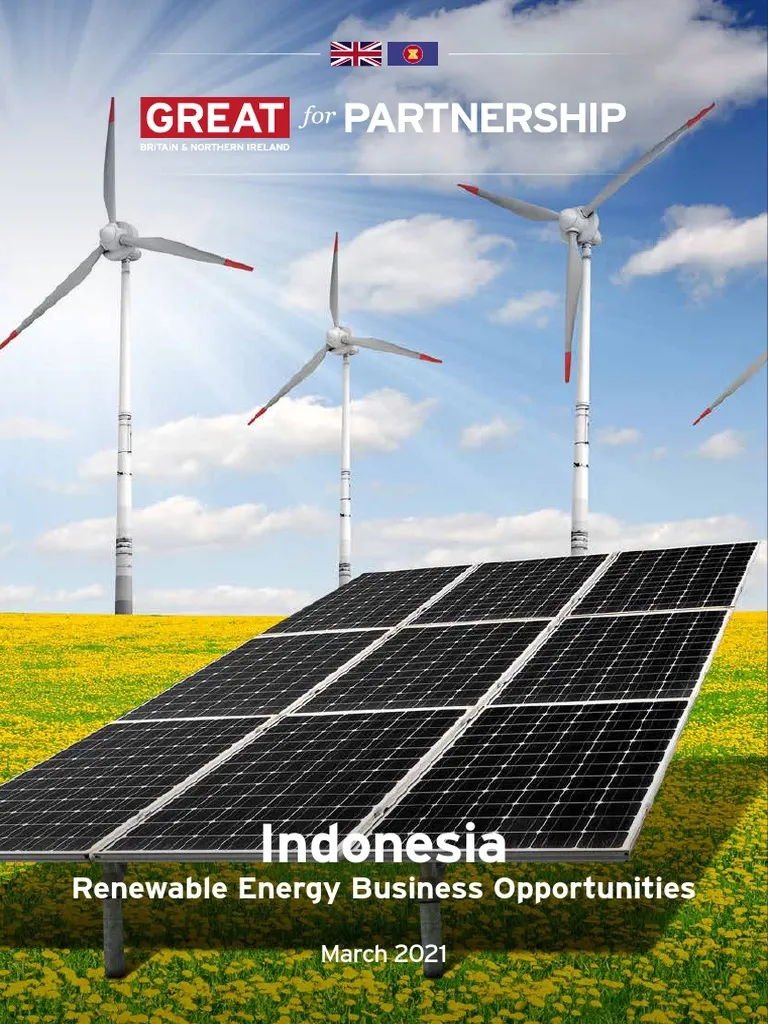
Indonesia’s carbon market is a strategic growth engine. It monetizes environmental outcomes and creates new business models. Therefore, it plays a central role in Indonesia green business opportunities.
The country’s natural assets provide a strong foundation. Indonesia has vast forests, peatlands, and mangroves. These ecosystems store significant amounts of carbon.
As a result, nature-based solutions become highly valuable. Reforestation, conservation, and sustainable land use generate carbon credits. Companies can then trade these credits in the market.
Moreover, carbon markets encourage better environmental practices. Businesses adopt sustainable methods to reduce emissions. At the same time, they create additional revenue streams.
In addition, global demand for carbon credits continues to rise. Therefore, Indonesia is well-positioned to become a leading supplier. This creates long-term opportunities across multiple industries.
Indonesia Green Business Opportunities in ESG Investment Flows
ESG investment flows are transforming corporate behavior. Investors now evaluate companies based on sustainability metrics. Therefore, ESG integration becomes essential for business success.
Companies must improve transparency and accountability. They need to disclose environmental impacts and governance practices. As a result, businesses become more resilient and trustworthy.
Moreover, ESG-focused companies often attract more capital. Investors view them as lower-risk and future-ready. Consequently, they benefit from better financing options.
In addition, sustainability enhances brand reputation. Consumers prefer companies that align with their values. Therefore, ESG adoption strengthens customer loyalty.
Furthermore, ESG practices improve operational efficiency. Companies reduce waste, optimize resources, and lower costs. As a result, they achieve both environmental and financial gains.
Indonesia Green Business Opportunities in Renewable Energy Supply Chains
Beyond energy generation, supply chains offer significant opportunities. Renewable energy projects require manufacturing, logistics, and maintenance services. Therefore, businesses across the value chain can benefit.
For example, solar panel manufacturing creates industrial growth. Meanwhile, logistics companies support project deployment. In addition, maintenance services ensure long-term efficiency.
Moreover, localizing supply chains reduces costs and increases resilience. Indonesia can develop domestic industries to support renewable energy expansion. Consequently, this strengthens economic independence.
Furthermore, supply chain development creates jobs. It supports small and medium enterprises across regions. Therefore, the impact extends beyond major cities.
Challenges and Risks in Indonesia Green Business Opportunities
Despite strong potential, challenges remain. Financing gaps still limit large-scale project development. However, innovative funding models can address this issue.
In addition, regulatory complexity can slow progress. Clear and consistent policies are essential. Therefore, ongoing reforms play a critical role.
Moreover, infrastructure limitations present obstacles. Grid capacity and distribution systems need improvement. Consequently, investment in infrastructure becomes necessary.
However, these challenges also create opportunities. Businesses that provide solutions can gain a competitive edge. Therefore, innovation and collaboration are key.
Indonesian Business Growth in Green Sectors: A Transformational Outlook
Indonesia’s green economy is set for rapid expansion. The combination of policy support, investment flows, and innovation creates strong momentum. Therefore, Indonesian business growth in green sectors will accelerate in the coming years.
Key sectors include renewable energy, carbon trading, and sustainable manufacturing. In addition, circular economy solutions are gaining importance. These sectors offer scalable and profitable opportunities.
Moreover, the green transition delivers social benefits. It creates jobs, improves health, and enhances environmental resilience. Consequently, it supports inclusive economic growth.
Furthermore, businesses that act early will gain advantages. They can capture market share and build strong reputations. Therefore, timing is critical.
Seizing Indonesia Green Business Opportunities for the Future
In conclusion, Indonesia green business opportunities represent a powerful growth frontier. The country’s commitment to sustainability drives transformation across industries. Therefore, businesses must adapt to remain competitive.
Renewable energy, carbon markets, and ESG investment flows form the core pillars of this transition. At the same time, startups and innovation accelerate progress. Consequently, the ecosystem continues to evolve.
Moreover, challenges exist, but they are manageable. With the right strategies, businesses can overcome barriers and succeed. Therefore, proactive engagement is essential.
Ultimately, Indonesian business growth in green sectors is not just inevitable it is accelerating. Those who invest early and strategically will benefit the most.