Football Business Engines: How the World’s Most Popular Sport Powers a Multi-Billion-Dollar Global Economy

Framing the Journey
In June 2026, during my visit to Perugia, Italy, I arrived expecting to learn more about one of the country’s historic football institutions, AC Perugia. Instead, I found myself examining something far larger than a football club.
Walking through the medieval streets of Perugia and speaking with professionals connected to the sport revealed an intricate economic system that extends far beyond the pitch. Behind every match lies a sophisticated network of media companies, global brands, technology firms, investors, tourism operators, data platforms, and talent developers.
Football commands an audience unmatched by almost any other form of entertainment. According to FIFA, more than five billion people engaged with the 2022 FIFA World Cup, making it one of the most watched events in human history. Meanwhile, Deloitte estimates that Europe’s leading football leagues generate tens of billions of euros annually through broadcasting, sponsorships, commercial activities, and matchday revenues.
For Indonesia and many Asian countries, football occupies a unique cultural position. Millions of supporters follow European clubs every week, creating one of the world’s largest football audiences outside Europe. That passion represents a significant economic opportunity.
My observations in Perugia highlighted five interconnected Football Business Engines that power one of the world’s most sophisticated economic ecosystems.
The Football Business Engines Behind Global Growth
Modern football operates through multiple revenue streams that reinforce one another. Together, these engines transform clubs from sporting organizations into global enterprises.
Engine 1: Media Rights and the Global Broadcast Economy
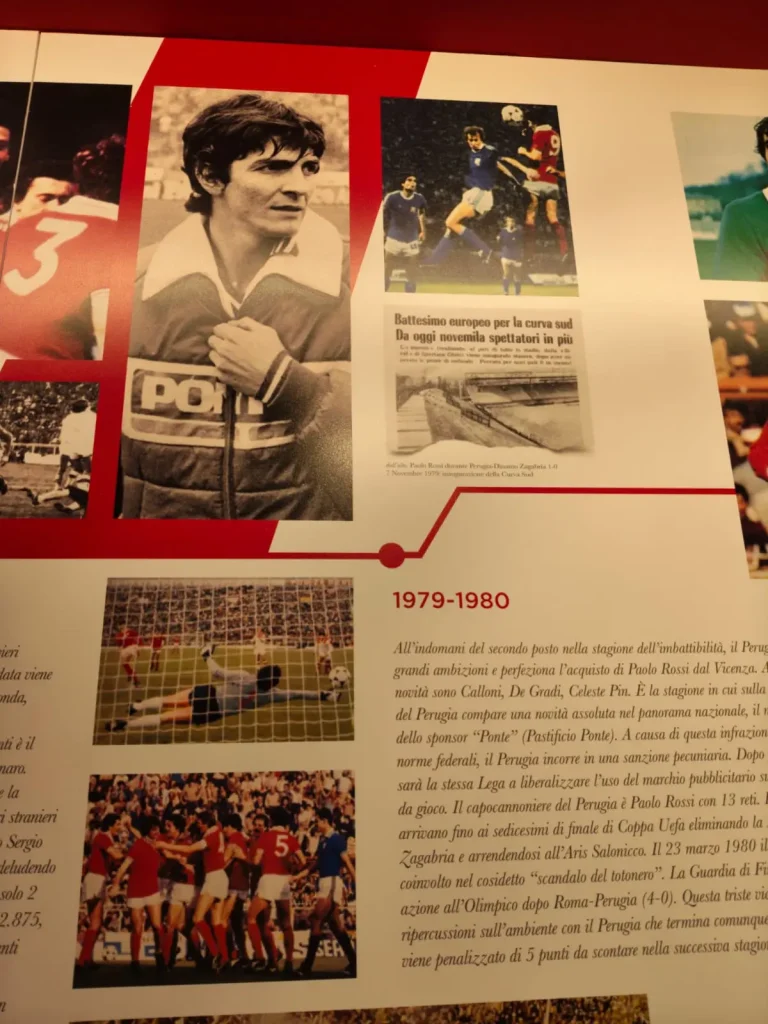
Football’s most valuable asset today is attention.
While stadiums remain important, the greatest source of value increasingly comes from millions of viewers watching matches across television networks, streaming platforms, mobile applications, and social media channels.
The English Premier League provides one of the strongest examples. Its domestic and international broadcasting agreements are worth more than £10 billion across multiple cycles. The league reaches audiences in over 190 countries, creating a truly global media product.
Likewise, UEFA competitions generate billions of euros through media agreements distributed across Europe, Asia, the Americas, Africa, and the Middle East.
Several trends continue to reshape this engine:
Streaming Platforms Expand Reach
Traditional broadcasters now compete with digital streaming services for premium sports content. Fans increasingly consume football through smartphones, tablets, and connected televisions.
This shift allows clubs and leagues to reach younger audiences while creating new monetization opportunities.
Digital Content Creates New Revenue Streams
Football organizations now operate as content companies.
Highlights, documentaries, behind-the-scenes footage, player interviews, podcasts, and social media programming generate engagement long after the final whistle.
Major clubs attract hundreds of millions of followers across digital platforms, enabling direct relationships with fans worldwide.
International Audiences Drive Growth
Asian markets remain particularly important.
Indonesia alone has one of the world’s largest football fan communities. European clubs invest heavily in regional partnerships, tours, merchandise distribution, and localized content to strengthen their presence across Southeast Asia.
Consequently, football’s media economy increasingly resembles the business model of global entertainment companies.
Engine 2: Commercial Partnerships Where Brands Buy Emotion
Few industries offer emotional engagement at the scale football provides. That reality explains why multinational corporations continue investing billions into sponsorships and strategic partnerships.
Football clubs have evolved into powerful marketing platforms capable of reaching consumers across continents.
Sponsorship Has Become a Strategic Asset

Shirt sponsorships remain among the most visible commercial agreements in global sport.
Leading clubs secure contracts worth tens of millions of dollars annually from airlines, technology firms, financial institutions, telecommunications companies, and consumer brands.
However, sponsorship today extends far beyond logos on jerseys.
Stadium Naming Rights
Companies increasingly seek naming rights partnerships to strengthen brand visibility.
These agreements create long-term relationships between corporations and football institutions while generating predictable revenue for clubs.
Corporate Hospitality and Business Networking
Football venues have become major business destinations. Executives use matchday hospitality suites to host clients, strengthen relationships, and facilitate commercial discussions.
For many companies, football delivers access to influential networks that extend beyond traditional advertising.
Brand Activation Opportunities
Sponsors seek engagement rather than visibility alone. Interactive campaigns, digital experiences, fan events, and community initiatives allow brands to connect directly with supporters.
As a result, football offers one of the most powerful emotional marketing environments available today.
Engine 3: Matchday Economy Creates Value Beyond the Stadium
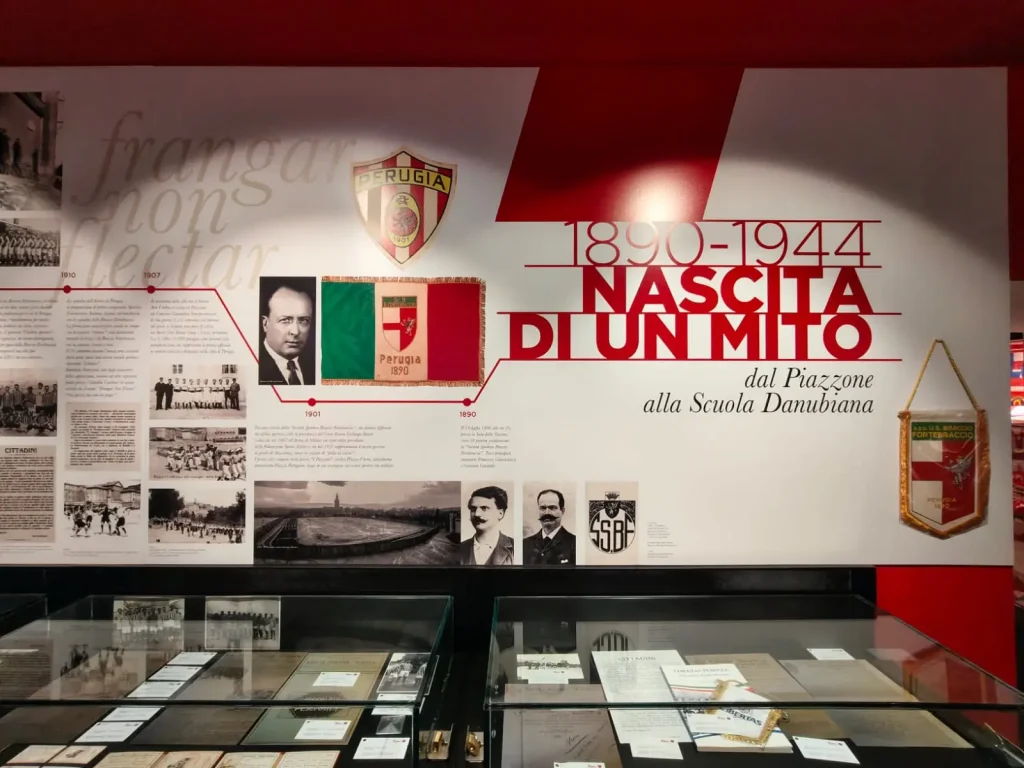
A football match influences far more than the final score. Every home fixture generates economic activity across an entire city.
More Than Ninety Minutes
Supporters purchase tickets, dine at restaurants, stay in hotels, use transportation services, and buy merchandise before and after matches. These activities create a multiplier effect that benefits local economies.
Tourism and Hospitality Growth
Football tourism continues expanding globally. Many supporters travel internationally to attend matches, stadium tours, and club-related events.
Cities hosting major football clubs often experience significant spending across accommodation, food services, retail, and entertainment sectors.
Perugia offers an interesting example.
Visitors attracted by football frequently explore the city’s medieval architecture, cultural attractions, restaurants, and surrounding Umbrian countryside, generating broader economic benefits.
Supporting Local Businesses
Small businesses often benefit substantially from football activity. Restaurants, cafes, retailers, transportation providers, and hospitality operators experience increased demand during match periods.
Consequently, football functions as an economic catalyst that supports employment and local tax revenues. For municipal governments, successful football clubs contribute to city branding, tourism promotion, and international visibility.
Engine 4: Player Trading and the Talent Marketplace

One of the most fascinating Football Business Engines operates through talent development. Increasingly, football clubs resemble venture capital firms.
They identify promising young talent, invest resources into development, manage risk, and seek long-term value creation.
Youth Academies as Talent Incubators
Europe’s leading clubs operate extensive academy systems.
These programs scout players at increasingly younger ages and provide coaching, education, sports science support, and performance development.
The objective is clear: transform potential into elite performance.
The Transfer Market as an Investment Ecosystem
Global transfer spending regularly exceeds several billion dollars annually. Clubs acquire players with the expectation that performance improvements will increase sporting and commercial value.
Some organizations have built highly successful business models around talent identification and development. The process closely resembles startup investing. Investors back promising entrepreneurs. Football clubs back promising athletes.
Both rely on identifying future potential before the broader market recognizes it.
Agent Networks and Global Scouting
Technology has expanded access to talent worldwide.
Scouts now evaluate players from Africa, South America, Asia, and emerging football regions using advanced analytics and video platforms.
As football globalizes, competition for elite talent continues intensifying.
Engine 5: Data, Analytics and Betting Form the New Intelligence Layer
Modern football increasingly runs on information. Data influences decisions across recruitment, coaching, commercial operations, fan engagement, and investment strategy.
Analytics Shapes Competitive Advantage
Elite clubs employ data scientists, analysts, and AI specialists to identify performance insights. Advanced metrics evaluate player efficiency, tactical effectiveness, injury risks, and recruitment opportunities.
Clubs capable of interpreting data effectively gain meaningful advantages over competitors.
AI-Driven Scouting
Artificial intelligence now supports talent identification across thousands of matches worldwide.
Algorithms help clubs discover undervalued players who may otherwise remain unnoticed. This approach reduces risk while improving recruitment efficiency.
Fan Engagement Technologies
Technology platforms increasingly personalize fan experiences.
Mobile applications, digital memberships, augmented reality experiences, and interactive content strengthen relationships between clubs and supporters.
These innovations also create additional revenue opportunities.
The Sports Betting Ecosystem
Sports betting has become closely connected to football’s commercial landscape.
Global sports betting markets generate hundreds of billions of dollars in annual wagering activity, with football representing one of the largest categories.
Although regulatory frameworks vary significantly across jurisdictions, betting continues influencing sponsorship, data distribution, and fan engagement strategies worldwide.
As a result, data has become football’s newest competitive currency.
Indonesia’s Growing Presence in Global Football Investment

Indonesia’s relationship with football extends beyond fandom.
Several Indonesian business leaders have invested directly in international clubs, demonstrating growing confidence in football as a long-term asset class.
Erick Thohir’s International Football Legacy
Before becoming a leading public figure in Indonesian football, Erick Thohir gained international recognition through ownership involvement with Inter Milan and other sports properties.
His experience demonstrated how football intersects with media, branding, investment, and global business strategy.
The Hartono Family and Como 1907
Among the most notable examples today is Como 1907, owned by Indonesia’s Hartono family through the Djarum Group.
The club’s rise has attracted international attention and highlights how strategic investment can create value through football operations, infrastructure, and brand development.
Jerry Lo and Emerging Football Investments
Indonesian entrepreneur Jerry Lo has also attracted attention through football-related investment initiatives, reflecting growing interest from Southeast Asian business leaders in the sport’s economic potential.
A New Generation of Investors
As football’s commercial ecosystem expands, more Indonesian and Asian investors are exploring opportunities across club ownership, technology, media, academies, sponsorships, and fan engagement platforms.
This trend aligns with Asia’s growing influence within the global sports economy.
Football as an Economic Ecosystem
My visit to Perugia began as a journey to understand a historic football club. However, the experience revealed something much larger.
Football operates simultaneously as a media industry, a technology industry, a tourism industry, a talent development industry, and an investment industry.
Each of the five Football Business Engines; media rights, commercial partnerships, matchday economics, player trading, and data-driven intelligence contributes to a system that generates billions of dollars in economic activity every year.
For Indonesia and the broader Asian region, the implications are substantial. The passion already exists. The audience already exists. Increasingly, the investment opportunities exist as well.
From the medieval streets of Perugia to boardrooms across Europe and Asia, football demonstrates how emotional connection can be transformed into sustainable economic value.
What began as a journey to a historic Italian football club ultimately revealed something much larger: football is more than the world’s most popular sport. It stands among the world’s most powerful economic engines, connecting cities, communities, capital, technology, and opportunity across continents.
RL