FIABCI World Congress Vienna 2026: Five Days That Redefined the Future of Global Real Estate
Vienna at the Center of a Changing Property World
Every industry has its gathering place.
For the global real estate community in 2026, that place was Vienna.
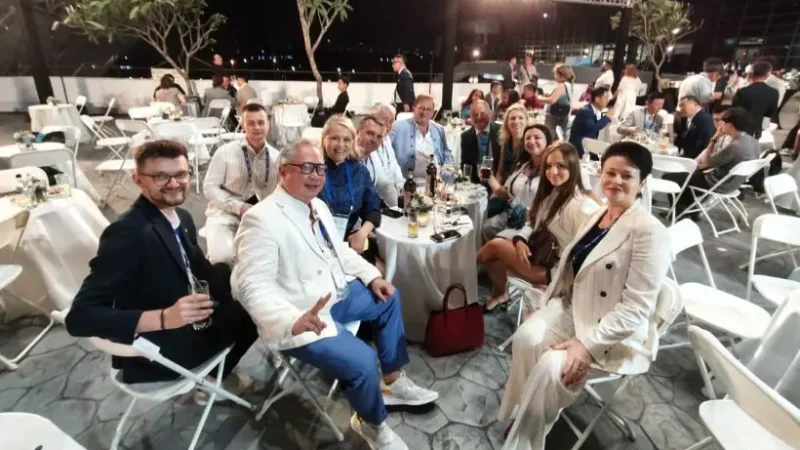
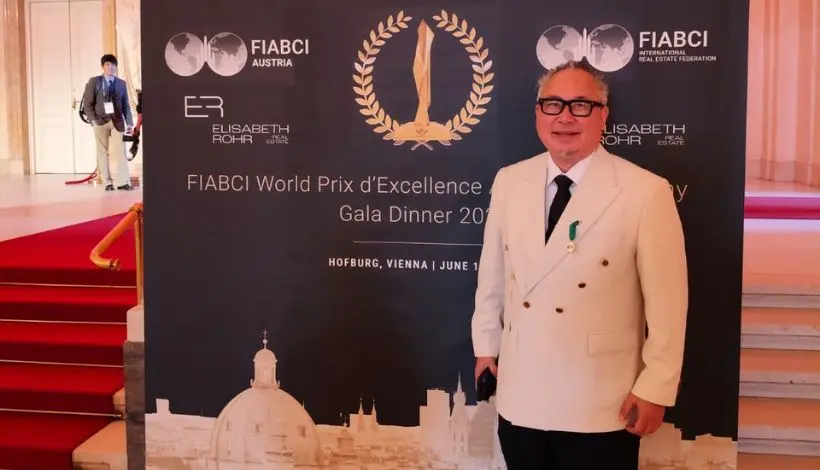
From June 8 to June 12, professionals from across the world converged at Hilton Vienna Park for the 76th FIABCI World Real Estate Congress, one of the industry’s most influential international forums. Organized by FIABCI Austria and the International Real Estate Federation (FIABCI), the congress brought together developers, investors, architects, urban planners, policymakers, technology innovators, and institutional leaders from dozens of countries.
According to official congress information, the event expected approximately 700 professionals, while FIABCI’s international communications projected participation of up to 1,000 delegates worldwide. More than 50 speakers contributed insights across investment, urban development, sustainability, housing, technology, and leadership discussions.
As the first Indonesian participant attending and documenting the congress from a firsthand perspective, I arrived in Vienna with a simple objective: to understand where global real estate is heading and identify lessons that Indonesia can adopt as it enters a critical phase of urban and economic transformation.
What unfolded over five days extended far beyond property transactions or investment opportunities.
The congress revealed how cities are competing for talent, how housing has become a strategic economic issue, how technology is reshaping investment decisions, and how successful nations create long-term value through disciplined urban planning.
For Indonesia, these lessons carry extraordinary relevance.
FIABCI World Congress Vienna 2026: Why This Gathering Matters
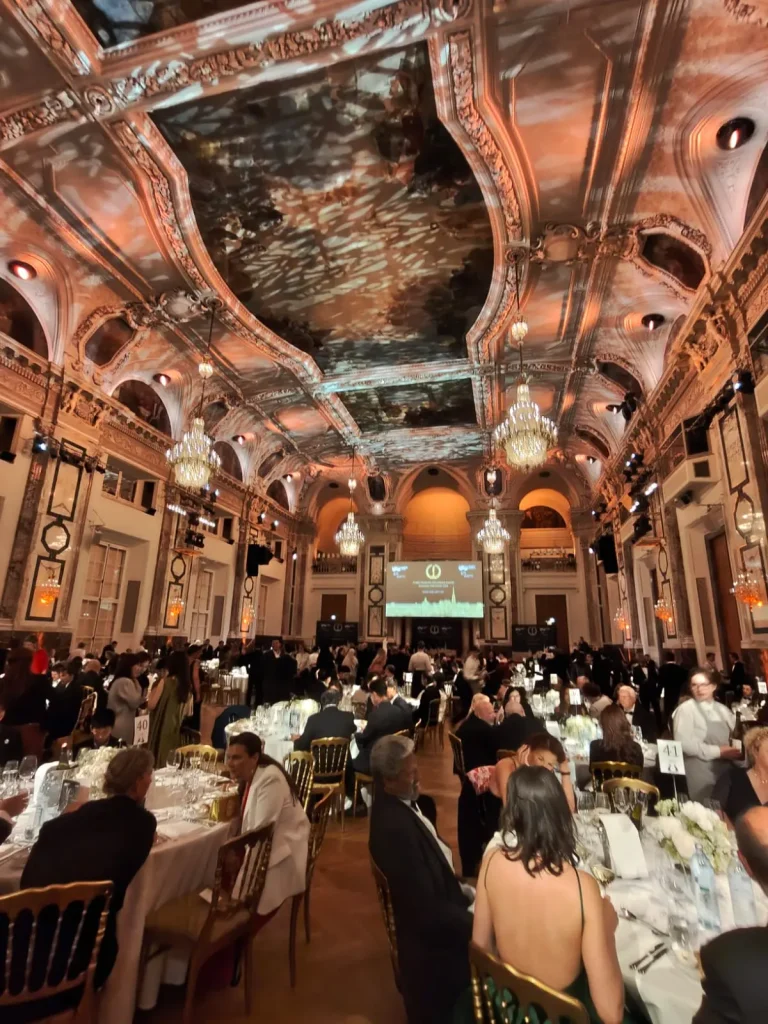
Founded in 1951, FIABCI has evolved into one of the world’s most established real estate organizations. Today, it operates across more than 80 countries and connects professionals spanning over 40 different real estate disciplines.
The significance of the FIABCI World Congress lies in its diversity. Unlike investment conferences that focus exclusively on capital markets or development forums centered on construction, FIABCI brings together the entire ecosystem.
Developers exchange ideas with city officials. Investors engage with architects. Housing experts collaborate with technology innovators. Government representatives discuss urban policy with private-sector leaders.
As a result, attendees gain a panoramic view of the industry’s future. Vienna provided an ideal setting.
The Austrian capital consistently ranks among the world’s most livable cities. Its combination of historical preservation, efficient infrastructure, affordable housing initiatives, and sustainable urban development has attracted global attention for decades.
Consequently, the city served as a living classroom throughout the congress.
Day One: Opening Vienna’s Global Conversation
The congress officially began with an opening ceremony that immediately reflected the event’s international character.
Delegates from Europe, Asia, North America, Latin America, Africa, and the Middle East gathered under one roof, creating an atmosphere rarely found in industry conferences.
The discussions started with a central question:
How can cities remain competitive in an era shaped by demographic shifts, technological disruption, climate challenges, and changing work patterns?
While each market faces unique circumstances, several themes emerged repeatedly throughout the day.
First, housing affordability has become a global concern.
Second, urban resilience increasingly influences investment decisions.
Third, technology is accelerating changes in how assets are managed and valued.
Most importantly, speakers emphasized that real estate now plays a larger economic role than many governments recognize. Housing, infrastructure, mobility, and urban services increasingly determine a country’s ability to attract talent and capital.
For Indonesia, where rapid urbanization continues to reshape metropolitan areas, these discussions offered immediate relevance.
Day Two: Housing, Capital, and the Future of Cities
The second day delivered some of the congress’s most influential discussions.
Among the keynote speakers was Anacláudia Rossbach, Executive Director of UN-Habitat, who highlighted the growing urgency of global housing challenges.
Her remarks reflected broader international concerns.
According to UN estimates, billions of people worldwide face inadequate housing conditions or affordability pressures. Consequently, governments and investors are searching for scalable solutions that balance economic returns with social impact.
Housing has increasingly moved from a social policy topic into a strategic economic issue. Countries that solve housing shortages improve productivity, workforce mobility, and long-term competitiveness.
Those that fail often face rising inequality and reduced economic efficiency. As I listened to these discussions, Indonesia repeatedly came to mind. The country’s housing demand remains substantial, supported by a population exceeding 280 million and ongoing urban migration.
Therefore, innovative partnerships between government, developers, financiers, and institutional investors will become increasingly important.
The conversations in Vienna demonstrated that successful housing strategies require long-term thinking rather than short political cycles.
Day Three: Vienna as a Living Case Study
One of the most valuable aspects of the FIABCI World Congress Vienna 2026 was the extensive program of real estate study tours.
Rather than limiting learning to conference halls, organizers encouraged participants to examine Vienna’s urban development model firsthand. This approach transformed the city itself into a classroom.
Delegates explored projects that illustrated how public planning and private investment can work together to create lasting value. Vienna’s housing policies attracted particular attention.
The city has earned international recognition for maintaining relatively affordable housing while preserving high standards of quality and urban design.
Meanwhile, transportation systems seamlessly connect residential, commercial, and cultural districts. The result is a city that functions efficiently while maintaining exceptional quality of life.
For investors, these tours provided practical examples of how thoughtful planning can strengthen long-term asset performance.
For policymakers, they demonstrated how urban development influences economic competitiveness. For me, the lesson was unmistakable.
Indonesia possesses extraordinary growth potential. However, realizing that potential requires consistent planning that extends beyond election cycles and individual projects.
Day Four: Technology, Leadership, and New Investment Frontiers
Technology emerged as another dominant theme. Artificial intelligence, data analytics, smart buildings, and digital property management platforms increasingly shape investment decisions.
Speakers discussed how technology improves operational efficiency, enhances tenant experiences, and supports sustainability objectives.
At the same time, leaders emphasized that technology alone does not guarantee success. Human leadership remains essential. Organizations that combine innovation with strong governance continue to outperform those pursuing technology without strategic direction.
Several breakout sessions examined changing workplace requirements following years of transformation in global work patterns. Office spaces continue evolving. Mixed-use developments gain momentum. Flexible environments increasingly attract occupiers seeking adaptability.
For investors, these trends create opportunities alongside challenges. Assets must evolve continuously to remain competitive. Consequently, successful developers increasingly focus on long-term adaptability rather than short-term optimization.
Day Five: Excellence, Recognition, and a Global Vision
The final days featured one of FIABCI’s most prestigious traditions: the FIABCI World Prix d’Excellence Awards. Often described as the “Oscars of Real Estate,” these awards recognize outstanding projects across multiple categories.
Winning developments typically combine design quality, innovation, sustainability, functionality, and community impact. The awards provided valuable insights into emerging global standards.
Developers are increasingly evaluated not only on financial performance but also on environmental responsibility, social contribution, and long-term resilience.
This broader definition of excellence reflects evolving investor expectations. Capital increasingly favors projects capable of delivering both economic and societal value.
As the congress concluded with the farewell celebrations and installation of new FIABCI leadership, participants reflected on five days of learning, networking, and collaboration. Yet the most important conversations concerned the future.
What Global Investors Should Know About Indonesia
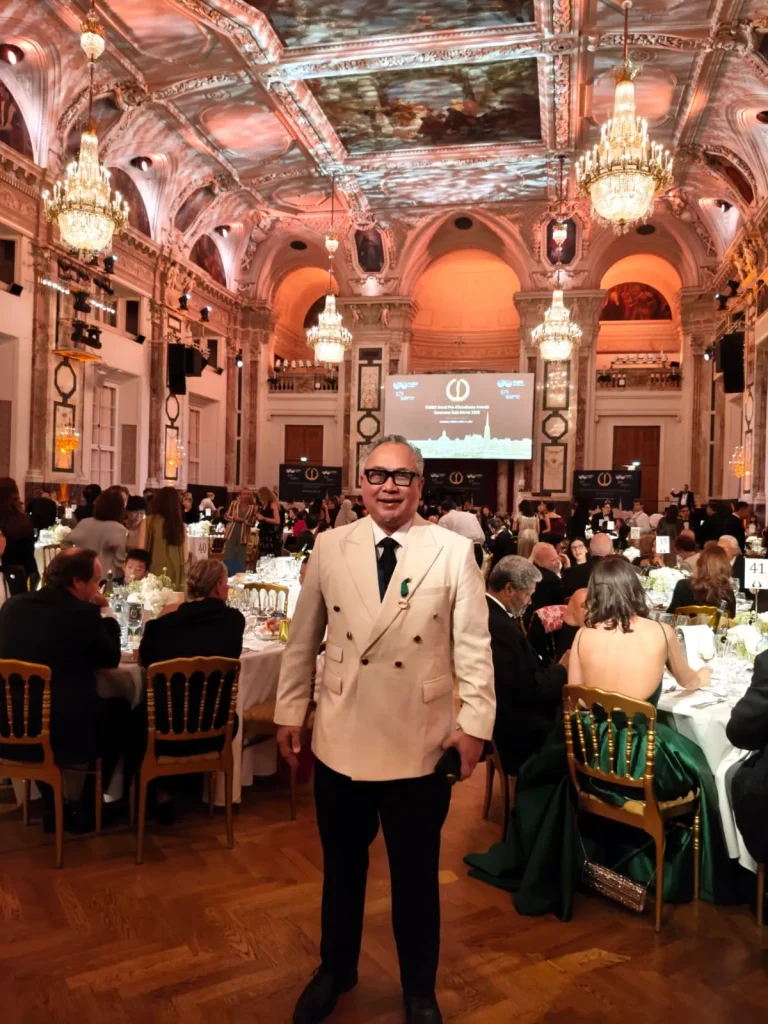
As I left Vienna, one message became increasingly clear. Indonesia deserves greater attention from global investors. The country combines demographic strength, expanding infrastructure, growing urbanization, and a rising middle class.
Few markets offer comparable long-term fundamentals. However, investors increasingly seek predictability alongside opportunity. They want transparent regulations. They value efficient permitting systems. They prioritize infrastructure readiness. They favor cities with coherent development strategies.
The examples presented in Vienna demonstrate how successful nations build trust through consistency.
A Personal Message to Indonesia
The most important lesson from FIABCI World Congress Vienna 2026 concerns mindset. Many of the world’s most admired real estate markets did not achieve their status overnight.
They developed through decades of planning, collaboration, and disciplined execution. Indonesia possesses abundant talent, resources, and entrepreneurial energy.
What we need is the courage to think longer term. We should study successful housing models. We should strengthen public-private partnerships. We should prioritize sustainable urban growth. We should create cities that attract investment while improving quality of life.
Most importantly, we should learn from global role models without abandoning our own identity. The future belongs to countries capable of combining local strengths with international best practices.
Indonesia has every opportunity to become one of them.
Vienna’s Lessons for the Next Generation of Growth
The FIABCI World Congress Vienna 2026 offered far more than industry discussions. It provided a glimpse into how cities, investors, and governments are preparing for the next era of economic development.
Across five remarkable days, participants explored housing solutions, investment strategies, technological innovation, urban resilience, and leadership principles that will influence real estate for decades.
The experience reinforced a powerful belief: Indonesia’s future can be accelerated by learning from the world’s best examples while building on its own unique strengths.
Vienna demonstrated what becomes possible when vision, planning, and execution work together over generations. Indonesia’s next chapter can follow the same path.
RL