Phu Quoc Tourism: Vietnam’s Next Luxury Hub
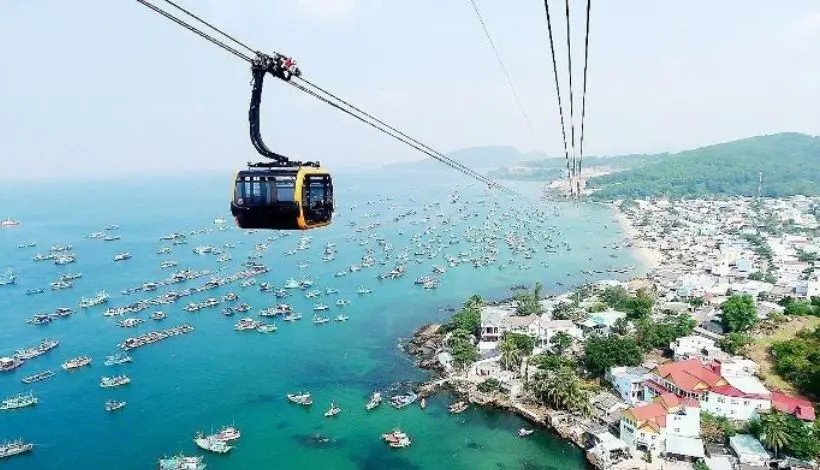
Phu Quoc has long been known as Vietnam’s “Pearl Island”, celebrated for white-sand beaches, tropical forests and calm waters in the Gulf of Thailand. Yet the island’s most interesting story today extends well beyond tourism.
A combination of government planning, international hospitality brands, large-scale infrastructure and increasingly sophisticated destination development is repositioning Phu Quoc as a regional luxury hub. The comparison with Bali is therefore increasingly relevant not because Phu Quoc can replicate Bali, but because Vietnam is building a different model around the same powerful proposition: nature, hospitality, lifestyle and international connectivity.
The numbers indicate the momentum. In the first nine months of 2025, Phu Quoc Special Zone welcomed more than 6.5 million visitors, including more than 1.2 million international tourists, generating approximately VND31.1 trillion in tourism revenue. International arrivals to Phu Quoc represented 97% of An Giang province’s international visitors during the period.
That trajectory deserves attention from investors, developers and policymakers across Southeast Asia.
From Pearl Island to Strategic Destination
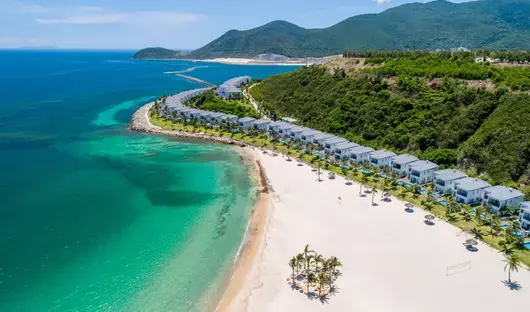
Phu Quoc’s transformation has been decades in the making.
Vietnam’s central government approved a tourism development master plan for the island in 2007, with an explicit ambition to develop Phu Quoc into a major, high-quality tourism and trade centre of regional and international importance.
The strategy subsequently evolved from conventional beach tourism towards an integrated destination model combining resorts, entertainment, retail, residential development, aviation and marine infrastructure.
The island covers approximately 589 square kilometres, and its 2040 master plan incorporates both terrestrial development and areas for potential development at sea.
Then came another significant institutional change.
Since July 1, 2025, Phu Quoc has operated as a special administrative zone under An Giang Province, following the merger of Kien Giang and An Giang. The new special zone covers more than 589 square kilometres and brings together the former Duong Dong and An Thoi urban areas and surrounding communes.
For investors, administrative architecture matters. A destination becomes considerably more competitive when infrastructure planning, investment facilitation and urban development can be coordinated around a single long-term economic strategy.
A Government-Supported Tourism Platform
Vietnam has also used immigration policy to reduce friction for international visitors.
Foreign passport holders can enter Phu Quoc without a visa for stays of up to 30 days, including qualifying travellers transiting through another Vietnamese international border gate before continuing to the island.
Vietnam itself welcomed more than 17.5 million international visitors in 2024, up 39.5% from 2023. Air arrivals accounted for 84.4% of the total, underlining how strongly international aviation connectivity supports the country’s tourism economy.
Phu Quoc is increasingly positioned to capture a larger share of that regional travel demand.
Phu Quoc Tourism Meets the Luxury Economy
The island’s strongest competitive advantage may be the speed with which its hospitality ecosystem has moved upmarket.
The development pipeline includes internationally recognised brands and destination-scale experiences that allow visitors to spend more time and potentially more money within the island economy.
Regent Residences Phu Quoc represents one of the most sophisticated examples. Located within the Phu Quoc Marina complex, the residences span 15 oceanfront hectares and comprise 78 landed sea villas and 42 sky villas, supported by luxury dining, recreation and resort services.
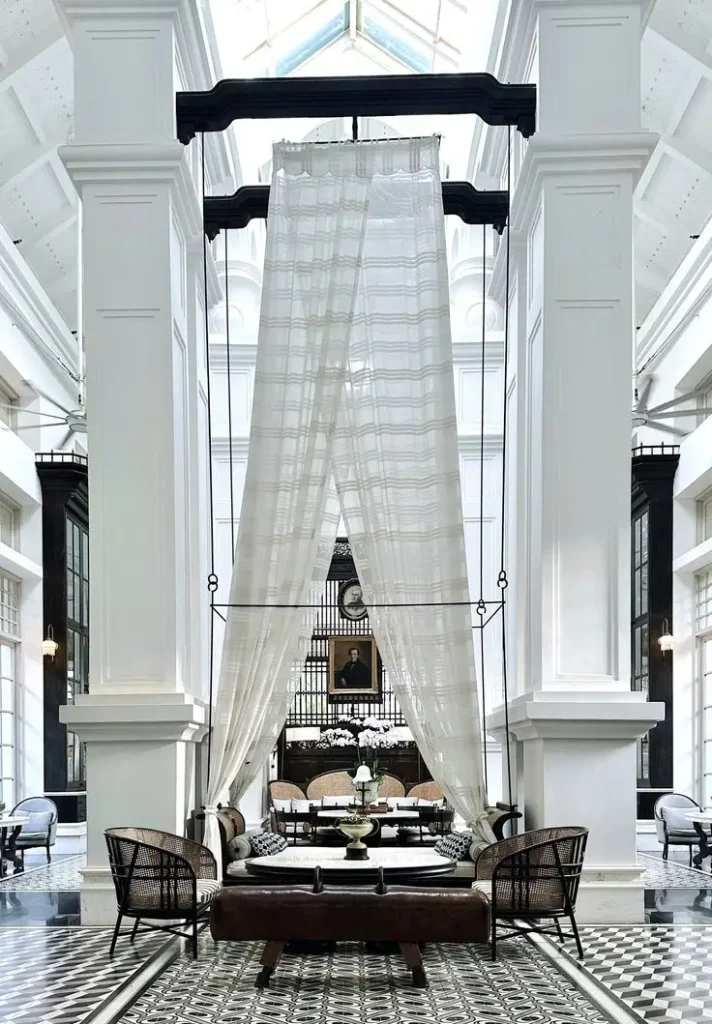
Nearby, JW Marriott Phu Quoc Emerald Bay demonstrates another dimension of the island’s strategy: international luxury combined with strong architectural identity. Designed by Bill Bensley and set along Khem Beach, the resort occupies a former 19th-century French university-inspired concept and combines villas, suites, restaurants, wellness and beachfront experiences.
At the southern tip, Premier Village Phu Quoc Resort offers a different proposition. Its 215 private-pool villas occupy a peninsula surrounded by two beaches, creating a residential-style hospitality experience that appeals strongly to families and high-spending leisure travellers.
Together, these properties illustrate an important shift: Phu Quoc is increasingly selling experiences and lifestyles rather than hotel rooms.
Building a Destination, not a Collection of Resorts
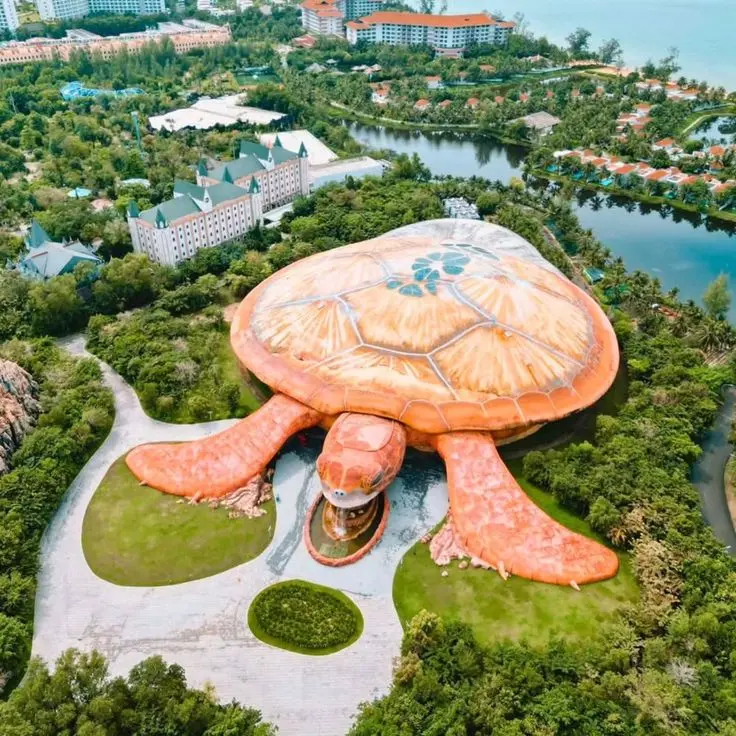
The more distinctive part of Phu Quoc’s development is the emergence of destination-scale entertainment.
Sunset Town has become an important example. Developed by Sun Group on the island’s southwestern coast, it combines architecture, waterfront attractions, restaurants, performances and year-round events. Its most recognisable landmark, Kiss Bridge, has become an emerging visual symbol of Phu Quoc.
The wider ecosystem includes VinWonders and Vinpearl Phu Quoc, which connect accommodation with entertainment and family-oriented experiences. Vinpearl’s Phu Quoc portfolio includes multiple resort concepts, while VinWonders provides a large-scale attraction capable of increasing visitor dwell time.
Meanwhile, Sun Group has created a distinctive tourism infrastructure model around southern Phu Quoc. The Hon Thom cable car, for example, connects the island to Hon Thom and has become an attraction in its own right.
This matters economically.
A resort generates room revenue. A destination ecosystem can generate accommodation revenue, restaurant spending, retail sales, entertainment income, transportation revenue, property demand and repeat visitation simultaneously.
That multiplier effect is what makes Phu Quoc increasingly interesting as an investment story.
Infrastructure Is Becoming the Competitive Weapon
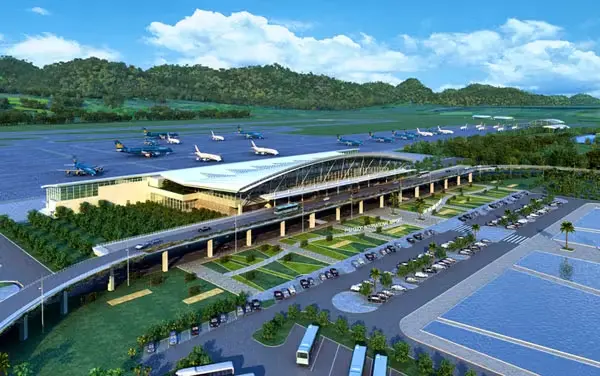
Tourism destinations ultimately compete on accessibility as much as scenery.
Phu Quoc International Airport has become a critical part of the island’s growth story. During the 2026 Tet holiday period alone, the airport handled 767 flights and more than 260,000 passengers, with passenger volume up 37% from the comparable period in 2025. International passengers accounted for more than 143,000 of the total.
The development direction is ambitious. Plans reported for the airport expansion envision capacity rising substantially in stages, supporting the island’s longer-term international tourism ambitions.
The emergence of Sun PhuQuoc Airways in 2025 adds another strategic layer. Sun Group launched the carrier as Vietnam’s first resort-airline model, designed specifically to strengthen connectivity between Phu Quoc and international markets.
The lesson is significant: luxury destinations require luxury infrastructure.
Bali’s competitive advantage was built over decades through international aviation, hospitality expertise, restaurants, culture, wellness, property and a powerful global brand. Phu Quoc is compressing parts of that development cycle by coordinating infrastructure and destination investment more deliberately.
Bali and Phu Quoc: Competition or Different Models?
Indonesia recorded approximately 6.3 million foreign tourist arrivals to Bali in 2024, while Bali’s provincial government expected the number to exceed 7 million in 2025.
Bali’s strength comes from a deeply established cultural identity, mature hospitality infrastructure, international communities, wellness economy, creative industries and decades of accumulated global recognition.
Phu Quoc offers something different: a more concentrated island platform where large developers, government policy, aviation and international hospitality brands can build an integrated destination relatively quickly.
For Indonesia, that distinction is valuable.
The strategic question is not whether another Indonesian island should “become the next Bali”. It is whether Indonesia can develop multiple high-value destinations with their own economic identities, rather than concentrating international tourism demand disproportionately in one market.
What Indonesia’s High-End Market Can Learn
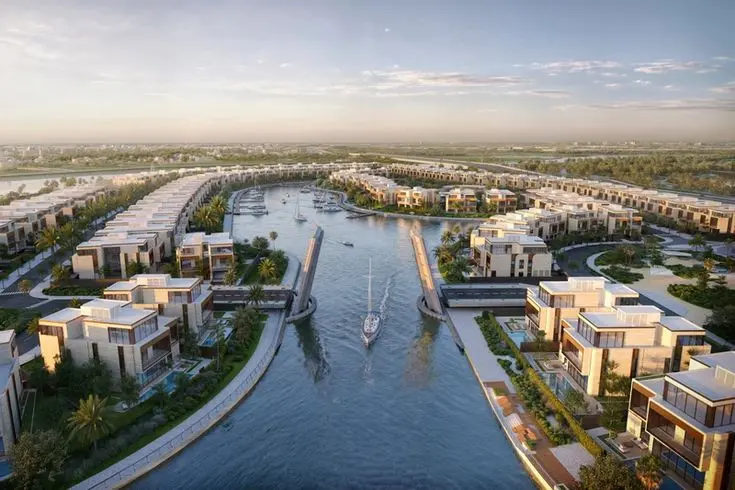
The Indonesian high-end market already possesses many of the ingredients Phu Quoc is developing: Bali’s luxury resorts, Labuan Bajo’s premium tourism positioning, Lombok’s Mandalika ecosystem, Jakarta’s branded residences and emerging destinations across Eastern Indonesia.
The opportunity lies in integrating them.
Vietnam’s approach demonstrates how hospitality, entertainment, aviation, residential development and government policy can reinforce one another.
The luxury segment is particularly relevant. International branded residences are expanding rapidly across Vietnam, with projects ranging from Regent Phu Quoc to Park Hyatt Phu Quoc and major urban developments in Ho Chi Minh City. Savills has estimated that Marriott International, IHG Hotels & Resorts and Accor together account for around 40% of Vietnam’s branded-residence market.
The Rivus, developed by Masterise Homes with Elie Saab, illustrates the sophistication of Vietnam’s luxury residential market. Importantly, The Rivus is located in Thu Duc City, Ho Chi Minh City not Phu Quoc but it demonstrates the broader Vietnamese appetite for branded, highly differentiated residential products.
For Indonesian developers, this points toward a more sophisticated proposition: branded residences, destination retail, curated cultural experiences, wellness, marina infrastructure, aviation connectivity and high-quality public realm can be designed as one investment ecosystem.
Tourism, Lifestyle and Finance

Calling Phu Quoc, a financial city today would run ahead of the evidence. Its strongest established economic engine remains tourism. Yet the direction of travel is intriguing.
A mature tourism economy can create the conditions for a broader services economy: hospitality finance, property investment, private wealth, aviation, healthcare, education, professional services, events and cross-border commerce.
Phu Quoc’s special-zone status and long-term planning create an institutional platform for that evolution. The island’s ability to attract international capital, retain high-spending visitors and support sophisticated residential and hospitality products will determine whether that ambition develops beyond tourism into a broader economic centre.
The market potential is therefore larger than a beach destination.
For Indonesian high-net-worth individuals and investors, Phu Quoc also presents a useful benchmark. It offers proximity, internationally managed hospitality, a rapidly expanding luxury ecosystem and a destination model that feels increasingly familiar to Asian travellers while remaining distinctly Vietnamese.
A Strategic Lesson for Indonesia
Phu Quoc’s rise offers Indonesia a useful mirror. Bali’s success proves that a tropical destination can become a global economic brand. Phu Quoc demonstrates how policy, infrastructure and private capital can accelerate the creation of a new one.
The island’s development deserves attention precisely because it combines natural assets with deliberate economic design.
Its future will depend on maintaining environmental quality, ensuring infrastructure keeps pace with visitor growth, developing local capabilities and avoiding excessive dependence on large-scale tourism projects. Those challenges will matter as much as the headline investment figures.
The next generation of successful destinations will compete through ecosystems, not attractions. They will connect luxury hospitality with residential development, mobility, culture, entertainment, investment and place-making.
Phu Quoc has begun assembling that ecosystem at remarkable speed. Bali remains the benchmark. Phu Quoc may become the experiment that shows Southeast Asia how the next benchmark can be built.
RL