Rusmin Lawin on Nusantara: Advancing Indonesia’s Global Investment Diplomacy Through FIABCI Leadership
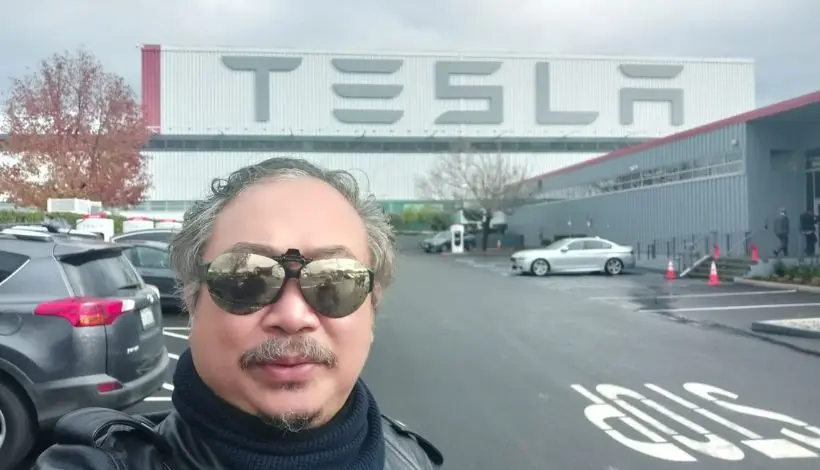
Leadership is not always defined by the office someone holds. More often, it is measured by the trust they earn, the relationships they build, and the influence they create over time. Few Indonesians embody this style of leadership as consistently as Rusmin Lawin.
For more than three decades, Rusmin Lawin has worked at the crossroads of real estate, international investment, and economic diplomacy. Throughout his career, he has built strong relationships with business leaders, policymakers, and global institutions. These connections have helped position Indonesia more prominently within the international investment community.
His professional journey spans three Indonesian presidential administrations. During the presidency of Susilo Bambang Yudhoyono, he expanded Indonesia’s international real estate network. Under President Joko Widodo, he actively supported the country’s vision for infrastructure and urban transformation. Today, during President Prabowo Subianto’s administration, he continues to strengthen international collaboration while promoting Indonesia as a competitive destination for long-term investment.
Despite changing governments and global economic conditions, one principle has remained constant. Rusmin believes that lasting investment begins with trust. He has consistently built relationships that connect Indonesia with respected leaders from the global business community.
Today, Rusmin serves as President of FIABCI Asia Pacific, one of the world’s leading international real estate organizations. In this role, he represents not only Indonesia’s property sector but also its broader investment ambitions.
His leadership has strengthened Indonesia’s presence within FIABCI’s global network. That network brings together developers, investors, financial institutions, urban planners, and policymakers from around the world. Through this platform, he has promoted international collaboration, encouraged knowledge exchange, and expanded opportunities for sustainable investment.
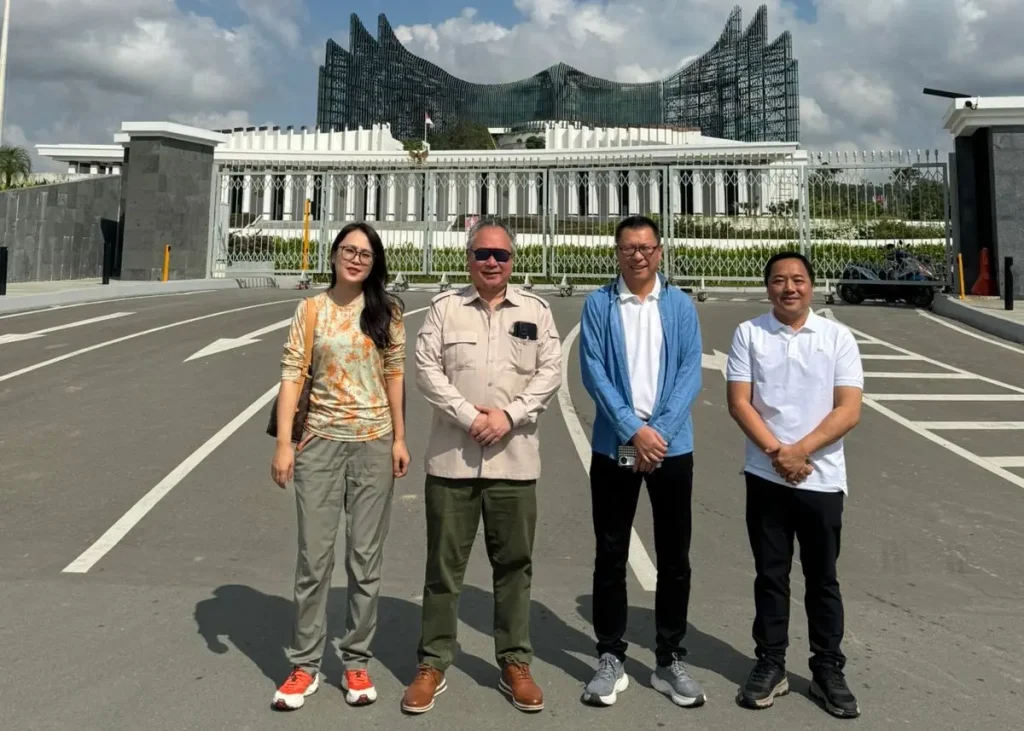
One of his most significant contributions has been supporting the international promotion of Nusantara, Indonesia’s new capital city. He has introduced the project through global forums, investment missions, and strategic business engagements. His efforts have helped international audiences understand that Nusantara is more than a government relocation project. It represents Indonesia’s long-term vision for sustainable urban development, innovation, and economic growth.
Beyond his official positions, Rusmin is widely respected for his ability to connect people. He has earned the trust of government leaders, developers, investors, and international organizations alike. Over the years, he has become a bridge between Indonesia and the global business community. His influence comes not from authority alone but from credibility, consistency, and decades of relationship building.
These achievements make Rusmin Lawin a natural choice for Indonesia Rising’s Great Minds series. This editorial series features visionary leaders whose ideas, leadership, and lifelong contributions have advanced Indonesia’s development and strengthened its reputation on the global stage. Rather than pursuing recognition, they create meaningful impact through collaboration, integrity, and long-term commitment.
This exclusive interview is conducted by me, Tania Maris, Editor in Chief of Indonesia Rising, writing under my pen name GMora (GM). Throughout this interview, the interviewer will be referred to as GM, while Rusmin Lawin will be referred to as RL.
Building Indonesia’s Future
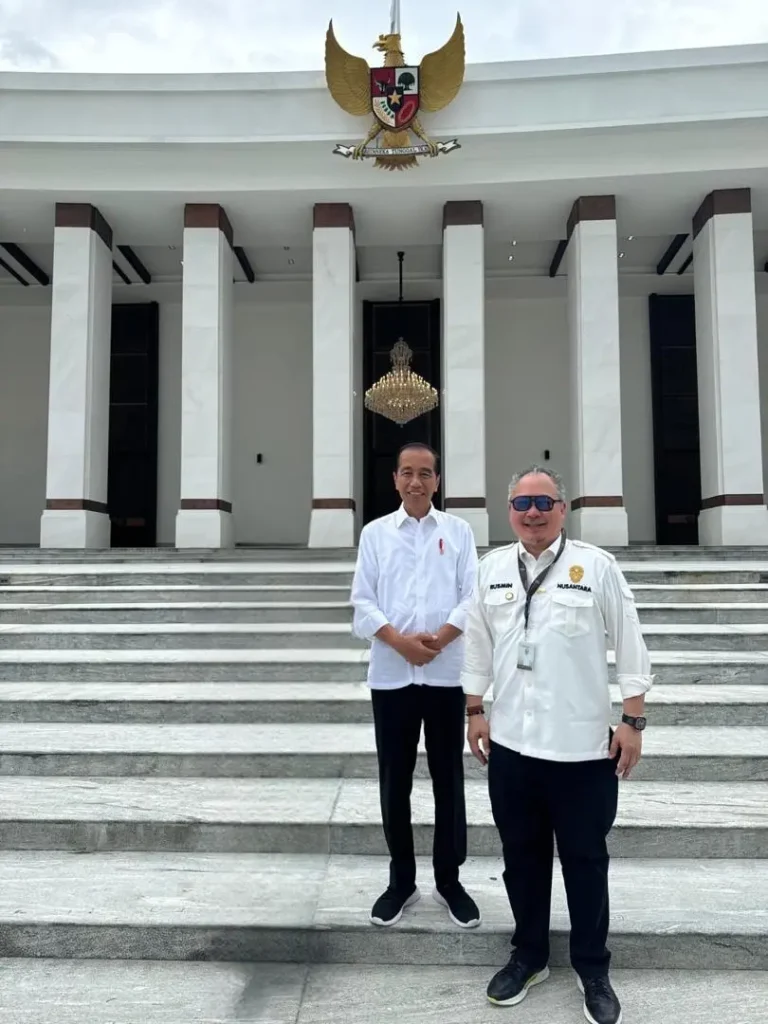
GM: Indonesia is entering a defining chapter with the development of Nusantara as the nation’s new capital. As someone actively involved in introducing the project to international stakeholders, what first convinced you that Nusantara could become a transformative milestone for Indonesia?
RL: What convinced me from the beginning was that Nusantara is far more than a new administrative capital. It is a long-term national vision that can reshape Indonesia’s economic future and strengthen its position on the global stage.
When I introduced Nusantara to international investors and global real estate leaders, I found that their interest extended beyond the city’s physical development. They wanted to understand Indonesia’s vision, policy direction, and long-term commitment. That is where trust becomes essential.
Through FIABCI and various international forums, I have focused on building that trust by connecting Indonesia’s aspirations with global partners who value sustainable development and responsible investment.
For me, Nusantara is more than a city. It represents Indonesia’s confidence to think ahead, embrace innovation, and create opportunities for future generations. If developed with consistency and strong collaboration, it can become a transformative milestone for the nation.
GM: Throughout your career, you’ve worked with governments, global investors, and leading real estate organizations across many countries. Which experiences have best prepared you to contribute to Indonesia’s investment diplomacy today?
RL: I have been fortunate to learn from many remarkable leaders throughout my career, but two individuals have shaped my perspective on real estate more than anyone else. The first was the late Dr. Ciputra, whose vision transformed not only skylines but also the way we think about creating sustainable communities and long-term value. The second is Budiarsa Sastrawinata, who continues to carry forward that vision with professionalism, integrity, and a strong commitment to innovation.
Beyond these invaluable mentors, my involvement with FIABCI and decades of engagement with governments, developers, investors, and industry leaders across Asia, Europe, and other regions have broadened my understanding of how successful countries attract long-term investment. I learned that investment diplomacy is not about promoting projects alone. It is about building credibility, nurturing trust, and creating partnerships that deliver mutual value.
These experiences have prepared me to contribute to Indonesia’s investment diplomacy today. My role is to help the international community see Indonesia not only as a promising market, but as a trusted long-term partner. I believe relationships built on integrity and consistency are the strongest foundation for sustainable investment and national development.
GM: Beyond infrastructure, what long-term opportunities do you believe Nusantara creates for Indonesia’s economy, urban development, and international competitiveness?
RL: Nusantara is not simply about constructing a new capital city. Its greatest value lies in the multiplier effect it can create across Indonesia’s economy. A well-planned capital attracts investment, creates quality jobs, accelerates infrastructure development, stimulates innovation, and opens new opportunities for local businesses and communities. When these elements work together, the benefits extend far beyond Nusantara itself and contribute to more balanced national growth.
I also see Nusantara as closely aligned with President Prabowo Subianto’s vision for Indonesia. I often refer to this vision as the ‘Duo Champion’ strategy, a term I coined to describe the simultaneous development of globally competitive growth centers and strong regional economic champions across the archipelago.
On one hand, we need globally competitive metropolitan centers that can attract international capital, technology, and talent. On the other, we must strengthen regional economies so that prosperity is shared more evenly across the archipelago. Nusantara has the potential to become a catalyst for both objectives.
International investors today are looking for more than attractive projects. They seek policy consistency, good governance, sustainability, and a clear long-term vision. Nusantara offers Indonesia an opportunity to demonstrate all of these qualities. If we continue to develop it with discipline and strong public-private collaboration, it will not only strengthen our international competitiveness but also reinforce Indonesia’s position as one of Asia’s most promising destinations for long-term investment.
FIABCI and Indonesia’s Global Position
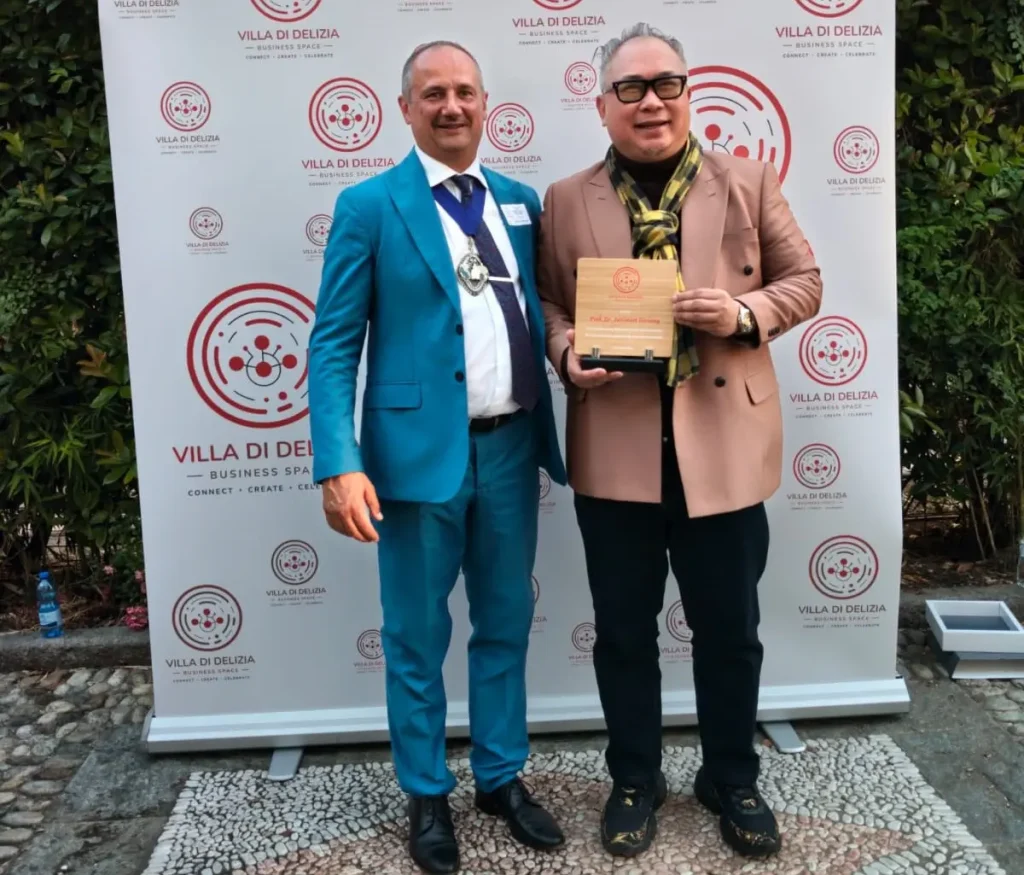
GM: As President of FIABCI Asia Pacific, how do you see Indonesia’s position evolving within the global real estate industry?
RL: Indonesia is entering a very promising phase. We are no longer viewed simply as one of Southeast Asia’s largest property markets. Today, we are increasingly recognized as a strategic partner in shaping the future of sustainable urban development across the region.
As President of FIABCI Asia Pacific, I have the privilege of engaging with industry leaders from many countries. I see growing interest in Indonesia, not only because of its economic potential but also because of visionary initiatives such as Nusantara, our expanding infrastructure, and our commitment to sustainable development. These factors have elevated Indonesia’s profile within the international real estate community.
However, international recognition cannot rely on market size alone. We must continue to strengthen governance, embrace innovation, uphold professional standards, and deliver projects that create long-term value. These are the qualities that earn global trust.
I believe FIABCI plays an important role in this journey. It provides a platform where Indonesia can exchange knowledge, showcase its achievements, and build meaningful partnerships with global developers, investors, and policymakers. My mission is to ensure Indonesia is not only participating in global conversations but also helping to shape them.
GM: What tangible benefits has Indonesia gained through its active participation in FIABCI, particularly in attracting international partnerships, knowledge exchange, and investment opportunities?
RL: FIABCI has given Indonesia far more than international exposure. It has created a trusted platform for collaboration. Through this global network, we have been able to connect Indonesian developers, policymakers, and industry leaders with investors, professionals, and institutions from around the world.
One of the most valuable outcomes is knowledge exchange. Every country faces different urban challenges, and FIABCI allows us to learn from successful experiences while sharing Indonesia’s own innovations. This exchange helps raise professional standards and encourages more sustainable, future-ready development.
Equally important, FIABCI strengthens investor confidence. International investors are more inclined to explore opportunities when they understand the people, policies, and long-term vision behind a market. Over the years, I have witnessed many introductions at FIABCI evolve into meaningful business relationships, strategic partnerships, and investment discussions that benefit Indonesia.
For me, the greatest value of FIABCI lies in building trust before transactions. Capital naturally follows confidence, and confidence grows through strong relationships. That is why I have always viewed FIABCI not merely as a real estate organization, but as a platform for investment diplomacy, one that helps position Indonesia as a credible, collaborative, and globally connected investment destination.
GM: How important is international collaboration in helping Indonesia develop world-class cities, sustainable communities, and globally competitive real estate projects?
RL: International collaboration is no longer optional, it is essential. No country can build world-class cities by working in isolation. The most successful urban developments are the result of shared knowledge, global best practices, and partnerships built on mutual trust.
Throughout my involvement with FIABCI and other international organizations, I have seen how countries accelerate their progress by learning from one another. Indonesia does not need to reinvent every solution. We can adopt proven approaches in sustainable urban planning, smart city development, green buildings, and community-centered design, while adapting them to our own national character and local needs.
At the same time, collaboration is a two-way exchange. Indonesia also has valuable experiences to contribute. Projects like Nusantara demonstrate our ambition to create a future-ready capital that balances economic growth, environmental sustainability, and social inclusion. By sharing these experiences, Indonesia can become not only a learner but also a contributor to global urban development.
Ultimately, great cities are not defined by iconic skylines alone. They are built through visionary leadership, strong governance, and partnerships that bring together governments, businesses, professionals, and communities. International collaboration is the bridge that transforms those shared aspirations into lasting impact.
Leading Through Crisis
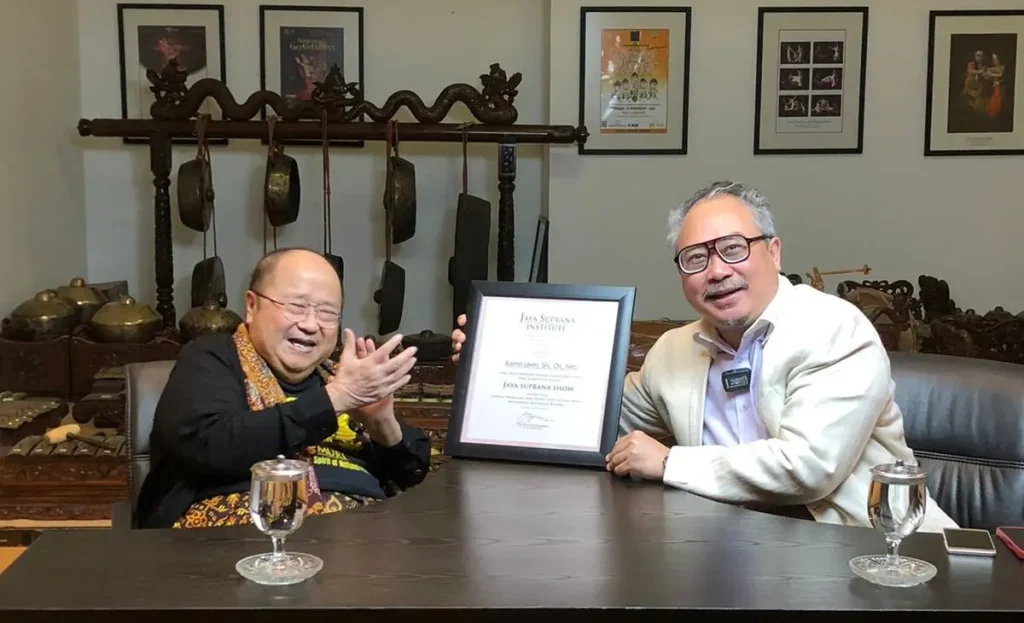
GM: During the COVID-19 pandemic, when international travel came to an unprecedented halt, you continued representing Indonesia abroad and even earned recognition from MURI for your exceptional international travel record. What motivated you to keep going when most people chose to stay still?
RL: For me, the pandemic did not change the mission. It only changed the challenges. While many activities came to a halt, building international trust could not simply be put on hold. Indonesia still needed to stay connected with the world, and relationships required continuous engagement.
My travels were never about collecting miles or setting records. They were about ensuring that Indonesia remained present in global conversations, strengthening partnerships, and maintaining investor confidence during a time of great uncertainty. The MURI recognition was an unexpected honor, but it was never the objective.
That period reinforced one lesson for me: leadership is not measured by how comfortable the circumstances are, but by how committed you remain when circumstances become difficult. Sometimes, simply showing up sends the strongest message of all.
GM: The pandemic fundamentally changed the way the world connected. Looking back, what were the most important lessons you learned from maintaining international relationships during such an uncertain period?
RL: The pandemic reminded me that relationships are built long before they are tested. In times of uncertainty, people do business with those they already trust. That is why maintaining communication and staying present became more important than ever.
I also learned that technology can help us stay connected, but it can never fully replace genuine human relationships. Trust is still built through consistency, integrity, and showing that you remain committed even during difficult times.
Those lessons continue to guide me today. Investment diplomacy is ultimately about people. Markets may fluctuate, but relationships built on trust will always endure.
GM: Your experience demonstrates that leadership is tested most during difficult times. How did those years reinforce your belief that trust, consistency, and personal presence remain irreplaceable in investment diplomacy, even in an increasingly digital world?
RL: Those years strengthened my belief that trust remains the most valuable currency in international business. Digital technology allowed us to communicate, but it could never replace credibility, consistency, and genuine human connection.
Investment decisions are ultimately made between people, not platforms. During uncertain times, personal presence even when difficult, demonstrated commitment and gave partners confidence that Indonesia remained open, reliable, and ready to collaborate.
That experience reminded me that leadership is not about being visible when times are easy. It is about being dependable when the world is uncertain. Trust built over decades becomes most valuable during moments of crisis.
Investment Diplomacy
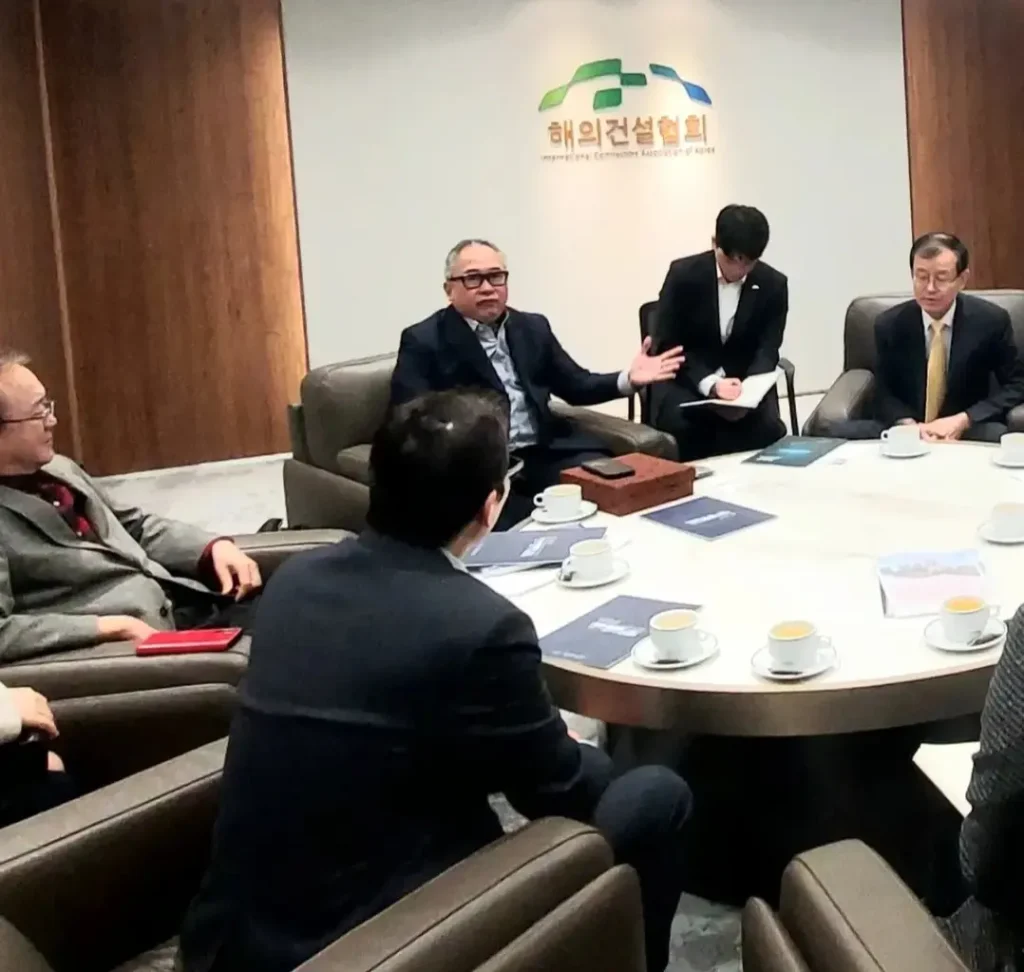
GM: Over the years, you have become a trusted connector between Indonesian stakeholders and global investors. What principles have guided the relationships you’ve built across governments, businesses, and international organizations?
RL: I have always believed that trust is the most valuable asset in investment diplomacy. It cannot be purchased, and it certainly cannot be built overnight. It is earned through integrity, competence, and consistency over many years.
One principle has guided me throughout my career: I would rather build a few relationships with great depth than pursue countless superficial connections. I have never measured success by how many people I know or how visible I am. I measure it by the value we create together and the results we deliver. I am not chasing popularity; I am committed to building partnerships that last.
When I commit to a project or a relationship, I go all in. I take the time to understand every stakeholder’s objective, challenges, and long-term aspirations. That depth of commitment creates confidence, and confidence is what turns introductions into enduring collaborations.
Integrity is equally important. In international business, your reputation travels faster than your business card. People may remember your achievements, but they decide to work with you because they trust your character. Once trust is established, opportunities naturally follow.
That philosophy has enabled me to connect governments, investors, developers, and international organizations over the years. I have never seen myself as simply making introductions. My role is to build bridges that create lasting value for everyone involved. When the results speak for themselves, recognition becomes a consequence not the objective.
GM: In your view, what are international investors looking for today when evaluating opportunities in Indonesia, and how can Indonesia strengthen its competitiveness?
RL: International investors certainly evaluate market potential, infrastructure, and financial returns. However, in my experience, they place even greater value on three fundamentals: capable people, institutional credibility, and long-term certainty. Capital follows confidence, and confidence begins with trust.
That is why I believe Indonesia’s competitiveness is not determined solely by policies or incentives. We must also invest in our human capital. We need professionals with global standards, stronger governance, and leaders who can communicate Indonesia’s opportunities with clarity and credibility. Professionalism and competence are among our most valuable investment assets.
Another area that deserves greater attention is literacy. We must continuously improve how Indonesia presents itself to the world. Many of our opportunities remain underappreciated simply because they are not communicated effectively. Investors need access to credible insights, transparent information, and thoughtful analysis not just promotional campaigns.
This conviction is one of the reasons I founded Indonesia Rising. The platform was created to strengthen Indonesia’s investment literacy and showcase the country’s long-term potential through credible stories, strategic insights, and meaningful dialogue with the global business community. When investors understand Indonesia more deeply, they make better-informed decisions and build greater confidence in our future.
Ultimately, attracting investment is not only about bringing capital into the country. It is about building an ecosystem of capable people, trusted institutions, and informed conversations. When we strengthen those foundations, Indonesia’s competitiveness will continue to grow, and investment will follow naturally.
GM: Many global investors remain interested in Indonesia despite worldwide economic uncertainty. What gives you confidence that Indonesia will continue to attract long-term investment?
RL: My confidence comes from Indonesia’s long-term fundamentals rather than short-term economic cycles. Global uncertainty will always come and go, but investors who think strategically look beyond today’s headlines. They look for countries with resilient demographics, political stability, abundant resources, and a clear vision for future growth. Indonesia possesses all of these advantages.
We are the fourth most populous nation in the world, with a growing middle class, a dynamic young workforce, and one of the largest domestic markets in Asia. At the same time, the government’s continued commitment to infrastructure development, downstream industries, and strategic projects such as Nusantara demonstrates that Indonesia is planning for the next several decades, not just the next few years.
Equally important, I have seen a shift in how global investors evaluate opportunities. They are no longer asking only, “What is the return on investment?” They are also asking, “Can we trust the ecosystem? Are the policies consistent? Are there capable partners on the ground?” These are areas where Indonesia continues to make meaningful progress.
That is why I always emphasize that attracting investment is not only about offering incentives. It is about building confidence through good governance, professional human capital, and trusted relationships. When investors see consistency, integrity, and long-term commitment, they are willing to invest with a long-term perspective.
I remain optimistic because Indonesia has all the ingredients to become one of the world’s leading investment destinations. Our responsibility is to continue strengthening the institutions, people, and partnerships that transform potential into sustainable growth.
Learning from the World
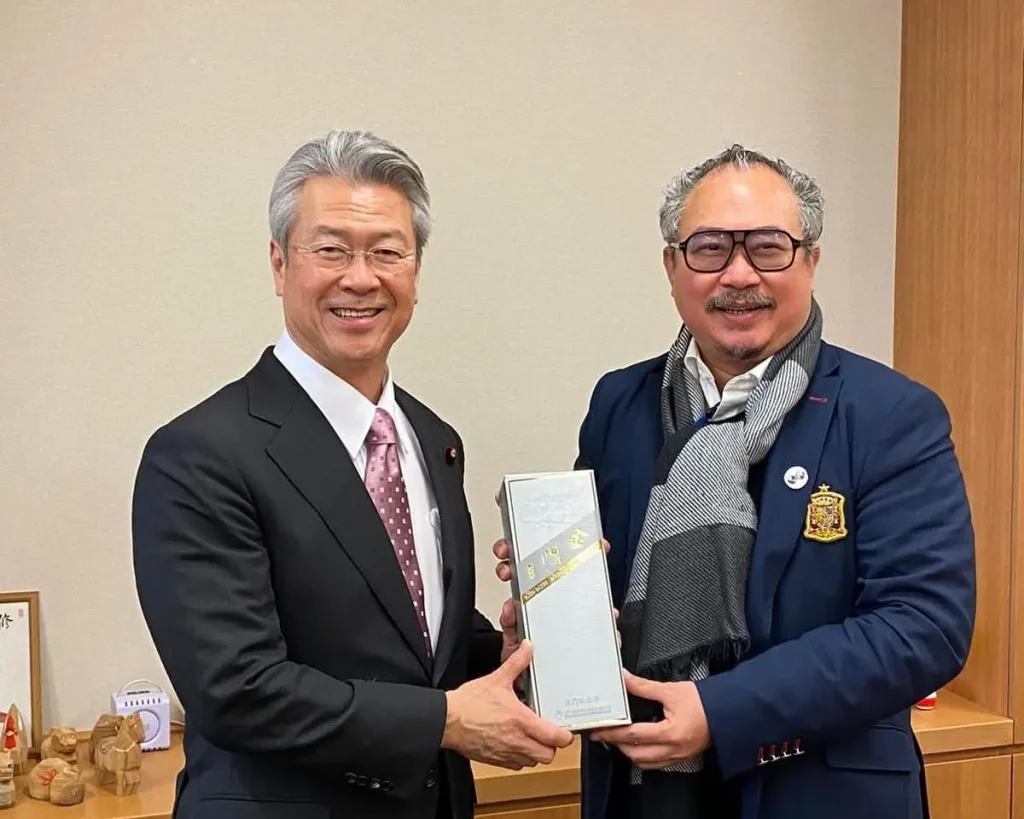
GM: Having visited and collaborated with cities across Asia, Europe, and beyond, what best practices should Indonesia adopt while developing Nusantara and other emerging urban centers?
RL: One lesson I have learned from visiting and working with cities around the world is that great cities are never built by copying others. They succeed because they adapt global best practices to their own identity, culture, and long-term vision.
I have had the privilege of knowing Dr. Alfonso Vegara, founder and president of Fundación Metrópoli, for many years. He is not only a respected urban planner but also a good friend whose ideas have enriched many of our discussions about the future of Indonesian cities. One principle we both share is that successful cities are not designed around buildings, they are designed around people, knowledge, innovation, and quality of life.
That perspective is highly relevant to Nusantara. We should embrace integrated planning, environmental sustainability, smart infrastructure, and mixed-use development. At the same time, we must preserve Indonesia’s unique character and cultural richness. Nusantara should not become another city that looks like everywhere else. It should become a global benchmark that reflects Indonesia’s own identity.
Another best practice is collaboration. The world’s most successful urban developments bring together government, the private sector, academia, and local communities from the very beginning. No single institution can build a world-class city alone.
Ultimately, the success of Nusantara will not be measured by its skyline, but by how it improves people’s lives, attracts world-class talent and investment, and inspires other Indonesian cities to raise their own standards. That, in my view, is the true measure of sustainable urban development.
GM: At the same time, what unique strengths does Indonesia already possess that deserve greater recognition from the international investment community?
RL: I believe Indonesia possesses strengths that many countries would love to have, yet we sometimes underestimate them ourselves. We are one of the world’s largest economies with a young and productive population, abundant natural resources, and a strategic location at the heart of the Indo-Pacific. More importantly, we have a resilient society that continues to adapt and grow despite global challenges.
What deserves greater international recognition, however, is Indonesia’s ability to think long term. The development of Nusantara, the acceleration of downstream industries, and the commitment to sustainable infrastructure all demonstrate that Indonesia is building for the next generation, not merely responding to today’s needs.
Another unique strength is our diversity. Indonesia is not just one market, it is an ecosystem of opportunities. Every province has its own competitive advantages, whether in tourism, manufacturing, agriculture, renewable energy, the digital economy, or urban development. For investors, this means Indonesia offers not one opportunity, but many.
Finally, I believe our greatest strength lies in our people. Indonesians are known for their adaptability, collaborative spirit, and ability to build lasting relationships. In international business, these qualities are invaluable. Technology and capital can be replicated, but trust, partnership, and cultural understanding are much harder to build.
Our challenge is not a lack of potential. Our challenge is communicating that potential more effectively while continuing to strengthen governance, professionalism, and human capital. When we combine those strengths with policy consistency and global collaboration, I believe Indonesia will earn the recognition it truly deserves as one of the world’s most attractive long-term investment destinations.
The Future of Indonesian Real Estate
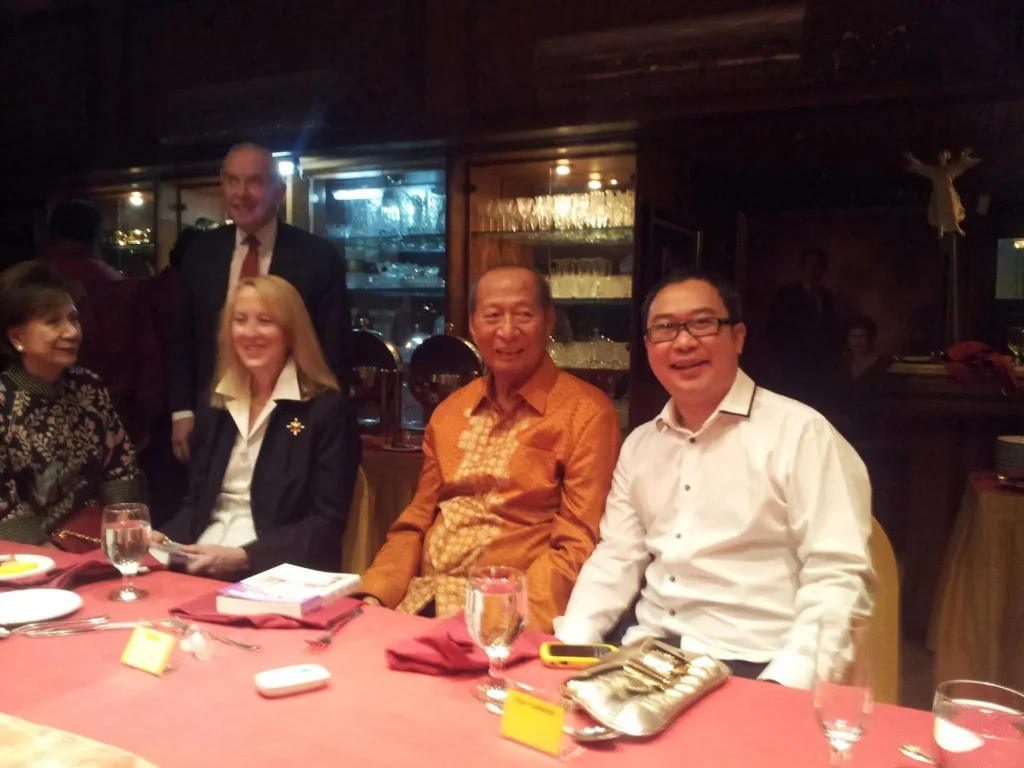
GM: Which global trends will have the greatest influence on Indonesia’s real estate sector over the next decade?
RL: I believe the future of real estate will be shaped by three major forces: technology, sustainability, and changing lifestyles. Developers who embrace these trends early will lead the market over the next decade.
One of the biggest transformations is the rise of PropTech. Artificial intelligence, digital platforms, smart buildings, and data-driven decision-making are changing every stage of the property lifecycle from planning and investment to construction, sales, and property management. Real estate is no longer just about physical assets; it is becoming a technology-enabled industry.
At the same time, we are witnessing the emergence of a new generation of global citizens. Digital entrepreneurs, remote executives, creators, and what I often call “millionaire nomads” are increasingly choosing destinations that offer not only attractive investment returns but also an exceptional quality of life. Bali is one of the best examples. It has evolved beyond a tourism destination into a global lifestyle hub that attracts property investors, entrepreneurs, and long-term international residents.
This trend creates tremendous opportunities for Indonesia. Other destinations, such as Labuan Bajo, Lombok, and even Nusantara in the future, can learn from this evolution by developing integrated ecosystems where people can live, work, invest, and innovate.
Ultimately, the winners in real estate will not simply build more properties, they will build destinations. The projects that combine technology, sustainability, lifestyle, and strong community value will attract both global capital and long-term talent. I believe Indonesia has every opportunity to become a leader in this new era if we continue to innovate while preserving the unique cultural identity that makes our country so distinctive.
GM: How can Indonesian developers and industry leaders better position themselves to compete and collaborate on the international stage?
RL: Indonesian developers must think beyond local market success. To compete internationally, we need stronger governance, higher professional standards, and a long-term mindset. Global partners look for credibility, transparency, and consistent execution.
I also believe collaboration is the new competition. Through platforms such as FIABCI, Indonesian companies can learn from global best practices, build strategic partnerships, and showcase their capabilities to the world.
Most importantly, we should not try to imitate other countries. Indonesia’s cultural richness, hospitality, and ability to create meaningful communities are unique advantages. If we combine those strengths with innovation and professionalism, Indonesian developers can become respected global partners, not just local players.
GM: What role do sustainability, technology, and integrated urban planning play in shaping the next generation of Indonesian cities?
RL: Sustainability, technology, and integrated urban planning are no longer optional, they are the foundation of future cities. A successful city is not measured by its skyline, but by how well it improves people’s quality of life while remaining resilient for future generations.
Technology makes cities smarter and more efficient. Sustainability ensures they remain livable. Integrated planning connects housing, transportation, business, education, healthcare, and green spaces into one cohesive ecosystem.
That is the direction Indonesia should pursue. Our next generation of cities must not only be economically competitive but also environmentally responsible, people-centered, and designed to stand the test of time.
Legacy and National Impact
GM: Looking back on your international career, what legacy do you hope to leave for Indonesia’s real estate industry and its global reputation?
RL: I hope my legacy is not measured by the positions I have held, but by the trust I have helped build for Indonesia. If more international investors see Indonesia as a credible, professional, and long-term partner, then I believe I have made a meaningful contribution.
I also hope I have inspired the next generation of leaders to understand that lasting influence comes from integrity, competence, and service. Relationships may open doors, but character is what keeps them open. Ultimately, I want Indonesia to be recognized not only for the quality of its developments, but also for the quality of its people and its leadership.
GM: What message would you like to share with young Indonesians who aspire to represent Indonesia internationally through business, investment, and leadership?
RL: Never underestimate the value of representing Indonesia with integrity. Your knowledge may open opportunities, but your character is what earns trust and creates lasting partnerships.
Think globally, but never lose your Indonesian identity. Keep learning, build real competence, and focus on creating value rather than seeking recognition. Success is not measured by how well the world knows your name, but by how much your work benefits others and elevates Indonesia’s reputation.
Wherever your career takes you, remember that every conversation, every partnership, and every decision is an opportunity to show the world the very best of Indonesia.
GM