Phu Quoc Real Estate: Vietnam’s Island Investment Model
Vietnam has spent the past decade transforming its economic landscape through strategic infrastructure, tourism development, and international investment. Today, the country stands among Southeast Asia’s fastest-growing economies. Its success reflects consistent planning, pragmatic reforms, and strong collaboration between government and the private sector.
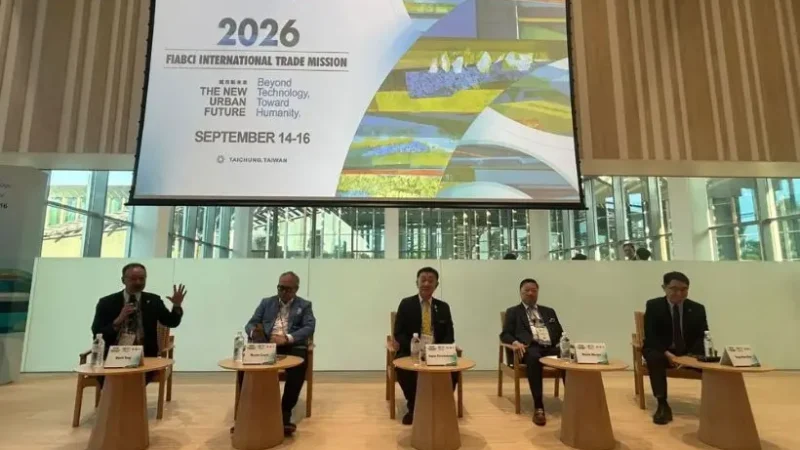
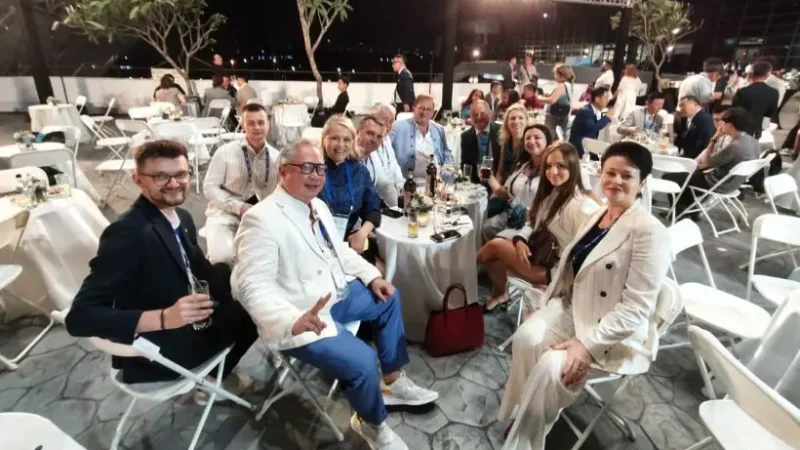
I witnessed this momentum firsthand during my visit to Vietnam in July 2026. I attended the FIABCI Asia Pacific Meeting in Hanoi alongside property leaders from across the region. Beyond the conference, I visited one of the 2026 FIABCI Prix d’Excellence Award-winning developments and met the leadership of CEO Group, one of Vietnam’s leading real estate developers. The journey concluded in Phu Quoc, where I observed how tourism, infrastructure, and real estate have advanced together under a shared long-term vision.
The experience offered more than professional insight. It demonstrated how coordinated planning can strengthen investor confidence and reshape an entire destination. For Indonesia, especially as Nusantara continues to develop, Vietnam provides valuable lessons that deserve close attention.
Vietnam’s Development Strategy Extends Beyond Major Cities
Vietnam’s economic progress has accelerated over the past several years. The country’s GDP expanded by 7.09 percent in 2024, making it one of Asia’s strongest-performing economies. At the same time, Vietnam attracted more than US$38 billion in registered foreign direct investment, reflecting sustained international confidence in its long-term prospects.
Several factors support this performance. Manufacturing continues to expand. Export industries remain competitive. Infrastructure investment has accelerated across major cities and emerging tourism destinations. Together, these initiatives have strengthened Vietnam’s position as a regional investment hub.
Real estate has played an important role in this transformation. Developers increasingly work alongside local governments to deliver integrated communities instead of isolated buildings. Mixed-use districts, hospitality projects, commercial centres, and public facilities now form part of comprehensive master plans that create long-term economic value.
This integrated approach has strengthened both domestic demand and foreign investment.
Hanoi Demonstrates Regional Leadership
Hanoi served as an appropriate setting for this year’s FIABCI Asia Pacific Meeting. The capital reflects Vietnam’s ability to balance economic growth with cultural preservation and urban renewal.
Modern business districts stand alongside centuries-old heritage sites. New transport infrastructure supports expanding commercial activity. International investors continue to explore opportunities across residential, hospitality, office, and mixed-use developments.
The city’s development illustrates how long-term planning can preserve identity while encouraging economic expansion. That balance continues to attract developers, institutional investors, and multinational companies.
For delegates attending the FIABCI meeting, Hanoi also demonstrated how consistent public policy can encourage sustainable urban growth.
FIABCI Encourages International Collaboration
The FIABCI Asia Pacific Meeting brought together developers, investors, architects, urban planners, government representatives, and property professionals from across the region.
Founded in 1948, FIABCI connects professionals from more than 70 countries. The organisation promotes responsible development, international cooperation, and knowledge sharing across every segment of the real estate industry.
For many participants, the event extended beyond networking. It created opportunities to exchange practical experiences, discuss emerging market trends, and explore future investment partnerships.
These conversations matter. International investment depends on trust, transparency, and long-term relationships. Industry forums such as FIABCI help build those foundations while encouraging higher professional standards across global markets.
Award-Winning Projects Raise International Standards
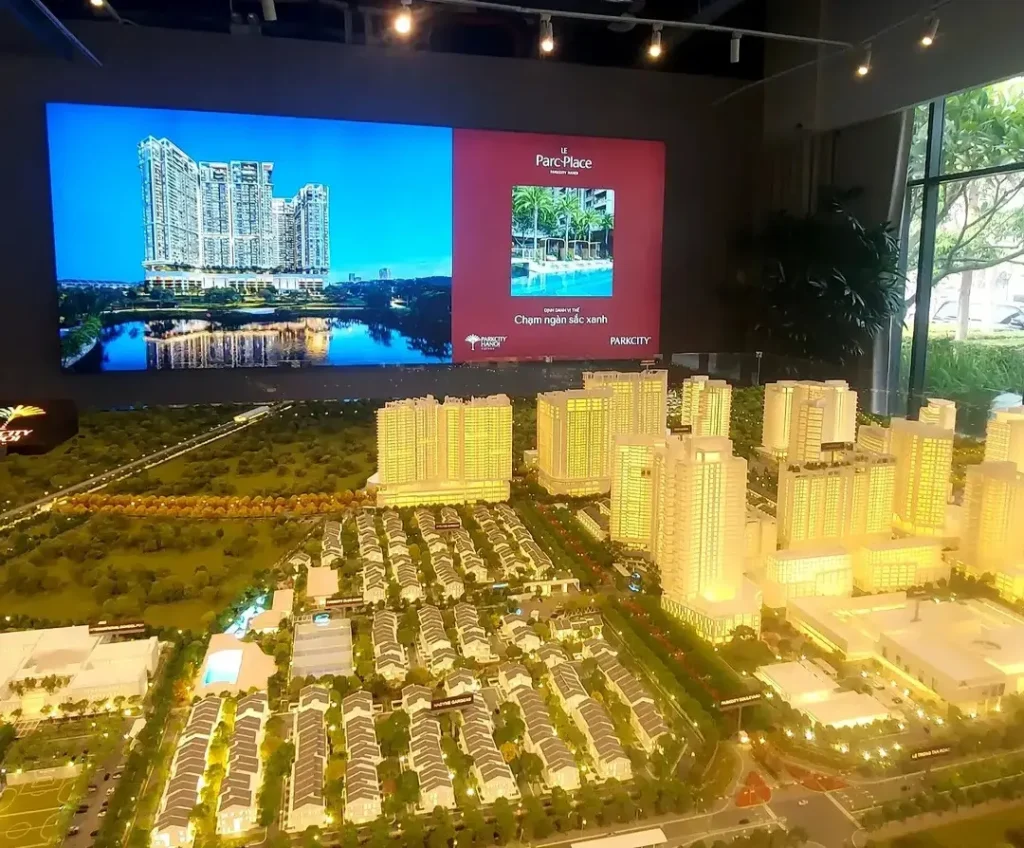
One of the highlights of my visit involved touring a development recognised by the FIABCI Prix d’Excellence Awards 2026. The project demonstrated why international recognition carries significant value within the real estate industry.
Every component reflected careful planning. Architectural quality complemented environmental sustainability. Public spaces encouraged community interaction. Commercial objectives aligned with long-term urban development.
Successful projects rarely depend on attractive buildings alone. They integrate design, functionality, environmental responsibility, and economic performance into a single vision. That comprehensive approach has become increasingly important as investors place greater emphasis on environmental, social, and governance principles.
The Global Value of the FIABCI Prix d’Excellence Awards
For more than three decades, the FIABCI Prix d’Excellence Awards have recognised developments that represent international best practices. Winning projects compete across multiple categories, including residential, office, hospitality, mixed-use, heritage, and sustainable development.
Judges evaluate each project against rigorous international criteria. They assess architecture, financial performance, environmental responsibility, community contribution, innovation, and long-term operational success.
As a result, the awards have earned strong credibility among developers, investors, financial institutions, and governments.
Visiting one of the 2026 winners demonstrated how these standards translate into practical development. Excellence did not emerge from a single feature. Instead, it resulted from thousands of carefully considered decisions that supported long-term value creation.
Excellence Creates Investor Confidence
International recognition offers benefits beyond prestige. Award-winning developments often strengthen investor confidence because they demonstrate quality, sound governance, and sustainable management.
Institutional investors increasingly evaluate projects through a long-term perspective. They examine construction quality, environmental performance, operational resilience, and community impact before making investment decisions.
Vietnam has embraced this evolution. Many leading developers now integrate sustainability, mixed-use planning, and destination management into their projects from the earliest planning stages.
That commitment strengthens the country’s international reputation. It also supports stronger investment outcomes over time.
My visit reinforced one important observation. Successful destinations do not emerge through isolated developments. They grow through coordinated planning, international collaboration, and a shared commitment to quality. Those principles will become even more relevant as Southeast Asia continues to urbanise and compete for global investment.
CEO Group Demonstrates the Power of Integrated Development
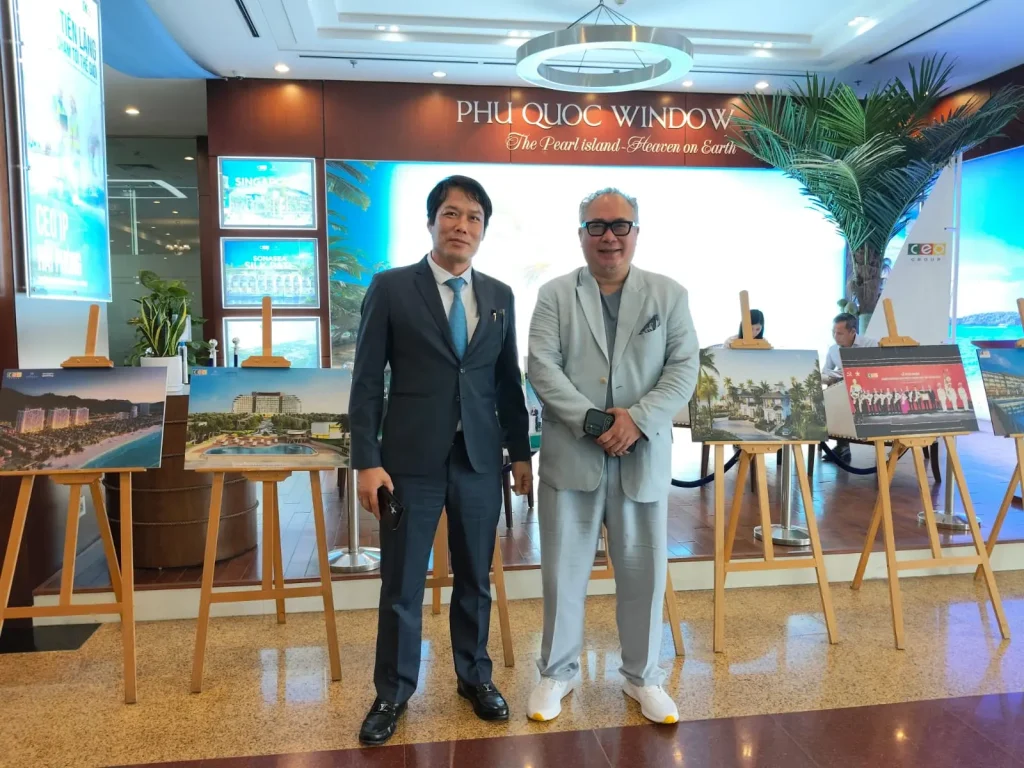
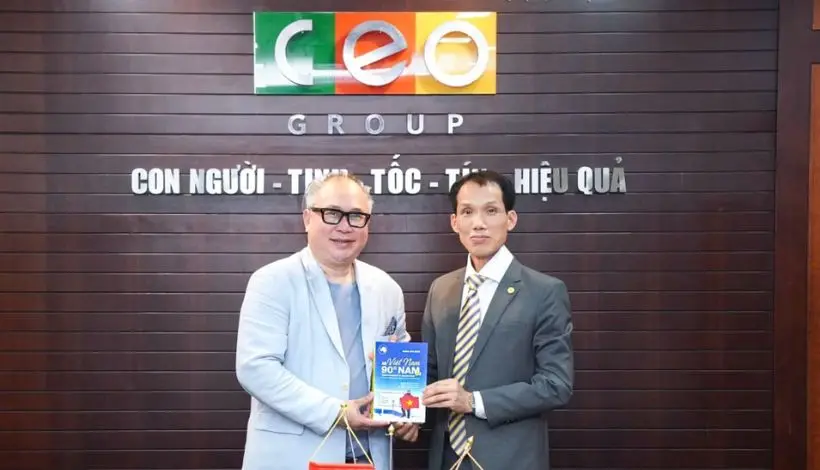
My visit to Vietnam also included a meeting with the leadership of CEO Group, one of the country’s leading property developers. The visit offered valuable insight into how private developers have contributed to Vietnam’s economic transformation through integrated planning and long-term investment.
Founded in 2001, CEO Group has built a diverse portfolio that spans tourism, residential communities, urban developments, education, and hospitality. The company has positioned itself as a developer of complete destinations rather than standalone projects. This strategy aligns closely with Vietnam’s broader vision of creating sustainable economic growth through coordinated urban planning.
One of the company’s most recognised investment destinations is Phu Quoc. There, CEO Group has developed tourism-oriented communities that combine hotels, villas, commercial facilities, public spaces, and supporting infrastructure within a single master plan.
Integrated Planning Creates Long-Term Value
Integrated development creates benefits that extend far beyond individual property sales.
Visitors enjoy a more complete travel experience. Residents gain access to better public facilities. Businesses operate within a stronger commercial ecosystem. Investors also benefit because surrounding infrastructure continues to enhance property values over time.
This approach encourages sustainable growth instead of fragmented expansion. Every component supports the broader destination, creating a multiplier effect throughout the local economy.
CEO Group’s development philosophy reflects this long-term perspective. The company continues to invest in projects that strengthen tourism while contributing to regional economic development.
Phu Quoc Real Estate Continues to Attract Global Investment
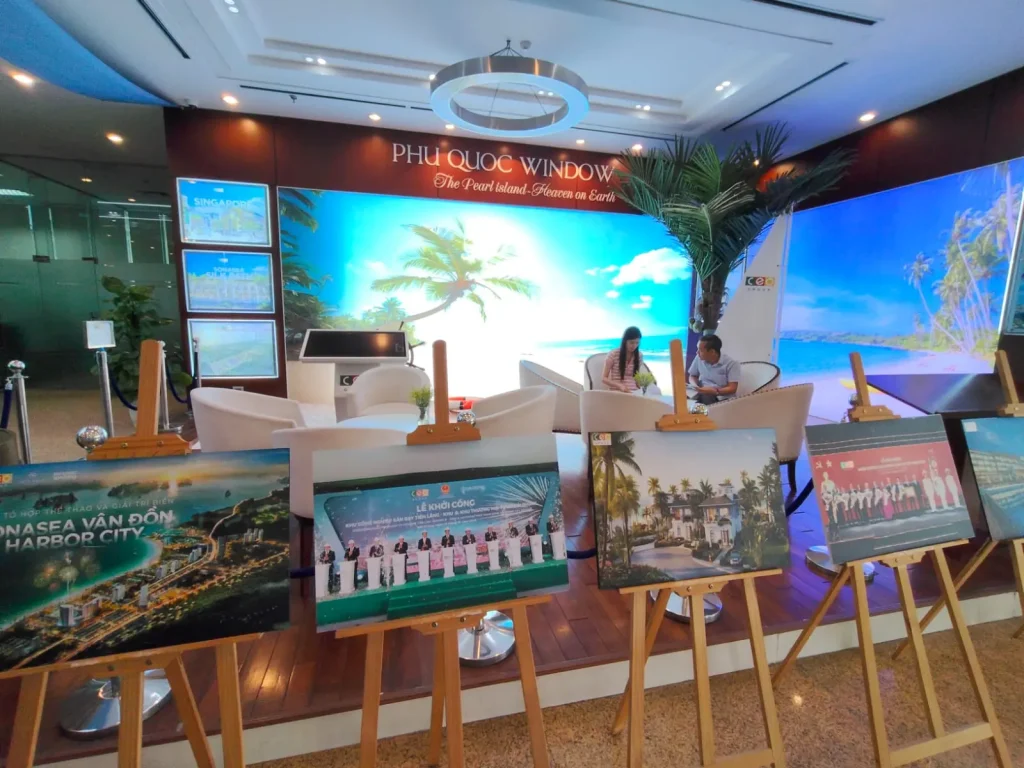
Few destinations in Southeast Asia have experienced such rapid transformation as Phu Quoc. Over the past decade, the island has evolved into one of Vietnam’s premier tourism and investment destinations.
Its appeal extends well beyond pristine beaches. Investors increasingly recognise Phu Quoc as a destination supported by modern infrastructure, international connectivity, and consistent government planning.
Tourism Fuels Real Estate Growth
Tourism remains the strongest catalyst behind the island’s property market.
Vietnam welcomed approximately 17.6 million international visitors in 2024, while domestic tourism continued to reach record levels. Phu Quoc captured a growing share of those travellers thanks to expanding international air connections, luxury hospitality, and year-round attractions.
The island now hosts internationally recognised hotel brands, entertainment complexes, golf courses, marinas, wellness resorts, and mixed-use developments. These investments have diversified the local economy while increasing demand across multiple property sectors.
Hospitality developments continue to expand. Branded residences attract international buyers. Retail and commercial spaces also benefit from rising visitor spending.
Infrastructure Supports Sustainable Expansion
Infrastructure has reinforced this momentum. Phu Quoc International Airport continues to expand its capacity as airlines introduce additional direct routes across Asia. New roads improve accessibility throughout the island. Utilities, public facilities, and digital infrastructure have also progressed alongside private investment.
These improvements strengthen both tourism and business activity. More importantly, they provide investors with confidence that development will continue over the long term.
Infrastructure alone cannot create a successful destination. However, when governments coordinate investment with private developers, both sectors reinforce one another.
International Recognition Strengthens Market Confidence
Global recognition also supports investor confidence.
International events, hospitality awards, and real estate competitions have increased Phu Quoc’s visibility among institutional investors and tourism operators. As more global brands establish a presence on the island, confidence continues to grow.
The result is a destination that competes increasingly well with established resort markets across Southeast Asia.
Strategic Reflections for Indonesia
Every country follows its own development path. Vietnam’s experience should not serve as a template for direct replication. Nevertheless, several strategic observations deserve careful consideration.
Long-Term Policy Consistency Encourages Investment
Investors value certainty above almost everything else. Stable regulations, predictable planning, and efficient public administration reduce investment risk. These factors often influence investment decisions as much as financial incentives.
Vietnam has maintained a consistent development direction across infrastructure, tourism, and real estate. This continuity has strengthened investor confidence over many years.
Indonesia possesses similar opportunities. Long-term consistency will become increasingly important as Nusantara and other strategic regions continue to mature.
International Partnerships Accelerate Growth
Global investment depends on relationships. Organisations such as FIABCI create opportunities for governments, developers, investors, and financial institutions to exchange ideas and establish partnerships. Those relationships often lead to future investment, knowledge transfer, and cross-border collaboration.
International engagement also strengthens a country’s credibility. Investors gain confidence when they understand a nation’s long-term vision and witness successful projects firsthand.
For Indonesia, continued participation in global platforms provides an opportunity to showcase not only Nusantara but also many other regions with significant investment potential.
Looking Ahead with Regional Confidence
My visit to Hanoi and Phu Quoc reinforced an important observation. Successful destinations emerge through disciplined planning, institutional collaboration, and consistent execution over many years.
Vietnam has demonstrated how tourism, infrastructure, and real estate can reinforce one another to create sustainable economic growth. The country’s progress reflects strategic coordination between the public and private sectors, supported by a clear long-term vision.
Indonesia enters its own transformative chapter with significant advantages. A large domestic market, abundant natural resources, expanding infrastructure, and ambitious national development programmes provide a strong foundation for future growth.
As Southeast Asia continues to attract global capital, regional collaboration will become increasingly valuable. Through platforms such as FIABCI and meaningful partnerships across borders, countries can exchange knowledge, strengthen investor confidence, and accelerate sustainable development for the benefit of future generations.
RL