Indonesia EV Ecosystem: From Nickel to Global Supply Chain Powerhouse
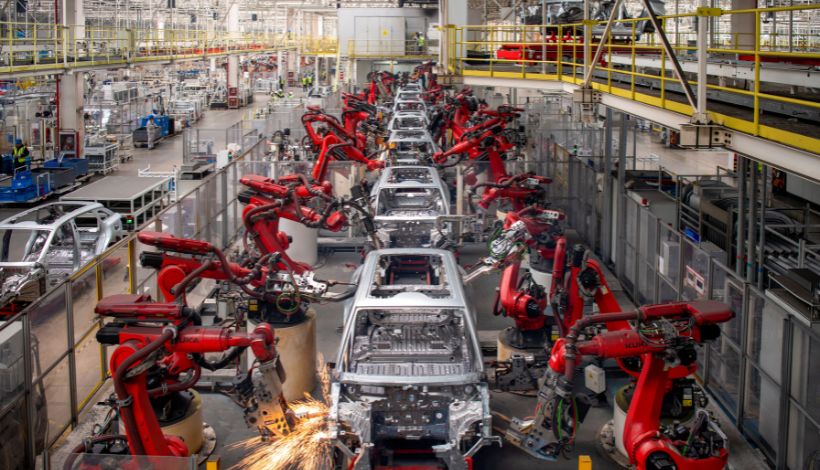
Indonesia EV Ecosystem Development: Building a Strategic Advantage
Indonesia EV ecosystem is accelerating at an unprecedented pace, driven by the global transition toward electric vehicles (EVs). Governments are tightening emissions regulations, automakers are shifting production strategies, and investors are reallocating capital toward clean technologies. As a result, the race to secure critical resources and manufacturing capacity has intensified.
Within this transformation, the Indonesia EV ecosystem has emerged as one of the most strategically important developments in the global energy transition. Unlike many countries, Indonesia does not rely solely on market demand or policy ambition. Instead, it combines resource dominance, industrial policy, and long-term strategic positioning.
At the center of this ecosystem lies a powerful advantage: nickel.
Indonesia holds approximately 22–25% of the world’s nickel reserves, making it the largest global supplier of this critical battery material. Consequently, the country occupies a central role in the EV value chain, particularly in the production of lithium-ion batteries.
However, Indonesia’s strategy extends far beyond raw resource extraction. Rather than exporting unprocessed materials, the country has pursued an ambitious downstreaming policy. This approach ensures that more value is captured domestically, transforming Indonesia from a commodity exporter into a manufacturing and industrial powerhouse.
Energy Transition Strategy: Aligning Resources with Sustainability
The rapid expansion of the Indonesia EV ecosystem closely aligns with the broader Indonesia energy transition strategy. As global economies move away from fossil fuels, Indonesia faces a dual challenge: maintaining economic growth while reducing carbon emissions.
Therefore, the government has adopted a multi-pronged approach:
- Expanding renewable energy capacity
- Developing EV infrastructure
- Supporting battery manufacturing
- Encouraging green industrialization
Currently, Indonesia aims to achieve net-zero emissions by 2060, while increasing the share of renewables in its energy mix to 23% by 2025. At the same time, the government has introduced incentives to accelerate EV adoption, including tax reductions and subsidies.
Importantly, this transition is not purely environmental it is deeply economic. By integrating resource extraction with clean energy technologies, Indonesia positions itself at the intersection of sustainability and industrial growth.
From Resource Base to Global Supply Chain Powerhouse
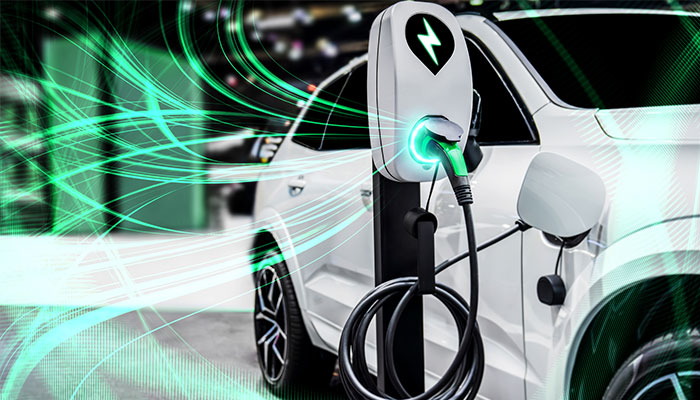
As global supply chains undergo realignment, Indonesia’s role continues to expand. Companies are actively diversifying production away from single-country dependencies, particularly in critical sectors such as EV batteries.
Within this context, the Indonesia global supply chain positioning has strengthened significantly.
First, Indonesia offers resource security. Its nickel reserves ensure long-term supply stability for battery manufacturers.
Second, the country provides geographic advantages. Located along major shipping routes, Indonesia connects key markets across Asia-Pacific.
Third, policy support enhances competitiveness. Export bans on raw nickel ore, introduced in 2020, have forced investment into domestic processing industries.
As a result, Indonesia has attracted billions of dollars in foreign investment. Major global players including battery manufacturers and automakers have established operations within the country.
Industrial hubs such as Morowali Industrial Park and Weda Bay Industrial Park have become central nodes in the EV supply chain. These complexes integrate mining, smelting, and manufacturing, creating highly efficient production ecosystems.
Consequently, Indonesia is no longer a peripheral supplier it is becoming a core node in the global EV supply chain.
Investment Diplomacy in Indonesia’s EV Sector
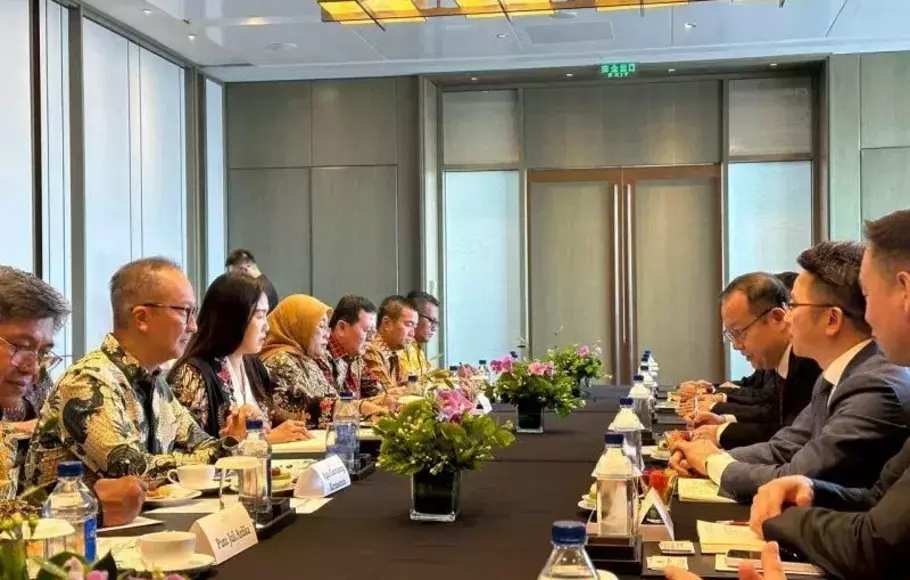
While resources and policies provide a foundation, investment diplomacy plays a critical role in translating potential into reality.
The development of the Indonesia EV ecosystem reflects a deliberate effort to build long-term partnerships with global investors. This approach aligns with the broader Indonesia investment diplomacy framework, which emphasizes:
- Relationship building
- Strategic alignment
- Long-term commitment
In practice, Indonesia has engaged with partners from East Asia, Europe, and North America to develop its EV value chain. These collaborations often involve:
- Joint ventures
- Technology transfer agreements
- Co-investment structures
Institutions such as the Indonesia Investment Authority facilitate these partnerships by aligning investor interests with national priorities.
Moreover, this approach reduces risk for investors. By fostering trust and ensuring policy consistency, Indonesia creates an environment where capital can flow with greater confidence.
Therefore, investment diplomacy acts as a bridge connecting global capital with domestic opportunity.
Nickel Downstreaming: The Foundation of Industrial Transformation
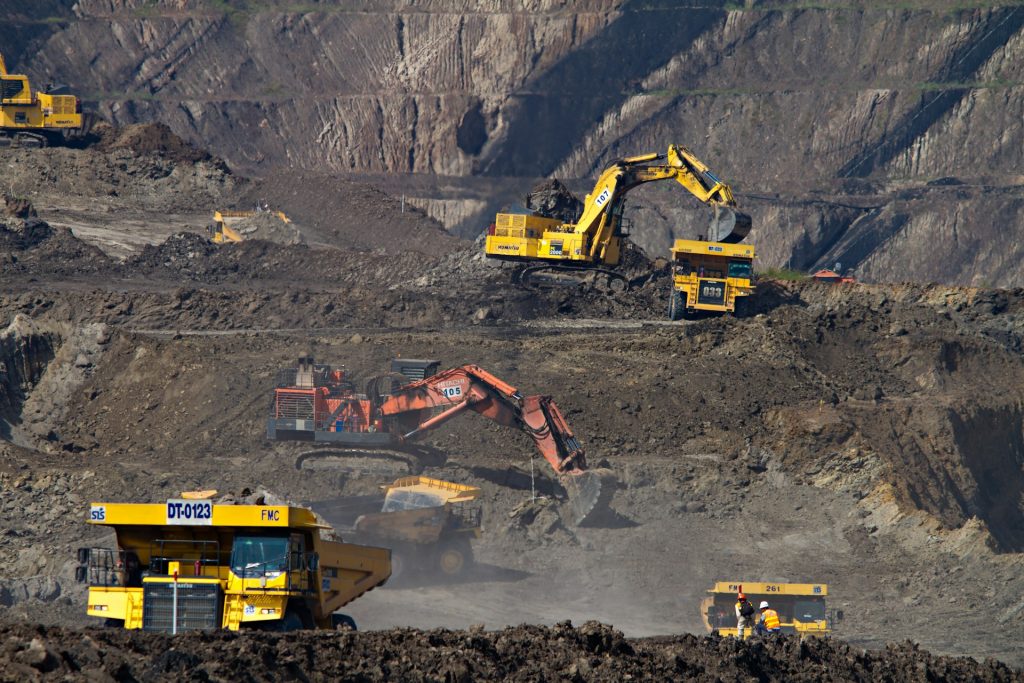
At the heart of the Indonesia EV ecosystem lies the downstreaming of nickel.
Historically, Indonesia exported raw nickel ore, capturing limited economic value. However, the government’s decision to ban raw exports marked a turning point. This policy forced companies to invest in domestic processing, leading to the rapid expansion of smelting and refining capacity.
Today, Indonesia produces a significant share of the world’s nickel pig iron (NPI) and increasingly moves into higher-value products such as:
- Mixed hydroxide precipitate (MHP)
- Nickel sulfate for batteries
As a result, the country captures more value along the supply chain.
Furthermore, downstreaming creates multiplier effects:
- Job creation in industrial sectors
- Technology transfer
- Infrastructure development
Consequently, nickel is no longer just a resource it is a catalyst for industrial transformation.
Battery Manufacturing: Moving Up the Value Chain
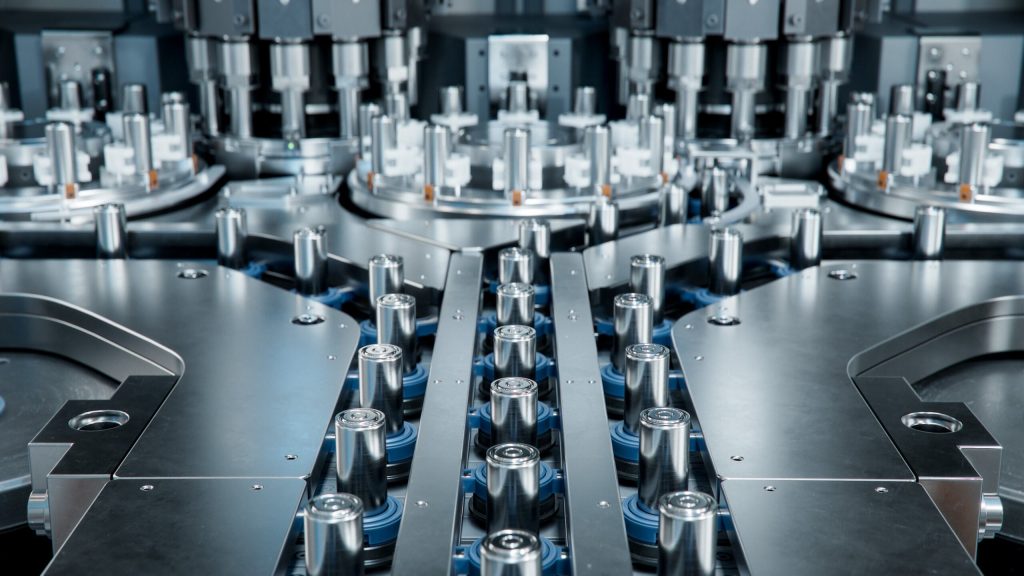
While resource processing provides a foundation, battery manufacturing represents the next stage of development.
Indonesia has attracted major investments in battery production, including multi-billion-dollar projects involving global consortia. These facilities aim to produce batteries not only for domestic use but also for export to global markets.
Importantly, battery manufacturing requires:
- Advanced technology
- Skilled labor
- Integrated supply chains
Indonesia is actively addressing these requirements through:
- Vocational training programs
- Partnerships with international firms
- Development of industrial clusters
As a result, the country is gradually moving up the value chain from raw materials to finished products.
Indonesia EV Ecosystem Industrial Parks: Engines of Ecosystem Integration
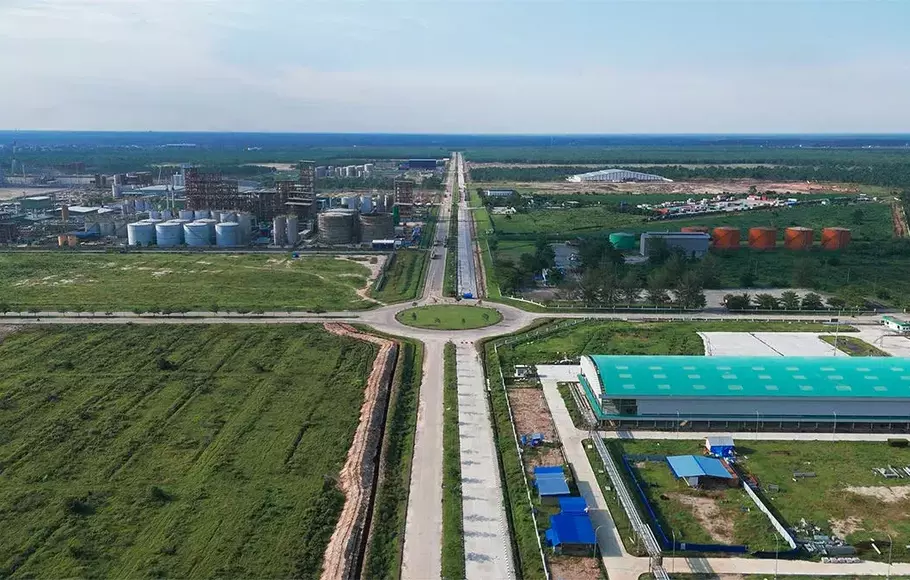
Industrial parks play a central role in the Indonesia EV ecosystem. These zones integrate multiple stages of production, creating efficiencies that attract large-scale investment.
Key examples include:
- Morowali Industrial Park (Central Sulawesi)
- Weda Bay Industrial Park (North Maluku)
These parks offer:
- Proximity to raw materials
- Dedicated infrastructure
- Streamlined regulatory processes
Moreover, they enable vertical integration, reducing costs and improving competitiveness.
Consequently, industrial parks function as engines of ecosystem development, transforming regional economies and strengthening Indonesia’s industrial base.
Global Context: Diversification Beyond China
The rise of the Indonesia EV ecosystem cannot be separated from broader geopolitical dynamics. For years, China dominated the EV supply chain, controlling significant portions of:
- Battery production
- Critical mineral processing
- Manufacturing capacity
However, global companies are increasingly seeking diversification. They aim to reduce dependency on a single country while maintaining supply chain resilience. In this context, Indonesia offers a compelling alternative.
Its advantages include:
- Resource availability
- Government support
- Strategic location
Therefore, Indonesia’s emergence as an EV hub reflects both domestic strategy and global necessity.
Challenges and Risks
Despite its progress, the Indonesia EV ecosystem faces several challenges:
1. Environmental Concerns
Nickel processing can have significant environmental impacts. Therefore, sustainable practices must be prioritized.
2. Infrastructure Gaps
While industrial parks are well-developed, broader infrastructure requires continued investment.
3. Talent Development
Advanced manufacturing demands a skilled workforce, which Indonesia must continue to develop.
4. Global Market Volatility
Commodity prices and EV demand can fluctuate, affecting investment dynamics.
However, these challenges are not unique to Indonesia. Rather, they represent opportunities for further improvement and strategic refinement.
Economic Impact: Driving Industrial Growth
The expansion of the Indonesia EV ecosystem has significant implications for the broader economy.
First, it diversifies economic activity beyond traditional sectors.
Second, it increases export value by shifting from raw materials to processed goods.
Third, it attracts foreign direct investment, strengthening the balance of payments.
Moreover, it supports regional development by creating jobs and infrastructure in previously underdeveloped areas.
Consequently, the EV ecosystem becomes a key driver of Indonesian business growth in industrial sectors.
From Resource Power to Industrial Leadership
The rise of the Indonesia EV ecosystem marks a turning point in the country’s economic trajectory.
While many nations participate in the energy transition, Indonesia is shaping it. By leveraging its resource base, implementing strategic policies, and fostering global partnerships, the country is building a comprehensive and competitive EV ecosystem.
Looking ahead, the trajectory is clear. Indonesia will continue to move up the value chain, strengthen its industrial base, and expand its role in global supply chains.
Ultimately, the transformation goes beyond electric vehicles.
It represents a broader shift from resource dependency to industrial leadership.