Reflections on Cities, Territories, and the Future: A Conversation with Alfonso Vegara, PhD
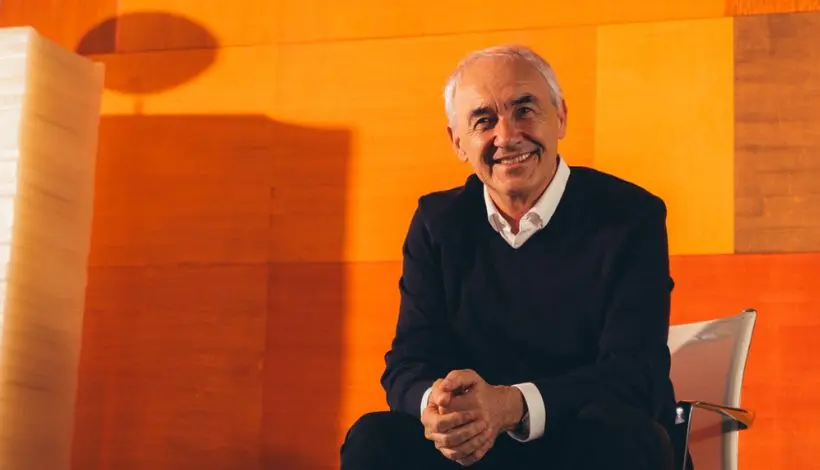
Cities are more than collections of buildings. They are living ecosystems that shape innovation, prosperity, culture, and the quality of human life. Few people have influenced this conversation as profoundly as Alfonso Vegara, PhD, one of the world’s foremost authorities on territorial intelligence, strategic urban planning, and the future of cities.
As the Founder and President of Fundación Metrópoli in Madrid, Spain, Dr. Vegara has spent more than four decades advising governments, cities, regions, and international organizations across Europe, Asia, the Middle East, and the Americas. An architect, economist, sociologist, and urban planner, he is internationally recognized for helping cities uncover their unique strengths and transform them into long-term engines of competitiveness, sustainability, and human wellbeing. His distinguished career includes serving as President of ISOCARP, Honorary Consul General of Singapore in Madrid, a jury member of the prestigious Lee Kuan Yew World City Prize, and the authorship of more than thirty influential books on urban development and territorial innovation.
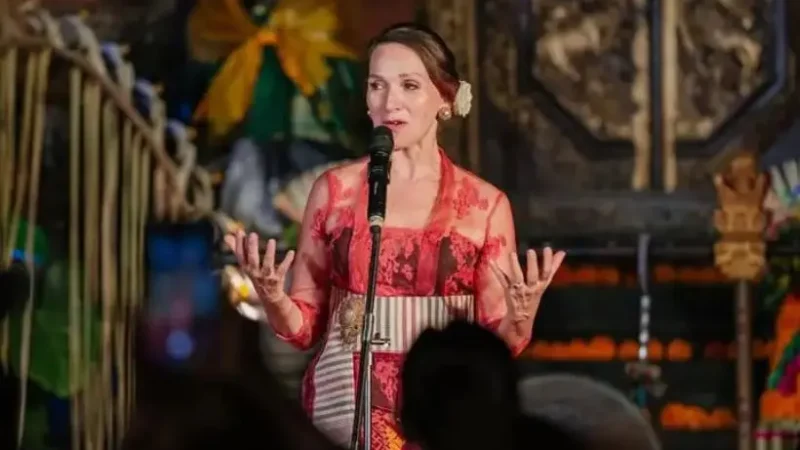
In this exclusive conversation with me, Tania Maris (pen name GMora), Dr. Vegara shares his insights on the future of cities, the evolving role of leadership in urban transformation, and why Indonesia is uniquely positioned to shape a new generation of intelligent, resilient, and human-centered cities. Throughout the interview, I will be abbreviated as GM, while Dr. Vegara will be referred to as AV.
Recognition & Professional Journey
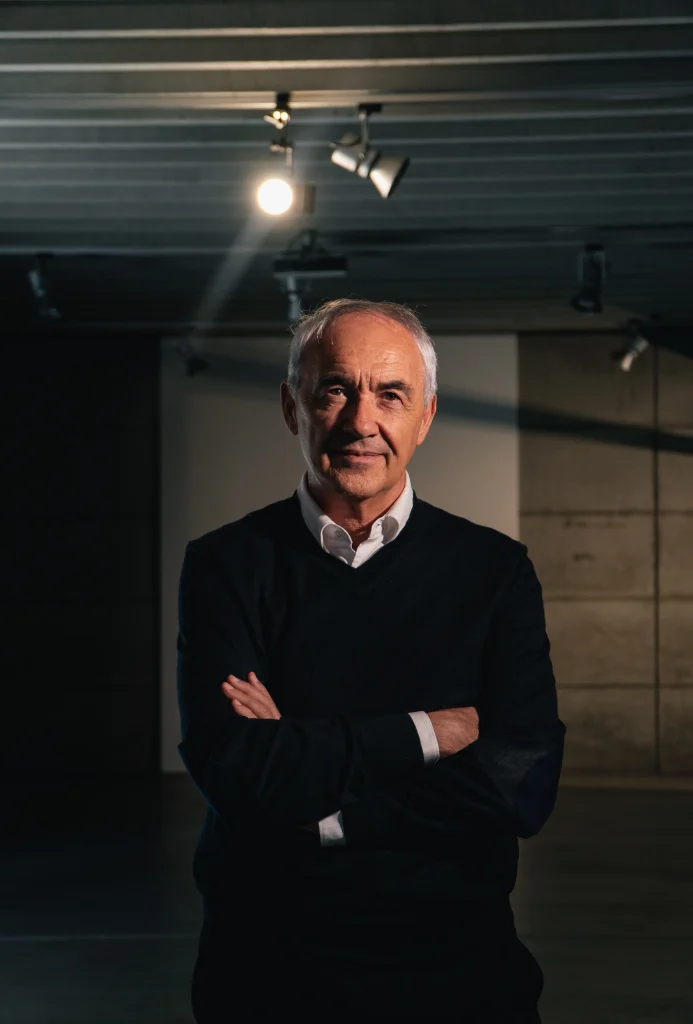
GM: Professor Vegara, you have devoted more than four decades to studying and shaping cities around the world. Looking back on your remarkable journey, what first inspired your fascination with urbanism and territorial development? And what has been the fundamental question that continues to drive your work today?
AV: My academic background combines architecture, economics, sociology and regional planning. Very early in my career I became fascinated by a simple but powerful question: why do some cities and regions become extraordinary places to live, innovate and prosper while others struggle despite having similar resources?
This question has guided my professional journey ever since.
Through Fundación Metrópoli, which I founded in 1997, I have had the privilege of working with governments, universities, companies and communities across Europe, Asia, the Middle East, Latin America and North America. Every project has reinforced my conviction that successful urban development is never the result of isolated infrastructure projects. It emerges from a long-term vision, strong institutions, citizen participation and the intelligent integration of economic, environmental, social and cultural dimensions.
During these years we have developed what we call Territorial Intelligence, an approach that combines strategic thinking, creativity, innovation and deep understanding of the unique identity and potential of every territory.
Leadership & Urban Philosophy
GM: Over the years, you have worked with cities across Europe, Asia, the Middle East, and the Americas. What core principles have consistently guided your approach to creating successful cities and territories?
AV: Every city is unique. Therefore, there are no universal recipes.
However, throughout my professional experience several principles have consistently guided our work.
First, every territory possesses unique assets that can become drivers of competitive advantage. Rather than copying successful models from elsewhere, cities should discover and strengthen their own distinctive identity.
Second, cities should be designed around people rather than automobiles. High-quality public spaces, walkability, culture, education and environmental quality create attractive urban environments where talent wants to live and innovate.
Third, planning should not only regulate growth but inspire transformation. A strategic vision should identify a limited number of catalytic projects capable of generating long-term economic, social and environmental value.
Fourth, sustainability and competitiveness are complementary rather than contradictory objectives. The most competitive cities of the future will also be the most sustainable, resilient and inclusive.
Finally, collaboration is essential. Governments, universities, businesses, civil society and local communities all contribute knowledge and energy to shaping better cities.
The Future of Cities
GM: As cities undergo rapid technological and demographic transformation, what qualities will define the world’s most successful cities in the decades ahead?
AV: The twenty-first century will undoubtedly be the century of cities.
Urbanization, digital transformation, climate change and demographic evolution are profoundly reshaping the way city’s function. These global challenges require new models of urban leadership.
I believe future cities must evolve from being simply efficient to becoming intelligent, resilient and deeply human.
Artificial Intelligence, digital twins, advanced mobility systems and new technologies will undoubtedly transform urban management. However, technology should never become an end in itself. Its true value lies in improving people’s quality of life.
Future cities should also become ecosystems of innovation where universities, entrepreneurs, research centers, creative industries and cultural institutions interact continuously.
Perhaps the greatest challenge is to ensure that rapid growth does not destroy the very qualities that make cities attractive. Beauty, heritage, biodiversity, social cohesion and cultural identity are strategic assets that deserve the same attention as economic growth.
Indonesia & Asia: A Global Perspective
GM: Having visited Indonesia on numerous occasions and worked extensively across Asia, what opportunities do you believe position Indonesia to become one of the region’s most influential urban success stories?
AV: Asia represents one of the most exciting laboratories for urban innovation in the world.
The scale, speed and ambition of transformation occurring across the region are unprecedented.
Indonesia occupies a particularly strategic position. It combines remarkable cultural diversity, extraordinary natural resources, a dynamic young population and rapidly expanding metropolitan regions.
I have visited Indonesia on numerous occasions and have always been impressed by the creativity, optimism and entrepreneurial spirit of its people.
Jakarta, despite its complex challenges, possesses enormous potential to become one of Asia’s great metropolitan capitals through strategic regeneration, improved mobility, environmental restoration and stronger connections with its rich historical heritage.
At the same time, Indonesia has the unique opportunity to build a more balanced territorial model by strengthening secondary cities, developing innovation corridors, protecting exceptional natural landscapes and creating stronger synergies among tourism, culture, education and advanced industries.
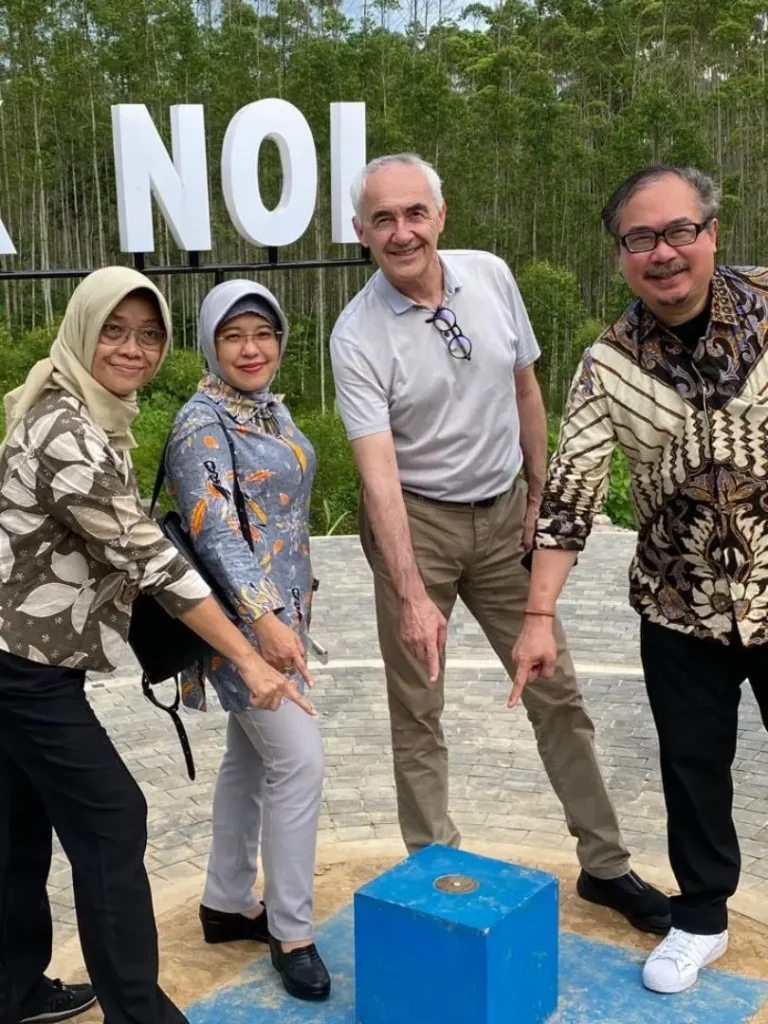
The relocation of the national capital also demonstrates Indonesia’s willingness to think boldly about its long-term future.
More broadly, Asia has an extraordinary opportunity to develop new urban models that combine technological innovation with cultural identity. Rather than simply replicating Western urban models, Asian cities can create their own paradigm for the cities of the future.
Lessons from Around the World
GM: Every country offers its own approach to urban development. Which international experiences have influenced your thinking the most, and what lessons have they taught you?
AV: Working across different continents has taught me one essential lesson: every city has something important to teach.
I have learned from Singapore’s remarkable capacity for long-term planning and institutional excellence.
From the Nordic countries I have learned the importance of human-scale urbanism, environmental responsibility and social trust.
The Middle East has demonstrated how visionary leadership can accelerate transformation while investing heavily in knowledge, innovation and quality urban environments.
Latin America has reminded me that creativity often flourishes despite limited resources, and that cities can become powerful instruments for social inclusion.
These diverse experiences have convinced me that successful urban development depends less on financial resources than on leadership, vision, collaboration and the capacity to build shared aspirations.
Personal Philosophy
GM: Beyond your professional work, what personal interests continue to shape your perspective on cities, leadership, and the future of society?
AV: Curiosity has probably been the greatest driving force throughout my professional life.
I enjoy travelling, discovering different cultures, reading history, economics and philosophy, and engaging in conversations with people from very different backgrounds.
Nature also inspires much of my thinking. Landscapes reveal the deep relationship between geography, ecology and human settlement. They remind us that cities should never be separated from their surrounding territories.
Teaching and mentoring younger generations are another passion. I strongly believe that sharing knowledge is one of our greatest responsibilities as professionals.
Perhaps this explains why education has become an increasingly important dimension of Fundación Metrópoli‘s international activities.
Looking Ahead
GM: As Founder and President of Fundación Metrópoli, what are your priorities for the years ahead, and what role do you hope Asia and particularly Indonesia will play in that journey?
AV: Today our work is increasingly focused on helping cities and regions navigate a period of profound global transformation.
Through Fundación Metrópoli we continue to develop strategic territorial projects across Europe, the Middle East, Latin America and Asia while strengthening partnerships with governments, universities and international organizations.
One of our priorities is expanding educational initiatives that prepare a new generation of urban leaders capable of integrating design, technology, sustainability, governance and innovation. We believe that the future of cities depends not only on better plans, but on better leadership.
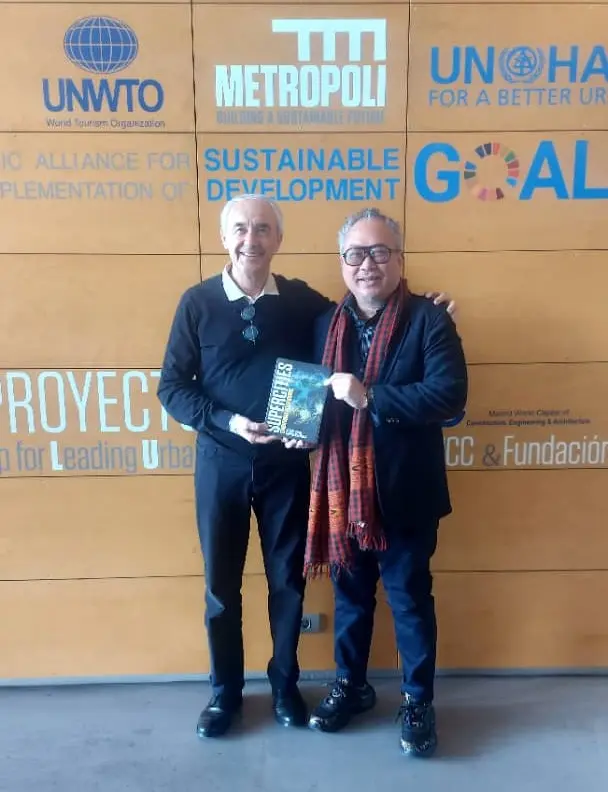
We are also advancing the concept of Supercities, which explores how metropolitan regions can become interconnected ecosystems of innovation, environmental quality and human wellbeing through Territorial Intelligence.
Asia and particularly Indonesia will undoubtedly play an increasingly important role in this journey. I hope that Fundación Metrópoli can continue contributing to this exciting transformation through collaborative projects, knowledge exchange and the co-creation of innovative urban solutions.
Legacy & Inspiration
GM: Finally, after decades of helping shape cities across the world, what message would you like to leave for the next generation of urban leaders who will design the cities of tomorrow?
AV: After many years working with cities around the world, I remain fundamentally optimistic.
Cities have always been humanity’s greatest engines of creativity, progress and hope.
If we are capable of combining visionary leadership, innovation, sustainability and respect for local identity, the cities of the future can become not only more competitive, but also more beautiful, more inclusive and more inspiring places to live.
Ultimately, the future of cities is not simply about buildings or infrastructure, it is about creating places where people can realize their full potential and where future generations will be proud to live.
That, in my view, is the true purpose of urbanism.
GM