The 42nd FIABCI Summit Riyadh: A Leadership Blueprint for Indonesia’s Nusantara Capital
Saudi Arabia’s capital rarely hosts passive gatherings. In December 2023, Riyadh became the stage for a concentrated exercise in global urban strategy. The FIABCI Summit Riyadh convened policymakers, financiers, and architects under a single pressing question: how do cities survive disruption and then grow from it? For Indonesia, the answer carries national weight. The young archipelagic nation is building Nusantara, a new capital from the ground up. Mistakes are not an option. The FIABCI Summit Riyadh offered a rare convergence of experience, data, and political will. Participants left with more than handshakes. They carried actionable frameworks for resilience, governance, and long-term value creation.
A Privileged Role in Global Dialogue at the FIABCI Summit Riyadh
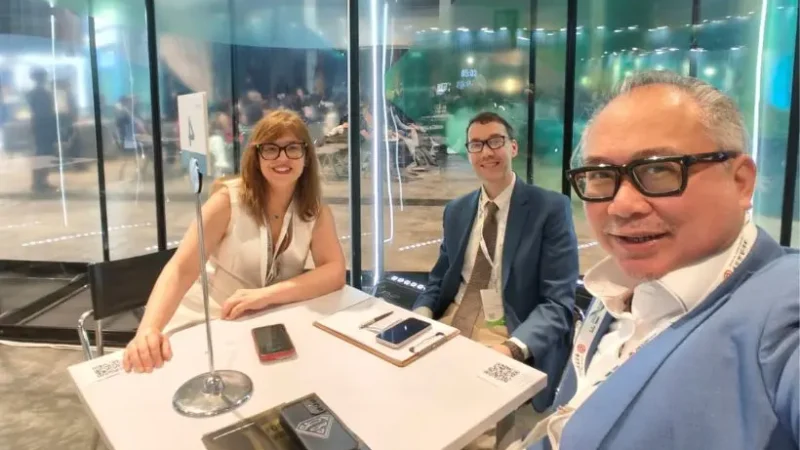
Nelson R. R. Manurung attended with a dual mandate. As President of FIABCI Asia-Pacific, he held responsibility for steering regional real estate discourse. Simultaneously, he accompanied Bambang Susantono, Chairman of the Otorita Ibu Kota Nusantara (Nusantara Capital Authority), to the summit. The pairing proved strategic. Manurung could channel summit insights directly into Indonesia’s planning machinery. His participation bridged global leadership conversations with national execution priorities. The objective: extract verifiable lessons applicable to Nusantara’s greenfield development.
Summit Structure and Expansive Mandate
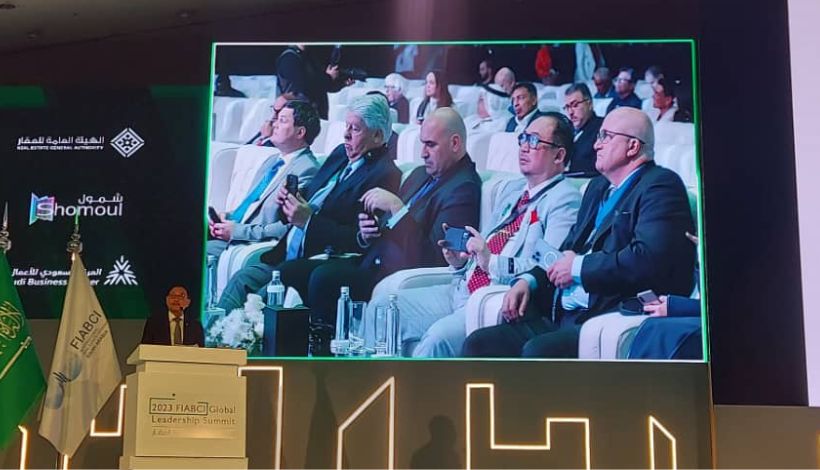
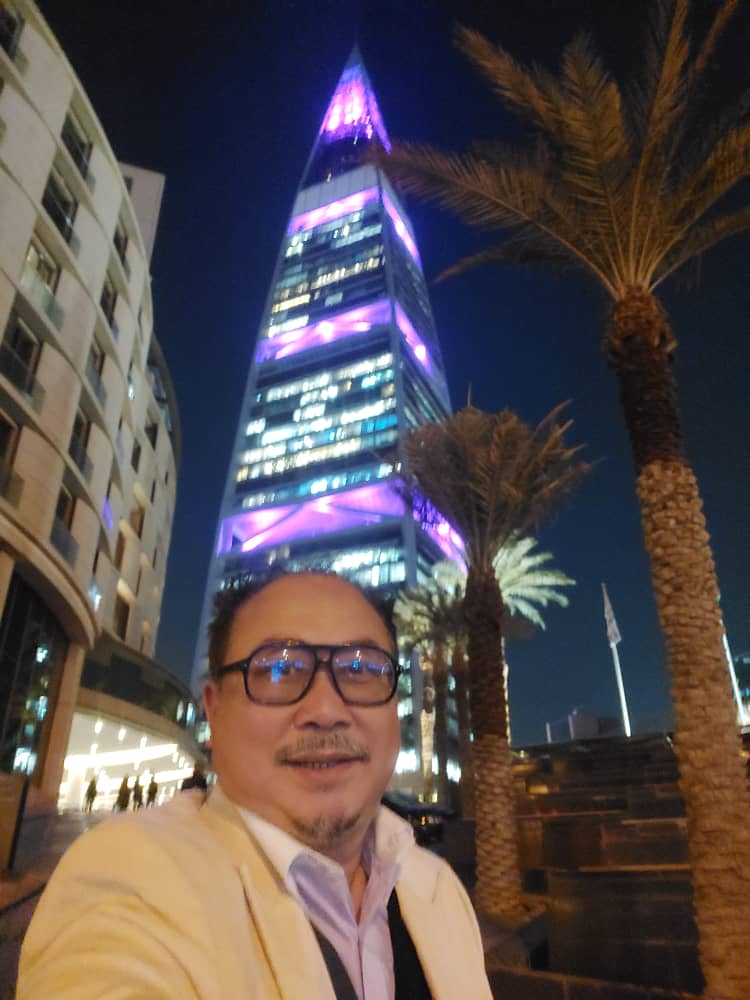
The 42nd FIABCI Summit Riyadh ran from 4 to 7 December 2023 at the Mandarin Oriental Al Faisaliah. FIABCI-Saudi Arabia hosted the event with support from Eyes of Cities. The chosen theme, “Resilience for Growth,” reflected post-pandemic uncertainties and climate-driven disruptions. Over four days, the programme combined keynote addresses, high-level roundtables, governance sessions, and curated project visits. Each segment aimed to deepen discourse on future-oriented urban development. Attendees represented 35 countries, including policymakers, institutional investors, developers, and academics.
Keynote Highlights from the FIABCI Summit Riyadh: Leadership with Strategic Direction
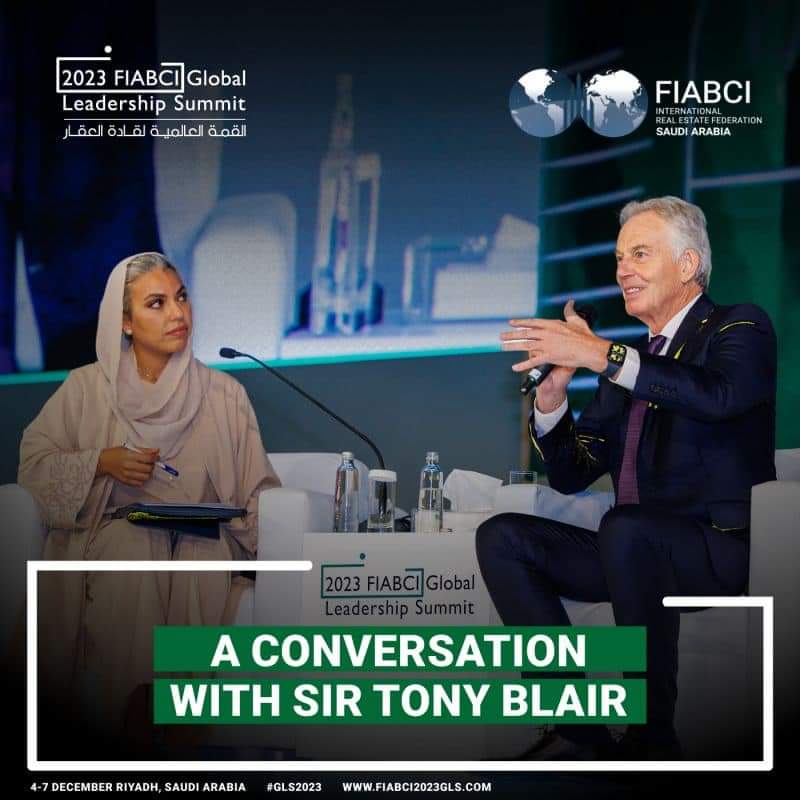
Sir Tony Blair delivered one of the summit’s defining addresses. The former UK Prime Minister and founder of the Tony Blair Institute for Global Change focused on institutional coherence. He argued that national transformation accelerates when governments maintain policy consistency across electoral cycles. His examples drew from Saudi Arabia’s Vision 2030, a framework requiring decade-long commitment. Blair emphasized that decision-making agility matters less than directional stability. Emerging economies, he noted, frequently fail because they change course every four years. Nusantara’s planners took note.
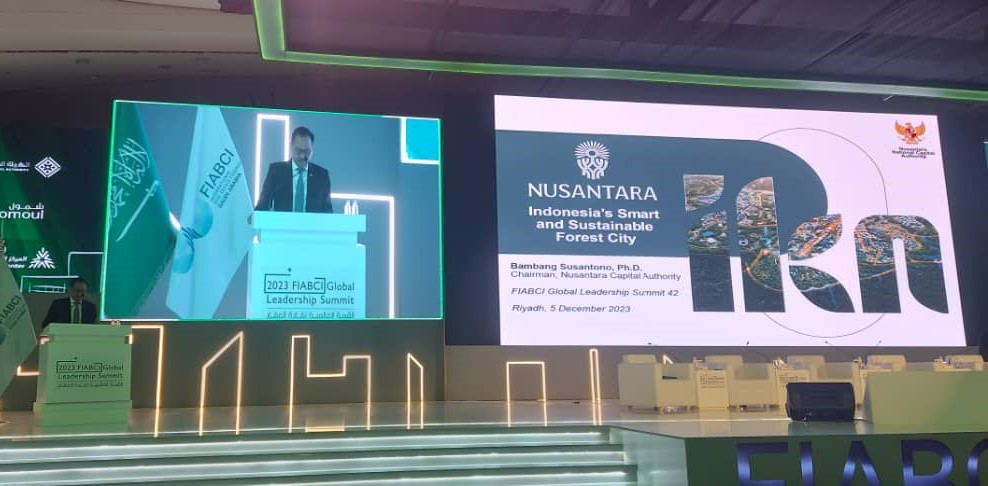
Bambang Susantono followed with a presentation of equal weight. He outlined Nusantara’s guiding principles: sustainability, institutional integrity, technological innovation, and people-centered urban planning. Unlike many capital projects that retrofit old models, Nusantara starts from zero. Susantono stressed that Indonesia refuses to replicate 20th-century urban errors. His remarks positioned the new capital as a laboratory for governance and green technology. The audience, comprising skeptical investors, responded with focused questions on funding timelines and regulatory predictability.
Regional Leaders and Shared Priorities
The summit gathered FIABCI’s regional leadership. Felice Tufano represented Europe from Spain. Aziz Kanjee spoke for the Americas from Canada. Adele Adeniji, holding credentials including FNIVS, RSV, SCV, MRICS, RMP, MBA, and FCIAN, covered Africa from Nigeria. Nelson Manurung completed the panel for Asia-Pacific. Despite vastly different markets, their priorities converged. Climate adaptation ranked first across all regions. Digitalisation followed closely. Modern governance, housing affordability, and equitable urban environments rounded out the list. This convergence underscored a global shift: real estate no longer focuses solely on returns. It must also deliver resilience.
FIABCI Summit Riyadh’s Transformative Context as a Living Case Study
Riyadh itself became a teaching tool. Saudi Arabia’s Vision 2030 agenda is physically reshaping the urban landscape through giga-projects. These are not incremental upgrades. They represent a wholesale rethinking of city functions. For Nusantara’s planners, observing Riyadh offered empirical evidence of what coordinated national initiatives can achieve within compressed timelines.
NEOM, The Line, and Giga-Projects Featured During the FIABCI Summit Riyadh
NEOM leads the Kingdom’s transformation. This high-tech region spans 26,500 square kilometers, targeting clean energy, advanced mobility, and future industries. Within NEOM, The Line has attracted the most attention and controversy. The 170-kilometer linear city eliminates cars and roads entirely. It prioritizes walkability and dedicates 95 percent of its land to nature. Density becomes an environmental asset rather than a stressor. NEOM also includes Oxagon, a floating industrial hub designed for next-generation manufacturing, and Trojena, a year-round mountain destination combining residential, sports, and leisure facilities. Each component tests different urban hypotheses.
Diriyah Gate and Qiddiya: Cultural and Economic Diversification
Beyond NEOM, Diriyah Gate transforms the historic At-Turaif district. The project preserves Najdi heritage while introducing cultural and lifestyle amenities. It demonstrates that modernization need not erase history. Meanwhile, Qiddiya covers more than 300 square kilometers as the Kingdom’s flagship entertainment and sports destination. The project directly supports economic diversification and large-scale job creation. For Nusantara, these examples offer lessons in balancing heritage, recreation, and productivity within a single master plan.
Strategic Relevance for Nusantara: Lessons from the FIABCI Summit Riyadh
The FIABCI Summit Riyadh yielded four transferable insights for Indonesia’s new capital.
First, resilience must function as the baseline, not an add-on. Planning must anticipate environmental, demographic, and socio-economic challenges from day one. Second, leadership continuity drives execution. As Blair highlighted, national transformation advances most effectively when institutions maintain clarity, direction, and policy consistency across administrations. Third, innovation requires structural integration. Nusantara should embed advanced mobility systems, digital governance, PropTech, and sustainable building technologies into its core architecture. Fourth, global collaboration strengthens investor confidence. The summit reaffirmed that international partnerships accelerate both knowledge transfer and capital formation.
Resilience as a Baseline: A Core FIABCI Summit Riyadh Takeaway
Upon returning to Jakarta, Nelson Manurung translated summit takeaways into actionable frameworks. Within FIABCI Asia-Pacific, he opened discussions on a collaborative channel designed to direct global expertise into Indonesian contexts. He also explored with OIKN how the authority might engage more actively with FIABCI’s international network. The goal: enrich technical capacity, access specialized knowledge, and broaden partnerships beyond traditional government-to-government channels.
Manurung further proposed organizing a FIABCI study mission to Nusantara. Bringing global leaders, practitioners, and investors directly to the project site will anchor their understanding of the capital’s vision. Direct site visits convert abstract presentations into tangible commitments. The proposal received initial support from FIABCI’s regional chairs, with planning scheduled for Q3 2026.
Personal Reflections and Professional Resolve
The Riyadh summit reinforced a broader mission. Real estate and urban development shape how people live, move, connect, and aspire. The sector influences economic resilience, environmental stewardship, and social equity. Manurung noted that the experience sharpened his determination to position Indonesia as a contributor, not merely a participant, in global conversations on sustainable urban futures. Nusantara presents Indonesia with a pivotal opportunity to demonstrate leadership at a regional and global level.
A Clearer Vision for Indonesia’s Future
The 42nd FIABCI Global Leadership Summit deepened understanding of what effective leadership, strategic clarity, and global cooperation can achieve. The lessons from Tony Blair, the vision articulated by Bambang Susantono, and the insights exchanged among FIABCI leaders from four continents collectively strengthen Indonesia’s readiness to build a capital aligned with 21st-century demands. As Nusantara progresses, the commitment remains: translate global insight into local impact. Indonesia stands at a defining moment, one that calls for thoughtful planning, disciplined execution, and unwavering focus on building a future city that reflects national aspirations.
From Summit Dialogue to Ground-Level Delivery
The 42nd FIABCI Summit Riyadh delivered more than ceremonial diplomacy. It produced a transferable framework for nations building new administrative capitals. For Indonesia, the timing proved critical. Nusantara’s early construction phase still allows course corrections based on international best practices. The summit’s emphasis on resilience, governance continuity, structural innovation, and global partnerships directly addresses the most common failure points in greenfield development. Sir Tony Blair’s warning about policy inconsistency resonates deeply in emerging markets. Bambang Susantono’s vision provides the necessary counterweight: a clear, long-term direction backed by institutional authority. Nelson Manurung’s follow-through ensures that summit conversations evolve into study missions, technical agreements, and ultimately, investment flows. Riyadh 2023 will not build Nusantara. But it may well determine whether Indonesia builds it right.