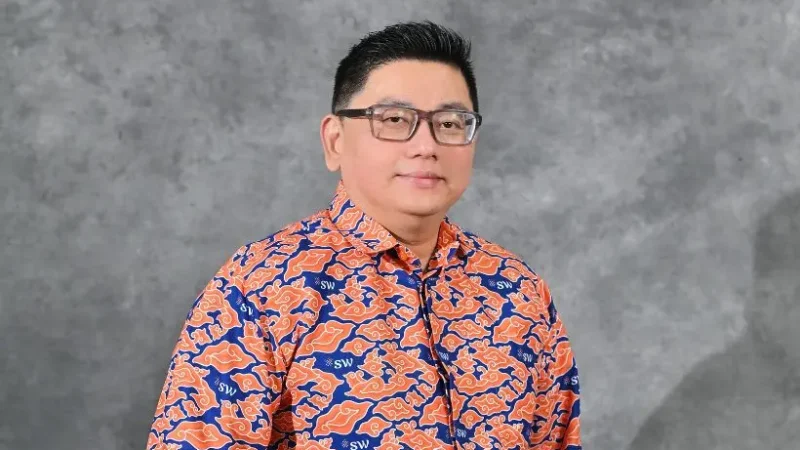
ASEAN Urban Development Through Rafi Haikal’s Lens

Strategic Context
Southeast Asia’s cities are expanding at an extraordinary pace, yet the more consequential transformation lies in how that growth is being redefined. According to Muhammad Rafi Haikal, who serves as Director of ASEAN Business Development at Urbahn Architects PLLC in New York and as Partner and President Commissioner at PT. Urbahn International PMA in Jakarta, the region has entered a more disciplined phase of ASEAN urban development.
For decades, expansion dominated urban strategy. Cities measured progress through scale new districts, new infrastructure, and outward growth. Today, that equation is shifting. Efficiency, integration, and long-term value now define success.
With nearly 60% of ASEAN’s population expected to live in urban areas by 2030, and cities contributing over 80% of regional GDP, the stakes have intensified. The focus has moved toward building urban systems that perform at a higher level rather than simply expanding physical footprints.
Redefining ASEAN Urban Development Priorities
From Expansion to Precision
Urban growth across Southeast Asia has reached a turning point. Continued expansion without coordination increasingly produces diminishing returns.
Large-scale developments often introduce inefficiencies longer commuting times, fragmented land use, and underutilized infrastructure. As a result, ASEAN urban development is transitioning toward:
- High-density, mixed-use districts
- Integrated housing and transport planning
- Strategic revitalization of existing urban cores
This shift enables cities to extract greater economic value while improving urban functionality.
The Economic Cost of Inefficiency
Urban inefficiencies carry measurable economic consequences. Traffic congestion alone reduces productivity across major Southeast Asian cities, with losses estimated at 2% to 5% of GDP annually.
Housing imbalances further constrain growth. Limited affordability reduces workforce mobility, while mismatched supply weakens overall economic participation.
Addressing these structural challenges has become central to advancing ASEAN urban development.
Infrastructure as an Integrated System
Moving Beyond Isolated Projects
Infrastructure investment continues to accelerate across ASEAN. However, the effectiveness of these investments depends on how well they integrate into a cohesive system.
Governments are expanding:
- Mass transit networks
- Urban rail systems
- Smart mobility solutions
Yet, disconnected infrastructure limits impact. Transport networks must align with residential and commercial zones to maximize efficiency.
Integrated systems reduce friction, enabling smoother movement of people, goods, and capital.
Digital Transformation and Smart Cities
Digital infrastructure is reshaping how cities operate. Smart city initiatives are becoming a defining feature of ASEAN urban development.
Across the region, cities are implementing:
- Real-time traffic management systems
- Digital governance platforms
- Data-driven urban planning tools
The ASEAN Smart Cities Network, which includes more than 30 cities, reflects a coordinated effort to leverage technology for urban efficiency.
Livability as a Driver of Economic Growth
Competing Through Quality of Life
Urban competitiveness now depends heavily on livability. Cities must offer environments that support productivity and well-being.
Key priorities include:
- Reliable infrastructure
- Accessible and affordable housing
- Environmental quality
Cities that deliver on these factors attract both talent and investment, reinforcing their economic position.
Climate Resilience and Sustainability
Environmental risks are becoming more pronounced across Southeast Asia. Flooding, rising sea levels, and extreme weather events threaten urban centers.
To address these challenges, ASEAN urban development increasingly incorporates:
- Climate-resilient infrastructure
- Flood management systems
- Sustainable energy solutions
These measures are essential for protecting long-term economic stability.
Investment Trends Shaping Urban Transformation
Shift Toward Quality-Driven Capital
ASEAN remains a major destination for global investment. However, investor preferences are evolving.
Capital is increasingly directed toward:
- Transit-oriented developments
- Mixed-use urban hubs
- Sustainable real estate projects
This trend reflects a growing emphasis on long-term value and operational efficiency.
Public-Private Partnerships as Enablers
Public-private partnerships are playing a larger role in urban development across the region.
These collaborations enable:
- Large-scale infrastructure financing
- Faster project execution
- Shared risk management
Such partnerships strengthen the overall framework of ASEAN urban development.
Cities as Strategic Economic Platforms
Specialization Across ASEAN Cities
Cities across Southeast Asia are evolving into specialized economic hubs.
Examples include:
- Financial and innovation centers
- Manufacturing and export hubs
- Consumer-driven metropolitan markets
This specialization enhances regional integration while strengthening each city’s competitive advantage.
Aligning Urban and National Strategies
Effective urban development requires alignment with national economic priorities.
Governments are increasingly coordinating:
- Infrastructure investment
- Industrial policy
- Investment promotion strategies
This alignment ensures that urban growth contributes directly to broader economic objectives.
The Future of ASEAN Urban Development
A Shift Toward Precision
The next phase of ASEAN urban development will focus on refining existing systems rather than expanding outward.
Cities will prioritize:
- Maximizing infrastructure efficiency
- Enhancing integration across sectors
- Improving quality of life
This approach reflects a more mature model of urban growth.
Execution as the Key Differentiator
Execution remains the defining factor. Strong planning must translate into consistent implementation.
Cities that maintain discipline in governance and project delivery will outperform peers in attracting capital and talent.
Golden Takeways
Through the perspective of Muhammad Rafi Haikal, who serves as Director of ASEAN Business Development at Urbahn Architects PLLC in New York and as Partner and President Commissioner at PT. Urbahn International PMA in Jakarta, Southeast Asia’s urban transformation is entering a more disciplined and strategic phase.
The emphasis on quality, integration, and execution signals a shift toward more resilient and competitive cities. As this approach gains momentum, ASEAN urban development will play a defining role in shaping the region’s long-term economic trajectory.
GM