Timika, Capitalizing on Papua’s Industrial and Mining Ecosystem
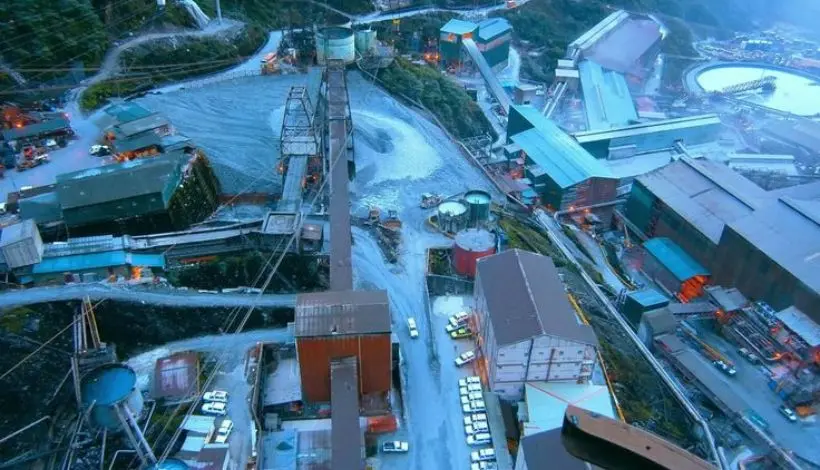
Timika occupies a unique position in Indonesia’s eastern economic landscape. While many cities across Papua continue building their industrial base, Timika has spent decades developing a sophisticated commercial ecosystem around one of the world’s largest mining operations. The city has evolved far beyond a mining town into a regional business centre where logistics, property, hospitality, retail, engineering services, and food supply industries continue to expand alongside industrial activity.
For investors seeking exposure to Eastern Indonesia, Timika investment opportunities offer an uncommon combination of established economic fundamentals and long-term growth. The presence of large-scale international mining operations creates a continuous demand for supporting businesses, while population growth, infrastructure improvements, and increasing household incomes continue to diversify the local economy.
Unlike frontier markets that depend on speculative future projects, Timika already benefits from a mature industrial ecosystem supported by global corporations, thousands of skilled workers, extensive supply chains, and one of Indonesia’s highest-value export industries.
Timika: The Commercial Engine of Central Papua
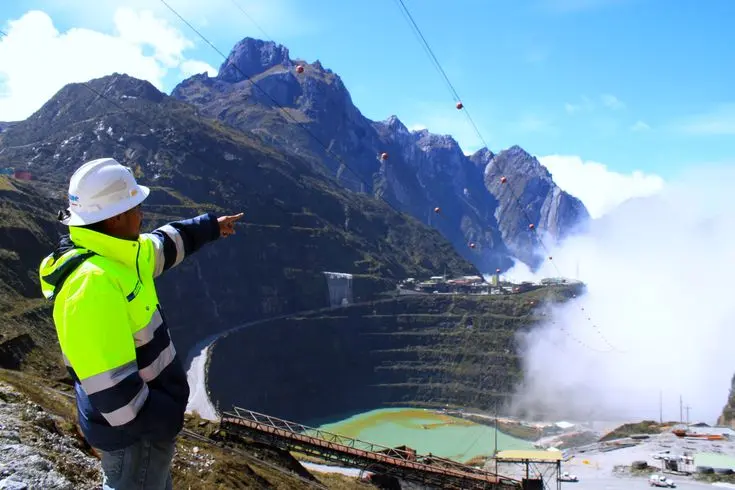
Timika serves as the capital of Mimika Regency in Central Papua Province. Over the past several decades, its development has been closely associated with the operations of PT Freeport Indonesia, operator of the renowned Grasberg mining complex, widely recognised as one of the world’s largest gold mines and among the largest copper reserves globally.
According to Freeport-McMoRan, the Grasberg minerals district contains one of the largest recoverable copper reserves and one of the largest gold reserves ever discovered. Annual production continues to contribute billions of dollars in export value while supporting extensive downstream business activities across Papua and Indonesia.
The mining industry has become a powerful economic multiplier rather than an isolated sector. Every shipment of equipment, every engineering contract, every construction project, and every business visit generates additional demand across multiple industries throughout Timika.
Statistics Indonesia (BPS) consistently identifies mining as the largest contributor to Mimika Regency’s regional economy, accounting for a dominant share of Gross Regional Domestic Product (GRDP). This concentration of industrial activity has created one of Papua’s strongest urban economies.
Why Timika Investment Opportunities Continue to Expand
Mining provides the initial economic catalyst, yet Timika’s commercial strength increasingly comes from industries that support industrial operations and a growing urban population.
Several structural factors continue to strengthen investment prospects:
Large Corporate Ecosystem
Thousands of employees, contractors, consultants, engineers, and suppliers operate throughout the region. Large multinational companies require reliable local partners capable of delivering transportation, accommodation, catering, maintenance, security, technical services, and procurement support.
This creates recurring business demand rather than seasonal consumption.
Population Growth and Urban Expansion
Timika’s population has expanded significantly over the past two decades as workers from across Indonesia relocate to support mining, construction, healthcare, education, and government services.
Urbanisation naturally increases demand for residential developments, commercial buildings, retail centres, healthcare facilities, restaurants, schools, and community infrastructure.
Rising Purchasing Power
Mining-related employment typically offers salaries above national averages, creating stronger household spending than many comparable cities in Eastern Indonesia.
Higher disposable income supports retail businesses, automotive services, electronics stores, supermarkets, restaurants, and lifestyle-related enterprises.
The Global Story Behind Grasberg
Few mining operations have shaped an entire regional economy as profoundly as the Grasberg complex.
Located in Papua’s mountainous interior, the mine has become one of the world’s most strategically important sources of copper and gold. Copper remains an essential material for renewable energy systems, electric vehicles, transmission networks, and modern digital infrastructure. Meanwhile, gold continues to play a significant role in global financial markets and industrial manufacturing.
As international demand for copper accelerates alongside the global energy transition, strategic mining assets such as Grasberg remain increasingly valuable.
For Timika, this translates into sustained economic activity extending well beyond mineral extraction. Every expansion programme, underground development project, equipment upgrade, and operational improvement creates opportunities for local businesses across multiple sectors.
Housing and Property Benefit from Long-Term Demand

Among the most attractive Timika investment opportunities, property continues to stand out.
Demand comes from multiple market segments:
- Mining professionals
- Government employees
- Healthcare workers
- Contractors
- New residents
- Local entrepreneurs
- Students
Residential housing developments, boarding houses (kos), serviced residences, and commercial shophouses continue to experience healthy demand because the city’s workforce remains highly mobile.
Commercial property also benefits from expanding retail activity as more businesses establish local operations. Unlike speculative property markets driven primarily by tourism, Timika’s real estate sector serves essential housing and commercial requirements generated by ongoing economic activity.
Hospitality Sector Serves Business Travel
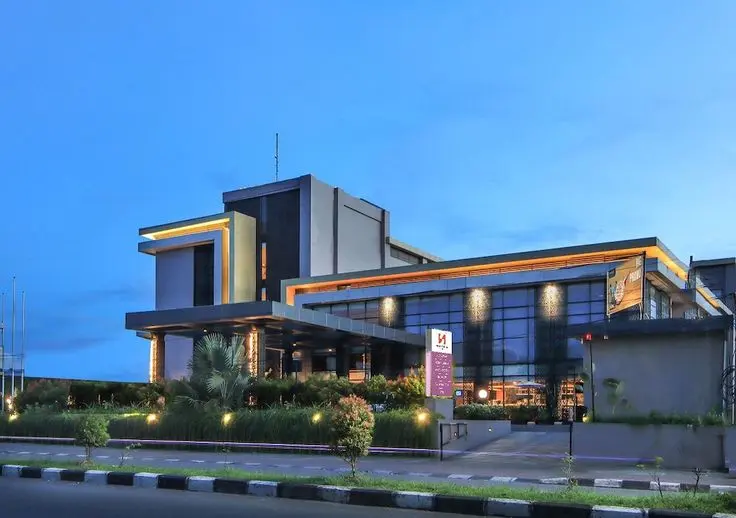
Business travel remains one of Timika’s strongest economic drivers. Corporate executives, engineering consultants, government delegations, equipment suppliers, financial institutions, and project managers regularly visit the city throughout the year.
Consequently, hotels, serviced apartments, restaurants, cafés, meeting facilities, and business centres continue attracting investment interest.
The hospitality industry increasingly focuses on corporate clients seeking reliable accommodation, meeting venues, airport transfers, and professional business services.
As industrial projects continue expanding across Central Papua, business-related travel is expected to remain resilient.
Logistics Has Become a Strategic Industry
Every industrial economy depends on efficient logistics.
Timika requires continuous movement of:
- Industrial equipment
- Construction materials
- Consumer goods
- Food supplies
- Engineering components
- Heavy machinery
- Fuel
- Medical equipment
Because Papua’s geography presents logistical challenges, companies capable of delivering efficient transportation and supply chain solutions enjoy strong market potential.
Investments may include:
Freight Forwarding
Industrial cargo handling remains essential for mining operations and regional development.
Warehousing
Modern storage facilities support inventory management for contractors, retailers, and distributors.
Distribution Networks
Consumer demand continues increasing alongside population growth, creating opportunities for regional distribution centres.
Industrial Support Services Create Stable Revenue
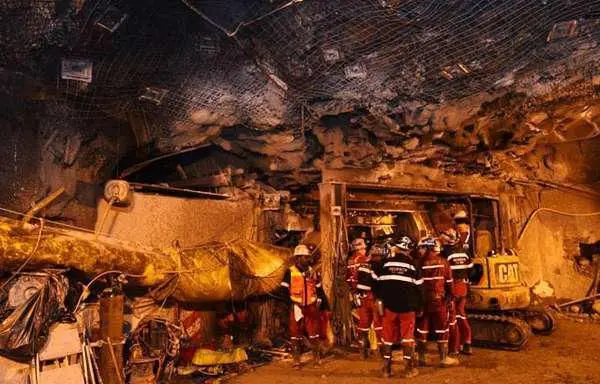
Perhaps the least discussed yet most valuable Timika investment opportunities lie within industrial support services. Large industrial operations rely on specialised service providers across numerous categories.
These include:
- Heavy equipment rental
- Equipment maintenance
- Mechanical engineering
- Electrical services
- Construction support
- Security services
- Industrial cleaning
- Transportation
- Workforce accommodation
- Catering
- Technical consulting
- Environmental services
Many contracts extend over multiple years, providing greater revenue visibility than businesses dependent solely on consumer demand.
Retail and Trade Continue to Expand
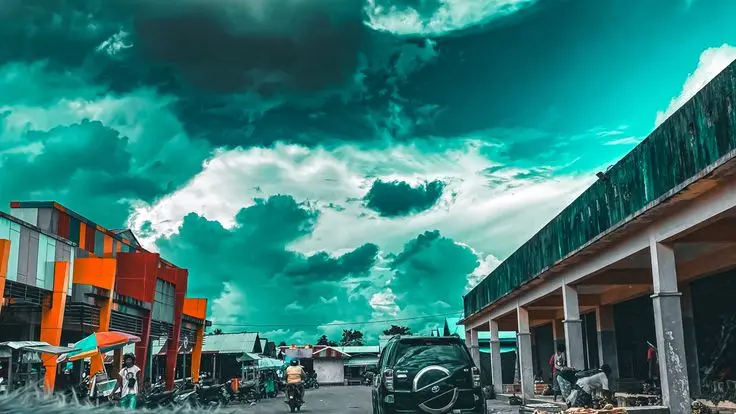
Economic activity naturally fuels consumer spending.
Higher household incomes support demand for:
- Modern supermarkets
- Hardware stores
- Building material suppliers
- Furniture retailers
- Electronics outlets
- Automotive businesses
- Pharmacies
- Household goods
- Fashion retailers
As residential developments expand, retail clusters become increasingly attractive investments. Several national retail brands have already entered Papua’s larger urban centres, reflecting growing confidence in regional purchasing power.
Food Security Creates Agribusiness Opportunities
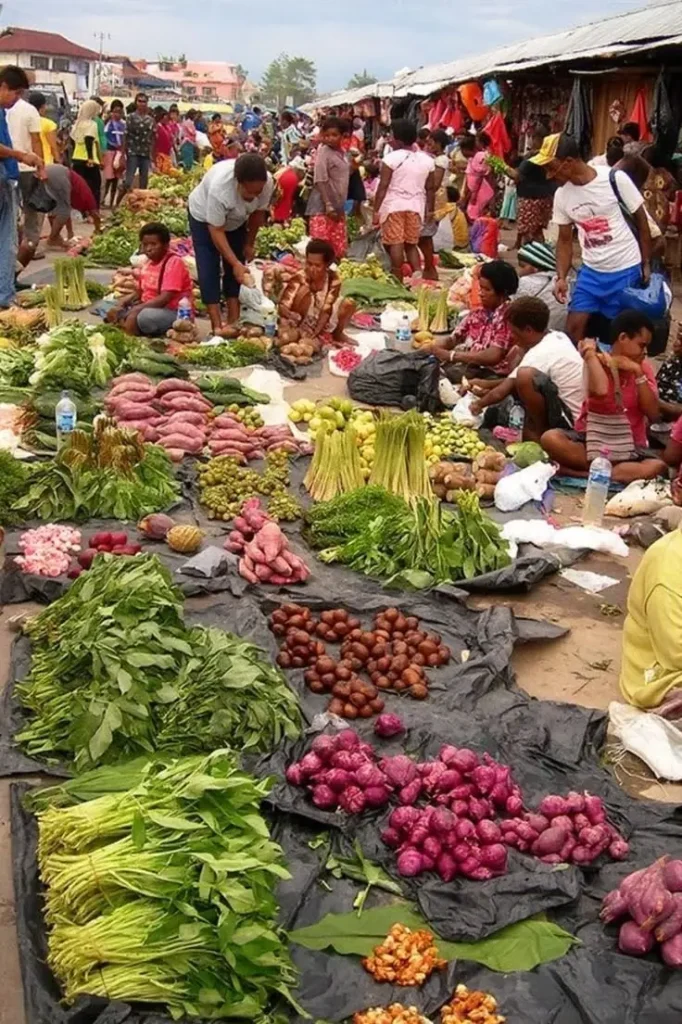
Although Timika enjoys a strong industrial economy, much of its food supply still arrives from other regions of Indonesia. This creates opportunities across the food value chain.
Potential investment areas include:
Modern Agriculture
Greenhouse farming, hydroponics, and controlled-environment agriculture can improve local food production.
Livestock
Poultry, cattle, and fisheries help reduce dependence on imported food products.
Food Distribution
Cold storage, wholesale distribution, and processing facilities support expanding consumer demand. Strengthening local food production also improves supply resilience while reducing transportation costs.
Infrastructure Strengthens Long-Term Competitiveness
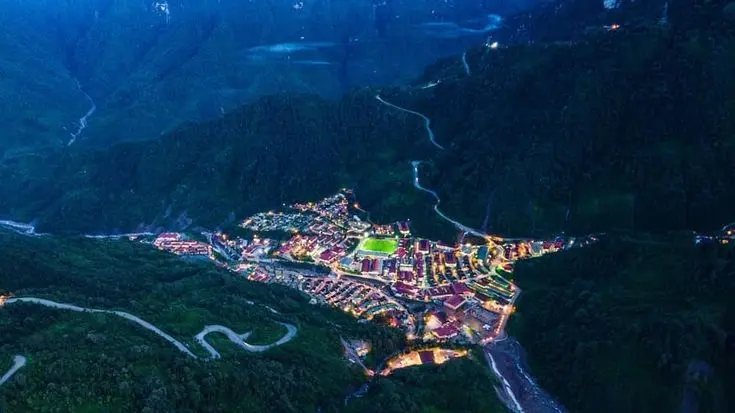
Timika continues benefiting from infrastructure improvements that support industrial growth. The city connects with domestic aviation networks through Moses Kilangin Airport, facilitating passenger movement and time-sensitive cargo.
Road improvements, telecommunications investment, electricity development, and logistics infrastructure continue enhancing business efficiency across the region.
Indonesia’s broader strategy to accelerate development across Eastern Indonesia also supports future investment confidence.
Why Global Investors Should Watch Timika
International investors increasingly seek locations where natural resources intersect with industrial development and expanding domestic markets. Timika represents precisely that combination.
Rather than relying solely on commodity prices, the city benefits from an interconnected economy where mining supports logistics, logistics supports trade, trade stimulates property development, and urban growth strengthens hospitality and consumer services.
Diversification reduces dependence on a single business segment while creating multiple investment entry points. For family offices, institutional investors, strategic partners, engineering firms, logistics companies, hospitality operators, and industrial suppliers, Timika offers opportunities across several industries supported by long-term economic fundamentals.
Where It All Leads
Timika investment opportunities extend well beyond the world’s famous gold and copper mines. The city’s greatest strength lies in the industrial ecosystem that has developed around decades of sustained economic activity. Housing, logistics, hospitality, retail, industrial services, agribusiness, and commercial property all benefit from a business environment shaped by international mining operations, rising purchasing power, and continued urban expansion.
As Indonesia accelerates development across its eastern provinces, Timika stands among Papua’s most commercially mature investment destinations. Investors who understand integrated industrial economies will find a market supported by global corporations, resilient domestic demand, and strategic infrastructure qualities that position Timika for continued growth well into the next decade.
GM