Jayapura, The Commercial Heart of Papua’s Consumer Economy

As Indonesia accelerates the development of Eastern Indonesia, one city consistently stands at the center of commercial activity in Papua: Jayapura. Positioned on the northern coast of New Guinea and sharing a direct international border with Papua New Guinea, Jayapura has evolved into the region’s principal gateway for trade, services, logistics, education, and government administration.
For investors seeking long-term growth rather than short-term speculation, Jayapura presents an increasingly compelling proposition. The city combines strong purchasing power, an expanding urban population, relatively mature infrastructure, and its strategic role as the primary distribution hub serving much of Papua.
Unlike resource-dependent economies whose performance often fluctuates with commodity prices, Jayapura’s economy benefits from a broad consumer base supported by public administration, commerce, education, healthcare, financial services, tourism, and logistics. This diversified structure provides resilience while creating multiple investment avenues across sectors.
According to Indonesia’s Statistics Agency (BPS), Jayapura’s population reached approximately 410,852 people in 2024, making it the largest city in Papua and one of the largest urban economies on the island of New Guinea. The city also records one of the highest Human Development Index (HDI) scores in Papua at 0.801, reflecting relatively strong educational attainment, healthcare access, and income levels compared with many neighboring regions.
Why Jayapura Investment Opportunities Continue to Expand
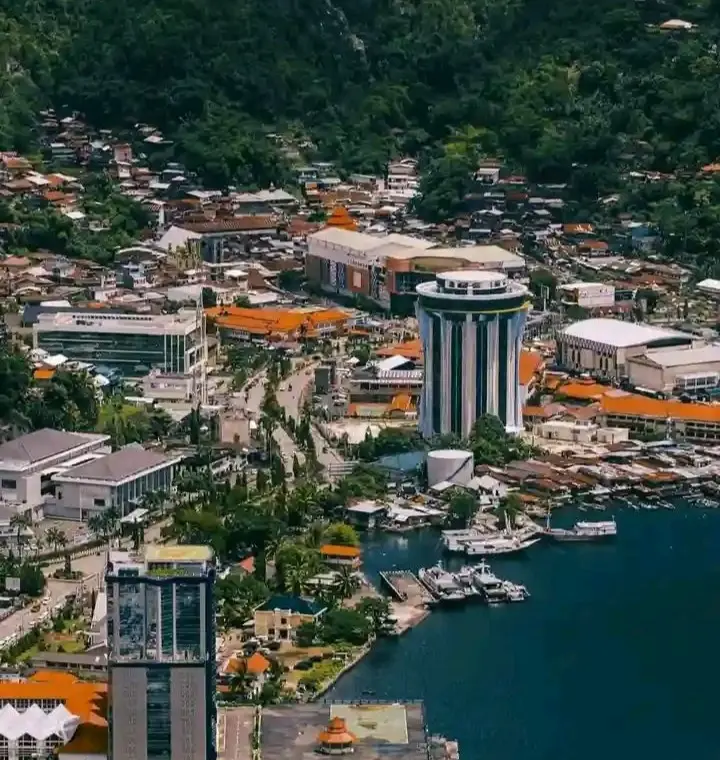
Jayapura performs multiple economic functions simultaneously.
It serves as:
- Papua Province’s administrative capital
- The region’s largest consumer market
- A logistics gateway for eastern Indonesia
- A cross-border trading city with Papua New Guinea
- A center for higher education
- A healthcare referral destination
- A financial and banking hub
These overlapping roles generate continuous demand across commercial real estate, retail, transportation, hospitality, and professional services.
Research on Jayapura’s regional economy shows that construction, wholesale trade, accommodation, financial services, information technology, education, healthcare, and business services all demonstrate competitive advantages compared with many surrounding regions.
Property and Hospitality Benefit from Urban Expansion
One of the strongest Jayapura investment opportunities lies in property development.
The city’s expanding population, growing middle-income households, and concentration of government institutions continue to increase demand for residential and commercial properties.
Investment opportunities include:
Hotels
Government meetings, educational conferences, NGO activities, business travel, and tourism generate year-round hotel occupancy. International-standard accommodation remains relatively limited compared with demand, creating opportunities for:
- Business hotels
- Serviced apartments
- Boutique waterfront hotels
- Extended-stay accommodation
Hotel Suni Sentani: A Gateway to Jayapura’s Emerging Hospitality Landscape

For visitors exploring Jayapura and the wider Papua region, Hotel Suni Sentani offers a strategically positioned base at the foothills of the Cyclops Mountains, combining contemporary four-star hospitality with convenient access to the region’s key gateways and attractions.
Located along the Sentani Waena corridor, the hotel is approximately 3 kilometres from Sentani International Airport or also known as Dortheys Hiyo Eluay International Airport, making it particularly relevant for business travellers, investors and visitors discovering Papua. Its offering extends beyond accommodation, with an outdoor swimming pool and pool bar, restaurants, spa and fitness facilities, meeting and event spaces, and airport shuttle services.
With its proximity to Sentani’s commercial centre and the natural landscape surrounding Lake Sentani and the Cyclops Mountains, Hotel Suni Sentani reflects the growing role of hospitality infrastructure in supporting Jayapura’s emergence as a regional centre for tourism, business and investment.
Hotel Suni Sentani is managed by PT East Season Indonesia, an integrated hospitality and property management company with an established operational presence in Papua.
East Season specialises in hotel and resort management, branding, and property development. The company currently manages four properties across Southwest Papua and West Papua, representing more than 450 rooms and a workforce of over 250 employees.
Its regional expertise brings valuable local knowledge and professional hospitality standards to Hotel Suni Sentani. This further strengthens the hotel’s position as part of Jayapura’s growing tourism, business and investment ecosystem.
Suni Hotel Abepura: A Strategic Hospitality Hub in Jayapura

Continuing the story of Papua’s evolving hospitality landscape, Suni Hotel Abepura offers another compelling example of quality hospitality in one of eastern Indonesia’s emerging urban centres.
Located in Abepura, Jayapura, the hotel combines comfortable accommodation with comprehensive meeting and event facilities, making it well suited to business travellers, corporate functions and institutional gatherings.
Its strongest selling point is the combination of hospitality, connectivity and versatility giving guests a convenient base to stay, meet and connect while exploring Jayapura and the wider opportunities of Papua.
Still under the management of East Season Indonesia, Suni Abepura extends the group’s hospitality presence while maintaining a strong connection to the local market. As Papua’s business and tourism ecosystem continues to develop, the hotel is well positioned to serve both today’s visitors and the growing demand that comes with the region’s long-term economic potential.
Commercial Real Estate
Construction remains one of Jayapura’s largest contributors to regional GDP, highlighting sustained investment in urban development.
Modern Retail Continues to Capture Rising Consumer Spending
Jayapura possesses one of Papua’s strongest consumer markets.
Its role as the provincial commercial center supports consistent demand for:
- Modern supermarkets
- Shopping centres
- Consumer electronics
- Home improvement
- Fashion
- Food and beverage outlets
- Lifestyle brands
As household purchasing power increases, organized retail continues replacing fragmented traditional distribution channels.
The city’s growing middle class increasingly values convenience, product quality, and branded shopping experiences, creating room for both domestic and international retailers.
Logistics and Warehousing Power Papua’s Supply Chain
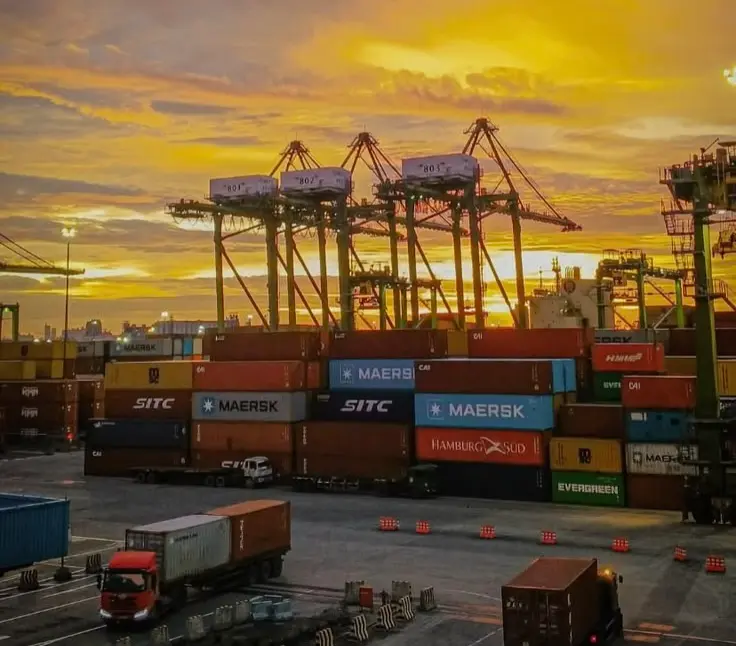
Perhaps no sector better illustrates Jayapura investment opportunities than logistics.
Almost every consumer product entering Papua passes through major logistics networks connected to Jayapura before reaching secondary cities and remote districts.
Its strategic advantages include:
International Connectivity
Jayapura borders Papua New Guinea, creating opportunities for cross-border commerce and regional trade.
Air Transportation
Sentani International Airport functions as one of eastern Indonesia’s major aviation gateways, supporting passenger movement and cargo distribution throughout Papua.
Maritime Distribution
The city’s port facilities connect Papua with major Indonesian shipping routes, supporting container movement, construction materials, food supplies, and consumer goods.
As infrastructure investment continues across Papua, warehousing, cold-chain logistics, freight forwarding, and last-mile delivery services are expected to expand alongside regional demand.
Fisheries Offer Opportunities Beyond Primary Production

Jayapura Bay and surrounding coastal waters provide significant marine resources. However, greater investment potential exists beyond fish harvesting itself.
Higher-value opportunities include:
Seafood Processing
Producing frozen, packaged, smoked, or premium seafood products increases export value while strengthening domestic supply chains.
Cold Storage
Modern cold-chain facilities reduce post-harvest losses and improve product quality.
Export Marketing
Growing Asian seafood demand creates opportunities to supply premium marine products to domestic and international markets.
As Indonesia continues strengthening downstream processing industries, fisheries investment increasingly focuses on value-added production rather than raw commodity sales.
Education and Healthcare Create Stable Long-Term Returns
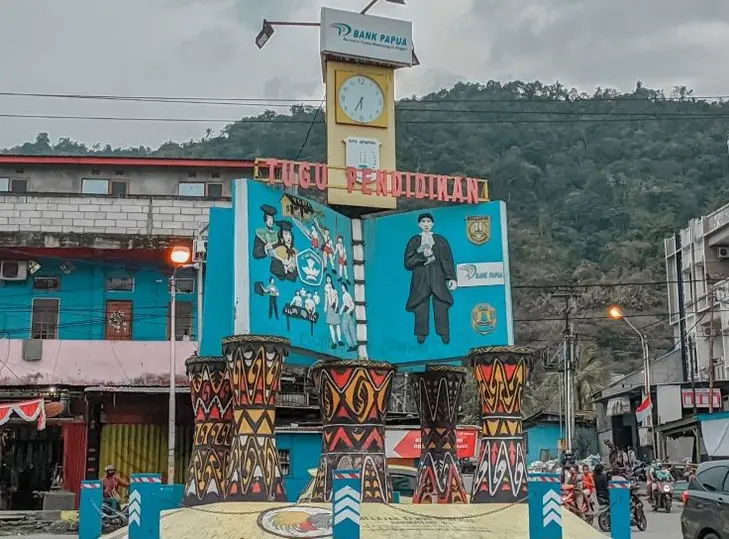
Unlike cyclical sectors, education and healthcare typically generate resilient demand. Jayapura already functions as Papua’s educational center, attracting students from across the province.
Opportunities include:
Private Schools
Demand continues growing for internationally oriented education, vocational institutions, and language training centres.
Higher Education Support
Student housing, digital learning platforms, bookstores, and educational technology businesses complement university expansion.
Healthcare
Population growth, rising incomes, and increasing health awareness support investment in:
- Private hospitals
- Specialist clinics
- Diagnostic laboratories
- Medical equipment
- Elderly care
- Pharmaceutical distribution
Healthcare services remain among the city’s competitive economic sectors according to recent regional economic studies.
Tourism and the Creative Economy Strengthen Local Enterprise

Jayapura combines coastal landscapes, indigenous Papuan culture, and natural attractions within a single destination.
Nearby attractions include:
These destinations support opportunities across:
- Eco-tourism
- Adventure tourism
- Cultural tourism
- Culinary businesses
- Event management
- Local creative industries
- Digital tourism platforms
The city also benefits from increasing domestic tourism alongside improvements in regional connectivity.
International and National Companies Already Operating in Jayapura
The presence of established corporations demonstrates confidence in Jayapura’s commercial environment.
Banking and Financial Services
Major national banks include:
- Bank Mandiri
- Bank Central Asia
- Bank Rakyat Indonesia
- Bank Negara Indonesia
- Bank Papua
Retail and Consumer Brands
National and international retail presence includes:
- Hypermart
- ACE Hardware Indonesia
- MR.DIY
- Indomaret
- Alfamart
Telecommunications
Leading operators include:
- Telkom Indonesia
- Telkomsel
- Indosat Ooredoo Hutchison
- XL Axiata
Hospitality
Several nationally and internationally recognised hotel brands operate within Jayapura, including:
- Suni Sentani Hotel
- Swiss-Belhotel International
- Aston Hotels International
- Horison Hotels Group
Their presence reflects growing confidence in the city’s tourism and business travel markets.
Why Jayapura Matters for Long-Term Investors

Jayapura differs from many emerging regional cities because it combines consumer demand with institutional strength.
Its economy draws support from government expenditure, education, healthcare, logistics, finance, tourism, and trade rather than relying on a single industry.
This balanced structure reduces volatility while creating opportunities across multiple sectors.
As Indonesia continues directing infrastructure investment toward Eastern Indonesia and strengthening connectivity throughout Papua, Jayapura’s position as the region’s commercial gateway becomes increasingly valuable.
For investors pursuing sustainable growth, scalable consumer markets, and first-mover advantages in Eastern Indonesia, few cities offer the combination of accessibility, market size, and economic diversity found in Jayapura.
The Shift Ahead
Jayapura continues to strengthen its role as Papua’s commercial capital through expanding consumer demand, strategic logistics, improving urban infrastructure, and a diversified economy. From commercial property and hospitality to logistics, healthcare, fisheries, retail, and tourism, the city offers investment opportunities aligned with Indonesia’s broader agenda of accelerating growth in Eastern Indonesia.
Businesses that establish a presence today will be well positioned to participate in Papua’s next phase of economic transformation, supported by a growing urban population, stronger regional connectivity, and increasing public and private investment.
GM
More articles in the series:
Sorong, The Logistics Gateway and Industrial Hub of Eastern Indonesia
Raja Ampat, Building Wealth Through Premium Tourism and the Blue Economy
Manokwari, The Administrative Capital Driving West Papua’s Growth
Timika, Capitalizing on Papua’s Industrial and Mining Ecosystem
Merauke Investment Opportunities: South Papua’s Emerging Growth Engine for Long-Term Investors
Nabire, The Rising Economic Center of Central Papua
Biak, Papua’s Emerging Maritime and Pacific Trade Gateway
Bintuni, Unlocking Opportunities Around One of Indonesia’s Largest Energy Clusters