Nabire, The Rising Economic Center of Central Papua
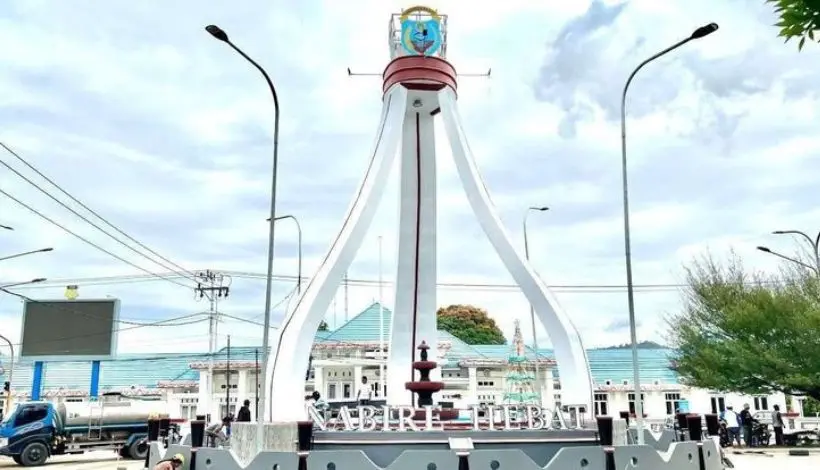
Indonesia’s economic narrative is increasingly shifting eastward. While major investment flows have traditionally concentrated in Java and Sulawesi, Papua is entering a new phase of regional transformation driven by decentralization, infrastructure investment, and stronger public institutions. At the center of this transition stands Nabire, the capital of Central Papua Province, which has rapidly emerged as the administrative, commercial, and logistics hub for one of Indonesia’s newest provinces.
Since Central Papua was officially established in 2022, Nabire has experienced accelerating demand for government services, housing, transportation, retail, and business facilities. According to Badan Pusat Statistik (BPS) Kabupaten Nabire 2025, the regency is home to more than 177,000 residents, making it one of the largest urban economies along Papua’s northern coastline. As population growth combines with rising government expenditure and private-sector activity, the city is evolving into an important gateway connecting inland mining regions, coastal fisheries, and regional trade networks.
For investors seeking long-term opportunities in Eastern Indonesia, Nabire investment opportunities extend well beyond traditional resource industries. The city’s expanding role as a distribution center creates attractive prospects across trade, logistics, hospitality, healthcare, education, commercial property, and value-added fisheries.
Why Nabire Investment Opportunities Continue to Strengthen

Nabire occupies a strategic position on Cenderawasih Bay, linking Central Papua’s interior with domestic shipping routes across eastern Indonesia. Its role has become even more significant following the establishment of Central Papua Province, as provincial government offices, public agencies, and supporting businesses continue relocating and expanding operations within the city.
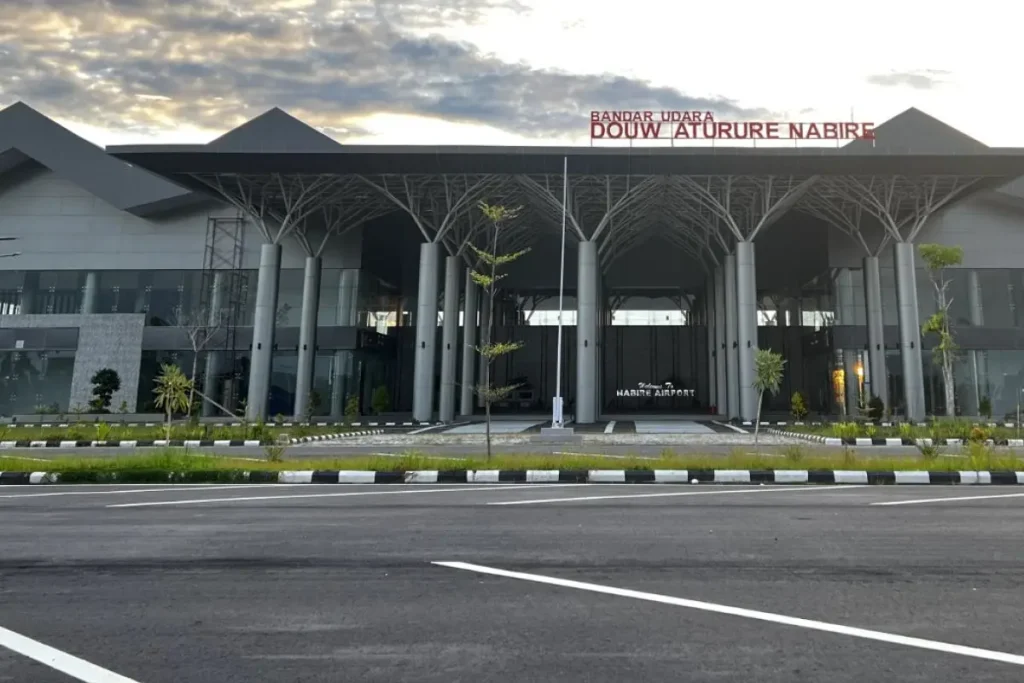
Infrastructure development is reinforcing this momentum. Douw Aturure Airport, formerly Nabire Airport, underwent a major runway extension to 2,500 meters, allowing larger aircraft to operate more efficiently. Airlines including Garuda Indonesia, Lion Air, and Wings Air now connect Nabire with major cities such as Timika, Jayapura, Biak, and Makassar, improving business mobility throughout Papua.
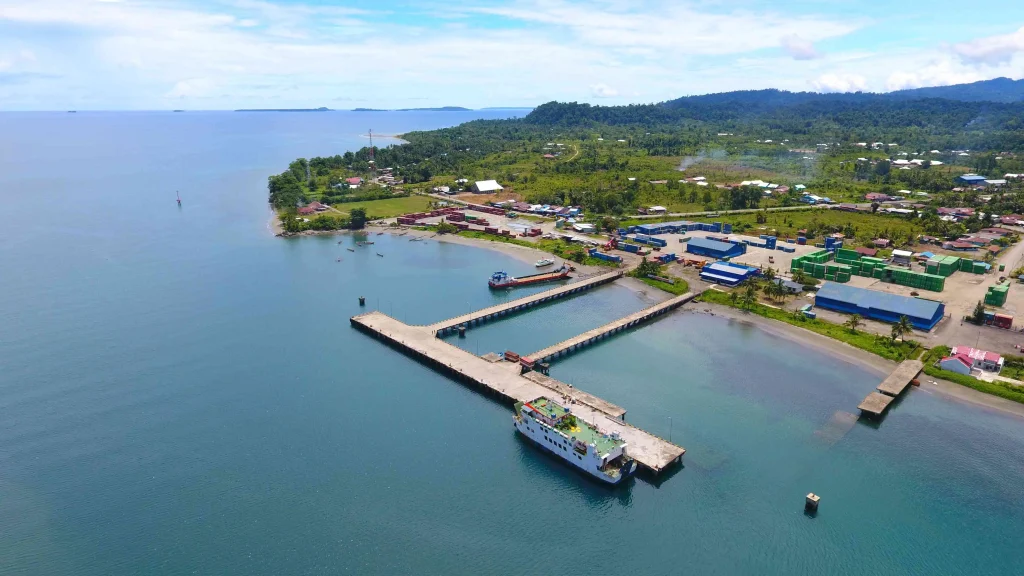
Maritime connectivity also continues to improve through Nabire Port, where PT Pelni maintains passenger services while cargo operators support the movement of consumer goods, construction materials, and industrial equipment throughout Central Papua.
Digital infrastructure has expanded alongside transportation. National telecommunications providers including Telkom Indonesia, Telkomsel, Indosat Ooredoo Hutchison, and XL Axiata continue strengthening mobile and broadband services, enabling businesses to adopt digital payment systems, e-commerce, and cloud-based operations.
Together, these developments create an increasingly attractive ecosystem for domestic and foreign investment.
Trade and Retail Drive Nabire Investment Opportunities
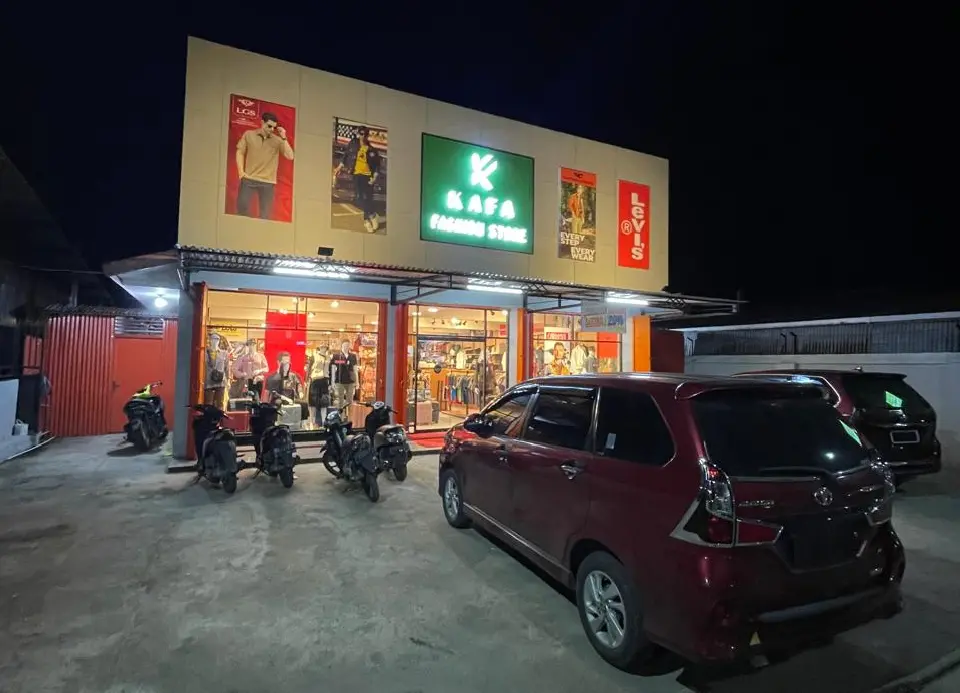
Trade remains one of the strongest beneficiaries of Nabire’s expanding economy.
As the administrative capital of Central Papua, the city attracts civil servants, contractors, educators, healthcare professionals, and private-sector employees whose purchasing power supports continuous retail growth. Consumer demand has expanded across food products, household goods, electronics, automotive supplies, and construction materials.
Modern Retail Continues Expanding
Several national retail brands have already established operations in Nabire.
Indomaret has steadily expanded its convenience store network, improving consumer access to packaged food, beverages, and daily necessities. Alfamidi also serves selected urban areas, reflecting confidence in Nabire’s growing middle-income consumer market.
Retail demand extends well beyond convenience stores.
Building material suppliers, furniture retailers, pharmacies, automotive dealers, and electronic appliance distributors continue benefiting from urban expansion. National brands including Mitra10, Olympic Furniture, Polytron, and Sharp Indonesia increasingly rely on distributors serving Papua’s regional markets, including Nabire.
Financial services are expanding in parallel.
Banks such as Bank Mandiri, Bank Rakyat Indonesia (BRI), Bank Negara Indonesia (BNI), Bank Papua, and Bank Syariah Indonesia (BSI) have strengthened their presence by supporting retail banking, SME financing, payroll services, and digital transactions.
For investors, opportunities extend beyond operating retail outlets. Shopping centers, mixed-use commercial developments, wholesale distribution centers, and franchise businesses remain relatively underpenetrated compared with similarly sized Indonesian cities.
Consumer Spending Creates Long-Term Growth
Indonesia’s expanding middle class continues reshaping consumption patterns throughout secondary cities.
In Nabire, rising household incomes increasingly support demand for:
- Modern supermarkets
- Fashion retailers
- Home improvement stores
- Consumer electronics
- Restaurants and cafés
- Digital payment services
International consumer brands already distributed throughout Papua including Coca-Cola Europacific Partners Indonesia, Nestlé Indonesia, Unilever Indonesia, Danone Indonesia, and Mayora Indah depend on efficient regional distribution channels that continue to strengthen Nabire’s wholesale economy.
As Central Papua’s administrative functions mature, retail investment is likely to diversify further into lifestyle, entertainment, and family-oriented commercial developments.
Logistics and Warehousing Form the Backbone of Regional Commerce
Efficient logistics determine whether regional economies can sustain long-term growth.
Nabire’s geographic position provides a natural advantage.
The city functions as the primary distribution gateway supplying Central Papua’s inland districts while connecting northern coastal communities through maritime transport. Construction materials, fuel, food products, medical supplies, and industrial equipment all flow through Nabire before reaching surrounding regions.
Airport Expansion Improves Supply Chains
The modernization of Douw Aturure Airport has substantially improved freight capacity.
Larger aircraft now enable faster delivery of high-value cargo, pharmaceuticals, fresh seafood, electronic equipment, and perishable goods. For businesses operating in mining, healthcare, construction, and retail, shorter delivery times translate directly into lower inventory costs and greater operational efficiency.
National cargo operators including JNE, J&T Express, SiCepat Ekspres, Pos Indonesia, and Lion Parcel continue expanding logistics services across Papua as e-commerce penetration increases.
Meanwhile, industrial freight companies increasingly rely on integrated shipping networks operated by Samudera Indonesia, Temas Line, and Meratus Line, which connect Papua with Surabaya, Makassar, Bitung, and Jakarta.
Cold Chain Logistics Present a High-Growth Opportunity
One of Nabire’s most promising investment gaps lies in temperature-controlled logistics.
Agricultural products, seafood, pharmaceuticals, and healthcare supplies require reliable cold storage throughout the supply chain.
Current capacity remains limited relative to future demand.
Private investment opportunities include:
- Modern warehousing
- Refrigerated distribution centers
- Cold storage facilities
- Container depots
- Third-party logistics (3PL)
- Integrated supply chain management
Global logistics companies such as DHL Supply Chain, Kuehne+Nagel, DB Schenker, and Maersk Logistics demonstrate international business models that could eventually support Papua’s expanding commercial ecosystem through partnerships with Indonesian operators.
As Central Papua’s economy diversifies, logistics will increasingly shift from basic transportation toward technology-enabled supply chain management capable of supporting manufacturing, healthcare, and food processing industries.
Hospitality and Culinary Benefit from Nabire’s Administrative Growth

Every new provincial capital experience rising demand for accommodation, meeting facilities, restaurants, and business services.
Nabire is following that trajectory.
Government meetings, official travel, infrastructure projects, healthcare expansion, educational institutions, and corporate activity continue generating consistent demand for quality hospitality services.
Hotels such as Mahavira Hotel Nabire, Hotel Jepara Indah, Hotel Adamant, and several locally owned accommodations serve growing numbers of government officials, consultants, contractors, and business travelers.
International hospitality brands have yet to establish a major presence in Nabire, creating opportunities for operators such as Swiss-Belhotel International, Archipelago International, Santika Indonesia Hotels & Resorts, Aston, and Horison Hotels Group should demand continue expanding over the coming decade.
The culinary sector is evolving alongside hospitality.
National coffee chains, local cafés, seafood restaurants, and family dining establishments increasingly benefit from rising disposable income and greater visitor traffic. International food and beverage suppliers, including Nestlé Professional and Coca-Cola Europacific Partners Indonesia, already support restaurants and hotels through extensive distribution networks.
For investors, opportunities extend beyond hotel development to include serviced apartments, convention facilities, premium restaurants, café concepts, catering businesses, and tourism-related services catering to both domestic and international visitors.
Fisheries and Seafood Processing Strengthen Nabire Investment Opportunities

Nabire’s location along the southern edge of Cenderawasih Bay gives the city direct access to one of Indonesia’s most productive marine ecosystems. The bay is internationally recognised for its extraordinary biodiversity and supports commercial fisheries alongside a growing aquaculture industry. While tourism often highlights whale sharks and marine conservation, the commercial value of Nabire’s fisheries deserves equal attention from investors.
According to Indonesia’s Ministry of Marine Affairs and Fisheries (KKP), Papua’s waters contribute significantly to the country’s marine resources, particularly for tuna, skipjack, mackerel, reef fish, and shrimp. Yet much of the catch still leaves the region with limited processing, allowing other provinces to capture higher-value activities.
This gap creates attractive Nabire investment opportunities in downstream seafood industries.
Building a Value-Added Seafood Industry
Instead of exporting fresh fish alone, investors can participate across the entire value chain through:
- Seafood processing plants
- Cold storage facilities
- Ice production
- Fish filleting and packaging
- Ready-to-cook seafood products
- Export logistics
- Quality certification services
Indonesia’s seafood industry already includes companies such as PT Aruna Jaya Nuswantara (Aruna), which connects fishermen with domestic and international buyers through digital supply chains. Large seafood exporters including PT Dharma Samudera Fishing Industries Tbk, PT Kelola Mina Laut (KML Food), and international companies such as Thai Union Group, Maruha Nichiro, and Nissui illustrate how integrated processing creates substantially higher margins than raw commodity sales.
For Nabire, future competitiveness will depend on investments that improve food safety standards, traceability, refrigeration, and export readiness.
As demand for sustainable seafood continues to increase across Japan, South Korea, Singapore, Europe, and North America, businesses capable of meeting international certification standards will enjoy significant competitive advantages.
Property and Housing Reflect a Growing Provincial Capital
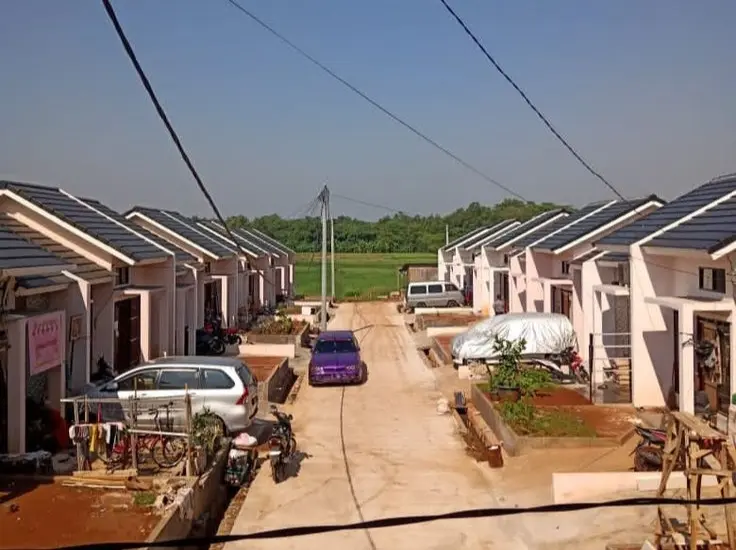
The establishment of Central Papua Province has transformed Nabire’s urban development trajectory.
Government institutions, state-owned enterprises, financial institutions, universities, healthcare providers, and private companies all require additional office space and residential accommodation. Consequently, land values in several parts of Nabire have experienced steady appreciation as demand continues to outpace supply.
Urban expansion is creating a broader property market than previously existed.
Residential Demand Continues to Rise
Several factors support long-term housing demand:
- Expansion of provincial government offices
- Recruitment of civil servants
- Growth in healthcare professionals
- Increasing numbers of educators
- Private-sector investment
- Population growth from surrounding districts
Developers have opportunities to deliver various housing products ranging from affordable residential estates to middle-income housing, executive residences, boarding houses, and serviced apartments.
Indonesia’s leading property developers including Ciputra Group, Sinar Mas Land, Summarecon Agung, Agung Podomoro Land, and Pakuwon Group demonstrate how integrated townships can reshape emerging cities over time. Although these companies have not yet established large-scale developments in Nabire, their business models offer valuable examples for future investors entering Central Papua.
Commercial Real Estate Offers Untapped Potential
Commercial property also presents promising opportunities.
As business activity expands, demand will continue rising for:
- Modern office buildings
- Retail centres
- Business parks
- Warehousing estates
- Mixed-use developments
- Hospitality complexes
National construction companies such as PT Wijaya Karya (WIKA), PT PP (Persero), and PT Adhi Karya have already contributed to infrastructure development across Papua, demonstrating the growing confidence of Indonesia’s major engineering firms in the region’s long-term prospects.
For institutional investors and family offices seeking exposure to emerging urban markets, Nabire offers an opportunity to participate before commercial property prices reach more mature valuations.
Healthcare and Education Expand Alongside Economic Growth
Strong regional economies require more than physical infrastructure.
Healthcare and education increasingly determine whether cities can attract skilled professionals, improve productivity, and sustain private investment.
As Central Papua’s administrative centre, Nabire has experienced rising demand for both sectors.
Healthcare Investment Supports Regional Growth
Nabire serves patients from multiple surrounding districts, placing growing pressure on healthcare facilities.
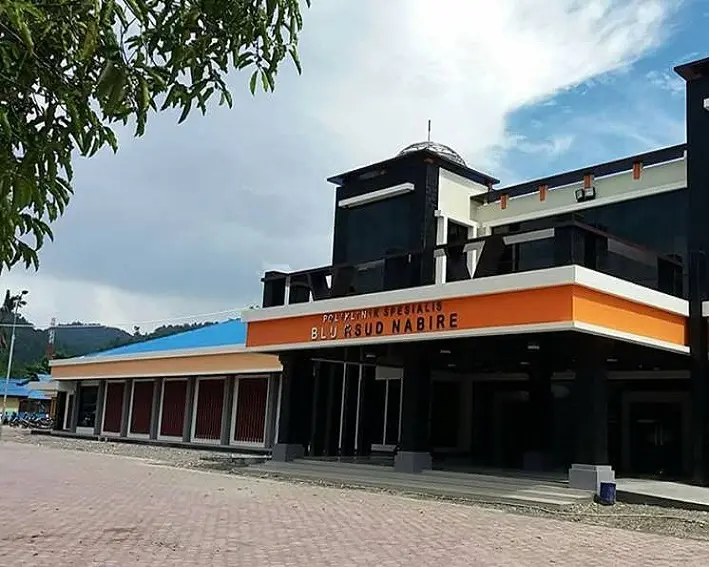
The city already hosts RSUD Nabire, RSUD Siriwini, and several private clinics. However, continued population growth creates additional opportunities for private-sector participation through:
- Specialist hospitals
- Diagnostic laboratories
- Dialysis centres
- Medical imaging facilities
- Maternity hospitals
- Elderly care services
- Pharmaceutical distribution
Major healthcare groups including Siloam Hospitals, Mitra Keluarga, Hermina Hospitals, and Mayapada Healthcare Group illustrate how Indonesia’s private healthcare sector has expanded beyond major metropolitan areas in response to growing regional demand.
Medical equipment suppliers such as GE HealthCare, Philips Healthcare, Siemens Healthineers, and Canon Medical Systems also represent potential partners as healthcare infrastructure develops.
Education Creates Long-Term Economic Value
Education investment follows a similar pattern.
Nabire already accommodates higher education institutions including STIE Port Numbay Nabire, STKIP Nabire, and vocational education providers that support workforce development throughout Central Papua.
Future investment opportunities include:
- International-standard schools
- Vocational training centres
- Language institutions
- Digital learning facilities
- Technical education partnerships
- Healthcare training academies
Global education providers increasingly collaborate with Indonesian institutions to strengthen workforce readiness, particularly in engineering, healthcare, logistics, hospitality, and digital technology.
As businesses establish larger operations in Central Papua, access to skilled local talent will become a major competitive advantage.
Why Nabire Investment Opportunities Deserve Global Attention
Few cities in Eastern Indonesia are experiencing structural transformation as rapidly as Nabire.
Its position as the capital of Central Papua has created an economic multiplier extending across government administration, trade, logistics, property, healthcare, education, and services. Infrastructure improvements at Douw Aturure Airport, expanding maritime connectivity, and stronger digital networks further reinforce the city’s role as the province’s commercial gateway.
Unlike resource-dependent markets that fluctuate with commodity prices, Nabire’s growth increasingly reflects broader urbanisation and institutional expansion. That combination provides investors with multiple entry points across sectors that complement one another and create lasting economic value.
For international investors, family offices, infrastructure funds, agribusiness companies, logistics operators, healthcare providers, hospitality groups, and property developers, Nabire investment opportunities represent participation in a market still in its early stages of development. Entering before the market reaches maturity allows investors to establish strategic positions while benefiting from long-term demographic growth and government-led regional development.
As Indonesia continues directing investment toward its eastern provinces, Nabire stands out as one of the strongest candidates to become the commercial and service centre of Central Papua. Investors who recognise this transition early will be well placed to participate in one of the country’s most promising regional growth stories.
GM