Sorong, The Logistics Gateway and Industrial Hub of Eastern Indonesia

Indonesia’s economic transformation is steadily shifting eastward. While Java and Sumatra continue to attract the majority of investment, Papua and Eastern Indonesia have emerged as the country’s next strategic growth frontier.
At the center of this transformation stands Sorong, the capital of Southwest Papua Province, a city whose strategic location has positioned it as the commercial, logistics, industrial, and tourism gateway connecting the Pacific, Maluku, and Papua regions.
The Sorong investment potential extends well beyond its geographic advantage. The city connects international shipping routes, supports one of Indonesia’s largest fisheries industries, hosts major oil and gas operations, serves as the principal gateway to the globally renowned Raja Ampat archipelago, and anchors one of Indonesia’s strategic Special Economic Zones (SEZ).
As Indonesia accelerates infrastructure development across eastern regions through the National Medium-Term Development Plan (RPJMN), Sorong is increasingly becoming a destination where logistics, manufacturing, tourism, and resource industries converge.
Sorong Investment Potential Begins with Strategic Geography
Geography remains one of Sorong’s strongest competitive advantages.
Located at the western entrance of Papua Island, Sorong functions as the primary maritime and aviation gateway into Papua and Eastern Indonesia. Nearly all commercial goods entering Southwest Papua, West Papua, and large parts of Papua Province transit through Sorong before reaching surrounding cities and remote islands.
Sorong connects directly with major Indonesian ports including Surabaya, Makassar, Bitung, Ambon, and Jakarta through regular shipping services operated by PT Pelni, PT ASDP Indonesia Ferry, and numerous private logistics operators.
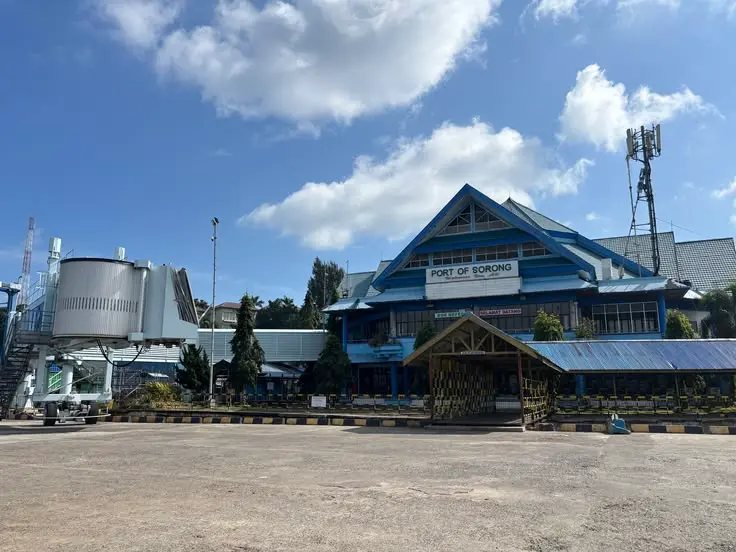
Meanwhile, Domine Eduard Osok Airport ranks among the busiest airports in eastern Indonesia, handling hundreds of thousands of passengers annually while serving airlines such as Garuda Indonesia, Batik Air, Lion Air, Sriwijaya Air, and Super Air Jet.
This connectivity substantially reduces distribution costs compared to direct shipments into smaller Papuan cities. For companies expanding into Eastern Indonesia, Sorong naturally becomes the first operational base.
Logistics Drives Sorong’s Regional Economy
Warehousing and Distribution Continue to Expand
The strongest element of the Sorong investment potential lies in logistics.
Indonesia’s eastern provinces continue to experience rising consumption driven by population growth, public infrastructure spending, mining projects, and expanding industrial activities. Every sector requires reliable logistics.
Key investment opportunities include:
- Modern logistics parks
- Regional distribution centers
- Temperature-controlled warehouses
- Freight forwarding
- Container depots
- Integrated supply chain management
- Last-mile delivery networks
Indonesia’s national logistics costs remain estimated at around 14–17% of GDP, significantly higher than many developed Asian economies. Improving logistics efficiency remains a national priority, creating substantial room for private investment.
Several logistics companies already maintain operations in Sorong, including:
- DHL Express
- J&T Express
- JNE
- TIKI
- Pos Indonesia
- Meratus Line
- Temas Shipping
- Samudera Indonesia
However, the growing economy continues to generate demand for larger integrated logistics facilities capable of supporting industrial tenants, exporters, fisheries businesses, and tourism operators.
Port Infrastructure Creates Long-Term Opportunities
Sorong Port serves as one of Eastern Indonesia’s most important commercial ports.
Operated by PT Pelabuhan Indonesia (Pelindo), the port handles container cargo, fuel, fisheries exports, construction materials, and inter-island shipping. Government modernization programs continue expanding port capacity, cargo handling efficiency, and supporting infrastructure.
Private investors may find opportunities in:
- Port services
- Cargo handling
- Container storage
- Bulk logistics
- Ship maintenance
- Marine logistics technology
As trade volumes continue growing throughout Papua, Sorong’s role within Indonesia’s National Logistics Ecosystem is expected to strengthen further.
Fisheries and Marine Processing Offer Export-Oriented Growth
Few regions in Indonesia possess marine resources comparable to Papua.
The Fisheries Management Area (WPP 715 and WPP 717) surrounding Papua contains abundant tuna, skipjack, mackerel, shrimp, squid, and reef fisheries. Sorong has become one of Indonesia’s major fisheries landing centers.
Companies already operating in the region include:
- PT Perikanan Indonesia
- Numerous local tuna processors
- Export-oriented seafood suppliers
- Marine cold chain operators
Despite strong production, much of the catch still leaves the region with limited downstream processing. This creates considerable investment opportunities in:
Fish Processing Facilities
Value-added processing significantly increases export value through:
- Frozen seafood
- Canned tuna
- Fish fillets
- Ready-to-cook seafood
- Fish meal
- Marine collagen
- Fish oil production
Cold Storage Infrastructure
Reliable cold storage remains one of the largest gaps in Eastern Indonesia’s fisheries sector.
Expanded cold chain capacity would reduce spoilage, improve export quality, stabilize prices, and strengthen supply reliability for international buyers.
Sustainable Aquaculture
Global seafood demand is rising and Sorong is positioned to turn Papua’s extraordinary marine resources into a sustainable blue-economy opportunity.
From grouper and shrimp farming to seaweed cultivation, marine hatcheries and next-generation aquaculture technology, the opportunity extends far beyond production. With the right investment, infrastructure and responsible management, Sorong can build a higher-value seafood ecosystem while protecting the marine environment.
Indonesia already ranks among the world’s major seafood exporters, with fisheries exports exceeding US$6 billion annually. For investors, Papua offers an opportunity to participate in the next chapter of Indonesia’s sustainable blue economy.
Raja Ampat Tourism Fuels a Growing Service Economy

Few tourism brands carry global recognition comparable to Raja Ampat. Frequently ranked among the world’s finest diving destinations, Raja Ampat attracts visitors from Europe, Australia, North America, and Asia seeking biodiversity, luxury eco-tourism, and marine conservation experiences.
Although Raja Ampat is a separate regency within Southwest Papua Province, its geography makes Sorong the indispensable gateway to the archipelago.
Located just across the Dampier Strait, Raja Ampat is primarily accessed via Sorong, where visitors arrive through Domine Eduard Osok Airport before continuing by ferry or charter vessel to Waisai and the surrounding islands.
As a result, virtually every international tourist entering Raja Ampat passes through Sorong, generating substantial demand for hotels, restaurants, tour operators, logistics providers, marine services, and other tourism-support industries.
This gateway function creates significant opportunities extending well beyond transportation, positioning Sorong as the commercial hub underpinning one of the world’s most celebrated marine tourism destinations.
Hospitality Continues to Expand
Existing hotel operators include:
- M Hotel Sorong
- Aston Sorong Hotel & Conference Center
- Swiss-Belhotel Sorong
- Vega Prime Hotel
- Rylich Panorama Hotel
- Favehotel Sorong
Growing visitor numbers continue increasing demand for:
- International hotels
- Boutique accommodation
- Serviced apartments
- Business hotels
- Waterfront resorts
M Hotel Sorong: Redefining the Three-Star Experience

Managed by East Season Indonesia, M Hotel Sorong brings a distinctive combination of refined design, comfort and professional hospitality to Sorong.
Thoughtfully created to feel warm, contemporary and elevated, the hotel goes beyond conventional three-star expectations, offering guests a polished environment with the character and attention to detail more often associated with higher-end properties.
Its cozy yet sophisticated design creates a welcoming experience for business travellers, leisure guests and visitors exploring Southwest Papua. With East Season’s local hospitality expertise behind the brand, M Hotel Sorong demonstrates how thoughtful design, quality management and a strong sense of place can redefine what a three-star hotel can be in Indonesia’s emerging destinations.
Tourism Support Services
Investment opportunities include:
- Dive operators
- Yacht services
- Marina development
- Tour management
- Digital travel platforms
- Premium restaurants
- Convention facilities
- Medical tourism support
- Tourism training centers
As Indonesia continues promoting Raja Ampat internationally, Sorong’s hospitality ecosystem is expected to benefit from increasing visitor arrivals.
Sorong Special Economic Zone Accelerates Industrial Development
Indonesia established the Sorong Special Economic Zone (SEZ) to accelerate industrialization across Eastern Indonesia.
The SEZ spans more than 500 hectares and focuses on:
- Logistics
- Fisheries
- Agro-industry
- Shipbuilding
- Wood processing
- Manufacturing
- Natural resource processing
The zone offers investors various incentives, subject to prevailing regulations, including:
- Tax allowances
- Customs facilities
- Simplified licensing
- Investment facilitation
- Improved infrastructure support
These incentives complement Sorong’s strategic location by reducing administrative barriers while improving competitiveness. Industrial tenants can leverage proximity to ports, airports, fisheries resources, and regional consumer markets.
Energy and Oil & Gas Continue Supporting the Regional Economy
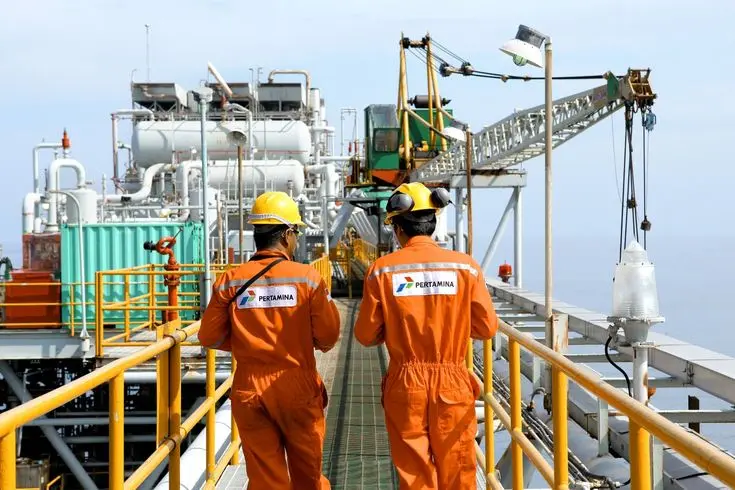
Energy remains one of Sorong’s defining industries. The city has long supported Indonesia’s upstream oil and gas sector.
Major companies operating in and around Sorong include:
- BP Indonesia through the Tangguh LNG project in nearby Bintuni Bay
- Pertamina
- PetroChina
- SKK Migas contractors
- Various engineering and industrial service providers
The Tangguh LNG project ranks among Indonesia’s largest natural gas developments. Following the completion of Train 3, production capacity exceeds 11 million tonnes of LNG annually, reinforcing Papua’s importance within regional energy markets.
Although major extraction occurs outside Sorong itself, the city functions as the operational and logistics base supporting many energy activities.
Investment opportunities include:
- Engineering services
- Equipment maintenance
- Industrial logistics
- Fabrication
- Industrial accommodation
- Workforce housing
- Renewable energy
- Water treatment
- Industrial utilities
Growing industrial activity continues expanding demand for supporting infrastructure.
Property Development Benefits from Provincial Capital Status
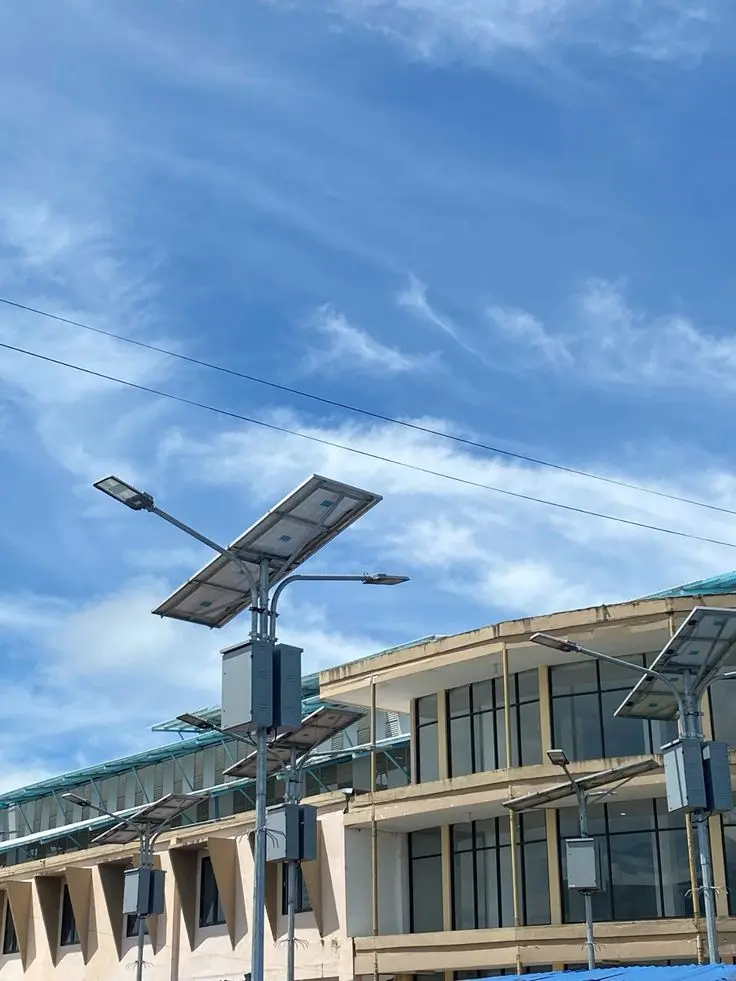
Since becoming the capital of Southwest Papua Province in 2022, Sorong has experienced rising demand for commercial and residential real estate.
Provincial government offices, private businesses, educational institutions, healthcare facilities, and service providers continue expanding operations. Consequently, demand has increased across multiple property segments.
Residential Housing
Population growth supports demand for:
- Middle-income housing
- Premium residential estates
- Affordable housing
- Staff accommodation
Commercial Property
Business expansion creates opportunities for:
- Modern office buildings
- Retail centers
- Mixed-use developments
- Shophouses
- Warehouses
- Business parks
Hospitality Real Estate
Growing tourism strengthens investment prospects for:
- Hotels
- Serviced apartments
- Long-stay accommodation
- Waterfront commercial developments
Improved urban planning and infrastructure investments further enhance long-term property values.
Infrastructure Development Strengthens Investment Confidence
Indonesia continues allocating substantial resources toward Papua’s infrastructure development.
Recent investments include:
- Road network expansion
- Airport upgrades
- Port modernization
- Electricity distribution
- Telecommunications
- Clean water systems
Digital connectivity has also improved considerably, enabling greater participation in digital commerce and business services. Infrastructure improvements reduce operational costs while improving investor confidence across multiple industries.
Why Sorong Stands Out Among Eastern Indonesian Cities
Several eastern Indonesian cities continue attracting investment. However, Sorong offers a distinctive combination of advantages rarely found within a single regional economy.
These include:
- Gateway to Papua
- International tourism access
- Established oil and gas ecosystem
- Strategic fisheries industry
- National logistics role
- Special Economic Zone incentives
- Expanding government administration
- Improving infrastructure
- Strong regional connectivity
Few cities simultaneously combine industrial production, logistics, natural resources, tourism, and administrative importance. That diversification reduces dependence on a single sector while strengthening long-term economic resilience.
Investor Takeaway: A Regional Growth Platform with National Importance
The Sorong investment potential reflects far more than a promising regional market. It represents one of Indonesia’s most strategic economic platforms for businesses seeking access to Papua and Eastern Indonesia.
Logistics companies can establish regional distribution hubs serving millions of consumers across eastern provinces. Fisheries investors can capitalize on one of Southeast Asia’s richest marine ecosystems. Tourism developers can benefit from Raja Ampat’s global reputation.
Industrial manufacturers can leverage the Special Economic Zone and expanding infrastructure. Property developers can participate in the rapid urban growth driven by Southwest Papua’s emergence as a new provincial capital.
Indonesia’s long-term development strategy increasingly emphasizes balanced regional growth. As investment, infrastructure, and population continue shifting eastward, Sorong occupies a position few cities can replicate.
For international investors searching for opportunities beyond Indonesia’s mature markets, Sorong presents a compelling combination of strategic geography, abundant natural resources, government support, and expanding commercial demand. Those advantages position the city to become one of Eastern Indonesia’s leading industrial and logistics centers over the coming decades.
GM
More articles in the series:
Raja Ampat, Building Wealth Through Premium Tourism and the Blue Economy
Manokwari, The Administrative Capital Driving West Papua’s Growth
Jayapura, The Commercial Heart of Papua’s Consumer Economy
Timika, Capitalizing on Papua’s Industrial and Mining Ecosystem
Merauke Investment Opportunities: South Papua’s Emerging Growth Engine for Long-Term Investors
Nabire, The Rising Economic Center of Central Papua
Biak, Papua’s Emerging Maritime and Pacific Trade Gateway
Bintuni, Unlocking Opportunities Around One of Indonesia’s Largest Energy Clusters