Manokwari, The Administrative Capital Driving West Papua’s Growth
Strategic Context
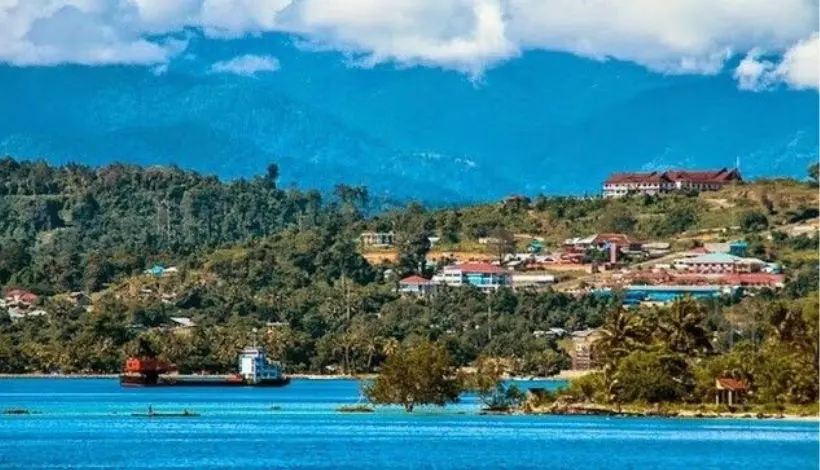
For decades, international investors have associated Indonesia’s eastern frontier primarily with abundant natural resources. Yet the next chapter of growth in Papua is increasingly being shaped by cities that combine governance, connectivity, and expanding commercial activity. Among them, Manokwari occupies a distinctive position.
As the capital of West Papua Province, Manokwari functions as the administrative center where public policy, regional planning, business services, and infrastructure investment converge. Its strategic location on the northern coast of the Bird’s Head Peninsula enables the city to connect government institutions, ports, airports, surrounding regencies, and the province’s rapidly developing economic corridors.
Indonesia’s long-term commitment to accelerating development in Eastern Indonesia has significantly strengthened Manokwari’s economic profile. Continuous investments in transportation infrastructure, electricity, telecommunications, healthcare, education, and public facilities have improved the city’s attractiveness for private investors seeking sustainable opportunities beyond Java and Bali.
According to Statistics Indonesia (BPS), West Papua’s economy continues to be supported by government expenditure, fisheries, trade, construction, transportation, and agriculture. Meanwhile, the province’s population exceeds 600,000 residents, with Manokwari Regency serving as one of its largest urban concentrations. Combined with rising household income and improving regional connectivity, these trends continue to expand demand for modern commercial services.
For investors seeking exposure to one of Indonesia’s emerging regional capitals, Manokwari investment opportunities extend well beyond government administration. The city increasingly presents opportunities across hospitality, logistics, fisheries, agro-industry, renewable infrastructure, and nature-based tourism, supported by one of the country’s richest biodiversity regions.
Why Manokwari Holds Strategic Importance
Unlike many regional capitals that rely on a single dominant industry, Manokwari benefits from a diversified economic role.
The city accommodates the Provincial Government of West Papua, regional legislative institutions, universities, hospitals, financial institutions, and numerous national government agencies. This concentration generates continuous demand for accommodation, transportation, retail, professional services, warehousing, and supporting infrastructure.
At the same time, Manokwari serves as the primary gateway to several important destinations throughout the Bird’s Head region. Cargo and passenger movements continue to increase through Rendani Airport and Manokwari Port, supporting both domestic commerce and government operations.
Its geographical position also places the city within reach of world-renowned destinations such as Raja Ampat, Teluk Cenderawasih, Pegunungan Arfak, and numerous conservation areas, giving investors access to tourism markets while serving local residents.
Infrastructure Continues to Strengthen Investor Confidence
Infrastructure development has become one of Indonesia’s primary tools for reducing regional inequality, and Papua has received significant attention over the past decade.
Major investments have improved roads, bridges, airports, ports, digital connectivity, healthcare facilities, and electricity distribution throughout West Papua.
Several strategic assets strengthen Manokwari’s investment climate:
Rendani Airport Expands Regional Connectivity
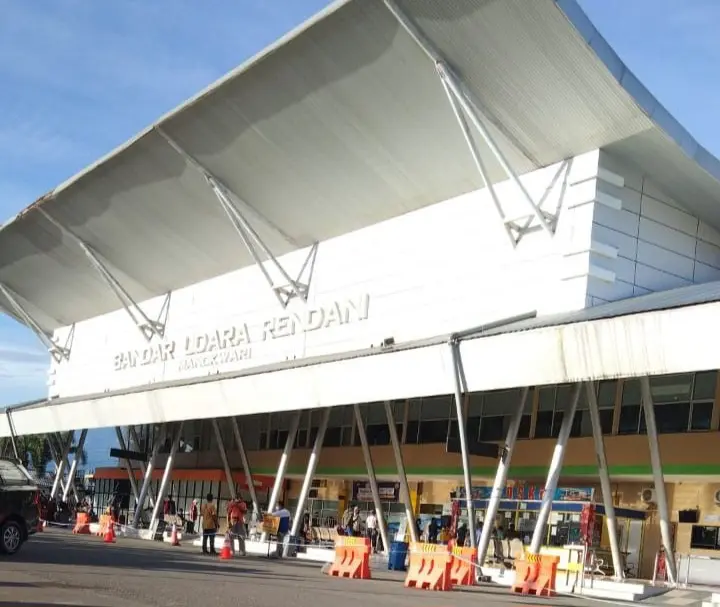
Rendani Airport continues to serve as West Papua’s principal domestic aviation gateway, connecting Manokwari with Jakarta, Makassar, Sorong, Jayapura, Ambon, and several other Indonesian cities through airlines including Garuda Indonesia, Lion Air Group, Batik Air, and Sriwijaya Air.
The airport supports government mobility, business travel, tourism, and high-value cargo movement. Growing passenger traffic directly contributes to demand for hotels, restaurants, transportation providers, and commercial property.
Port Facilities Support Trade Growth
Manokwari Port remains one of West Papua’s most important logistics gateways.
Operated by Pelindo, the port handles container cargo, construction materials, food products, fuel distribution, and consumer goods arriving from Surabaya, Makassar, Bitung, and other major Indonesian ports.
Because much of Papua’s manufactured goods continue to originate outside the island, efficient logistics remain critical for maintaining regional supply chains. This dependence creates long-term opportunities for investors in distribution centers, bonded warehouses, cold storage, freight forwarding, and integrated logistics services.
Reliable Utilities Support Economic Expansion
The continued expansion of electricity supply by PLN has improved reliability across urban Manokwari, while digital infrastructure investments by Indonesia’s major telecommunications providers have enhanced internet connectivity for businesses and government institutions.
As industrial activities expand, demand for clean water systems, waste management, renewable energy solutions, and supporting urban infrastructure is expected to grow further.
Trade and Logistics Present One of the Strongest Investment Opportunities
Among all Manokwari investment opportunities, logistics offers perhaps the most immediate commercial potential.
Unlike manufacturing centers in western Indonesia, many consumer products sold throughout West Papua still arrive via inter-island shipping. Food products, construction materials, machinery, pharmaceuticals, household goods, automotive parts, and retail merchandise typically pass through Manokwari before distribution to surrounding regions.
This supply chain structure creates multiple investment possibilities and opportunities.
Modern Warehousing
Demand continues to increase for professionally managed warehouses equipped with inventory management systems and temperature-controlled storage.
Many local distributors still rely on conventional storage facilities, creating room for modern logistics operators capable of improving efficiency and reducing distribution costs.
Integrated Distribution Networks
As household consumption expands alongside government expenditure, distributors increasingly require integrated transportation networks linking ports, warehouses, retail centers, and surrounding regencies.
Companies with expertise in supply chain management, fleet operations, and digital logistics platforms could find substantial opportunities in West Papua’s evolving commercial landscape.
Cold Chain Infrastructure
Cold storage remains one of the region’s largest infrastructure gaps.
Fishery exports, agricultural products, pharmaceuticals, and frozen food distribution all depend upon reliable refrigeration systems. Additional cold chain capacity would significantly reduce post-harvest losses while improving export competitiveness.
Hospitality Benefits from Rising Business Mobility
Government administration continues to generate consistent travel throughout Manokwari.
Civil servants, contractors, consultants, researchers, academics, corporate executives, development agencies, and domestic tourists regularly visit the provincial capital, creating year-round demand for accommodation.
International hotel operators have already recognized this opportunity.
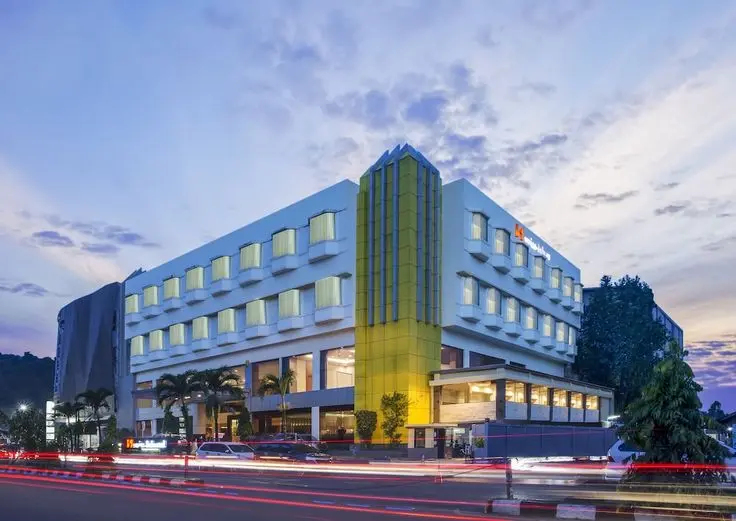
Swiss-Belhotel Manokwari has established itself as one of the city’s leading business hotels, serving government delegations, conferences, and corporate travelers. Aston Niu Manokwari has similarly strengthened the premium hospitality segment by offering modern accommodation tailored to business and leisure markets.
Beyond these established properties, demand continues to expand for serviced apartments, mid-scale hotels, boutique accommodations, meeting venues, co-working spaces, and mixed-use commercial developments.
As domestic tourism across Papua continues to recover and government activities increase, professionally managed hospitality assets are likely to experience sustained demand.
Fisheries Offer Significant Value-Added Potential
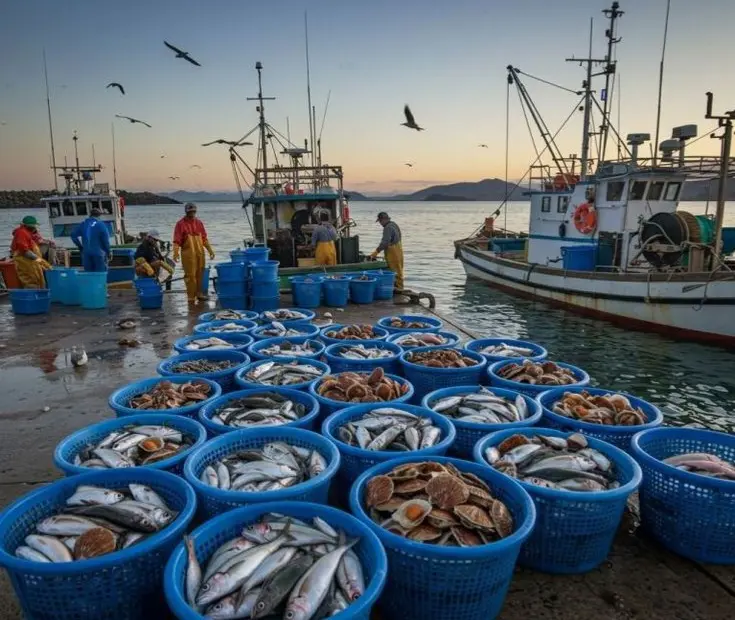
West Papua possesses one of Indonesia’s richest marine ecosystems.
The surrounding waters support tuna, skipjack, mackerel, reef fish, shrimp, and numerous high-value seafood species. Sustainable fisheries have therefore become an increasingly important pillar of regional economic planning.
For investors, the greatest opportunity lies beyond harvesting.
Instead, higher returns can be generated through value-added processing that increases export quality while supporting local employment.
Fish Processing
Modern processing facilities capable of producing frozen fillets, canned seafood, smoked fish, and premium export products remain relatively limited.
Investment in international food safety standards, quality certification, and traceability systems could significantly improve market access to Asia-Pacific buyers.
Export-Oriented Cold Storage
Integrated cold storage facilities located near ports would strengthen West Papua’s seafood supply chain while reducing spoilage.
Combined with efficient logistics, these facilities could help local fisheries capture greater value before products reach domestic or international markets.
Agriculture and Agro-Industry Can Unlock Higher Value Creation
While fisheries often dominate discussions about West Papua’s natural resources, agriculture remains an equally important contributor to regional livelihoods. The fertile landscapes surrounding Manokwari support a diverse range of commodities, including cocoa, coconut, nutmeg, coffee, sago, bananas, vegetables, and various horticultural crops.
Indonesia has steadily encouraged downstream processing across agricultural sectors, aiming to retain more economic value within producing regions. For West Papua, this strategy presents substantial opportunities for investors interested in agro-processing rather than primary commodity trading alone.
Cocoa and Nutmeg Processing
Indonesia ranks among the world’s leading cocoa-producing countries, while Papua’s favorable climate offers considerable potential for specialty cocoa cultivation. Likewise, nutmeg one of Indonesia’s historic spice commodities continues to enjoy healthy international demand from the food, cosmetics, and pharmaceutical industries.
Rather than exporting raw products, Manokwari has an opportunity to attract investment in fermentation facilities, processing plants, packaging centers, and premium branding. Such investments would increase farmers’ incomes while creating higher-value export products.
Coconut and Virgin Coconut Oil
Coconut cultivation remains widespread throughout West Papua. Global demand for virgin coconut oil, coconut sugar, coconut water, activated carbon, and coconut-based cosmetics continues to expand, particularly in health-conscious consumer markets.
Small and medium-sized processing facilities could serve both domestic and export markets, supported by Indonesia’s improving logistics infrastructure.
Sustainable Food Processing
Growing urban populations have also increased demand for packaged food products, ready-to-cook ingredients, and processed agricultural goods.
Investment opportunities include:
- Food processing facilities
- Agricultural packaging centers
- Modern wholesale markets
- Seed production
- Agricultural logistics
- Digital marketplaces connecting farmers with buyers
These industries support greater food security while strengthening regional supply chains.
Energy and Urban Infrastructure Will Shape the Next Stage of Growth
Economic expansion inevitably increases demand for reliable infrastructure. As Manokwari continues to develop as West Papua’s administrative and commercial center, utilities will play an increasingly significant role.
Indonesia’s state-owned electricity company, PLN, has continued expanding electrification across Papua through grid improvements and new generation capacity. Meanwhile, growing residential developments, commercial districts, and industrial facilities require additional investments in supporting infrastructure.
Private sector participation could contribute across several areas:
Renewable Energy
Papua possesses considerable renewable energy resources, including solar, hydro, and biomass potential. Hybrid energy systems could help serve remote communities while reducing dependence on diesel-powered generation.
Clean Water and Waste Management
Urban population growth increases demand for reliable water treatment, wastewater systems, and modern waste management infrastructure. Investors specializing in environmental services may find attractive long-term opportunities through public-private partnerships.
Industrial Utilities
Future industrial estates will require integrated utilities, including electricity distribution, telecommunications, water supply, and environmental management systems. Early investment in these supporting services can generate stable, long-term returns.
Gateway to World-Class Natural Attractions
Although Raja Ampat attracts international attention, many travelers enter the wider region through Manokwari.
The city serves as an important access point to several remarkable destinations, including:
- The Arfak Mountains, renowned for endemic bird species such as the Vogelkop Superb Bird-of-Paradise.
- The Pegunungan Arfak Nature Reserve, one of Indonesia’s richest biodiversity hotspots.
- Doreri Bay, known for diving, historical World War II shipwrecks, and marine life.
- Cultural tourism experiences showcasing the traditions of the Arfak people.
- Coastal landscapes and nearby islands suitable for eco-resorts and marine recreation.
These attractions support growing demand for sustainable tourism infrastructure rather than large-scale resort development.
Eco-Lodges and Experience-Based Tourism
Modern travelers increasingly prioritize authentic experiences over conventional sightseeing.
This shift creates opportunities for investors in:
- Eco-lodges
- Boutique resorts
- Adventure tourism operators
- Diving facilities
- Birdwatching tours
- Cultural tourism enterprises
- Sustainable transportation services
Projects that involve local communities can strengthen environmental conservation while generating inclusive economic benefits.
Established Businesses Demonstrate Market Confidence
Manokwari’s investment landscape is supported by the presence of national corporations, financial institutions, and hospitality operators that already recognize the city’s strategic role.
Among the notable organizations operating in the city are:
- Bank Papua, which plays a central role in regional banking and SME financing.
- Bank Mandiri, BRI, and BNI, providing corporate and retail financial services.
- Pertamina, supporting fuel distribution throughout West Papua.
- PLN, supplying electricity to households and businesses.
- Pelindo, operating the city’s principal seaport and facilitating inter-island logistics.
- Swiss-Belhotel Manokwari and Aston Niu Manokwari, serving the growing hospitality market.
- Major retail chains such as Indomaret and Alfamart, reflecting rising consumer demand and urban purchasing power.
Their continued presence demonstrates confidence in Manokwari’s long-term economic prospects while encouraging supporting investments across construction, logistics, retail, professional services, and real estate.
Government Policies Continue to Improve the Investment Climate
Indonesia has introduced a series of reforms aimed at attracting domestic and foreign investment, including the Omnibus Law on Job Creation, streamlined licensing through the Online Single Submission (OSS) system, and fiscal incentives for priority sectors.
For investors considering West Papua, these reforms reduce administrative complexity while improving legal certainty.
Projects aligned with environmental stewardship and community participation are increasingly well positioned to receive institutional support.
Why Long-Term Investors Should Watch Manokwari
Successful frontier-market investing rarely depends on entering fully mature markets. Instead, it often rewards investors who identify structural transformation before it becomes widely recognized.
Manokwari exhibits several characteristics associated with long-term regional growth:
- Stable demand generated by government administration.
- Expanding transportation infrastructure.
- Strong fisheries and agricultural resources.
- Increasing urbanization.
- Growing domestic tourism.
- Rising demand for logistics and modern commercial services.
- Strategic access to West Papua’s wider economy.
Rather than competing directly with Indonesia’s largest metropolitan areas, Manokwari offers exposure to sectors where market penetration remains relatively low and future demand continues to strengthen.
GM