Indonesian Business Growth: Conglomerates, Startups, and Global Expansion
Indonesian Business Growth: A Diverse Landscape
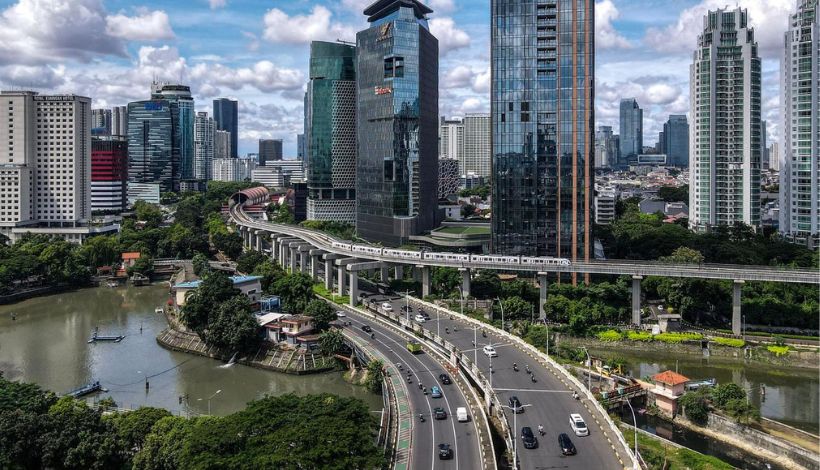
The story of Indonesian business growth is not defined by a single model or sector. It is a layered narrative one where legacy conglomerates coexist with fast-scaling startups, and where traditional industries increasingly intersect with digital innovation.
As Southeast Asia’s largest economy, Indonesia offers a unique business environment shaped by scale, diversity, and evolving consumer demand. With a GDP exceeding $1.4 trillion and a population of more than 270 million, the country presents both a vast domestic market and a growing platform for regional expansion.
What distinguishes Indonesia is not just its size, but the breadth of its entrepreneurial ecosystem from decades-old family-controlled conglomerates to venture-backed technology firms redefining entire industries.
The Enduring Power of Conglomerates
At the core of Indonesian business growth lies the enduring influence of large conglomerates. These business groups, many established in the mid-20th century, continue to dominate key sectors such as banking, retail, manufacturing, and natural resources.
Companies like Astra International and Salim Group exemplify this model, leveraging diversified portfolios, deep local knowledge, and extensive networks to maintain their competitive edge.
Within this landscape, the Ciputra Group stands out for its distinctive contribution not only as a business enterprise, but as a nation-building force through urban development.
Founded by Ciputra, the group pioneered the concept of integrated township development in Indonesia. Rather than focusing on standalone projects, it developed large-scale urban ecosystems that combine residential, commercial, retail, and social infrastructure into cohesive communities.
Flagship developments such as CitraRaya Tangerang and CitraGarden City illustrate this approach. These projects have evolved into self-sustaining urban centers, contributing to regional economic growth while redefining how Indonesian cities expand.
Ciputra Group’s model reflects a broader characteristic of Indonesian conglomerates: the ability to think long term, operate at scale, and shape entire sectors rather than merely participate in them.
Digital Transformation Within Traditional Enterprises

One of the most significant developments in recent years has been the digital evolution of traditional businesses. Rather than being displaced by new entrants, many established companies are adapting and integrating technology into their operations.
Property developers, including Ciputra Group, are increasingly adopting:
- Digital marketing platforms
- Property technology (proptech) solutions
- Smart city concepts within township developments
Across sectors, similar transformations are underway. Retailers are expanding into e-commerce, financial institutions are launching digital banking services, and manufacturers are integrating automation and analytics.
The Rise of Startups: Innovation at Scale

Parallel to the dominance of conglomerates is the rapid rise of Indonesia’s startup ecosystem. Over the past decade, the country has produced some of Southeast Asia’s most prominent technology companies, attracting billions of dollars in venture capital.
Platforms such as GoTo demonstrate the scalability of Indonesia’s digital economy, integrating services across ride-hailing, e-commerce, and financial technology.
Indonesia is now home to multiple unicorns across sectors including:
- E-commerce
- Fintech
- Logistics
- Edtech
The drivers behind this growth include a young population, widespread smartphone adoption, and a rapidly expanding internet user base of over 200 million people.
Jakarta has emerged as a regional startup hub, attracting both local and international investors and reinforcing Indonesia’s position as a digital powerhouse.
Entrepreneurship and the New Generation of Business Leaders

Beyond large corporations and high-growth startups, Indonesian business growth is deeply rooted in entrepreneurship at all levels. Small and medium-sized enterprises (SMEs) account for more than 60% of GDP and employ over 90% of the workforce.
Digital platforms are enabling these businesses to scale more efficiently, providing access to broader markets, digital payments, and logistics networks.
This shift is fostering a new generation of entrepreneurs one that combines local insight with global ambition.
Expanding Beyond Borders: Regional and Global Ambitions

As domestic markets mature, Indonesian companies are increasingly looking outward. Expansion across Southeast Asia has become a natural progression, driven by geographic proximity and shared market characteristics.
At the same time, companies like Ciputra Group are extending their presence into international markets, including Vietnam and Cambodia. This outward movement reflects growing confidence in Indonesian business models and their applicability beyond domestic borders.
Indonesian firms are no longer just participating in global markets they are beginning to shape them.
Investment and Capital: Fueling Business Growth
Sustained Indonesian business growth is supported by increasing access to capital. The country attracts more than $45 billion in annual investment, spanning sectors such as manufacturing, technology, and infrastructure.
Institutions like the Indonesia Investment Authority play a key role in mobilizing long-term capital and partnering with global investors.
Key Challenges: Navigating a Competitive Landscape
Despite its momentum, Indonesian business growth faces several structural challenges:
- Uneven access to capital for SMEs
- Talent shortages in high-skill sectors
- Infrastructure gaps in certain regions
- Increasing global competition
Addressing these challenges will be essential to sustaining long-term growth.
Digital Economy as a Growth Catalyst
The digital economy is a central driver of Indonesian business growth, valued at over $80 billion and projected to exceed $130 billion in the coming years.
Digital transformation is reshaping industries across the board, from retail and finance to logistics and real estate. For businesses, the ability to integrate digital strategies is becoming a key determinant of competitiveness.
Global Positioning: Indonesia as a Business Hub
Indonesia’s growing economic influence is enhancing its attractiveness as a regional business hub. Its large domestic market, strategic location, and improving regulatory environment continue to attract global investment.
Future Outlook: Accelerating Growth in a Transforming Economy
Looking ahead, Indonesian business growth is expected to accelerate, driven by:
- Continued digital transformation
- Expansion into global markets
- Growth of sustainable industries
- Rising consumer demand
The next phase will likely be defined by deeper integration between traditional enterprises and new economy players.
A Dynamic Ecosystem Shaping the Future
The trajectory of Indonesian business growth reflects a dynamic and evolving ecosystem one where legacy conglomerates, innovative startups, and emerging entrepreneurs all play critical roles.
Within this landscape, companies like Ciputra Group illustrate how vision, scale, and long-term thinking can shape not only industries, but entire urban environments.
Indonesia today is more than a growing market. It is a complex, competitive, and increasingly global business ecosystem one that rewards those who understand its depth and embrace its transformation.