FIABCI Connects Investors and Cities at MIPIM 2026
Introduction
Each year, the international real estate industry gathers in Cannes for MIPIM 2026, one of the world’s most influential marketplaces for property investment. In 2026, the event again drew developers, institutional investors, policymakers, and city leaders seeking capital partnerships and strategic cooperation.
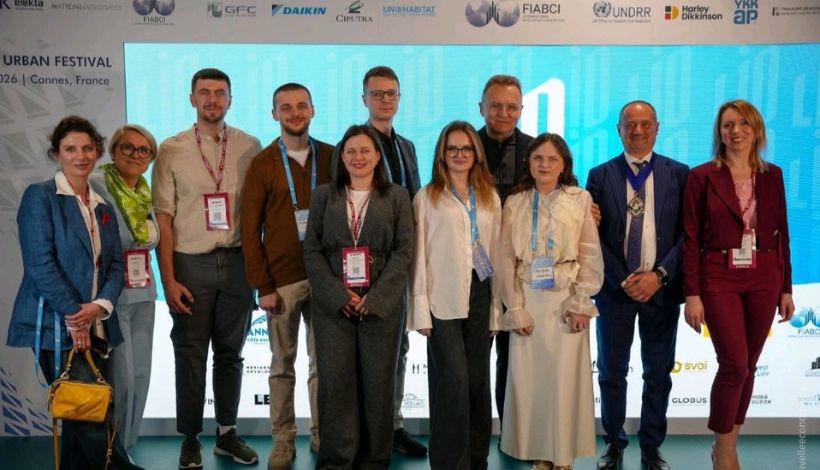
Meanwhile, one of the most active meeting spaces was the pavilion hosted by FIABCI, the International Real Estate Federation. There, the global platform RE KEY: Cannes 2026 brought together industry leaders from across continents. Through curated meetings, policy discussions, and project presentations, MIPIM 2026 FIABCI activities positioned the pavilion as a gateway connecting international capital with emerging urban development opportunities.
At the same time, global cities face rising housing demand, infrastructure transitions, and climate pressures. As a result, platforms that align investment with public policy carry growing strategic importance. In this context, MIPIM 2026 FIABCI demonstrated how international networks can strengthen cooperation between capital markets and city development agendas.
Global Capital Meets Urban Opportunity at MIPIM 2026 FIABCI
Situated on the third floor of the Palais des Festivals in Cannes, near the event’s VIP lounge, the FIABCI Pavilion became a strategic meeting hub throughout the week of MIPIM 2026 FIABCI programming.
The RE KEY platform structured the interactions taking place inside the pavilion. Designed to facilitate cross-border dialogue, the platform connected investors with cities and development projects seeking international capital.
Participants included developers, urban planners, architects, institutional investors, and public officials representing municipalities and regional governments. Through curated meetings and panel sessions, MIPIM 2026 FIABCI fostered conversations that ranged from project financing to urban regeneration strategies.
The setting illustrated a broader shift in global real estate markets. Cities increasingly compete to attract international investment, while investors look for long-term urban opportunities backed by stable policy frameworks and infrastructure plans.
Policy Dialogue at the Heart of MIPIM 2026 FIABCI
Housing Policy and Investment Frameworks
Housing affordability and supply challenges have become a defining policy issue across many developed economies. At MIPIM 2026 FIABCI, these concerns featured prominently in several panel discussions that explored how public policy and private investment can align to expand housing supply.
One of the central discussions addressed European housing strategies and the financial frameworks supporting them. The panel included Irene Tinagli, who chairs the European Parliament’s Special Committee on the Housing Crisis in the European Union.
The conversation highlighted the growing recognition that housing shortages carry economic consequences that extend beyond urban planning. Limited supply influences labor mobility, productivity, and long-term competitiveness within regional economies.
During the discussions, industry representatives and policymakers examined investment models that allow cities to accelerate housing development while maintaining financial sustainability.
Connecting Policy Vision with Global Capital
FIABCI’s Role in the International Real Estate Network
For Antonio Campagnoli, the value of gatherings such as MIPIM 2026 FIABCI lies in bridging the gap between policy ambition and investable projects.
“Today housing is not only a social priority but also a strategic economic challenge,” Campagnoli said during the event. “Platforms like MIPIM and FIABCI connect cities, investors and expertise from around the world in order to transform policy visions into investable solutions.”
By facilitating dialogue among governments, developers, and capital providers, MIPIM 2026 FIABCI reflected a broader shift toward integrated urban investment strategies.
International investors increasingly evaluate cities through multiple lenses, including regulatory stability, infrastructure planning, demographic growth, and sustainability commitments. Events such as MIPIM allow these considerations to converge within a single marketplace.
International Cooperation and Urban Reconstruction
Lviv Expands Global Partnerships
The global character of MIPIM 2026 FIABCI also extended to international cooperation initiatives.
During the event, the city of Lviv signed a Memorandum of Cooperation with FIABCI-Ukraine, becoming a public partner of the organization.
The agreement aims to strengthen international collaboration and attract investment to Ukrainian cities, particularly in the context of future reconstruction and long-term urban development planning.
Through partnerships within the FIABCI network, cities such as Lviv gain greater visibility among international investors, developers, and infrastructure partners.
This type of cooperation illustrates how MIPIM 2026 FIABCI functions as more than an industry gathering. It operates as a meeting point where cities integrate into global real estate networks capable of mobilizing capital and expertise.
MIPIM’s Enduring Role in Global Real Estate Investment
For more than three decades, MIPIM has served as a central marketplace for property investment discussions. The event brings together thousands of industry leaders each year to exchange ideas, negotiate partnerships, and present large-scale development projects.
Within this ecosystem, MIPIM 2026 FIABCI demonstrated how professional networks continue to influence the flow of global real estate capital.
As cities navigate economic transformation, climate resilience, and housing demand, collaboration between public institutions and international investors becomes increasingly critical.
Conclusion
The discussions and agreements that emerged from MIPIM 2026 FIABCI underline the evolving relationship between cities and global investment networks.
Urban development increasingly depends on partnerships that align policy objectives with private capital and international expertise. By facilitating dialogue among governments, investors, and industry professionals, FIABCI’s initiatives at MIPIM continue to expand opportunities for cross-border cooperation.
As cities seek solutions to housing demand, infrastructure modernization, and sustainable growth, global platforms that connect capital with urban development will remain central to shaping the future of real estate investment.