

Bintuni, Unlocking Opportunities Around One of Indonesia’s Largest Energy Clusters
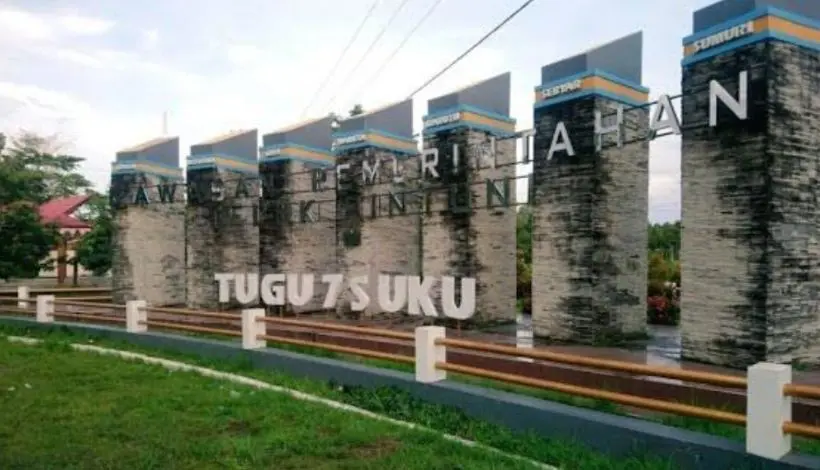
For many international investors, West Papua is often associated with abundant natural resources and untapped biodiversity. Yet within the province lies an industrial ecosystem that has quietly become one of Southeast Asia’s most significant energy centres. Bintuni, the capital of Teluk Bintuni Regency, is home to one of Indonesia’s largest liquefied natural gas (LNG) developments and is increasingly attracting investment far beyond the upstream energy sector.
The presence of the Tangguh LNG project has fundamentally reshaped Bintuni’s economic landscape. Around this large-scale energy complex, demand has expanded for logistics, engineering services, housing, hospitality, food supply, transportation, fisheries, and commercial infrastructure. Rather than functioning as a single-project economy, Bintuni is evolving into an integrated industrial ecosystem supported by both public and private investment.
According to Badan Pusat Statistik (BPS) Teluk Bintuni Regency, the regency’s economy continues to be dominated by mining and quarrying activities, with natural gas remaining the principal contributor to regional gross domestic product. At the same time, population growth, supporting industries, and improved infrastructure are creating opportunities for businesses serving both industrial operators and local communities.
For investors seeking exposure to Indonesia’s long-term energy transition and industrial expansion, Bintuni investment opportunities extend well beyond LNG production. The region offers multiple entry points into sectors that support one of the country’s most strategically important energy clusters.
Why Bintuni Investment Opportunities Continue to Expand
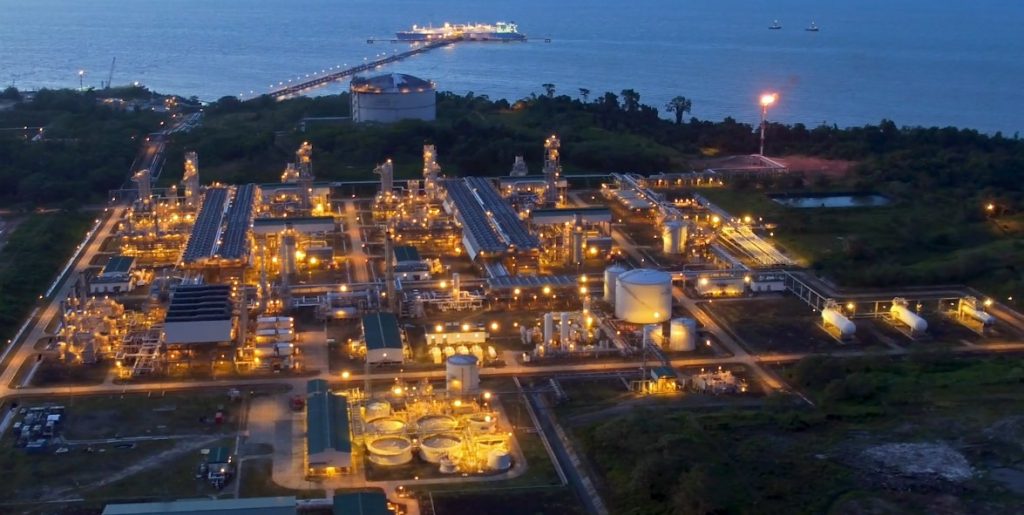
Few locations in Indonesia combine world-class natural gas reserves with long-term government support as effectively as Bintuni.
The region hosts Tangguh LNG, operated by BP Berau Ltd. on behalf of the Tangguh Production Sharing Contract partners. Following the successful commissioning of Train 3, the facility now has a production capacity of approximately 11.4 million tonnes of LNG per year, making it one of Indonesia’s largest LNG export complexes.
The Tangguh partnership includes several globally recognised energy companies, including:
- bp
- Mitsubishi Corporation
- CNOOC
- Nippon Oil Exploration
- KG Berau Petroleum
- Indonesia Natural Gas Resources
- Talisman Wiriagar Overseas
The project’s significance continues to grow.
In 2024, bp and its partners approved the development of the Ubadari gas field, the Vorwata Carbon Capture, Utilization and Storage (CCUS) project, and enhanced gas recovery initiatives. Valued at approximately US$7 billion, the expansion is expected to make Tangguh the site of Indonesia’s first large-scale CCUS project, reinforcing Bintuni’s strategic role in the country’s lower-carbon energy future.
Beyond Tangguh, another major development is progressing nearby.
Genting Oil Kasuri Pte Ltd is advancing the Asap Kido Merah (AKM) gas project, which includes plans for one of the world’s largest floating LNG (FLNG) facilities. Once operational, the project will further increase industrial activity across Teluk Bintuni and broaden demand for supporting services.
These investments place Bintuni among Indonesia’s most important long-term energy growth corridors.
Oil and Gas Support Services Create Extensive Business Opportunities
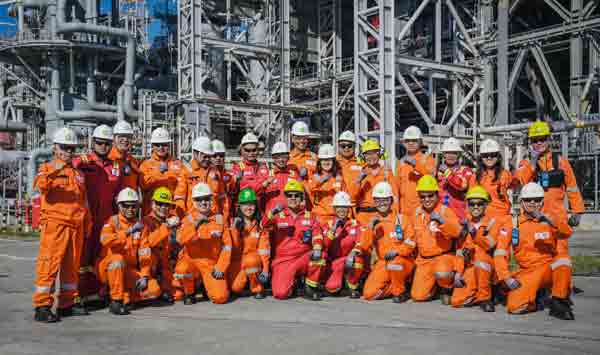
Large-scale energy projects depend on far more than drilling and processing facilities.
Every LNG operation requires a sophisticated network of contractors, suppliers, logistics providers, engineering companies, workforce accommodation, catering services, environmental consultants, equipment distributors, and maintenance specialists.
This ecosystem represents one of the most attractive Bintuni investment opportunities for private investors.
Industrial Services Drive Sustainable Revenue
Supporting industries typically generate stable demand throughout the lifecycle of an energy project from construction and commissioning to decades of operational maintenance.
Business opportunities include:
- Engineering and technical services
- Industrial maintenance
- Mechanical and electrical contracting
- Heavy equipment rental
- Industrial cleaning
- Safety and environmental consulting
- Workforce transportation
- Catering services
- Uniform and industrial laundry
- Security services
- Medical support
- Workforce training centres
Many internationally recognised contractors have participated in Tangguh LNG and related energy developments, including JGC Corporation, Chiyoda Corporation, Saipem, Technip Energies, McDermott International, and Indonesian engineering leaders such as PT Rekayasa Industri, PT Wijaya Karya (WIKA), and PT PP (Persero).
Industrial equipment suppliers including Caterpillar, Komatsu, Hitachi Construction Machinery, Schneider Electric, ABB, Siemens, and Atlas Copco further illustrate the broad supply chain required to sustain large energy operations.
For local entrepreneurs, many opportunities exist through subcontracting, workforce services, transportation, accommodation, and specialist maintenance businesses supporting major industrial operators.
Carbon Capture Creates a New Industrial Segment
One of Bintuni’s most significant future advantages lies in carbon management.
The Ubadari CCUS Project aims to capture and permanently store carbon dioxide produced during gas processing, supporting Indonesia’s commitment to reducing greenhouse gas emissions while maintaining natural gas production.
As carbon management becomes increasingly important throughout Asia, Bintuni could attract investment in:
- Carbon monitoring technologies
- Environmental engineering
- Geological services
- Digital monitoring systems
- Industrial automation
- Research partnerships
This emerging sector positions the region beyond conventional LNG production and aligns it with global energy transition trends.
Logistics and Warehousing Benefit from Industrial Expansion
Every major industrial complex depends on efficient logistics.
Thousands of workers, contractors, suppliers, and industrial facilities require continuous movement of equipment, spare parts, fuel, construction materials, food products, and consumer goods.
Consequently, logistics has become one of the strongest Bintuni investment opportunities outside the energy sector.
Building Modern Industrial Supply Chains
Demand continues increasing for:
- Industrial warehousing
- Distribution centres
- Cold-chain logistics
- Freight forwarding
- Marine transportation
- Heavy cargo handling
- Supply-chain management
- Inventory management systems
- Port support services
Several national logistics providers already operate across Papua, including Samudera Indonesia, Meratus Line, Temas Line, PELNI, JNE, J&T Express, Pos Indonesia, and DHL Express, while PT Pelindo continues strengthening Indonesia’s port infrastructure.
Future industrial expansion will likely encourage additional investment in automated warehousing, digital logistics platforms, customs support, and integrated supply-chain services.
Companies capable of improving efficiency while reducing transportation costs will be well positioned to serve both energy operators and the wider regional economy.
Housing and Property Respond to Workforce Growth
Large industrial projects inevitably reshape local property markets.
The continued expansion of Tangguh LNG and related developments has increased demand for quality housing, rental accommodation, commercial buildings, and supporting urban infrastructure throughout Bintuni.
Workforce mobility has become one of the principal drivers of real estate demand.
Engineers, project managers, contractors, consultants, government officials, healthcare professionals, educators, and service-sector employees all require accommodation close to industrial operations.
Residential Development Supports Long-Term Growth
Opportunities include:
- Staff housing
- Executive residences
- Boarding houses
- Serviced apartments
- Commercial shop houses
- Office buildings
- Mixed-use developments
- Industrial service centres
Indonesia’s leading property developers including Ciputra Group, Sinar Mas Land, Summarecon Agung, and Pakuwon Group demonstrate how integrated commercial developments can transform emerging industrial cities. While these developers have not yet established flagship projects in Bintuni, their development models provide a useful benchmark for investors evaluating long-term opportunities.
As West Papua continues attracting industrial investment, demand for professionally managed residential and commercial property is expected to increase steadily, supported by long-duration energy projects and expanding regional economic activity.
Hospitality and Culinary Support a Growing Industrial Economy
Large-scale energy developments create demand that extends well beyond industrial operations. Every major LNG project brings engineers, consultants, government officials, contractors, technical specialists, suppliers, and business visitors who require accommodation, meeting facilities, restaurants, and other supporting services.
This steady flow of business travel positions hospitality as one of the most resilient Bintuni investment opportunities.
Unlike tourism-driven destinations that experience seasonal fluctuations, Bintuni benefits from demand generated by year-round industrial activity. Corporate meetings, maintenance shutdowns, engineering projects, workforce training, and government inspections provide a consistent customer base for hospitality businesses.
Hotels and Business Accommodation Continue to Expand
Several accommodation providers already serve the market, including Hotel Surya Bintuni, Hotel Arfa Bintuni, Hotel Bintuni, and a growing number of locally operated guesthouses and serviced lodgings.
As industrial investment accelerates, opportunities exist for:
- International-standard business hotels
- Executive serviced apartments
- Long-stay accommodation
- Meeting and conference facilities
- Corporate event venues
- Workforce accommodation villages
International hospitality companies such as Accor, Marriott International, Hilton, IHG Hotels & Resorts, and Santika Indonesia Hotels & Resorts could find attractive long-term opportunities as Bintuni’s industrial ecosystem continues to mature.
Food Services Grow Alongside Workforce Expansion
The food and beverage industry follows a similar trend.
Industrial workers and business travelers create stable demand for:
- Corporate catering
- Restaurants
- Cafés
- Bakery businesses
- Food delivery services
- Central kitchens
- Industrial food supply
Large industrial operators frequently outsource catering to specialist providers with expertise in remote workforce management. Global companies such as Sodexo, Compass Group, and Cater Care, together with Indonesian providers including PT Pangansari Utama, demonstrate the scale of opportunities available within industrial food services.
Local entrepreneurs can also benefit by supplying fresh seafood, vegetables, livestock products, and locally sourced ingredients to hotels, restaurants, and catering contractors operating throughout the region.
Fisheries and Seafood Processing Diversify the Regional Economy

Although Bintuni is internationally recognised for natural gas, its coastal geography provides another significant economic advantage.
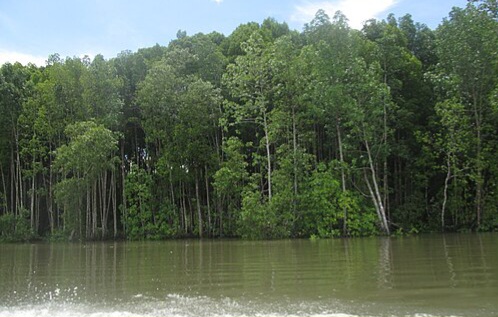
Teluk Bintuni (Bintuni Bay) supports productive fisheries with abundant marine resources, including tuna, snapper, grouper, shrimp, crab, squid, and other commercial species. Extensive mangrove ecosystems among the largest in Indonesia also contribute to healthy coastal fisheries while supporting biodiversity and environmental resilience.
According to Indonesia’s Ministry of Marine Affairs and Fisheries (KKP), Papua’s fisheries remain among the country’s most underutilized marine resources, offering considerable opportunities for sustainable downstream investment.
Expanding Value Through Processing
Rather than exporting raw seafood, investors can create higher-value products through:
- Seafood processing facilities
- Cold storage infrastructure
- Fish filleting and packaging
- Frozen seafood production
- Ice manufacturing
- Export logistics
- Quality assurance laboratories
Successful Indonesian seafood exporters such as PT Kelola Mina Laut (KML Food), PT Dharma Samudera Fishing Industries Tbk, and PT Sekar Bumi Tbk illustrate how downstream processing generates stronger export earnings than commodity sales alone.
International seafood companies including Thai Union Group, Maruha Nichiro, Nissui, and Mowi also highlight sustained global demand for premium seafood sourced from responsible fisheries.
With stronger cold-chain infrastructure and internationally recognised food safety certification, Bintuni could supply both domestic markets and export destinations including Japan, South Korea, Singapore, Australia, and the United States.
Agriculture and Food Strengthen Local Supply Chains
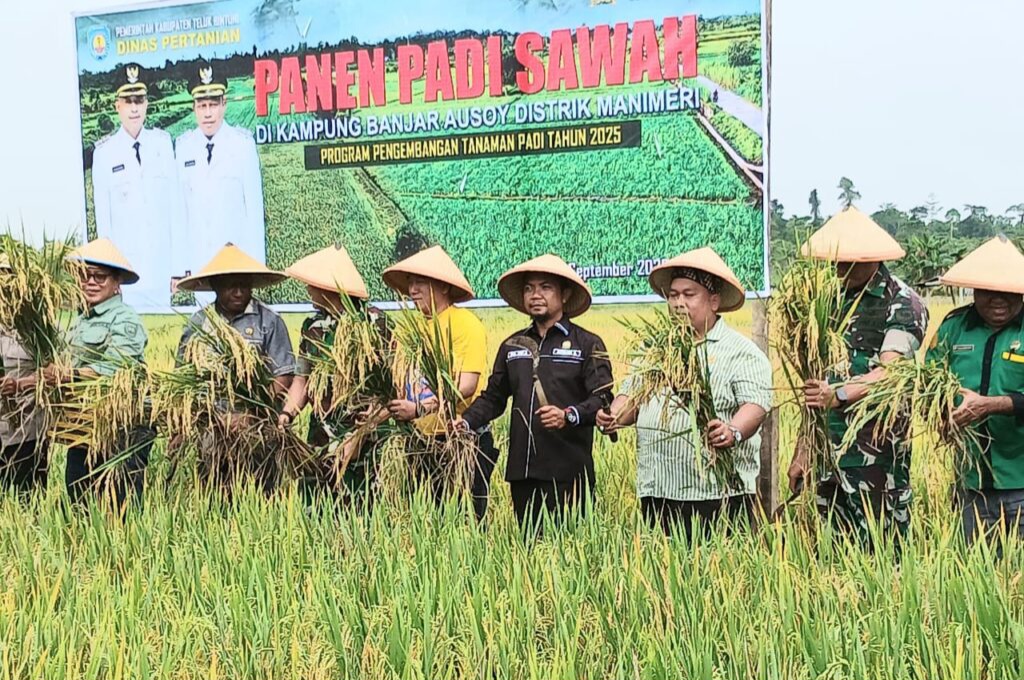
Industrial expansion inevitably increases demand for reliable food supplies.
Thousands of employees working across energy facilities, construction projects, government offices, and supporting businesses require continuous access to fresh produce, meat, poultry, dairy products, and staple foods.
As a result, agriculture has become one of the most practical Bintuni investment opportunities for businesses serving local consumption.
Modern Agriculture Meets Rising Demand
Promising investment areas include:
- Vegetable farming
- Rice cultivation
- Poultry production
- Beef cattle
- Aquaculture
- Food distribution
- Greenhouse agriculture
- Precision farming
Indonesia’s agribusiness sector already includes companies such as Charoen Pokphand Indonesia, Japfa Comfeed Indonesia, Cisarua Mountain Dairy (Cimory), and Sreeya Sewu Indonesia, whose integrated supply-chain models demonstrate how agricultural investment can support rapidly growing regional economies.
Food Distribution Creates Additional Opportunities
Beyond production, efficient distribution remains essential.
Businesses can participate through:
- Wholesale food distribution
- Refrigerated transport
- Fresh produce logistics
- Agricultural input supply
- Food warehousing
- Digital procurement platforms
As industrial activities continue expanding, local food production reduces transportation costs while strengthening food security across Teluk Bintuni Regency.
Why Bintuni Investment Opportunities Matter Beyond the Energy Sector
Bintuni’s transformation extends well beyond liquefied natural gas production.
The region is evolving into a diversified industrial economy where energy investment stimulates growth across logistics, construction, property, hospitality, fisheries, agriculture, and commercial services. Few locations in Eastern Indonesia offer such a concentrated combination of world-class natural resources, globally significant industrial projects, and long-term government support.
The continued expansion of Tangguh LNG, the development of the Ubadari CCUS Project, and the progress of Genting Oil Kasuri’s Asap Kido Merah (AKM) project reinforce Bintuni’s strategic importance within Indonesia’s national energy strategy. These multi-billion-dollar investments create enduring demand for businesses capable of supplying goods, services, infrastructure, and skilled human capital.
For international investors, family offices, infrastructure funds, engineering firms, logistics operators, property developers, agribusiness companies, and service providers, Bintuni investment opportunities offer exposure to one of Indonesia’s most dynamic industrial growth corridors.
As Indonesia advances its downstream industrialisation agenda while expanding cleaner energy technologies, Bintuni is well positioned to become a model for integrated industrial development in Eastern Indonesia. Investors who establish a presence during this stage of expansion will have the opportunity to participate in long-term value creation supported by energy, infrastructure, and regional economic growth.
GM


One thought on “Bintuni, Unlocking Opportunities Around One of Indonesia’s Largest Energy Clusters”