Mentawai Hawaii Partnership: A New Pacific Opening for Investors
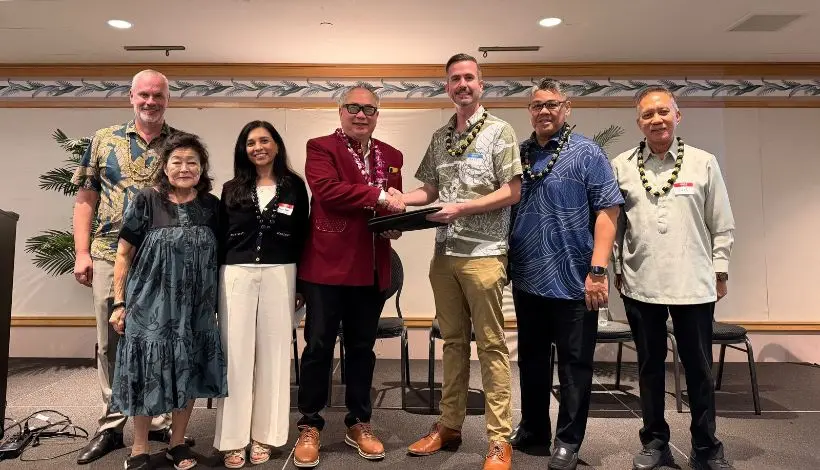
The Mentawai Hawaii partnership moved from aspiration to paper on 29 September 2026. On that day, Regent Rinto Wardana of the Mentawai Islands signed a letter asking Honolulu City Council member Matt Weyer to open a door to the Mayor’s Office. The request sounds modest: a Friendship City relationship between an Indonesian island regency and the principal city of America’s Pacific state. Yet the timing, the geography and the economic logic behind it make this one of the more intriguing cross-ocean proposals of the year.
A Letter Sent from the Surfing Capital of the World
Mentawai sits off the coast of West Sumatra, a chain of islands anchored by Siberut, Sipora, North Pagai and South Pagai. Wardana’s letter calls the regency the “Surfing Capital of the World” and cites more than 70 renowned surf locations. Beyond the breaks, he points to the Sikerei, the indigenous community whose tattoo tradition ranks among the oldest anywhere. He adds white-sand beaches, rich marine environments and some of the region’s most striking sunrises and sunsets.
The letter shows careful diplomacy. Wardana admits he has had no direct contact with the Mayor, so he asks Weyer for guidance rather than favours. The choice of addressee also looks deliberate. Weyer represents Council District II, covering Haleʻiwa and the North Shore, home to Oʻahu’s most celebrated big-wave surfing. Few elected officials in the United States understand a surf economy better.
The regent also copied Rusmin Lawin, a member of the FIABCI International Board of Directors. That detail signals that real estate and development professionals are following the initiative closely. Wardana then extends two invitations: Honolulu representatives are welcome in Mentawai, and he would gladly visit Honolulu to explore practical cooperation. He even floats a later upgrade to formal Sister City status.
Why the Mentawai Hawaii Partnership Makes Strategic Sense
Shared Waves, Shared Heritage
Hawaii gave modern surfing to the world, and the sport now underpins a large visitor economy. State figures put 2024 arrivals at roughly 9.7 million people, who spent about $20.8 billion. Mentawai draws a fraction of those numbers, which is precisely the point. Honolulu has decades of experience in managing crowded line-ups, protecting reefs and keeping tourism revenue circulating in local communities. Mentawai, still early in its tourism curve, can learn from those lessons before mistakes harden into habit.
Culture offers a second link. Native Hawaiians speak of kuleana, a responsibility to land, sea and community. The Sikerei hold a comparable duty toward forest and island life. Exchanges between these two living traditions could give both places a richer, more authentic story to share with visitors.
Hawaii as a Blue and Green Laboratory
The strongest argument for the Mentawai Hawaii partnership emerged from an unexpected venue. At UN Habitat Day 2026, Lawin delivered a speech titled “Hawaii State in the Context of Blue and Green Economy.” He described Hawaii as the most isolated island chain on Earth, a place that cannot import its way out of scarcity and therefore has had to invent solutions.
Lawin pointed to Papahānaumokuākea, among the largest marine protected areas in the world, covering roughly 583,000 square miles of Pacific waters. He also cited new work in sustainable aquaculture, marine renewable energy and regenerative coastal tourism. On land, Hawaii became the first U.S. state to commit to 100 percent clean energy by 2045. Meanwhile, farmers are reviving regenerative agriculture rooted in Aloha ʻĀina, or love of the land, and startups are turning that philosophy into circular economy products.
The Investment Case Behind the Mentawai Hawaii Partnership
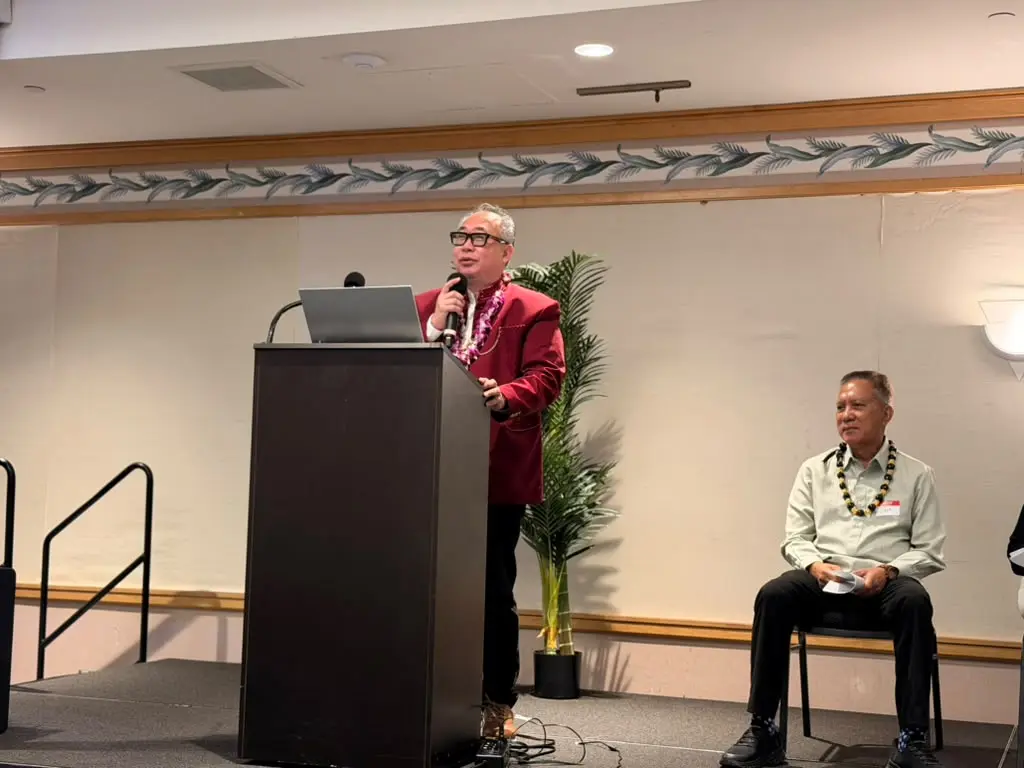
Capital follows resilience. Lawin argued that supply chains are being rewritten after the recent trade war, and that investors now seek places that are sustainable, dependable and strategically located. Hawaii fits that description, since it sits at the centre of the Indo-Pacific as a natural bridge between the U.S. mainland, Asia and the Pacific Islands.
Mentawai adds a different strength. Indonesia is the world’s largest archipelagic nation, and its island regencies hold ocean assets that few markets can match. Yet many of those regencies lack the testing grounds, technical partners and governance models that turn natural capital into durable income. Hawaii offers precisely those tools. Consequently, a Friendship City link could give investors a structured, low-risk entry point: pilot projects in Honolulu’s ecosystem first, then adaptation to Mentawai’s conditions.
Lawin summed up the opportunity in a line worth repeating: if sustainability works in the middle of the Pacific, it can work anywhere. He urged investors to commit not only to Hawaii but through Hawaii. Applied here, the phrase suggests a corridor in which Hawaiian expertise travels west, and Indonesian scale and ambition travel east.
Where Cooperation Could Begin
Wardana’s letter lists six areas of collaboration. Each carries commercial potential, so a short guide may help.
Tourism, Surf and Water Sports
Joint surf events, lifeguard training and reef-safe tourism standards would give both destinations a shared brand identity. For developers, they would also create demand for responsibly built accommodation and marine services.
Youth, Education and Culture
Student exchanges and cultural programmes would build the personal relationships on which every lasting partnership depends. Furthermore, they would give young Mentawai residents a route into the skills economy.
Conservation and Economic Development
Coral monitoring, sustainable fisheries and renewable energy pilots could follow. Because these sectors attract climate-focused funds, early cooperation could position both places ahead of competitors.
Reading the Signals
Skeptics will note that a Friendship City relationship carries no binding financial commitment, and they are right. Nevertheless, such arrangements often prepare the ground for trade missions, university agreements and investment forums. The letter is a first step, and its success will depend on whether Honolulu’s leadership responds. Weyer’s reply, and any introduction to the Mayor, will reveal how seriously the city treats the offer.
A Bridge Worth Building
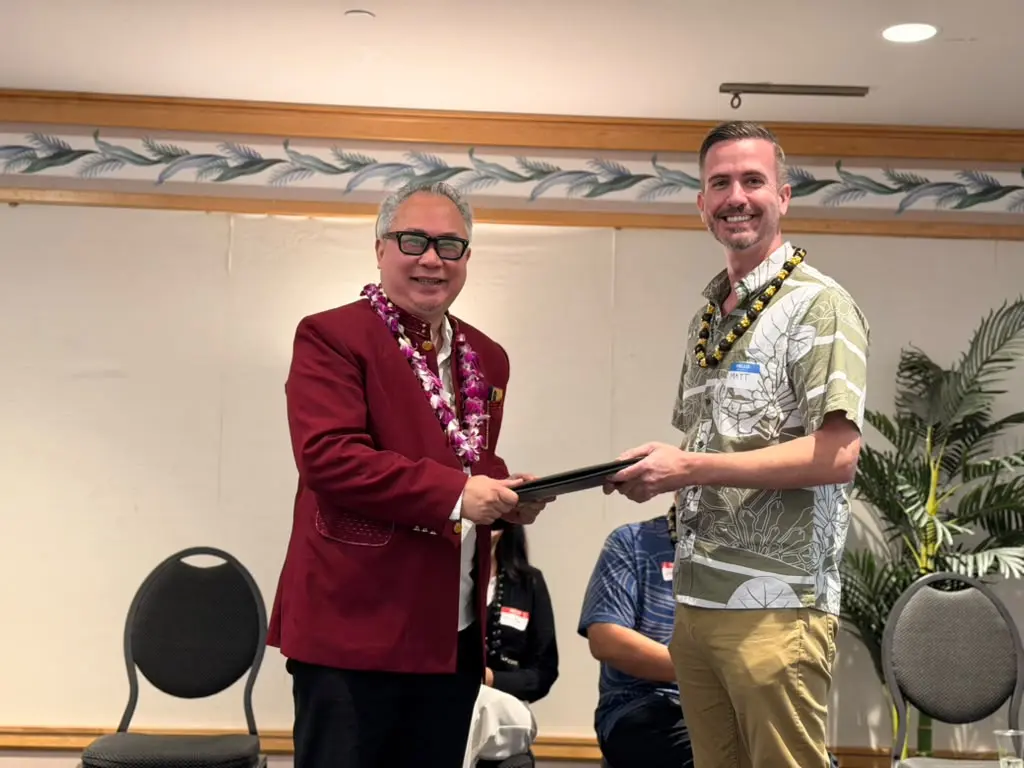
Two island communities, separated by thousands of miles of ocean, now share a proposal with unusual momentum. Wardana has opened the diplomatic door, Lawin has framed the economic case, and Weyer holds the first key. If Honolulu answers, the Mentawai Hawaii partnership could turn surf culture, indigenous heritage and blue-green innovation into a practical corridor for investment across the Pacific. For investors who like to arrive before the crowd, this deserves close attention.
GM