REI Backs Rusmin Lawin for Deputy Minister of Tourism II to Advance Indonesia’s Next Investment Frontier
A Tourism Economy Ready for Its Next Investment Chapter
Indonesia’s tourism sector has entered a period of stronger economic relevance. Visitor numbers are recovering, domestic travel continues to expand, and investment is flowing into an industry with the capacity to generate employment, stimulate regional economies and attract international capital.
Yet the next stage of growth will require more than marketing campaigns and rising arrivals. Indonesia must develop destinations capable of supporting sustained investment: places with reliable infrastructure, quality accommodation, effective transport connections, professional management and a clear long-term commercial direction.
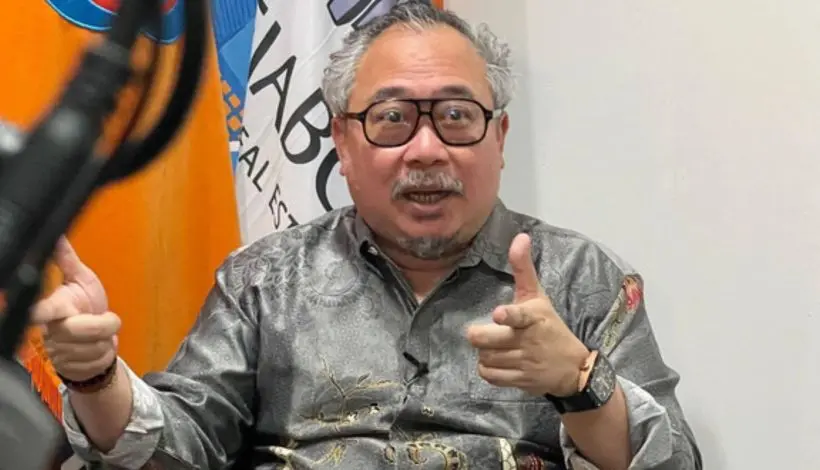
That challenge sits at the centre of a proposal made by the Badan Pertimbangan Organisasi (BPO) of Realestat Indonesia (REI), which has put forward Rusmin Lawin for the position of Deputy Minister of Tourism II.
BPO REI Secretary Bally Saputra Dt Jano Sati identified Mandeh and the Mentawai Islands in West Sumatra as two areas where substantial investment could accelerate development and raise international competitiveness. His argument points to a wider policy question: how can Indonesia turn its extraordinary natural and cultural assets into destinations that attract responsible capital, create local economic opportunities and compete in the international tourism market?
For REI, Rusmin’s experience in international real estate networks and cross-border investment engagement offers a potential contribution to that agenda.
Indonesia’s Tourism Growth Needs a Stronger Investment Structure
The economic case for tourism investment is substantial.
According to the Indonesian government’s October 2026 assessment, tourism investment reached approximately Rp73.55 trillion in 2025. The sector supported 25.91 million jobs and generated US$18.28 billion in tourism foreign exchange earnings. Domestic travellers made around 1.2 billion trips during the year, demonstrating the importance of the domestic market alongside international visitor demand.
The latest figures also show that the momentum has continued. Between January and August 2026, Indonesia recorded 10.58 million international tourist visits, an increase of 5.38% compared with the same period in 2025. Domestic travel reached 842.15 million trips, up 4.29%. Tourism investment also grew by 16.64% during the first part of 2026, according to the Coordinating Ministry for Economic Affairs.
The sector’s contribution extends beyond visitor spending. Statistics Indonesia’s Tourism Satellite Account for 2023–2025 recorded tourism direct gross domestic product of Rp1,138.90 trillion in 2025, equivalent to 4.78% of national GDP. Total internal tourism consumption reached Rp2,408.97 trillion, including Rp2,090.31 trillion from domestic tourism and Rp318.66 trillion from inbound visitors.
These figures illustrate an industry with considerable economic reach. They also underline the scale of the opportunity outside established tourism centres.
However, investment growth alone does not guarantee balanced development. Capital tends to follow locations where investors can assess the market, understand the regulatory environment, secure land and infrastructure, and identify a credible path to commercial returns. Destinations that lack these conditions can remain overlooked, regardless of their natural appeal.
Indonesia therefore faces two connected tasks: strengthening the investment environment and widening the geographic distribution of tourism development.
A more integrated approach would connect destination planning with transport infrastructure, accommodation, utilities, environmental management, local enterprise development and long-term investment structures. It would also give investors a clearer understanding of project readiness, government priorities and the roles of public and private partners.
This is where investment diplomacy can make a practical difference.
Why Mandeh and Mentawai Deserve Greater Attention
West Sumatra offers a compelling example of Indonesia’s untapped tourism potential. Its landscapes, coastal communities, cultural heritage and position along important maritime routes create opportunities for a diverse tourism economy.
Two destinations stand out in the current proposal: the Mandeh area and the Mentawai Islands.
Mandeh: Developing a Coastal Destination into an Integrated Tourism Economy
Often described as one of West Sumatra’s most promising coastal tourism areas, Mandeh has the natural features to support a wider destination strategy. Its bays, islands, beaches and marine environment offer opportunities for sailing, diving, leisure tourism, hospitality and nature-based experiences.
Yet the development opportunity extends beyond individual attractions.
To compete for international visitors and investment, Mandeh needs a coordinated approach to destination development. This could include quality resorts and hotels, marina and marine tourism facilities, improved road and sea access, visitor services, utilities, waste management and well-planned commercial areas.
The objective should be to establish an integrated destination where tourism activity supports a wider local economy.
For investors, this requires more than a compelling location. They need clarity on land status, infrastructure commitments, planning regulations, environmental requirements, market demand and the commercial framework for proposed projects. A destination strategy that addresses these matters can help turn early interest into viable investment.
Mandeh also offers an opportunity to develop a tourism model that places environmental quality at the centre of its commercial proposition. Its coastal and marine assets are the foundation of its appeal. Protecting them is therefore essential to maintaining the destination’s long-term value.
Mentawai: Connecting Global Recognition with Local Opportunity
The Mentawai Islands have a different but equally distinctive proposition.
Internationally recognised for their surf breaks and marine environment, the islands already attract visitors seeking specialised experiences. Their reputation creates a foundation for a broader tourism economy that could include boutique accommodation, marine recreation, wellness, cultural experiences and carefully managed nature-based tourism.
The challenge is to convert that recognition into lasting economic benefits for local communities.
Improved connectivity, reliable utilities, healthcare access, visitor facilities and professional hospitality services would help strengthen the destination’s capacity. Investment could also support local businesses in transport, food production, crafts, guiding and other tourism-related services.
The Mentawai opportunity calls for a development model that respects the islands’ ecological and cultural characteristics. Large-scale construction without adequate planning could undermine the very qualities that make the destination attractive.
A carefully structured investment programme, by contrast, could create a stronger relationship between tourism operators, local communities and public authorities.
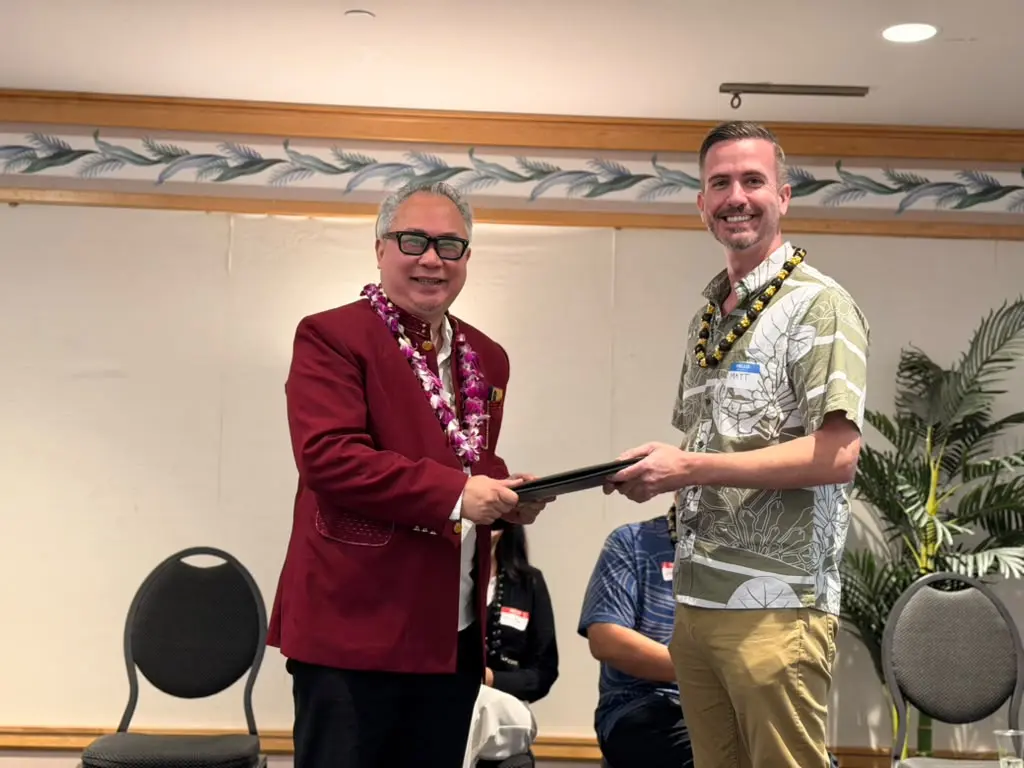
The proposal to consider Mentawai alongside international Pacific connections is particularly relevant. In October 2026, Indonesia Rising reported on a potential Mentawai–Hawaii partnership concept, exploring opportunities for destination cooperation and wider Pacific engagement. Such discussions remain at an early stage, but they demonstrate how tourism relationships can extend beyond conventional marketing into institutional and commercial collaboration.
For Mentawai, international partnerships could help attract specialist operators, develop destination expertise and introduce the islands to new visitor markets.
The Case for Rusmin Lawin: Real Estate, Investment and International Engagement
The BPO REI proposal places Rusmin Lawin’s international experience within a tourism policy discussion.
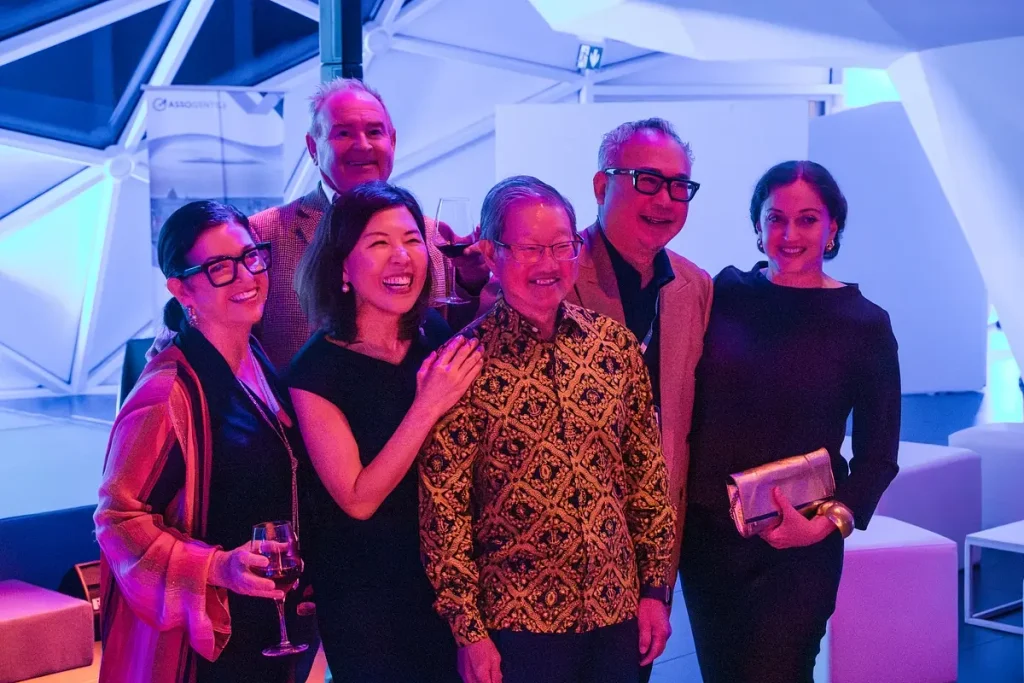
Rusmin serves as Deputy Chairman of Realestat Indonesia (REI), responsible for foreign affairs, and has spent more than two decades working across real estate, international business relationships and investment engagement. He has also served as Global Ambassador of Real Estate Indonesia since 2008 and held senior responsibilities within the International Real Estate Federation, known as FIABCI.
His four-year presidency of FIABCI Asia Pacific concluded in 2026. He remains involved in the organisation’s international network and has participated in initiatives connecting property professionals, developers, investors and public-sector stakeholders across multiple markets.
These roles have provided exposure to different approaches to urban development, real estate investment, destination planning and international cooperation.
Tourism development increasingly intersects with all these fields. A successful destination requires accommodation, commercial property, transport infrastructure, public facilities, utilities and services. It also depends on land-use planning, investment regulations, local partnerships and a reliable operating environment.
Real estate experience can therefore contribute to tourism policy when it is applied as part of a broader development framework.
The value of international engagement is equally important. Investors assess destinations through more than promotional material. They look for credible local counterparts, consistent policy direction, transparent processes and confidence that projects can move from initial discussions to implementation.
Rusmin’s professional background places him within networks that can help facilitate those conversations. The question for any public appointment, however, would be how such relationships could be translated into measurable public outcomes: better-prepared projects, stronger investor confidence, more regional investment and wider economic participation.
The BPO REI proposal reflects the view that Indonesia’s tourism leadership could benefit from a stronger investment-oriented dimension.
From FIABCI to Global Investment Diplomacy
Rusmin’s international engagements during 2026 provide useful context for understanding the networks behind the proposal.
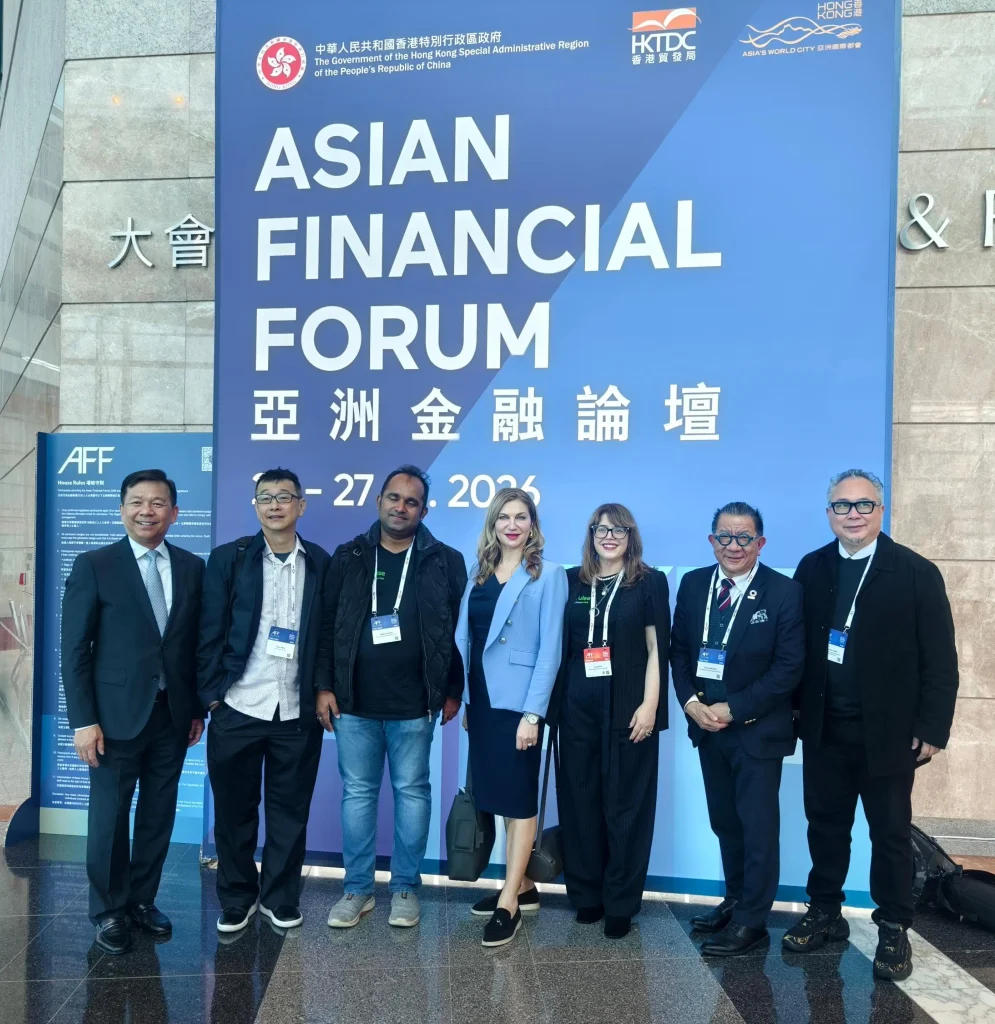
In September, he took part in the 11th Belt and Road Summit in Hong Kong, where international business leaders, government representatives and investors gathered to explore cooperation and commercial opportunities. The event brought together more than 6,200 participants from over 70 countries and regions, with hundreds of investment projects and business meetings forming part of its programme.
For Indonesia, such platforms matter because tourism investment rarely develops in isolation. Projects depend on capital, technology, construction expertise, hospitality operators, transport providers and long-term commercial partners. International business forums can help identify these participants and create opportunities for further engagement.
A few days later, Rusmin participated in the FIABCI International Trade Mission in Taichung, Taiwan, held under the theme “The New Urban Future: Beyond Technology, Toward Humanity.” The programme brought together more than 400 delegates and included engagement with FIABCI leaders, property professionals and local government representatives.
The discussions reflected a broader shift in the real estate and urban development sectors. Technology remains important, but successful places also depend on human experience, community needs, environmental quality and economic opportunity.
Those considerations are directly relevant to tourism destinations. A resort or visitor attraction cannot be evaluated solely by its buildings or projected returns. Its long-term success depends on how it fits into the surrounding environment, how it serves visitors and residents, and whether the local economy benefits from its development.
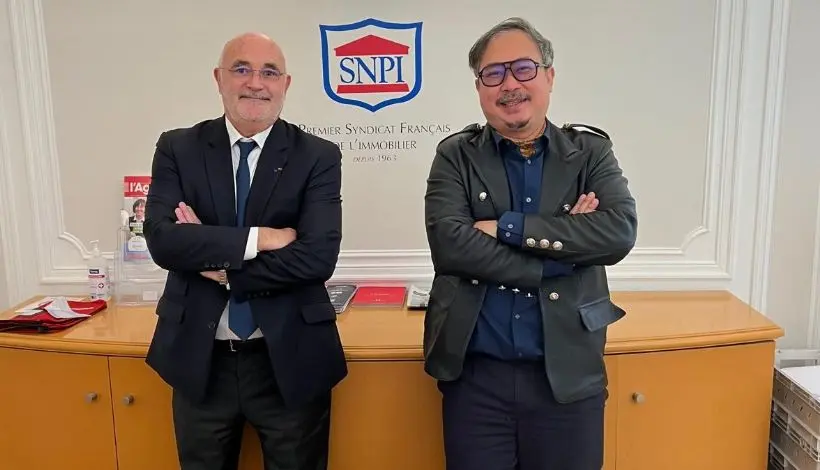
In late September, Rusmin was also named SNPI Global Ambassador for Indonesia by Alain Duffoux, President of SNPI Global, a French real estate professional organisation. The appointment added another international platform to his engagement across the property sector.
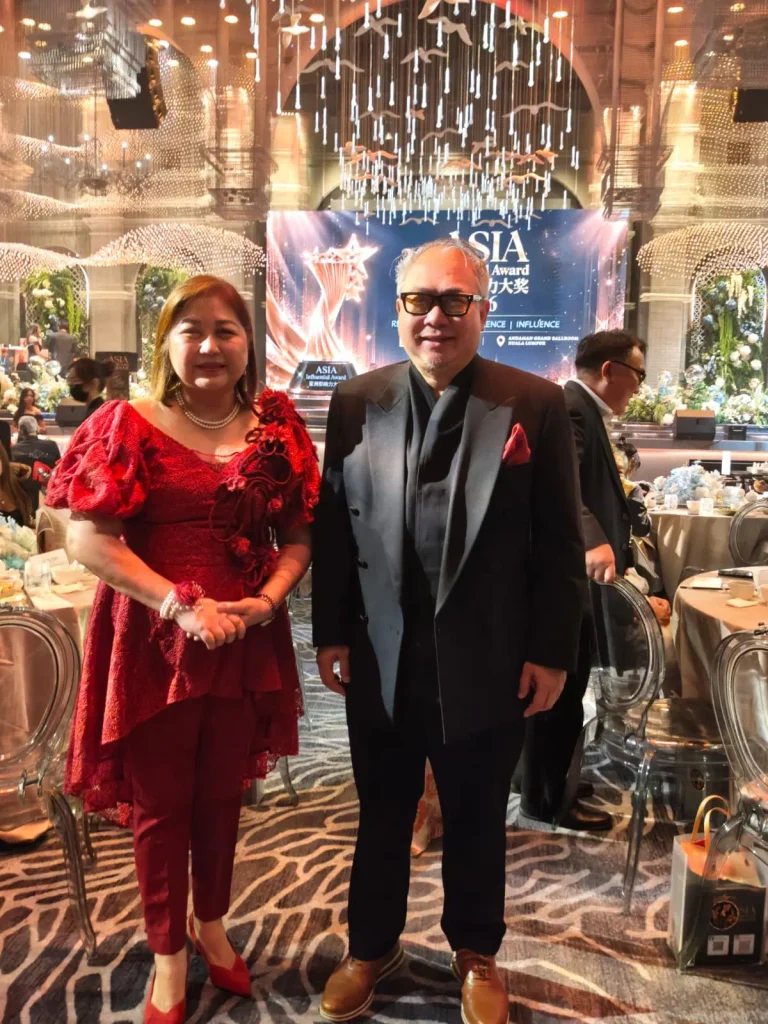
The following month, he received the Asia Influential Leader Award at the Asia Influential Awards 2026 in Kuala Lumpur. The event brought together business leaders, entrepreneurs and government representatives from across Asia, recognising individuals and organisations for their contributions in different fields.
The award followed an extensive international engagement programme that included meetings and activities across several global business centres.
These events should not be viewed simply as a sequence of appearances. Their relevance lies in the relationships and institutional connections they can help sustain. For a country seeking international investment, consistent engagement with decision-makers, developers and business organisations can create channels for project discussions and long-term cooperation.
Indonesia Rising has followed several of these developments through its own editorial coverage, including its reports on the FIABCI Taichung trade mission, the Belt and Road Summit in Hong Kong, Rusmin’s SNPI appointment and the Asia Influential Award in Kuala Lumpur.
Turning International Relationships into Regional Projects
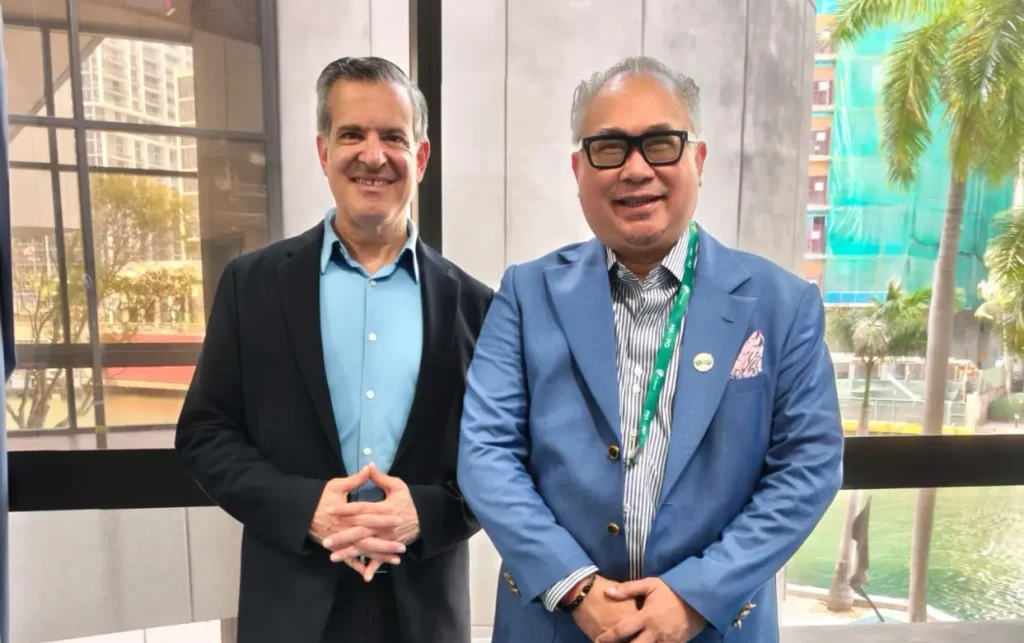
One of the central challenges in investment diplomacy is moving from contact to commitment.
An introduction may create interest, but investment requires a much more detailed process. Investors need to understand the opportunity, assess risks, identify local partners, review legal and regulatory conditions, establish financing structures and evaluate the long-term operating environment.
Tourism destinations require this discipline because projects often involve multiple stakeholders and long development timelines.
A resort, for example, may depend on land arrangements, environmental approvals, road and port access, electricity, water supply, waste treatment, workforce availability and agreements with local communities. If these elements are not aligned, even a well-funded proposal can struggle to proceed.
A structured investment approach would therefore need several components.
First, destination authorities should identify and prepare priority projects. Investors respond more effectively to defined opportunities than to broad statements about a location’s potential. Project information should include development objectives, site conditions, infrastructure requirements, regulatory status and indicative commercial models.
Second, government agencies and local stakeholders need to coordinate their responsibilities. Tourism, investment, transport, environment, land administration and regional authorities all have roles in destination development. Fragmented decision-making can increase uncertainty and delay projects.
Third, local businesses and communities must have a meaningful place in the development process. Tourism investment can generate substantial economic activity, but its benefits need to reach beyond property owners and large operators. Local suppliers, transport businesses, food producers, guides, artisans and service providers should be positioned to participate.
Finally, international engagement must continue after the initial meetings. Investor confidence develops through consistent communication, reliable information and the ability to resolve practical issues.
This is the difference between building a network and building an investment pipeline.
For destinations such as Mandeh and Mentawai, the distinction will be decisive. Their natural advantages may attract attention, but sustained development will depend on the quality of planning, the readiness of projects and the ability to align public objectives with responsible private investment.
A Wider Pacific Opportunity for Indonesia
The Mandeh and Mentawai discussion also opens a broader question about Indonesia’s position in the Pacific tourism economy.
Indonesia is geographically connected to a wide network of island destinations, maritime routes and regional markets. Its tourism strategy can benefit from stronger cooperation with countries and territories that share interests in marine tourism, sustainable destination management, hospitality, connectivity and cultural exchange.
The Mentawai–Hawaii partnership concept reported by Indonesia Rising in October offers one example of how such conversations might develop. Meanwhile, the proposed Manado–Lapu-Lapu sister-city initiative, discussed during Rusmin’s engagement with Lapu-Lapu City Mayor Hon. Cynthia “Cindi” King-Chan in October, points to another possible area of cooperation.
The proposed Manado–Lapu-Lapu relationship was framed around tourism, trade, maritime economic activity and a potential Blue Economy corridor. It remains a proposal rather than a completed agreement, but it reflects the value of connecting local governments and business communities around shared economic interests.
These initiatives are relevant to a national tourism agenda because Indonesia’s regional destinations need stronger international visibility and more practical routes to cooperation.
A well-developed Pacific strategy could support joint destination promotion, knowledge exchange, investment discussions, marine conservation initiatives and partnerships between tourism operators. It could also encourage visitors to explore destinations beyond the country’s best-known gateways.
For Indonesia, this means treating international tourism relationships as a long-term economic asset rather than a series of promotional activities.
The Policy Challenge: Investment Must Support Sustainable Development
The proposal to appoint a Deputy Minister of Tourism II with a stronger investment focus raises important questions about institutional priorities and execution.
A new leadership role, if established, would need a clear mandate. Its responsibilities should complement the existing ministry structure and strengthen coordination rather than create overlapping functions.
It would also need to maintain a careful balance between commercial ambition and public interest.
Tourism development can place pressure on land, water, ecosystems and local infrastructure. Coastal and island destinations are particularly vulnerable when construction, visitor numbers and resource use exceed local capacity.
For Mandeh and Mentawai, environmental safeguards should be treated as part of the investment proposition from the beginning. Clear zoning, carrying-capacity assessments, waste management, marine protection and community participation can help reduce long-term risks.
Investors increasingly assess environmental and social considerations as part of project quality. A destination that protects its natural assets and maintains a constructive relationship with local communities can offer a more durable investment proposition.
The objective should not be to attract capital at any cost. It should be to attract the right capital, under transparent conditions, for projects that can deliver long-term economic and social value.
A Proposal That Reflects a Larger National Opportunity
BPO REI’s proposal to put forward Rusmin Lawin for Deputy Minister of Tourism II arrives at a moment when Indonesia’s tourism industry is growing and its regional development ambitions require greater investment depth.
The economic data demonstrates the sector’s importance. The opportunity in Mandeh and Mentawai illustrates the potential beyond established destinations. Rusmin’s experience across REI, FIABCI and international investment engagement provides the background behind the organisation’s recommendation.
Whether or not the proposal leads to a formal appointment, the discussion raises a strategic issue for Indonesia: the country needs stronger mechanisms to turn international interest into well-prepared projects and long-term investment.
That requires leadership capable of understanding both sides of the equation. Global investors need credible opportunities, reliable local partners and predictable processes. Regional destinations need capital, infrastructure, expertise and development models that respect their communities and natural environments.
The most valuable contribution of investment diplomacy is its ability to bring these requirements into alignment.
For Mandeh and Mentawai, the next chapter should be measured not by the number of announcements or international meetings, but by the quality of projects that move forward, the confidence they generate and the benefits they create for local communities.
Indonesia has the natural assets, the domestic tourism market and the international profile to build a more competitive tourism economy. The task now is to connect those strengths with capital, expertise and disciplined execution.
The proposal from REI places that task firmly on the national agenda. It also reinforces a larger point: Indonesia’s next tourism frontier will be shaped by the country’s ability to turn relationships into commitments, commitments into projects, and projects into lasting regional prosperity.
GM