Indonesia in the Global Economy: Rising Influence and Strategic Role
Indonesia Global Economy Role
The Indonesia global economy role is undergoing a profound transformation. Once viewed primarily as a resource-rich emerging market, Indonesia is increasingly asserting itself as a strategic actor in global trade, investment, and geopolitics.
This shift is not accidental. It is the result of a convergence of structural advantages demographic scale, geographic positioning, natural resources, and policy direction combined with a changing global landscape. As supply chains diversify and economic power gradually tilts toward emerging markets, Indonesia is stepping into a more prominent role.
With a GDP exceeding $1.4 trillion, making it one of the world’s top 20 economies, and projected to enter the top 10 globally by the 2030s, Indonesia’s trajectory reflects both ambition and momentum. Its growing influence is not only reshaping Southeast Asia, but also contributing to a broader rebalancing of the global economic order.
Strategic Geography: Indonesia Global Economy Role
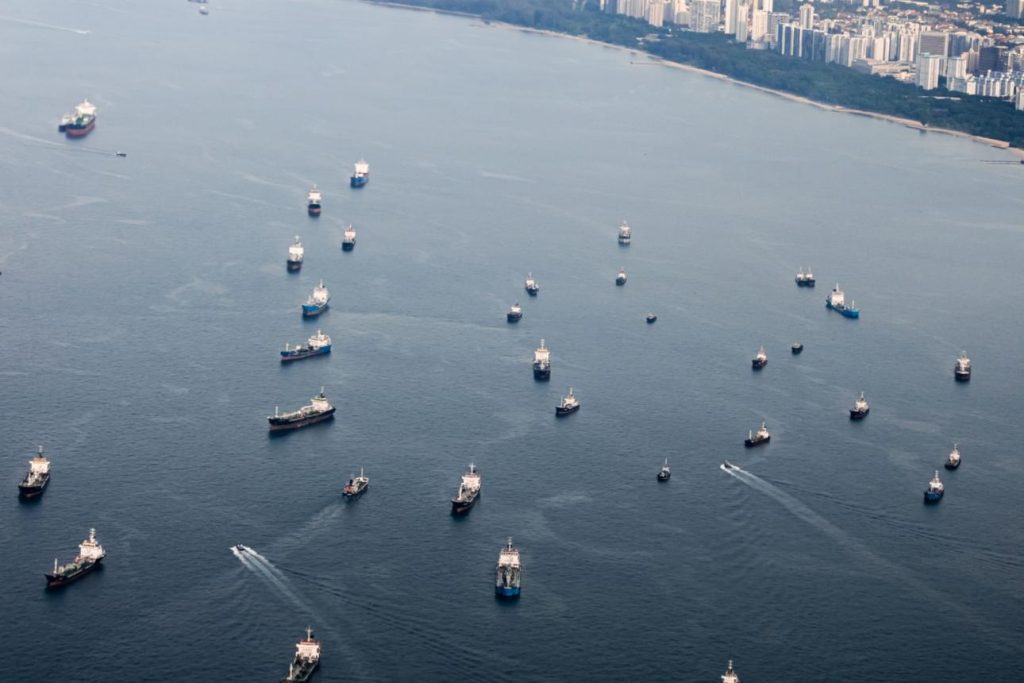
Indonesia’s geographic positioning is one of its most underappreciated strategic assets. Stretching across more than 17,000 islands, the country sits astride some of the world’s most critical maritime trade routes.
The Malacca Strait, one of the busiest shipping lanes globally, carries approximately 25–30% of global trade flows, including a significant portion of the world’s energy supplies. Indonesia’s proximity to this corridor places it at the intersection of Asia-Pacific commerce, connecting major economies such as China, India, Japan, and Australia.
This location provides several advantages:
- Access to major global markets
- Strategic importance in maritime security
- Opportunities to develop port and logistics infrastructure
Indonesia’s government has sought to capitalize on this positioning through investments in ports, shipping networks, and industrial zones. The long-term objective is to transform the country into a global maritime hub, reducing logistics costs and enhancing competitiveness.
Trade Expansion: Diversifying Economic Linkages
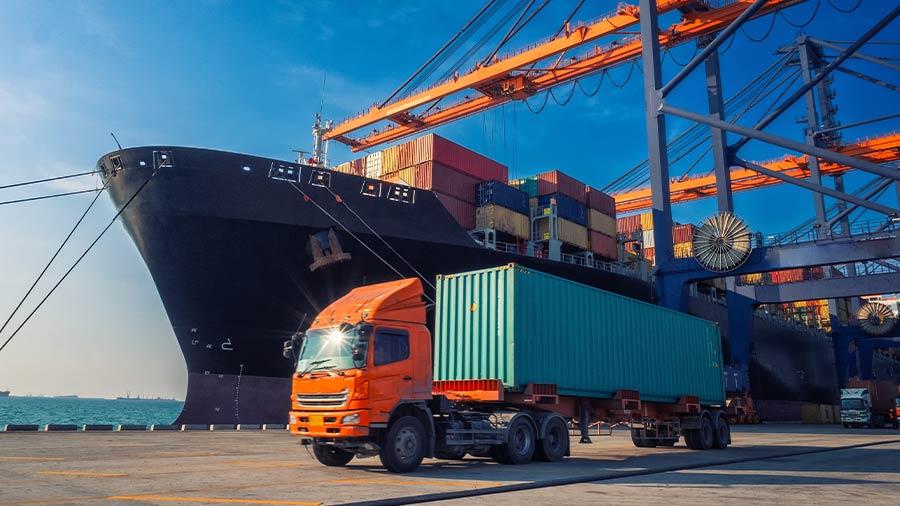
Trade remains a central pillar of Indonesia’s global engagement. Total trade value (exports and imports combined) has surpassed $500 billion annually in recent years, reflecting both commodity exports and growing manufactured goods.
Indonesia’s export profile is evolving:
- Traditional commodities: coal, palm oil, natural gas
- Emerging sectors: processed metals, chemicals, manufactured goods
The government’s push toward downstream processing has begun to shift the composition of exports toward higher value-added products. Nickel-based exports, for example, have increased significantly as Indonesia moves up the EV supply chain.
Importantly, Indonesia is also diversifying its trade partners. While China remains its largest trading partner, accounting for more than 20% of total trade, the country is expanding ties with the United States, India, Japan, and Middle Eastern economies.
This diversification reduces dependence on any single market and enhances economic resilience.
Expanding Global Partnerships: A Multi-Directional Strategy

A defining feature of the Indonesia global economy role is its multi-directional engagement strategy. Rather than aligning exclusively with a single bloc, Indonesia has cultivated relationships across multiple economic centers.
China: Investment and Industrial Development
China is Indonesia’s largest trading partner and a major source of foreign direct investment (FDI). Chinese companies have played a significant role in developing Indonesia’s nickel processing industry and infrastructure projects.
United States: Technology and Finance
The United States remains a key partner in areas such as technology, finance, and high-value trade. Bilateral trade between Indonesia and the U.S. exceeds $40 billion annually, with opportunities for further expansion in digital services and clean energy.
Middle East: Capital and Energy Transition
Countries in the Middle East, including sovereign wealth funds, are increasingly investing in Indonesia’s infrastructure and energy sectors. These partnerships are particularly important for financing large-scale projects linked to the green transition.
Regional Partners: ASEAN and Beyond
Within Southeast Asia, Indonesia maintains strong economic ties with neighboring countries, reinforcing its role as a regional anchor.
This diversified partnership model enables Indonesia to maximize opportunities while minimizing geopolitical risk.
ASEAN Leadership: Shaping Regional Integration
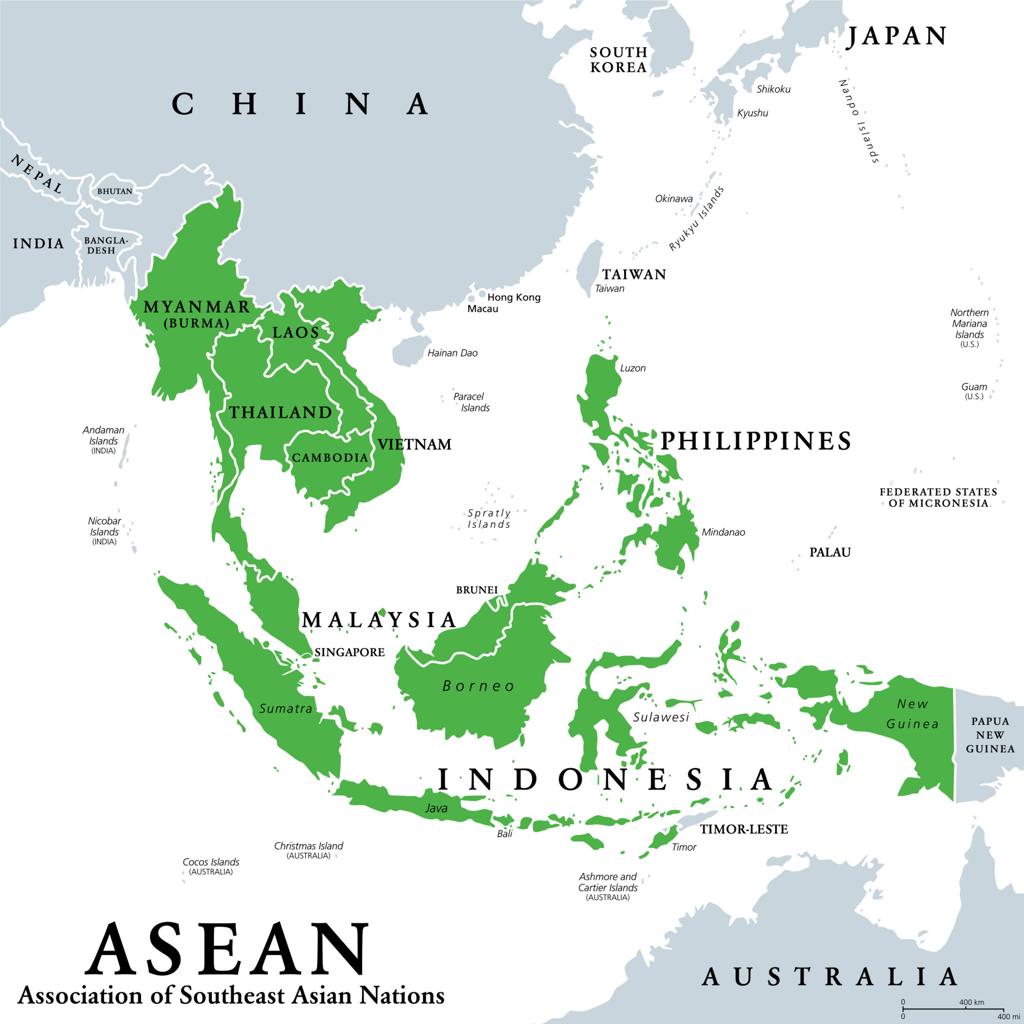
As the largest economy in the ASEAN, Indonesia plays a central role in shaping regional economic policies and integration efforts.
ASEAN represents a combined market of over 650 million people and a GDP exceeding $3.6 trillion, making it one of the most dynamic economic regions globally. Indonesia’s leadership within ASEAN extends across several dimensions:
- Trade agreements and economic frameworks
- Digital economy initiatives
- Infrastructure connectivity projects
Through ASEAN, Indonesia amplifies its global influence, acting not only as a national economy but as a regional leader shaping broader economic trends.
Investment Flows: Rising Confidence in Indonesia
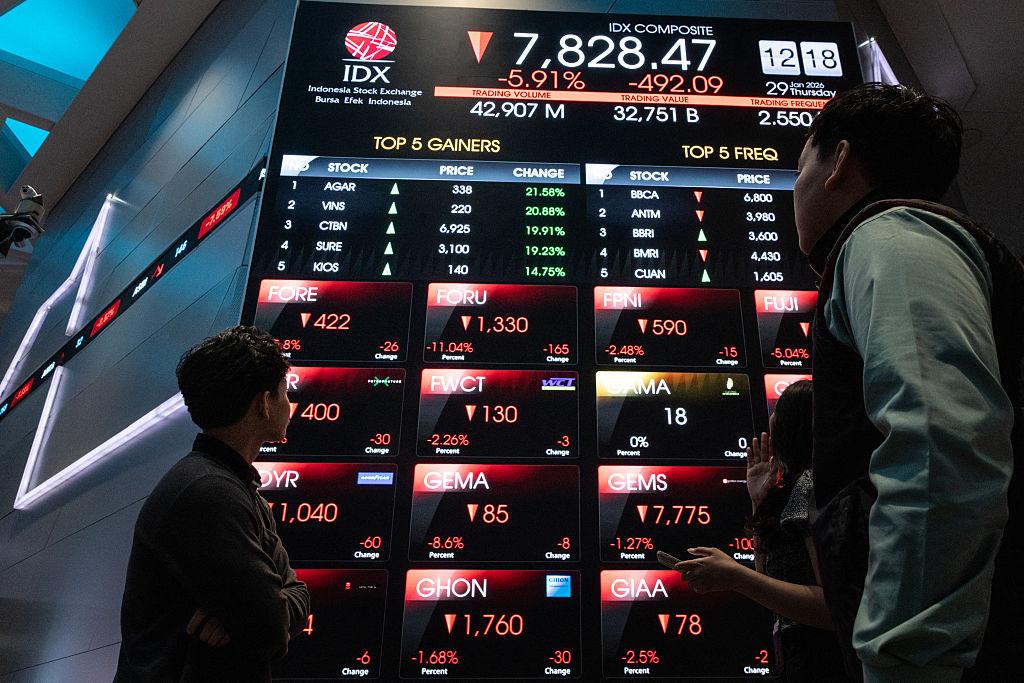
Foreign direct investment is a key indicator of Indonesia’s growing global relevance. In recent years, the country has attracted more than $45 billion annually in realized investment, with strong contributions from manufacturing, mining, and digital sectors.
Several factors underpin this trend:
- Structural reforms improving the business environment
- Large domestic market attracting consumer-focused investments
- Strategic sectors such as EVs and renewable energy
Institutions such as the Indonesia Investment Authority (INA) play a crucial role in mobilizing capital and partnering with global investors.
Investment is increasingly directed toward:
- Industrial downstreaming
- Infrastructure development
- Digital economy platforms
- Green energy projects
This diversification reflects a broader shift toward long-term, strategic capital allocation.
Geopolitical Significance: Navigating a Multipolar World
Indonesia’s global positioning cannot be understood without considering geopolitics. In an era defined by increasing competition between major powers, Indonesia has adopted a balanced and pragmatic approach.
The country’s foreign policy emphasizes:
- Strategic independence
- Non-alignment
- Economic cooperation
This approach allows Indonesia to engage constructively with multiple global powers while avoiding overdependence on any single partner.
Indonesia’s role in international forums such as the G20, which it chaired in 2022 has further elevated its global profile. These platforms provide opportunities to influence discussions on economic recovery, climate change, and digital transformation.
In a fragmented global environment, Indonesia’s ability to maintain diplomatic flexibility is a significant strategic advantage.
Structural Strengths: Why Indonesia Matters Globally
Several structural factors underpin Indonesia’s rising global influence:
Indonesia Global Economy Role Demographic Advantage
With a median age of around 30 years, Indonesia has a young and productive workforce. By 2030, it is expected to have one of the largest labor forces globally.
Urbanization and Consumption
A rapidly expanding middle class is driving domestic demand, making Indonesia one of the most attractive consumer markets in Asia.
Resource Wealth
From nickel and copper to palm oil and natural gas, Indonesia’s resource base provides strategic relevance in multiple global industries.
Economic Stability
Consistent growth, controlled inflation, and prudent fiscal policies enhance investor confidence. Together, these factors create a foundation for sustained economic expansion and global engagement.
Challenges: Constraints on Global Influence
Despite its strengths, Indonesia faces challenges that could shape its global trajectory.
Infrastructure Gaps
While progress has been made, further investment is needed to improve connectivity and reduce logistics costs.
Regulatory Complexity
Variations in policy implementation across regions can create uncertainty for businesses.
Human Capital Development
Upgrading skills and education is essential for competing in high-value industries.
Indonesia Global Economy Role Volatility
As an open economy, Indonesia is exposed to external shocks, including commodity price fluctuations and shifts in global demand. Addressing these challenges will be critical to sustaining Indonesia’s rise in the global economy.
Outlook: A Rising Power in a Changing World
The trajectory of the Indonesia global economy role points toward greater influence and deeper integration.
Several trends support this outlook:
- Continued diversification of trade and investment
- Expansion of downstream industries
- Growth of the digital economy
- Increasing participation in global governance
By the late 2020s and beyond, Indonesia is expected to emerge as a top-tier emerging market with global strategic importance.
Its role will not be defined solely by economic size, but by its ability to:
- Shape regional dynamics
- Contribute to global supply chains
- Influence international policy discussions
Indonesia Global Economy Role From Emerging Market to Strategic Actor
Indonesia’s evolution in the global economy reflects a broader shift in the international system. As emerging markets gain prominence, countries like Indonesia are moving from the periphery to the center of global economic activity.
The Indonesia global economy role is no longer defined by potential alone. It is increasingly characterized by performance, relevance, and strategic importance.
For investors, policymakers, and global businesses, Indonesia represents a market that demands attention not just for its size, but for its growing influence.
Understanding Indonesia today is not simply about analyzing an emerging economy. It is about recognizing a rising power shaping the future of global trade, investment, and geopolitics.