Rusmin Lawin Shanghai Jiangsu Visit February 2026: A Strategic Blueprint for Indonesia’s Industrial Future
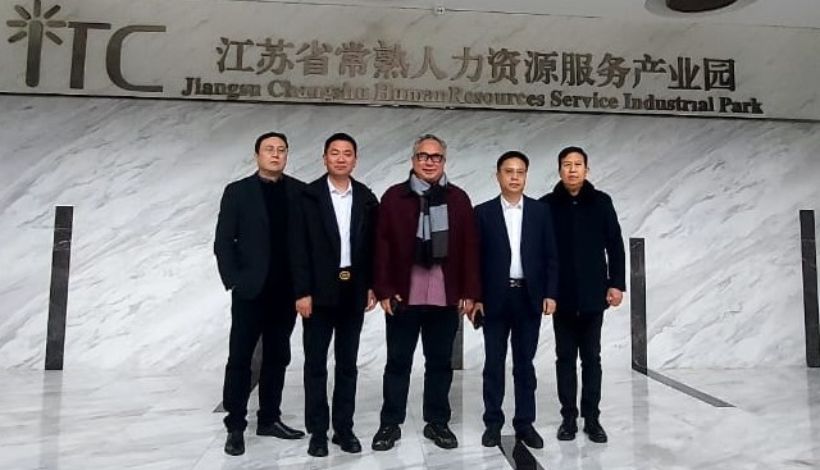
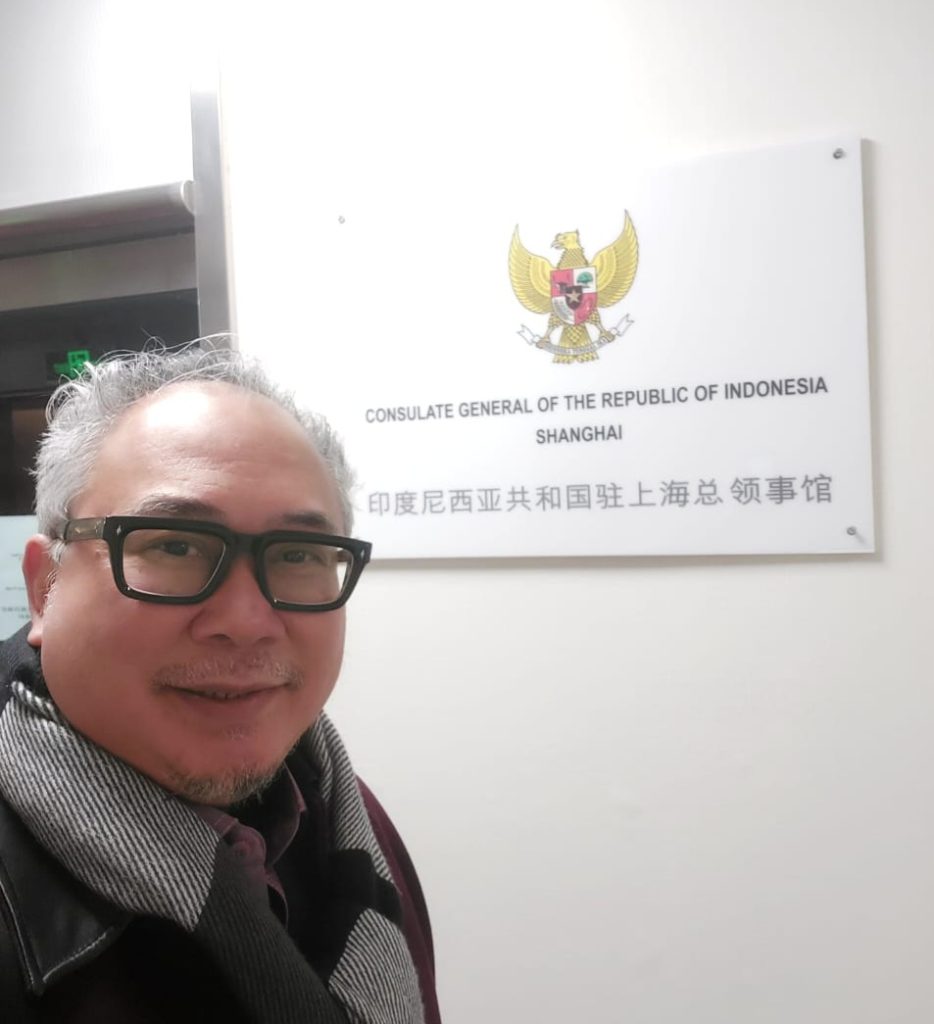
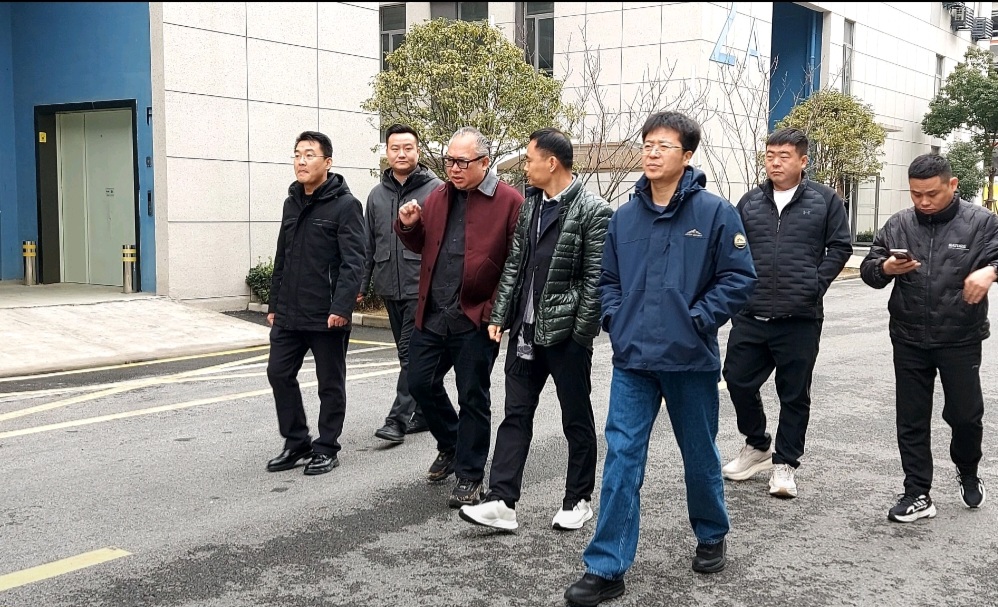
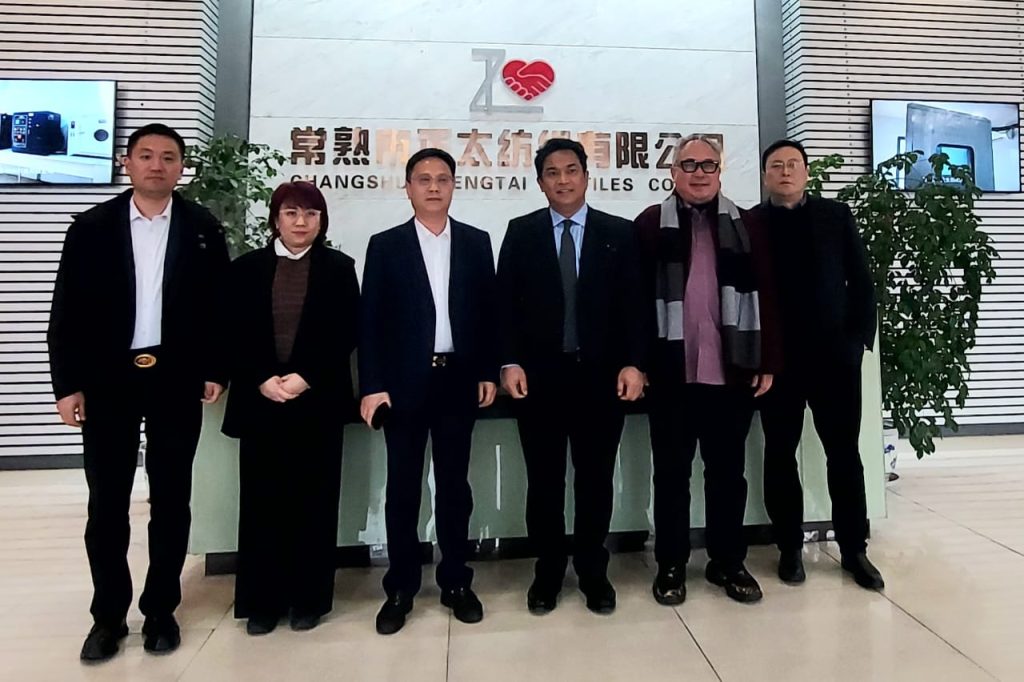
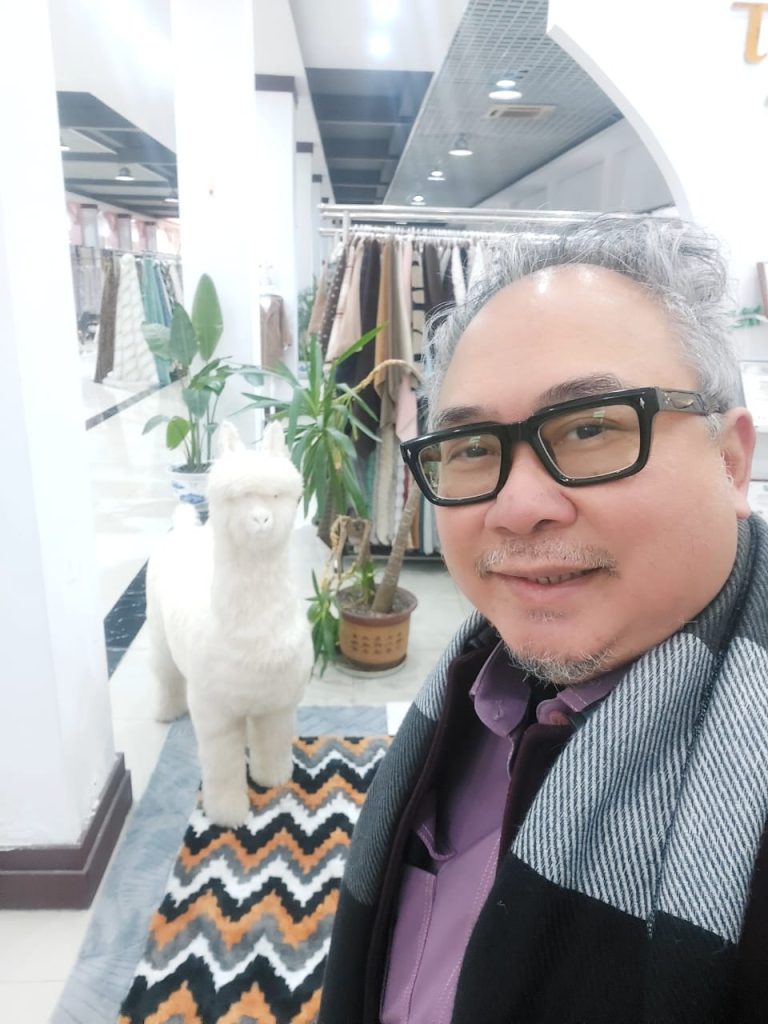
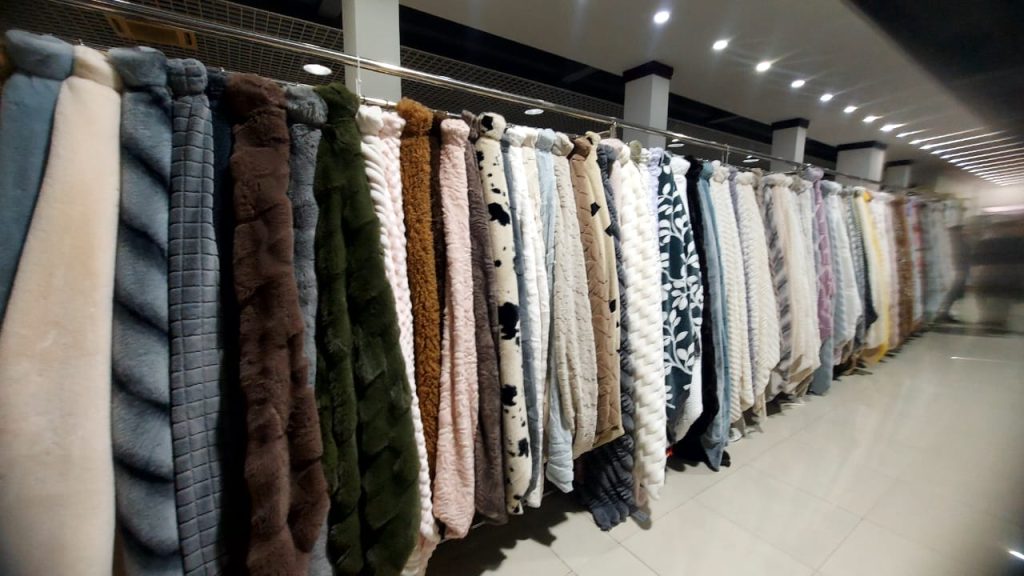
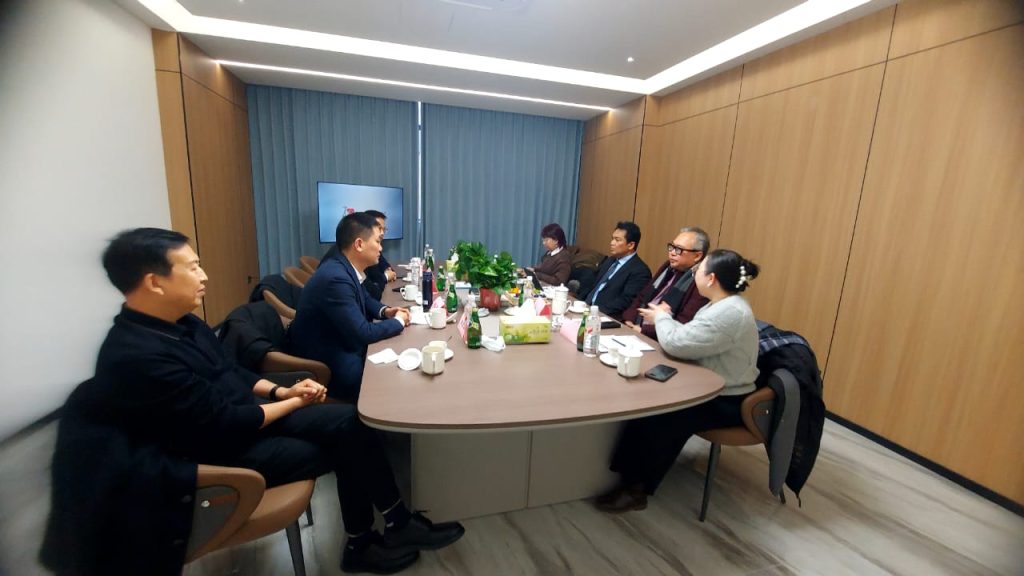
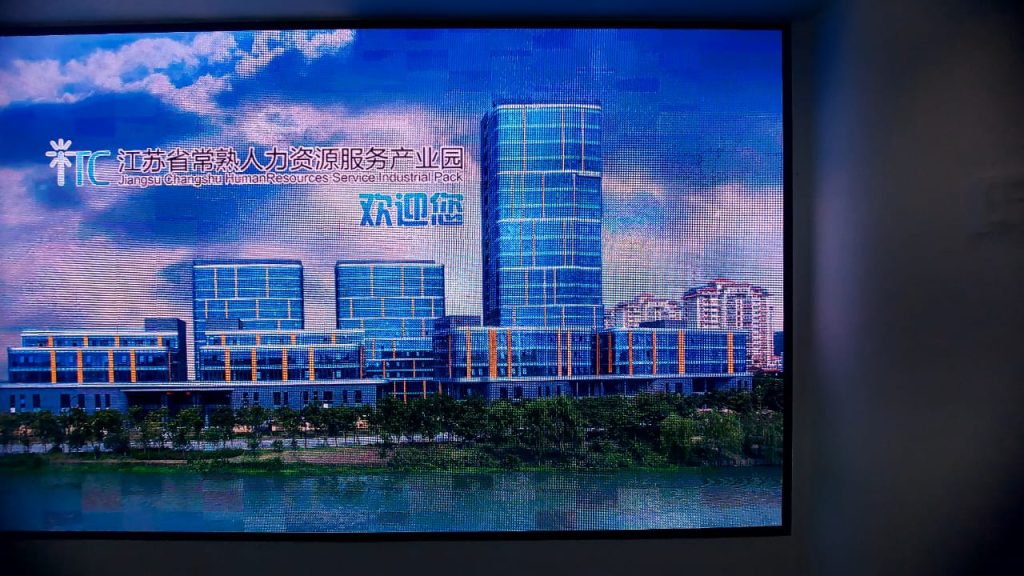
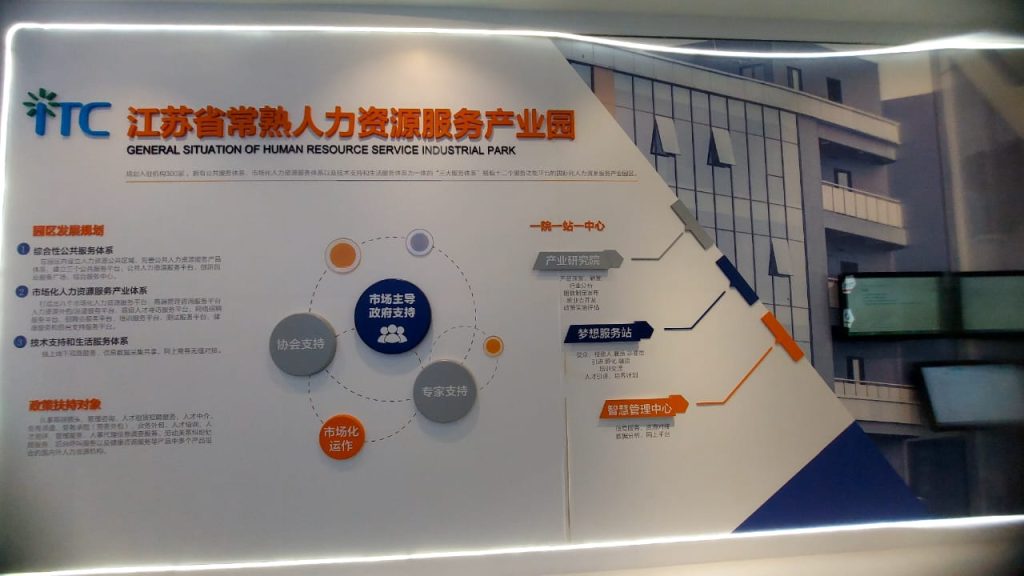
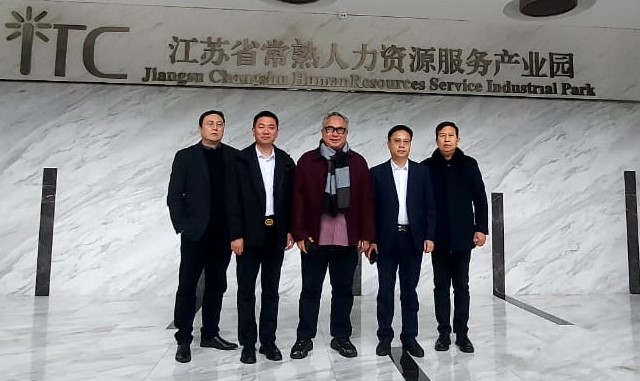
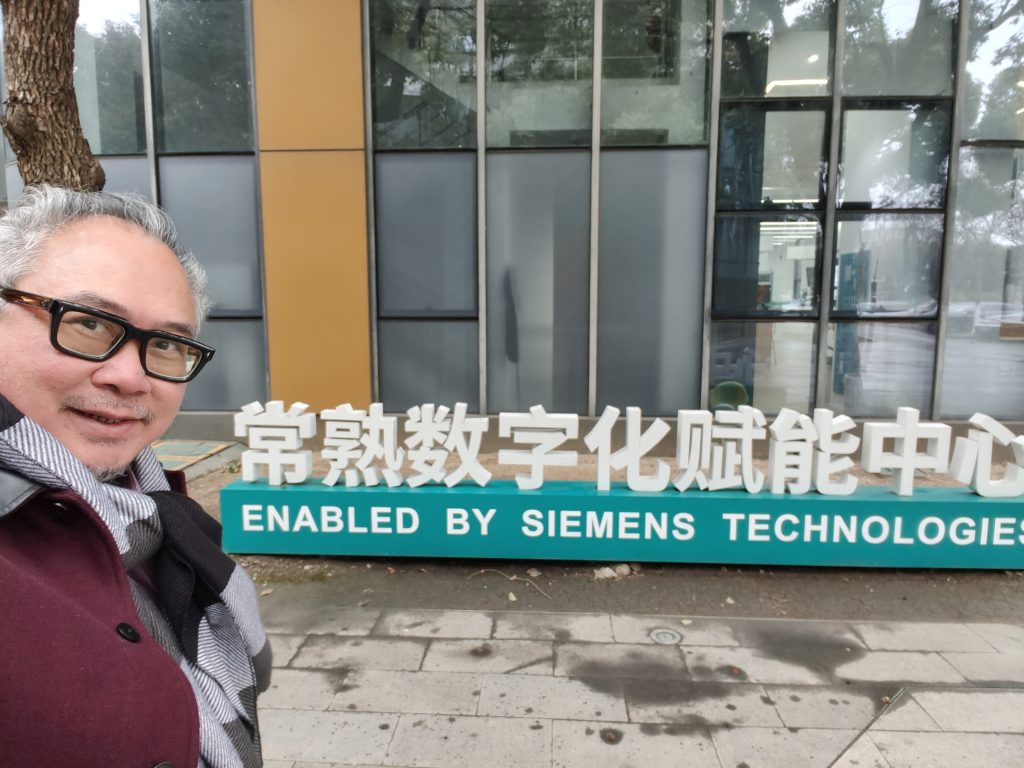
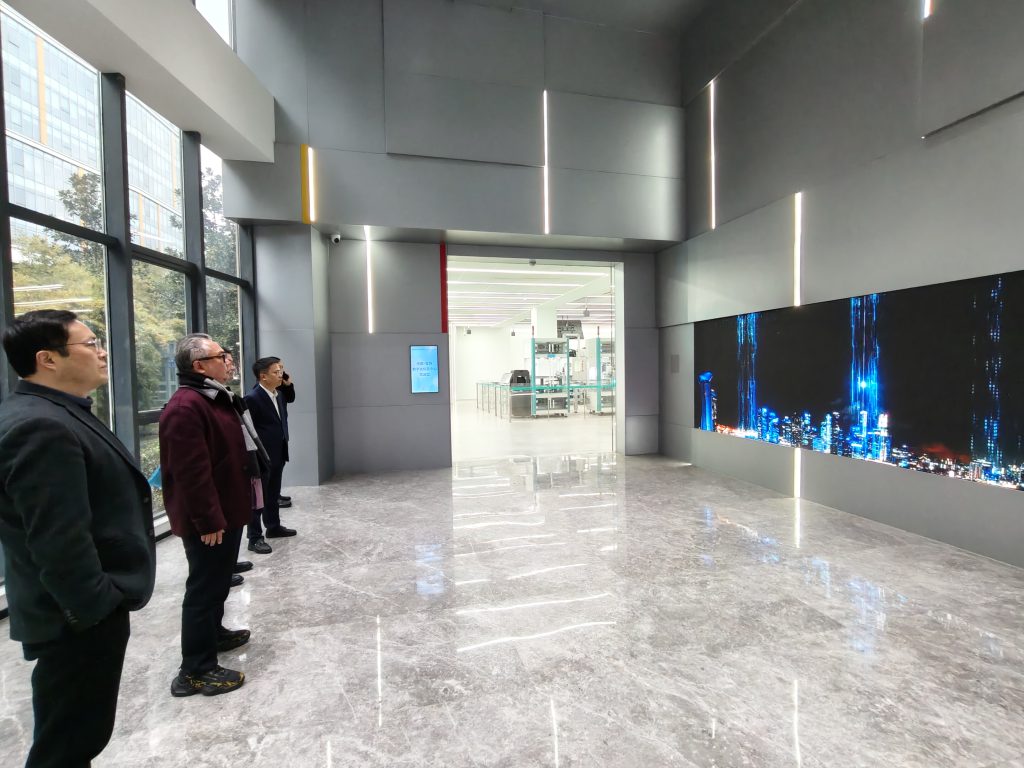
Rusmin Lawin’s Shanghai Jiangsu visit in February 2026 marks a pivotal shift in Indonesia–China engagement. Increasingly, the focus extends beyond trade into industrial ecosystems, human capital development, and technology collaboration. Across Shanghai and Jiangsu, China aligns manufacturing, education, and policy to drive innovation. As a result, these elements create a strong foundation for scalable growth. Moreover, insights from Changshu’s high-tech talent model highlight a key lesson: sustainable progress depends on connected ecosystems rather than isolated investments.
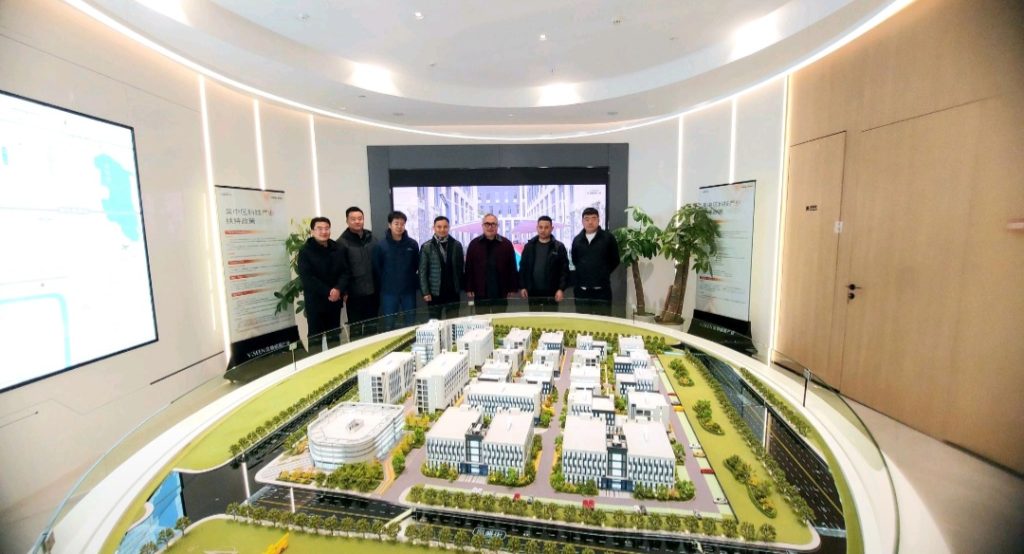
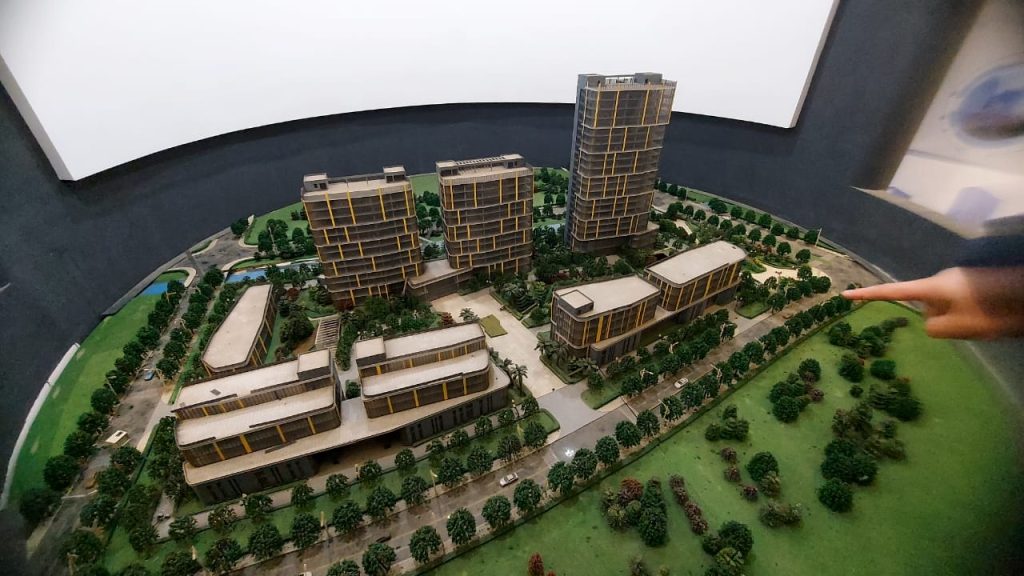
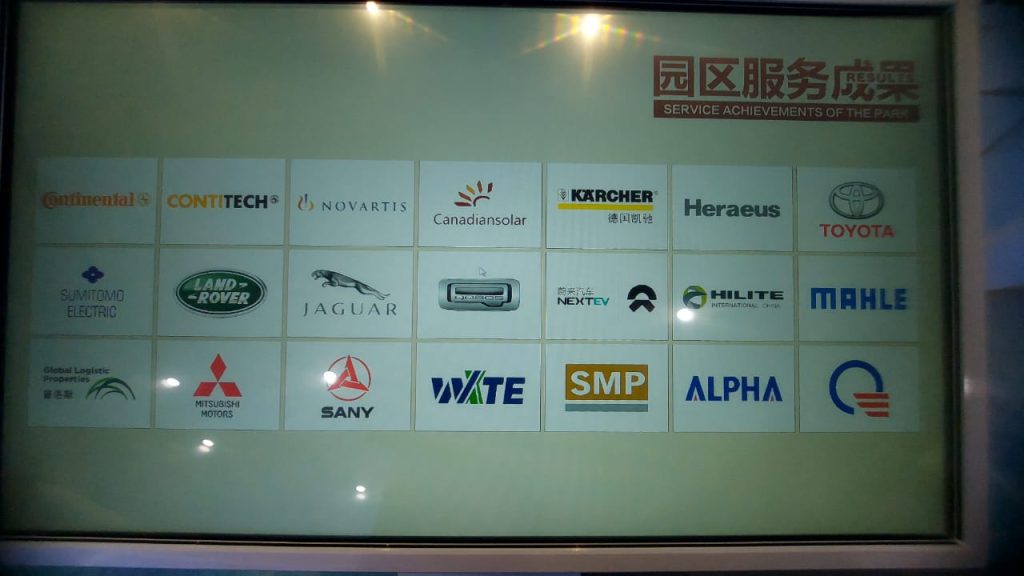
During the visit, regional clusters emerged as integrated platforms for growth. In particular, industrial zones in Jiangsu show how companies, research institutions, and training centers collaborate closely. This structure strengthens innovation by linking it directly with workforce development. In addition, industries adapt faster to global technological shifts. Therefore, this level of coordination offers valuable direction for Indonesia’s development strategy.
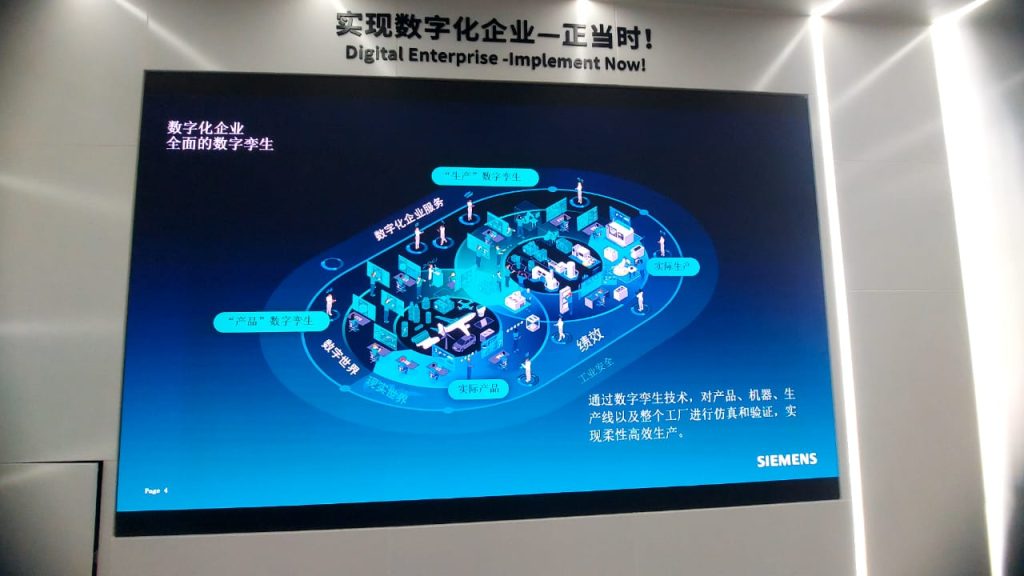
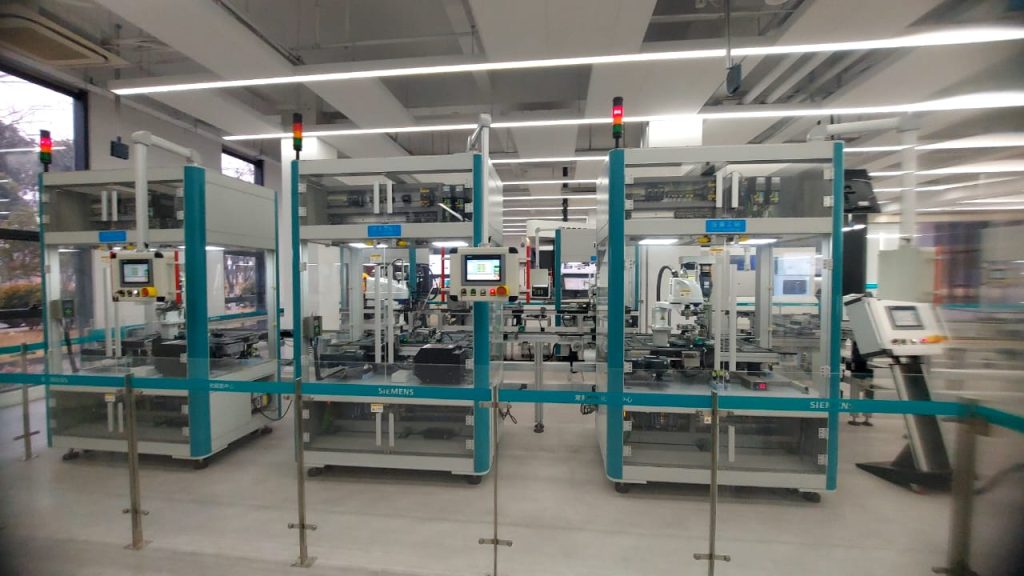
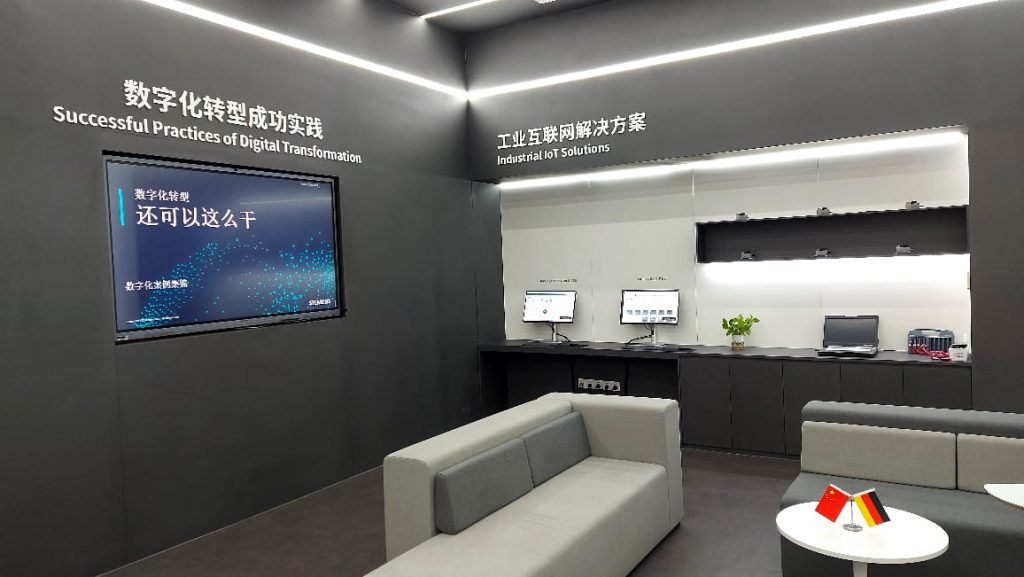
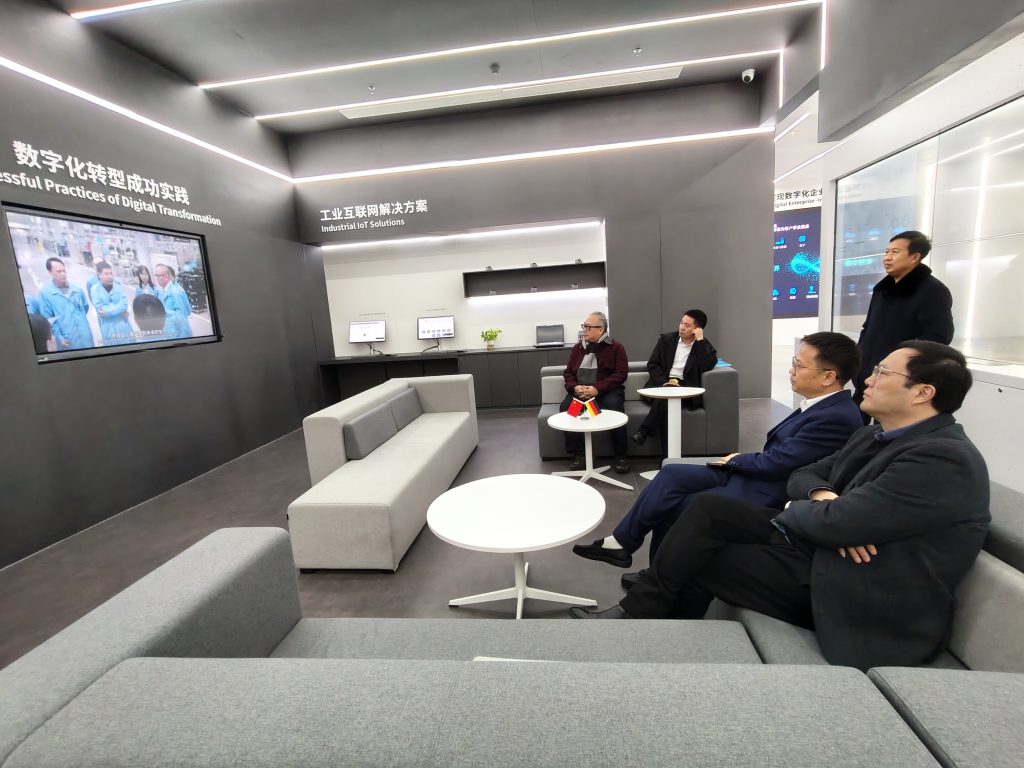
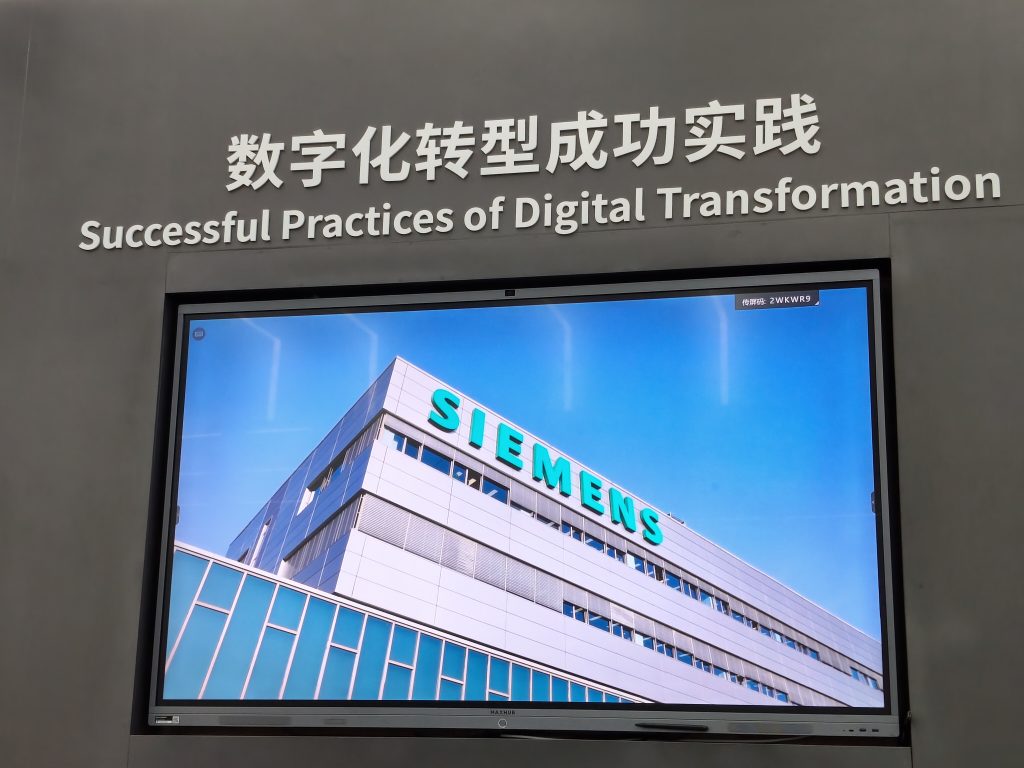
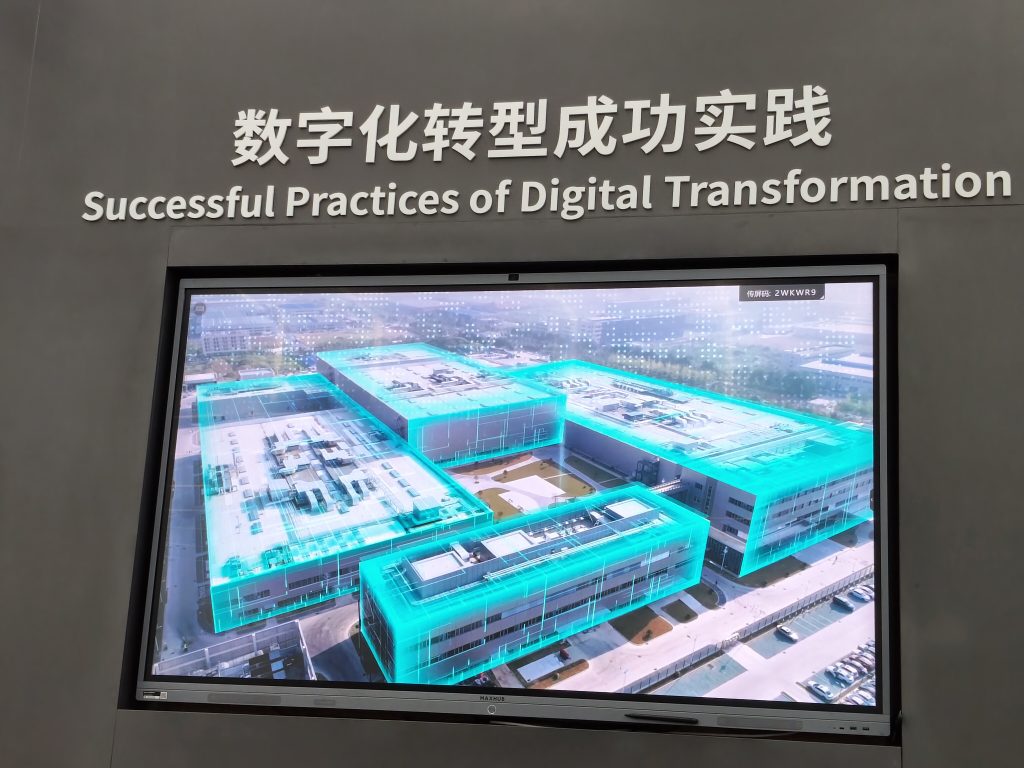
The Rusmin Lawin Shanghai Jiangsu visit February 2026 also highlights Siemens’ ecosystem in Jiangsu. Here, smart manufacturing, AI, and automation operate together in a “living laboratory.” These systems demonstrate how industries scale advanced technologies efficiently. At the same time, talent pipelines evolve alongside industry needs. Consequently, businesses gain higher efficiency, stronger resilience, and sustained competitiveness.
For Indonesia, the implications are clear and actionable. First, leaders must prioritize knowledge transfer, workforce readiness, and strategic partnerships. Next, adopting a more integrated approach will accelerate industrial transformation. As global competition intensifies, Jiangsu’s model offers a strong reference point. Ultimately, it provides a practical pathway toward a more resilient, innovation-driven economy.