Biak, Papua’s Emerging Maritime and Pacific Trade Gateway
For decades, discussions surrounding Papua’s economy have largely focused on natural resources and extractive industries. Yet another story is steadily unfolding along the northern coastline of Papua, where maritime connectivity, strategic geography, and expanding infrastructure are positioning Biak as one of Eastern Indonesia’s most promising investment destinations.
Located on Biak Island in Biak Numfor Regency, Biak occupies a unique position overlooking the Pacific Ocean, approximately midway between Southeast Asia and several Pacific Island nations. Its deep-water access, international airport, fisheries resources, and growing logistics capacity have long attracted attention from Indonesia’s policymakers. Today, these advantages are becoming increasingly relevant as Indonesia strengthens economic ties with the Pacific region while accelerating development across Eastern Indonesia.
According to Badan Pusat Statistik (BPS) Biak Numfor Regency, the regency is home to more than 140,000 residents and serves as one of Papua’s principal commercial centers outside Jayapura. The local economy benefits from government administration, fisheries, transportation, tourism, retail trade, and maritime activities, while ongoing infrastructure investment continues to improve business competitiveness.
For investors seeking sustainable long-term returns, Biak investment opportunities extend far beyond tourism. The island is developing into a diversified economic platform where fisheries, logistics, hospitality, renewable infrastructure, and regional trade reinforce one another.
Why Biak Investment Opportunities Are Gaining Momentum

Few locations in Indonesia possess Biak’s strategic geography.
Situated directly along major Pacific maritime routes, Biak has historically served as an important aviation and naval hub. Today, Indonesia is repositioning the island as a gateway connecting Papua with domestic markets and neighboring Pacific economies, including Papua New Guinea, Palau, and other island nations.
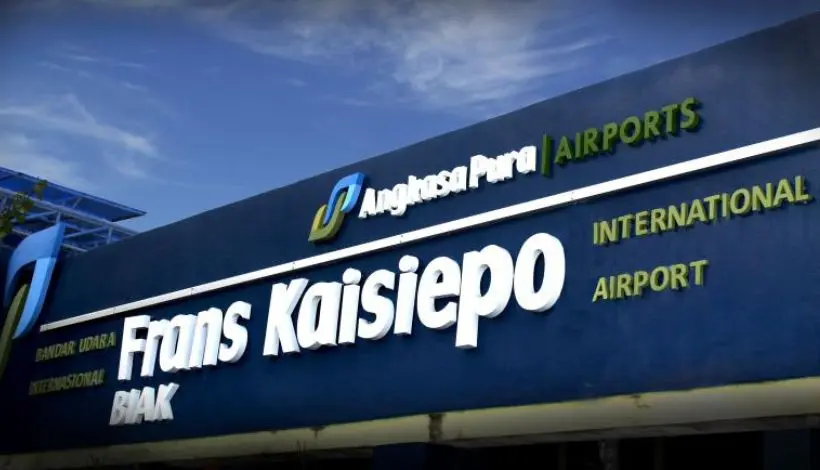
A major competitive advantage is Frans Kaisiepo International Airport, one of Eastern Indonesia’s longest-runway airports. With a runway measuring approximately 3,570 meters, the airport can accommodate wide-body aircraft, creating opportunities for passenger travel, cargo operations, and future international connectivity.
The airport is currently served by airlines including Garuda Indonesia, Lion Air, Batik Air, Super Air Jet, Sriwijaya Air, and Wings Air, linking Biak with major Indonesian cities such as Jakarta, Makassar, Jayapura, Manokwari, Sorong, and Timika.
Maritime infrastructure provides another layer of strength.
Biak Port, operated by PT Pelindo, supports passenger services, cargo distribution, and regional shipping throughout Papua. PT Pelni maintains regular passenger routes connecting Biak with eastern Indonesian ports, while freight operators facilitate the movement of construction materials, consumer goods, industrial equipment, and fisheries products.
Digital connectivity has also improved considerably through investments by Telkom Indonesia, Telkomsel, Indosat Ooredoo Hutchison, and XL Axiata, enabling businesses to expand digital commerce and financial services across the region.
These assets collectively strengthen Biak investment opportunities by lowering transportation costs, improving market access, and supporting larger-scale commercial activities.
Fisheries and Processing Industry Anchor Biak’s Blue Economy
The marine economy remains Biak’s greatest competitive advantage.
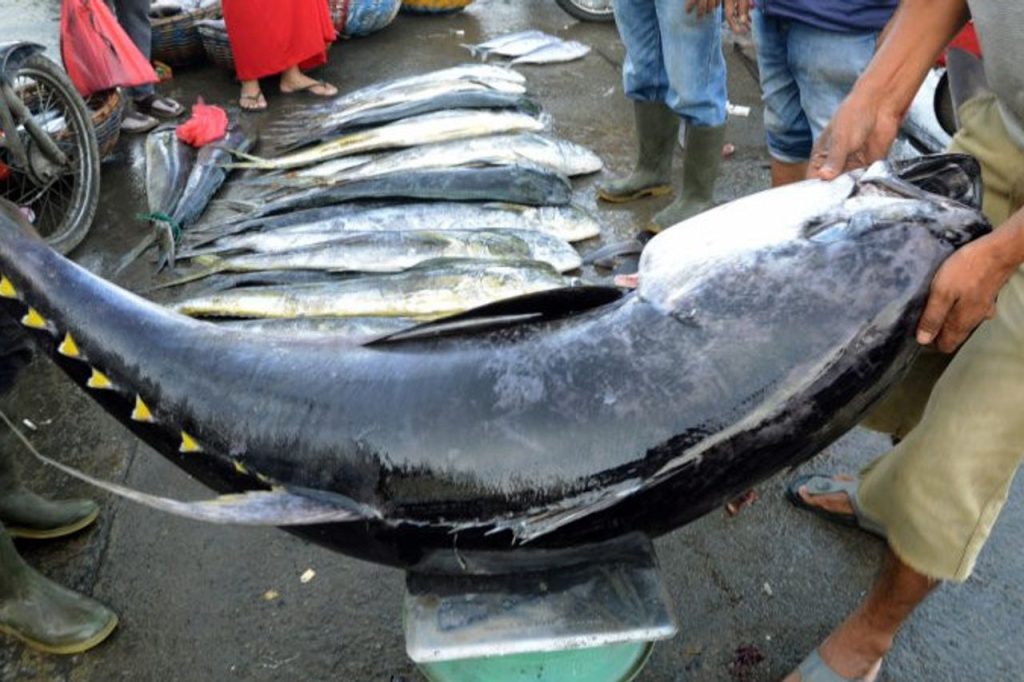
Surrounded by productive Pacific waters, the island benefits from rich fisheries resources that include tuna, skipjack, yellowfin, grouper, snapper, mackerel, squid, shrimp, and reef fish. Indonesia’s Ministry of Marine Affairs and Fisheries (KKP) continues to identify Papua’s Fisheries Management Area (WPP 717) as one of the country’s most valuable marine production zones.
However, the greatest opportunity lies downstream.
Large volumes of seafood continue leaving Papua with limited processing, allowing other provinces and overseas markets to capture greater value through packaging, freezing, branding, and export.
This creates significant Biak investment opportunities across:
- Fish processing facilities
- Cold storage warehouses
- Ice manufacturing plants
- Seafood packaging
- Export logistics
- Quality certification
- Marine biotechnology
- Fish meal production
Indonesia already hosts successful seafood companies whose business models illustrate Biak’s future potential.
Digital fisheries company Aruna has modernized seafood supply chains by connecting coastal fishermen with international buyers. Established processors such as PT Kelola Mina Laut (KML Food), PT Dharma Samudera Fishing Industries Tbk, and PT Sekar Bumi Tbk demonstrate how integrated seafood businesses generate substantially higher export value.
International seafood leaders including Thai Union Group, Maruha Nichiro, Nissui, and Mowi further highlight global demand for sustainably sourced seafood products.
With greater investment in refrigeration, processing technology, and traceability systems, Biak could become one of Papua’s principal seafood export hubs serving Japan, Singapore, South Korea, Australia, and North America.
Developing a Sustainable Blue Economy
Global seafood markets increasingly prioritize sustainability.
Investors entering Biak’s fisheries sector therefore have an opportunity to build businesses aligned with international environmental, social, and governance (ESG) standards.
Investment opportunities include:
- Sustainable fishing fleets
- Aquaculture development
- Marine conservation partnerships
- Seafood certification
- Digital fisheries platforms
- Export quality laboratories
Such investments strengthen long-term competitiveness while supporting responsible management of Papua’s marine resources.
Logistics and Transportation Connect Papua with the Pacific

Every successful regional economy depends on efficient logistics.
Biak’s combination of a deep-water port and international-standard airport provides a competitive advantage rarely found elsewhere in Papua.
As government investment expands across Eastern Indonesia, demand continues increasing for:
- Warehousing
- Distribution centers
- Third-party logistics (3PL)
- Container handling
- Freight forwarding
- Cold-chain logistics
- Customs support services
Air Cargo Supports High-Value Industries
Frans Kaisiepo International Airport plays a particularly important role in transporting time-sensitive cargo.
Fresh seafood, pharmaceuticals, medical equipment, electronics, and perishable agricultural products all benefit from faster air freight connections.
Cargo operators and logistics companies including JNE, J&T Express, Pos Indonesia, Lion Parcel, DHL Express, and FedEx already support commercial activities throughout Papua, while larger integrated logistics providers such as Samudera Indonesia, Meratus Line, and Temas Line strengthen maritime freight connectivity.
For investors, opportunities extend beyond transportation itself.
Technology-enabled logistics including warehouse automation, inventory management software, and digital supply chain platforms will become increasingly valuable as trade volumes continue expanding.
Marine Tourism Positions Biak on the Global Travel Map

While logistics drives commercial growth, tourism enhances economic diversification.
Biak possesses many of the natural advantages sought by international travelers, including white-sand beaches, coral reefs, historical sites, marine biodiversity, and year-round tropical weather.
Among its most famous attractions are:
- Bosnik Beach
- Padaido Islands
- Warsa Waterfall
- Samber and Owi Islands
- Japanese World War II historical sites
- Coral reef diving locations
The surrounding waters attract divers from Europe, Australia, Japan, and Southeast Asia because of exceptional coral ecosystems and abundant marine life.
This places Biak within the broader Coral Triangle, widely recognized as one of the world’s richest marine biodiversity regions.
Hospitality Investment Continues to Expand
Tourism growth increases demand for:
- Beachfront resorts
- Boutique hotels
- Eco-lodges
- Dive operators
- Yacht marinas
- Marine recreation businesses
- Conference facilities
Biak already hosts accommodation providers including Swiss-Belhotel Cendrawasih Biak, Asana Biak Hotel, Basana Inn, and several locally owned hotels serving business travelers and tourists.
International hospitality groups such as Accor, Marriott International, IHG Hotels & Resorts, and Hilton have yet to establish a presence on the island, representing potential long-term opportunities as visitor numbers increase.
Tour operators also benefit from partnerships with airlines, cruise operators, and local communities, creating a tourism ecosystem that distributes economic benefits throughout the region.
Hospitality and Culinary Expand Alongside Business and Tourism
As Biak strengthens its position as a regional logistics hub and marine tourism destination, demand for quality hospitality services continues to rise. Government activities, corporate travel, infrastructure projects, fisheries, and tourism collectively generate year-round demand for accommodation, meeting venues, and food and beverage services.
Unlike destinations that depend primarily on seasonal tourism, Biak benefits from a more balanced visitor profile. Government officials, business executives, logistics operators, engineers, researchers, airline crews, and domestic tourists contribute to consistent hotel occupancy throughout the year.
Hotel Investment Reflects Growing Market Confidence
Several established operators already serve the local market.
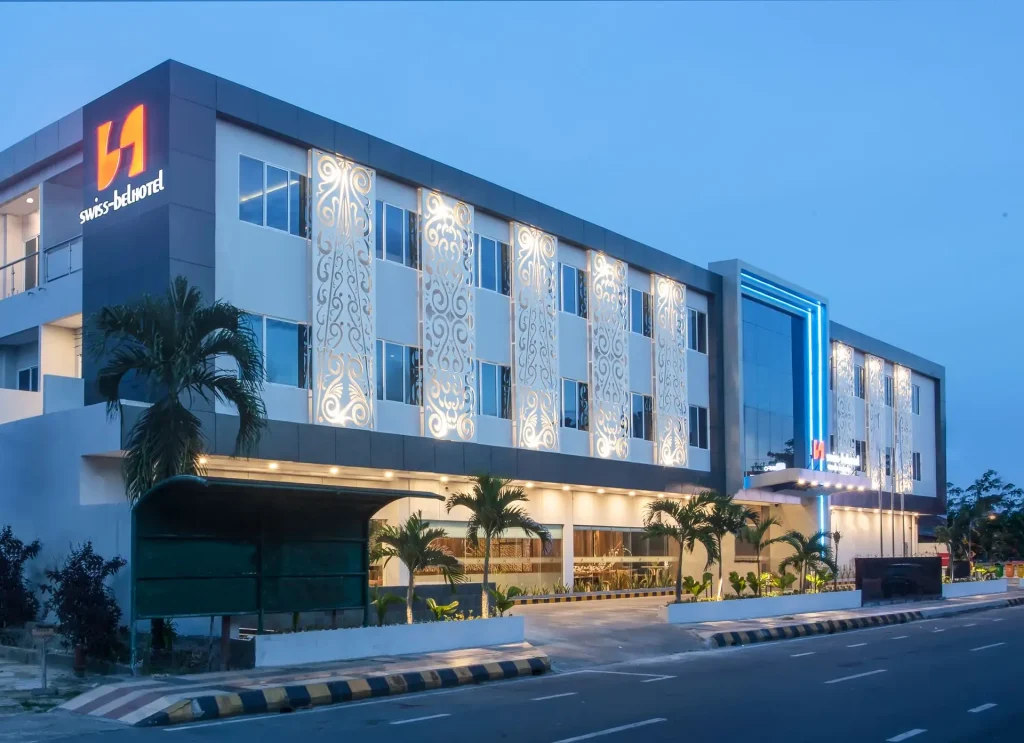
Swiss-Belhotel Cendrawasih Biak remains one of the island’s leading upscale hotels, catering to business travelers, conferences, and official government events. Other accommodation providers such as Asana Biak Hotel, Basana Inn, Arumbai Hotel, and a growing number of locally owned guesthouses illustrate the steady expansion of the hospitality sector.
Although the market continues to develop, opportunities remain for additional international hotel brands.
Groups such as Accor, Marriott International, Hilton, IHG Hotels & Resorts, and Santika Indonesia Hotels & Resorts could find attractive long-term prospects as business travel, tourism, and regional investment continue expanding.
Culinary Businesses Benefit from Rising Consumer Spending
The food and beverage sector has also become increasingly dynamic.
Restaurants specializing in fresh seafood, Papuan cuisine, Indonesian dishes, and international menus are attracting both residents and visitors. Coffee shops, bakeries, family dining concepts, and casual cafés continue to grow alongside increasing urban incomes.
National consumer brands including Nestlé Indonesia, Unilever Indonesia, Mayora Indah, Danone Indonesia, and Coca-Cola Europacific Partners Indonesia support the hospitality ecosystem through established distribution networks across Papua.
For investors, promising opportunities include:
- Premium seafood restaurants
- Waterfront dining destinations
- Boutique cafés
- Catering services
- Event venues
- Convention facilities
- Culinary tourism experiences
As visitor numbers increase and local purchasing power strengthens, hospitality and culinary businesses are expected to play a larger role in Biak’s service economy.
Energy and Supporting Infrastructure Enable Sustainable Growth
Infrastructure investment often determines whether regional economies can compete on a national or international scale.
Biak already benefits from relatively strong transportation infrastructure compared with many surrounding regions. However, continued economic expansion will require additional investment in utilities and supporting services.
Several sectors present attractive Biak investment opportunities:
Renewable Energy
Indonesia has committed to achieving net-zero emissions by 2060 or earlier, encouraging greater deployment of renewable energy across remote regions.
Biak’s abundant sunlight creates strong potential for:
- Utility-scale solar farms
- Rooftop solar systems
- Battery energy storage
- Hybrid renewable energy solutions
- Microgrids for remote islands
State-owned electricity provider PLN continues expanding electricity access throughout Papua, while Pertamina New & Renewable Energy (Pertamina NRE) and private renewable energy developers are increasing investments across Eastern Indonesia.
International companies such as TotalEnergies, ENGIE, Vena Energy, and ACEN demonstrate the growing global interest in Indonesia’s renewable energy transition.
Water, Waste Management, and Urban Utilities
Urban growth also increases demand for:
- Clean water treatment
- Wastewater management
- Solid waste processing
- Recycling facilities
- Smart utility systems
- Industrial infrastructure
These supporting investments improve public health while enhancing the attractiveness of Biak for manufacturing, logistics, tourism, and commercial real estate development.
Infrastructure funds and engineering firms including PT Wijaya Karya (WIKA), PT PP (Persero), PT Adhi Karya, and PT Hutama Karya have extensive experience delivering strategic infrastructure across Indonesia and represent potential partners for future projects in Biak.
Trade and Retail Capture Expanding Consumer Demand
Economic growth naturally stimulates retail activity.
As Biak’s population grows and household incomes improve, consumer spending continues to diversify beyond essential goods toward lifestyle products, electronics, home improvement, healthcare, and leisure.
Modern Retail Continues Expanding
National retail brands have steadily increased their presence in Biak.
Indomaret and Alfamidi provide convenient access to daily consumer products, while pharmacies, automotive suppliers, electronics retailers, and building material distributors continue expanding alongside residential and commercial development.
Financial institutions play an equally important role in supporting commerce.
Major banks operating in Biak include:
- Bank Mandiri
- Bank Rakyat Indonesia (BRI)
- Bank Negara Indonesia (BNI)
- Bank Papua
- Bank Syariah Indonesia (BSI)
These institutions provide corporate banking, SME financing, digital payments, trade finance, and investment services that strengthen the broader business ecosystem.
International payment platforms and fintech providers have also expanded rapidly through digital banking, QRIS transactions, and mobile commerce, improving financial inclusion throughout Papua.
Commercial Property Supports Retail Growth
Retail expansion increases demand for modern commercial facilities, including:
- Shopping centres
- Supermarkets
- Wholesale markets
- Commercial office buildings
- Mixed-use developments
- Business parks
Compared with Indonesia’s larger metropolitan areas, Biak still offers relatively early-stage opportunities for investors seeking long-term appreciation in commercial real estate.
As logistics, tourism, fisheries, and public administration continue expanding simultaneously, demand for quality retail space is expected to increase steadily over the coming decade.
Why Biak Investment Opportunities Deserve International Attention

Biak occupies a distinctive position within Indonesia’s eastern development strategy. Its Pacific-facing geography, established aviation infrastructure, maritime connectivity, and abundant marine resources provide competitive advantages that few regional cities can match.
Unlike economies driven by a single industry, Biak benefits from several complementary sectors. Fisheries support downstream processing and exports. Logistics strengthens domestic and international connectivity. Tourism generates demand for hospitality and retail. Infrastructure investment enhances productivity across every industry.
This diversification creates resilience while opening multiple pathways for private investment.
For international investors, family offices, infrastructure funds, logistics companies, hospitality groups, seafood processors, renewable energy developers, and commercial property investors, Biak investment opportunities represent access to one of Papua’s most strategically positioned growth markets.
Indonesia’s long-term commitment to developing its eastern provinces continues reinforcing Biak’s role within the national economy. Government investment in transportation, digital infrastructure, public services, and regional connectivity provides a strong foundation for future private-sector participation.
Those who establish an early presence in Biak will be well positioned to participate in the next phase of Papua’s maritime economy one that increasingly connects Indonesia with the broader Pacific region while creating sustainable value across industries.
GM