Educating Tomorrow’s Leaders: Russel Hutchings on Talent, Purpose, and Indonesia’s Future
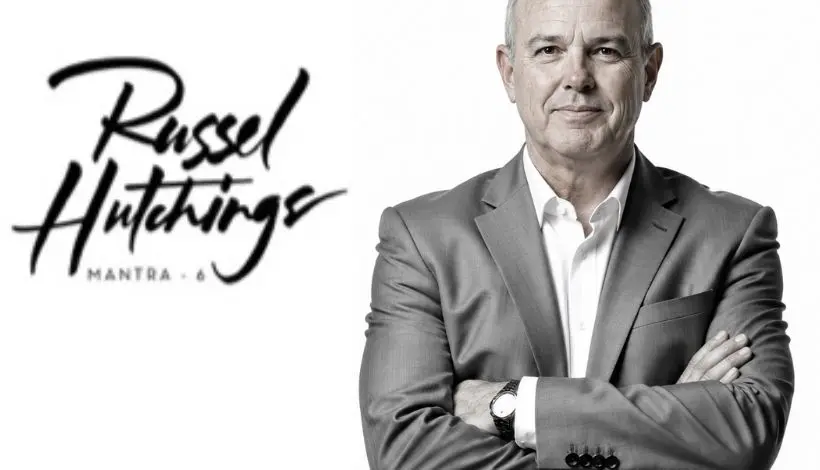
As I learned more about Russel Hutchings and the vision behind AITA Academy, I came to appreciate an educational model that extends well beyond the traditional classroom. Through AITA Academy, Russel and his team help Indonesian students prepare for internationally recognized education and career pathways in Australia by equipping them with practical skills, industry knowledge, English proficiency, and the confidence to succeed in a global environment.
More than simply opening doors to overseas opportunities, AITA Academy is committed to developing capable, adaptable, and globally minded individuals who can contribute meaningfully wherever their careers take them including back home in Indonesia. This philosophy reflects Russel’s belief that investing in people is one of the most effective ways to strengthen a nation’s future.
In this exclusive interview, I had the pleasure of engaging in a thoughtful conversation with Russel about the future of education, international learning, leadership, and the importance of preparing young Indonesians for a rapidly changing world.
As part of Indonesia Rising’s “Great Global Minds Who Contribute So Much for Indonesia” editorial series, I am delighted to share the perspectives of someone whose contribution is helping prepare the next generation of Indonesian leaders. Throughout this interview, I will be referred to as GM (my pen name, GMora), while Russel Hutchings will be abbreviated as RH.
Beyond the Classroom
GM: Your journey has been driven by a passion for developing people rather than simply teaching subjects. Looking back, what experiences inspired you to dedicate your career to transforming education?
RH: Throughout my career, whether serving in the military, leading organisations or working within vocational education, I have observed one consistent truth: people are an organisation’s greatest strategic asset.
Technology continues to evolve at an extraordinary pace, but it is skilled, confident and adaptable people who ultimately determine whether a nation or an industry succeeds. My experience taught me that education should never be measured simply by the number of qualifications issued. It’s true value lies in creating capable individuals who can think critically, solve problems safely, adapt to change and contribute meaningfully to their organisations and communities.
That philosophy became the foundation of my work. Rather than viewing education as an academic exercise, I see it as a means of transforming lives, strengthening industries and supporting national development.
Indonesia stands at one of the most exciting periods in its history. With the vision of “Indonesia Emas 2045”, the country has recognised that developing world-class human capital will be just as important as developing world-class infrastructure. That vision strongly resonates with me because investing in people creates benefits that extend across generations.
AITA’s philosophy is that education has never simply been about teaching subjects. It is about creating opportunities, building confidence, raising professional standards and preparing people to compete successfully in an increasingly global economy.
GM: What inspired you to establish AITA Academy, and what gap in education were you determined to address from the very beginning?
RH: AITA was established with a very clear purpose: to help develop an internationally recognised workforce capability that supports Indonesia’s long-term economic ambitions.
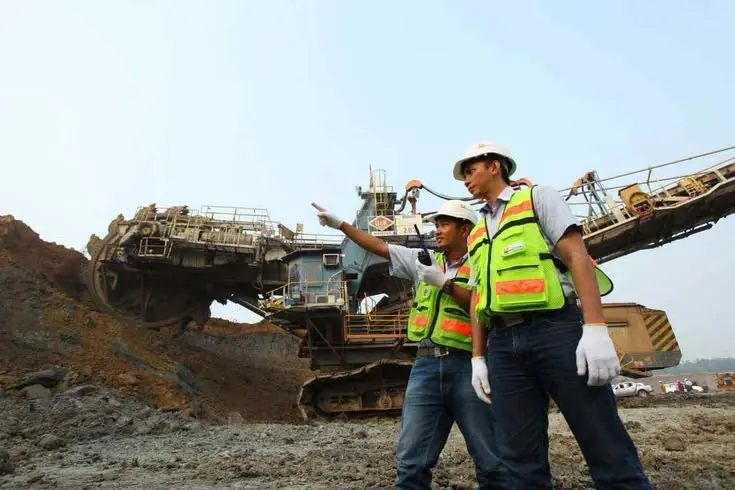
Indonesia is experiencing remarkable growth across mining, energy, construction, infrastructure, manufacturing and logistics. These sectors require not only investment in equipment and technology, but also continuous investment in people. As industries become more sophisticated, employers increasingly seek workers whose skills are recognised against international standards while remaining aligned with Indonesia’s own development priorities.
We saw an opportunity to contribute by providing access to fully accredited Australian vocational education that is practical, competency-based and directly aligned with industry needs. Our objective is not simply to deliver training, but to work collaboratively with Indonesian industry and educational partners to strengthen workforce capability and support the transfer of knowledge and best practice.
AITA‘s vision aligns closely with the aspirations of Indonesia Emas 2045 and the spirit of the Indonesia–Australia Comprehensive Economic Partnership Agreement (IA-CEPA), both of which recognise that developing highly skilled human resources is essential to Indonesia’s future prosperity.
Ultimately, our success will not be measured by the number of courses delivered, but by the number of Indonesian professionals who return to their workplaces with greater skills, stronger confidence and internationally recognised competencies that contribute to safer workplaces, higher productivity and a more globally competitive Indonesia.
Shaping Global Citizens

GM: The world is changing faster than ever. Beyond academic excellence, what qualities do you believe young Indonesians must develop to become globally respected leaders?
RH: Academic knowledge will always be important, but in today’s world it is no longer enough on its own. The most successful professionals are those who combine technical competence with strong character, adaptability and a commitment to lifelong learning.
Indonesia has one of the world’s youngest and most dynamic populations. As the nation continues its remarkable economic transformation, particularly through Indonesia Emas 2045, there is an extraordinary opportunity for the next generation to become leaders not only within Indonesia but across the Asia-Pacific region and beyond.
To achieve that, young Indonesians must develop qualities that transcend technical skills. Professional integrity, critical thinking, effective communication, teamwork, resilience and cultural awareness are increasingly valued by employers throughout the world. Equally important is the willingness to embrace innovation, adapt to new technologies and continuously develop new competencies throughout one’s career.
Global leadership is not about leaving Indonesia; it is about representing Indonesia with professionalism, confidence and internationally recognised capability wherever opportunities arise. I believe Indonesia’s future leaders will be those who combine national pride with a global mindset, helping to strengthen the country’s reputation as a source of highly skilled, capable and respected professionals.
GM: What educational philosophy drives AITA Academy, and how do you translate that philosophy into practical learning experiences that prepare students for real-world success?
RH: At AITA, we believe that education should have a clear purpose: to prepare people to perform confidently, safely and competently in the real world.
Our philosophy is built around competency-based learning, where knowledge is reinforced through practical application rather than theory alone. Employers today expect graduates who can contribute from their first day in the workplace, solve problems, work effectively within diverse teams and continually adapt as industries evolve.
This philosophy guides every aspect of what we do. We focus on industry-relevant training that reflects current workplace practices and internationally recognised standards, ensuring that learning remains directly connected to the skills employers genuinely require. Whether supporting the mining, oil and gas, construction, infrastructure or logistics sectors, our emphasis is always on developing capability that creates lasting value for both individuals and industry.
More importantly, we view education as a partnership. By working closely with industry, educational institutions and government stakeholders, we aim to contribute to the development of a highly skilled workforce capable of supporting Indonesia’s continued economic growth and long-term national aspirations.
When education is aligned with industry needs and national priorities, everybody benefits the individual, the employer and ultimately the nation itself. That is the philosophy that continues to drive AITA.
Investing in Human Potential
GM: Many people view education as an expense, while others see it as the highest-return investment. Why do you believe investing in people creates the greatest long-term impact for families, businesses, and nations?
RH: History has consistently shown that the world’s most successful nations are not simply those blessed with abundant natural resources they are those that continually invest in the knowledge, skills and capability of their people.
Infrastructure can be built, equipment can be purchased and technology can be imported, but without a skilled workforce, none of those investments will ever reach their full potential. Human capability is the force that transforms opportunity into sustainable economic growth.
For families, education creates opportunity, financial security and the confidence to pursue a better future. For businesses, a highly skilled workforce improves safety, productivity, innovation and competitiveness. For nations, investment in human capital strengthens economic resilience, attracts international investment and creates the expertise needed to compete successfully in an increasingly knowledge-based global economy.
This is precisely why Indonesia Emas 2045 places such strong emphasis on developing world-class human resources. Indonesia possesses extraordinary potential, and by continuing to invest in vocational education, professional skills and lifelong learning, the country is building one of its greatest strategic advantages for the future.
Education should never be viewed simply as a cost. It is one of the few investments that continues generating returns throughout a person’s lifetime while creating benefits that extend to businesses, communities and future generations.
GM: Through your work with students and families, what common mindset have you observed among those who consistently achieve extraordinary outcomes?
RH: One quality stands out above all others: they never stop learning. The highest achievers are rarely those with the greatest natural ability. More often, they are individuals who remain curious, embrace challenges and understand that personal growth is a continuous journey rather than a destination.
They are prepared to leave their comfort zone, accept constructive feedback, develop new skills and adapt to changing circumstances. They recognise that setbacks are not failures, but opportunities to learn, improve and become more resilient.
Another characteristic they share is a clear sense of purpose. They understand why they are investing in their education and how that investment contributes not only to their own future, but also to their families, organisations and communities.
This mindset is especially important as Indonesia continues its rapid development. The professionals who will shape Indonesia’s future will be those who combine technical excellence with integrity, discipline, adaptability and a genuine commitment to lifelong learning.
At AITA, our role is not simply to help people gain qualifications. It is to help develop confident professionals who are equipped to contribute to Indonesia’s continued growth, compete successfully on the global stage and create opportunities for future generations.
A Vision for Indonesia
GM: Indonesia is entering a period of tremendous opportunity. What gives you the greatest optimism about the country’s future, and how can education become one of its strongest competitive advantages?
RH: Indonesia possesses something many developed nations wish they still had a young, energetic and ambitious population combined with abundant natural resources and one of the fastest-growing economies in the region. That combination creates enormous potential, but potential alone is never enough. It must be transformed into capability.
What gives me the greatest optimism is Indonesia’s clear commitment to investing in its people. Through the vision of “Indonesia Emas 2045”, the nation has recognised that long-term prosperity will depend not only on infrastructure and investment, but on developing a workforce capable of competing with the very best in the world.
Education therefore becomes far more than an academic pursuit; it becomes a national competitive advantage. When education is aligned with industry, internationally recognised standards and the future needs of the economy, it produces professionals who are innovative, adaptable and globally competitive.
Indonesia already has the talent. The opportunity now is to continue building the systems, partnerships and learning pathways that allow that talent to flourish. If Indonesia continues investing in world-class vocational education, professional training and lifelong learning, I have no doubt it will emerge as one of the leading economic and industrial powers of the twenty-first century.
GM: If you could recommend one bold initiative that would significantly strengthen Indonesia’s education ecosystem over the next decade, what would it be?
RH: If I could recommend one initiative, it would be the creation of a truly integrated national workforce development ecosystem that brings together government, industry and education providers with a single shared objective: producing graduates whose skills directly match the needs of Indonesia’s future economy.
Too often around the world, education and industry evolve independently. The result is graduates who possess qualifications but lack the practical competencies employers require. Indonesia has the opportunity to take a different path by ensuring that vocational education, industry and government work together to design training that reflects real global workplace demands.
This approach should include greater collaboration with international education partners, expanded competency-based training, increased workplace learning opportunities and broader recognition of globally accredited qualifications that complement Indonesia’s own national education system.
The objective is not simply to educate more people; it is to develop a workforce capable of driving innovation, increasing productivity and strengthening Indonesia’s position within the global economy. When education and industry move forward together, everybody benefits.
The Legacy We Build
GM: When future generations look back on your work through AITA Academy, what lasting contribution do you hope they will remember, not only for your students, but for Indonesia and Australia as a whole?
RH: I hope people will remember that AITA helped strengthen one of the most important relationships in our region by investing in people.
Australia and Indonesia are neighbours whose futures are increasingly interconnected. Strong economies are built not only through trade and investment, but through trust, collaboration and the exchange of knowledge and skills. Education has a unique ability to build those connections because its impact extends across generations.
If AITA can play even a small role in helping Indonesian professionals gain internationally recognised skills, supporting Indonesian industry to develop its workforce and creating stronger educational partnerships between our two countries, I would consider that a meaningful legacy.
Ultimately, my ambition has never been to build the biggest training organisation. It has been to help develop capable people who return to their workplaces with greater confidence, stronger skills and the ability to contribute to their organisations, their communities and their nation.
If, in years to come, people can say that AITA helped strengthen human capital, deepened the partnership between Australia and Indonesia, and contributed in some way to Indonesia’s remarkable journey towards “Indonesia Emas 2045”, then I believe we will have achieved something truly worthwhile.
GM